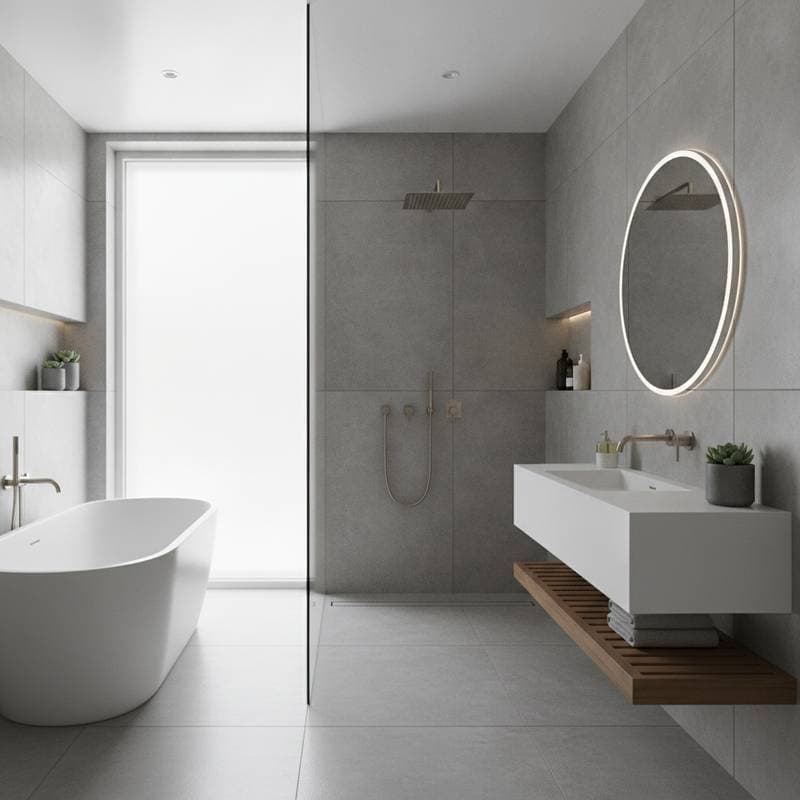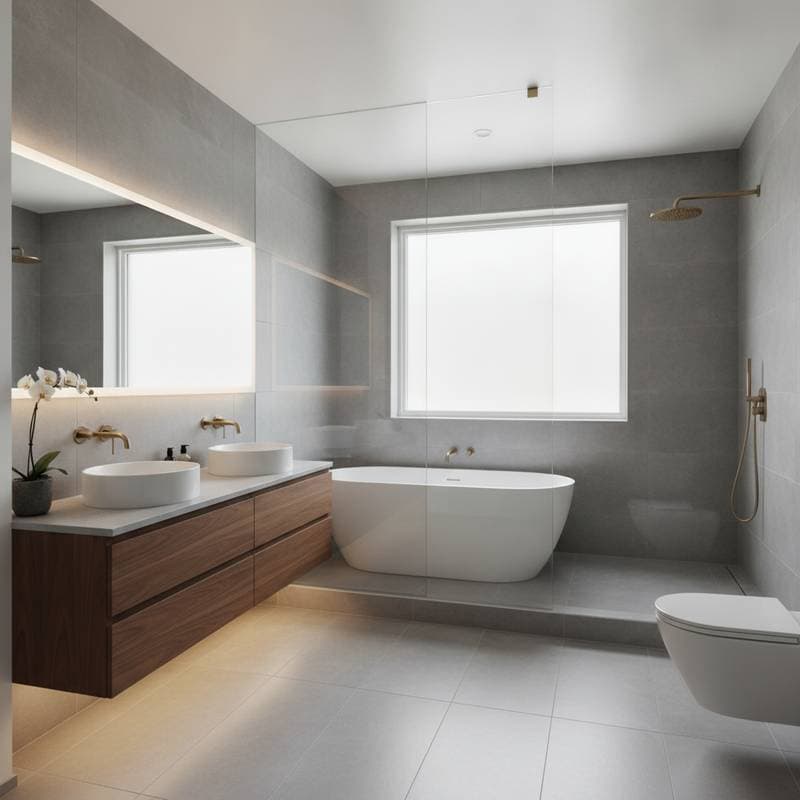
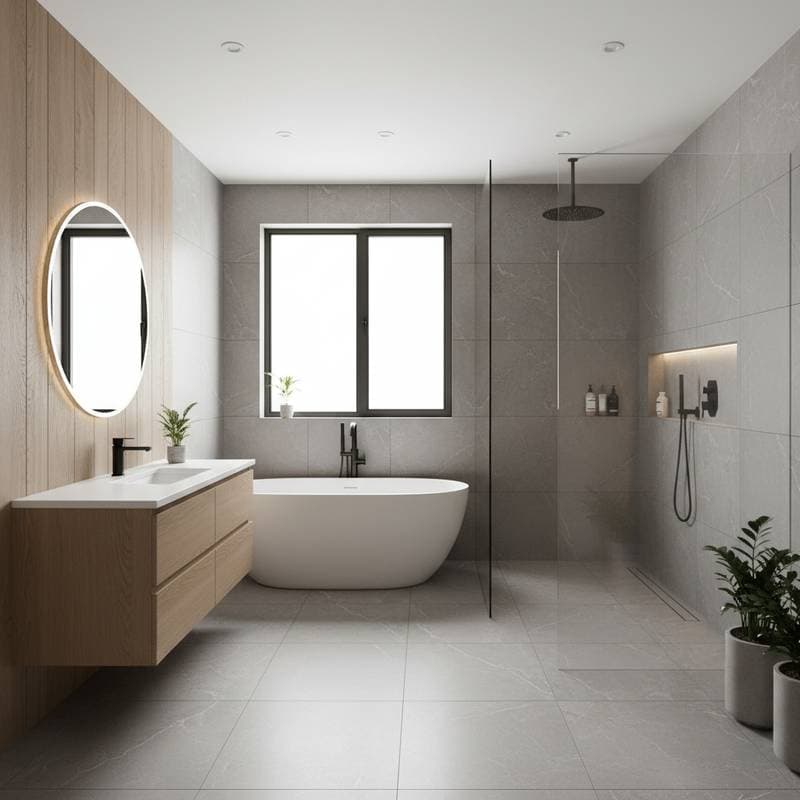
Why Wet Rooms Are Replacing Showers in 2026
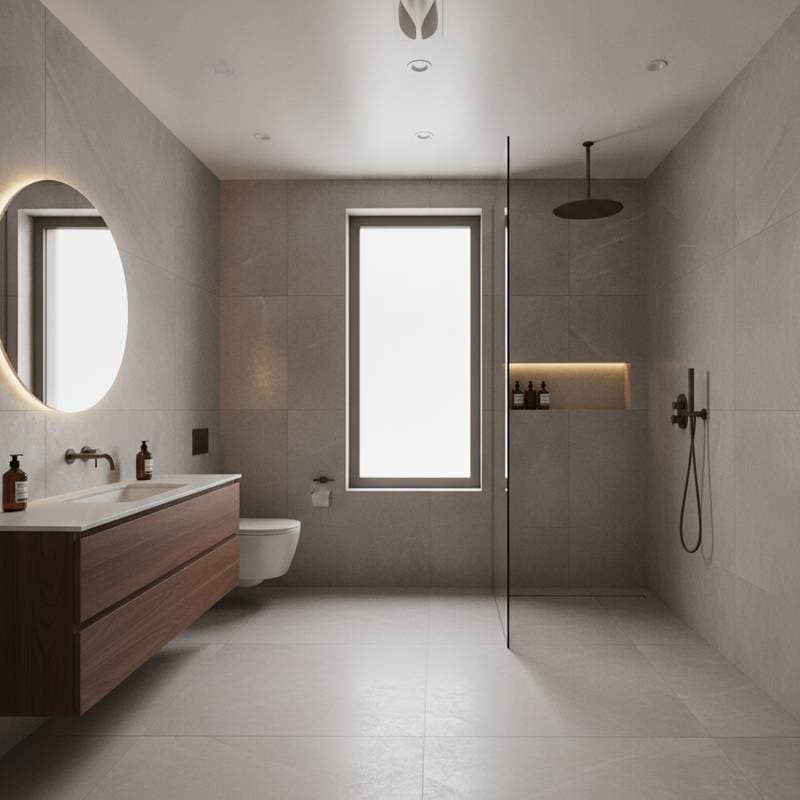
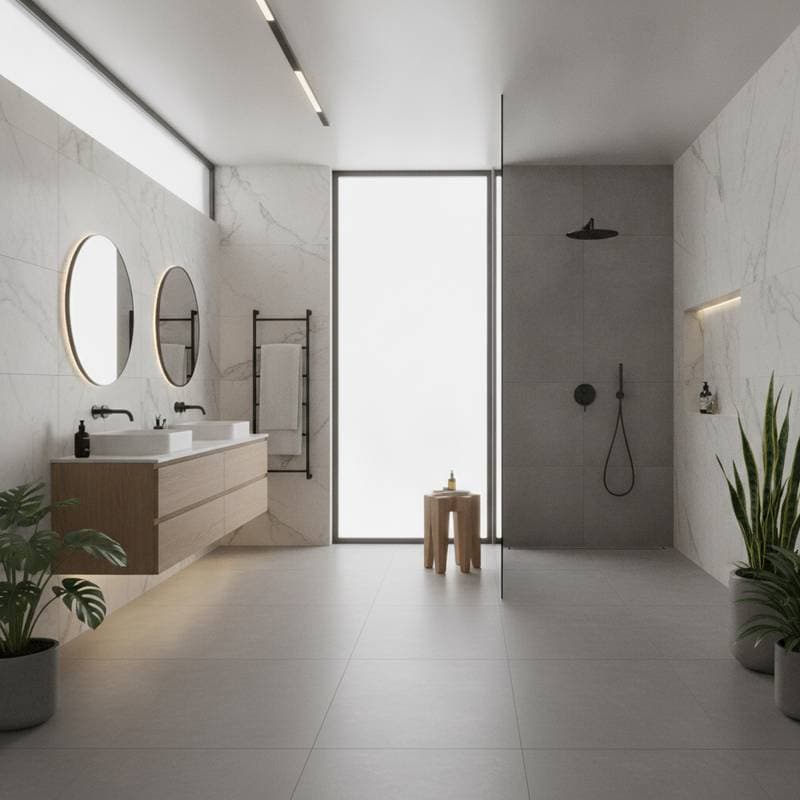
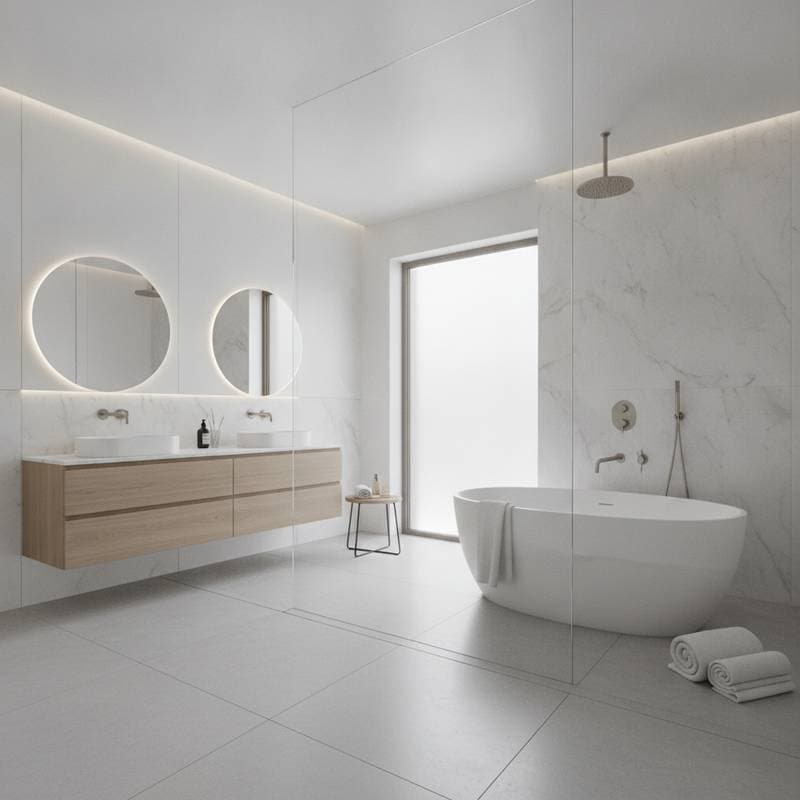
Wet rooms represent a shift in bathroom design, gradually supplanting traditional showers. These spaces feature a fully waterproofed floor that integrates seamlessly with the rest of the bathroom, allowing water to drain through a specialized system without the need for a raised shower base. This approach creates an open, barrier-free environment that prioritizes accessibility and simplifies maintenance, making it ideal for both small urban apartments and luxurious home renovations.
Homeowners increasingly select wet rooms for their minimalist aesthetics and practical benefits, such as support for aging in place and reduced upkeep. Builders appreciate the efficiency, as these designs minimize the use of complex hardware and streamline the overall construction process.
Pros and Cons
Pros
- Enhances accessibility. The absence of thresholds or curbs reduces fall risks, benefiting users of all ages and mobility levels.
- Eases cleaning efforts. With fewer seams and edges, wet rooms resist mildew and grime accumulation, requiring only basic wiping to maintain hygiene.
- Maximizes perceived space. The open layout visually enlarges compact bathrooms, creating a more airy and inviting atmosphere.
- Increases property value. Prospective buyers view wet rooms as a contemporary, hassle-free feature that signals thoughtful design.
- Manages moisture effectively. Comprehensive waterproofing safeguards against water damage, leaks, and structural deterioration over time.
Cons
- Elevates upfront expenses. Specialized materials and labor for waterproofing drive costs higher than standard shower installations.
- Demands precise execution. Achieving the correct floor slope and sealing requires expertise to prevent water pooling or seepage.
- Requires robust ventilation. The entire room encounters moisture, necessitating powerful systems to control humidity and avoid condensation issues.
- Limits amateur involvement. Errors in waterproofing or drainage can result in significant repairs, underscoring the need for skilled labor.
DIY vs Professional Installation
Constructing a wet room demands coordination across plumbing, waterproofing, tiling, and drainage elements, presenting substantial challenges for novices.
Project Difficulty: High
Estimated Timeline: Five to ten days for experienced professionals; considerably longer for DIY attempts
Essential Tools: Tile cutter, mixing trowels, liquid-applied waterproof membrane, linear drain assembly, precision laser level, and high-adhesion sealants
Potential Risks: Structural leaks, inadequate drainage leading to standing water, and accelerated mold development
Circumstances for Professional Assistance:
- Relocating existing drains or supply lines.
- Strengthening the subfloor to support added weight.
- Incorporating features like radiant floor heating or intricate mosaic tiling.
- Securing manufacturer warranties that mandate certified installation.
Professionals guarantee compliance with building codes through accurate sloping and thorough sealing. Certified contractors handle necessary permits and conduct inspections to verify system integrity.
Maintenance and Expected Lifespan
A properly constructed wet room endures for decades, with the core waterproof membrane offering reliability for 20 to 30 years under normal conditions. Tiles and grout, when maintained diligently, extend the system's functionality even further.
Daily and Periodic Maintenance Tasks:
- Wipe surfaces immediately after use to minimize residual moisture.
- Apply a gentle, non-abrasive cleaner to grout lines on a monthly basis.
- Examine and replace deteriorated silicone seals annually.
- Clear drains quarterly to ensure optimal flow and prevent blockages.
- Operate the exhaust fan for a minimum of 15 minutes post-shower to facilitate drying.
Adhering to manufacturer guidelines preserves warranty protections, many of which stipulate professional installation and routine inspections.
Regional Considerations
Installation costs, material choices, and design adaptations fluctuate based on geographic location, influenced by labor markets, weather patterns, and regulatory requirements.
In High-Humidity Environments:
Prioritize enhanced ventilation systems and antimicrobial materials to combat mold. Budget for supplemental dehumidifiers or humidity sensors to maintain air quality.
In Colder Climates:
Integrate electric underfloor heating to counteract cold tiles and accelerate evaporation. Select tile adhesives formulated for freeze-thaw cycles to ensure adhesion stability.
In Coastal Regions:
Opt for corrosion-resistant components, such as stainless steel drains and brass fixtures, to withstand salt exposure and persistent dampness.
Compliance with Local Regulations:
Many jurisdictions mandate pre-tiling waterproofing tests and specific drain configurations with built-in traps. Consult municipal authorities early to navigate permitting processes and avoid delays.
Essential Safety Measures
Effective waterproofing and drainage form the foundation of a secure wet room; oversights can lead to water intrusion, material decay, or hazardous conditions.
Critical Safety Protocols:
- Electrical Safeguards: Install outlets and lighting fixtures certified for wet zones, paired with ground-fault circuit interrupter (GFCI) devices.
- Anti-Slip Flooring: Select tiles with an R10 or higher slip-resistance rating to minimize accident risks on wet surfaces.
- Proper Gradient: Engineer a minimum 1 percent slope toward the drain to eliminate water accumulation.
- Adequate Airflow: Equip with a continuously rated exhaust fan capable of exchanging air at the room's calculated volume per hour.
- Floor Reinforcement: Bolster substructures to accommodate the load of dense materials like natural stone.
- Regulatory Approvals: Secure plumbing and electrical permits, followed by professional verification.
Conduct a flood test on the waterproofing layer prior to final surfacing to identify and rectify any vulnerabilities.
Frequently Asked Questions
Do wet rooms prone to leaking? No, provided construction adheres to standards. A continuous waterproof membrane beneath the flooring effectively contains water, with issues arising solely from improper gradients or compromised seals.
Is upstairs installation feasible for a wet room? Yes, though it necessitates subfloor fortification and a fully tanked waterproof system. Engage a structural engineer for a pre-installation assessment.
How can splashing be contained in a wet room? Incorporate a low-profile glass panel or direct the showerhead toward the drain. Strategic fixture positioning further limits water dispersion.
Are wet rooms appropriate for petite bathrooms? Absolutely. Eliminating the shower enclosure frees up floor space and simplifies access for cleaning.
Will a wet room elevate overall home humidity? Not with proper exhaust systems. Fans sized to the bathroom's cubic footage effectively mitigate excess moisture.
Steps to Implement Your Wet Room
Consider a wet room if you seek a barrier-free, contemporary bathroom solution. Although the initial investment exceeds that of conventional showers, the rewards include effortless maintenance and superior longevity.
Begin by drafting a detailed floor plan that accounts for drainage slopes and waterproofing layers. Verify your existing structure's capacity through a professional evaluation.
Solicit estimates from at least three licensed specialists experienced in wet room projects. Inquire about their preferred waterproofing methods, warranty durations, and adherence to local codes regarding drainage and ventilation.
A meticulously executed wet room delivers enduring style, accessibility, and resilience, transforming routine bathroom use into an efficient and enjoyable experience.