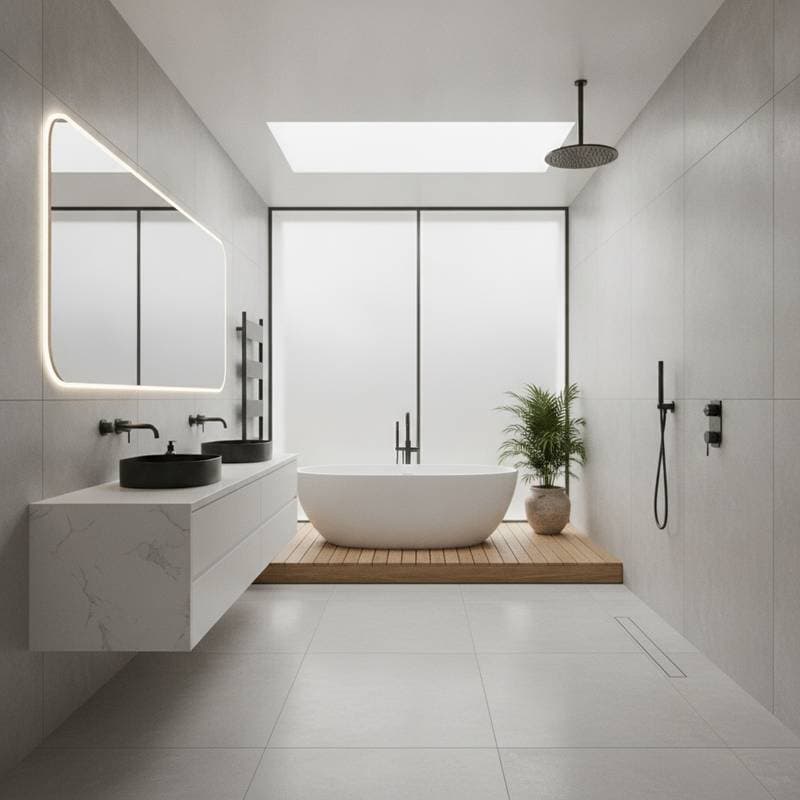
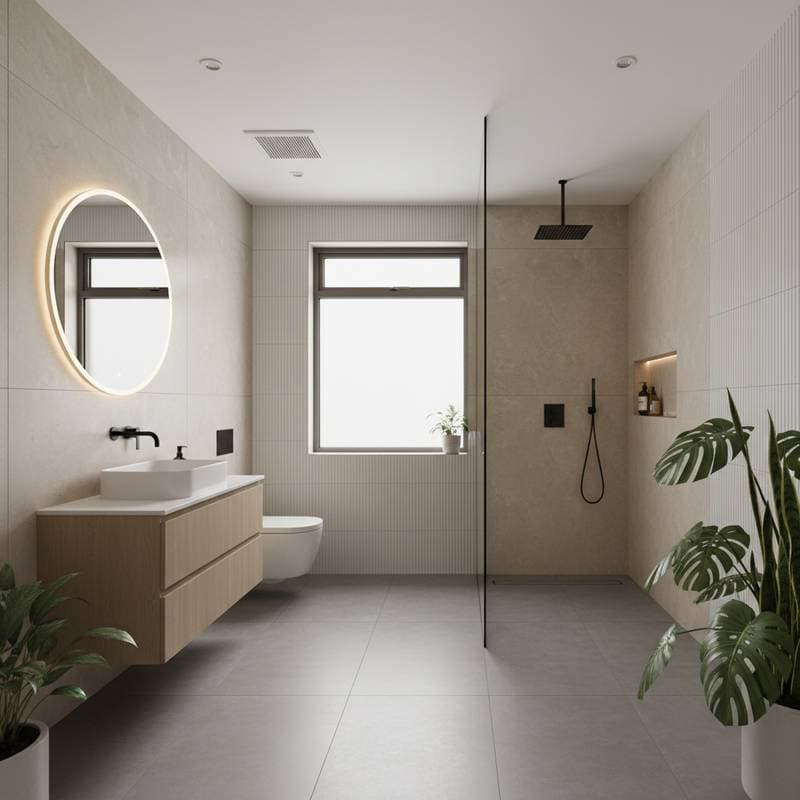
Understanding Wet Rooms as a 2025 Home Upgrade
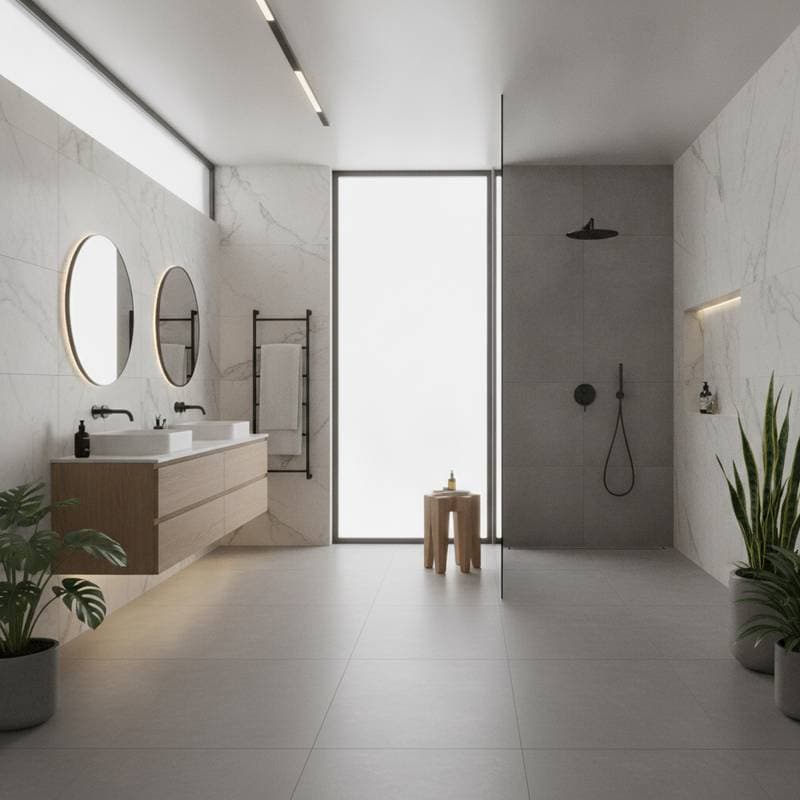
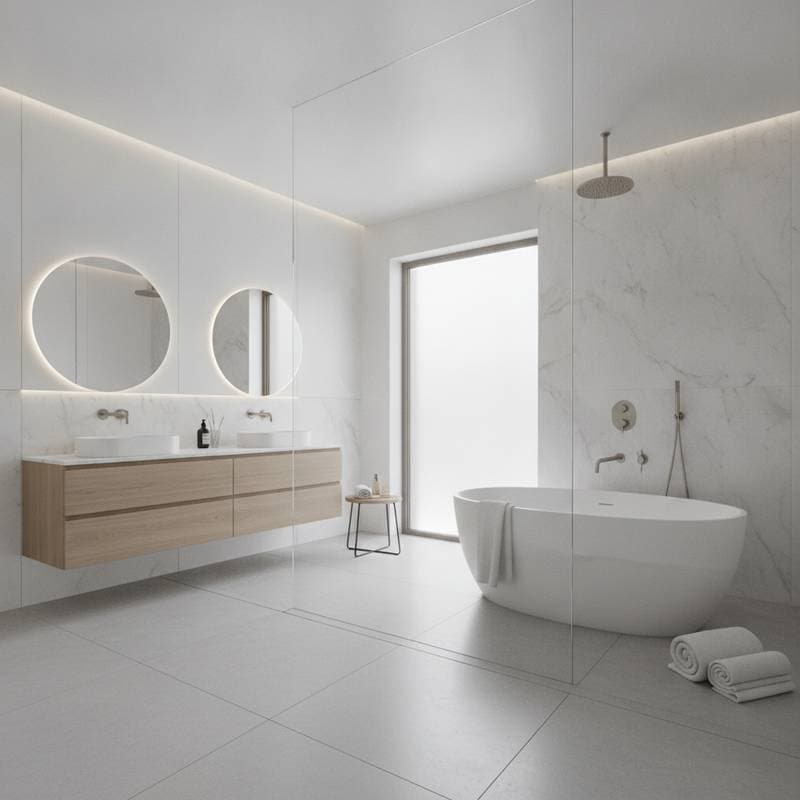
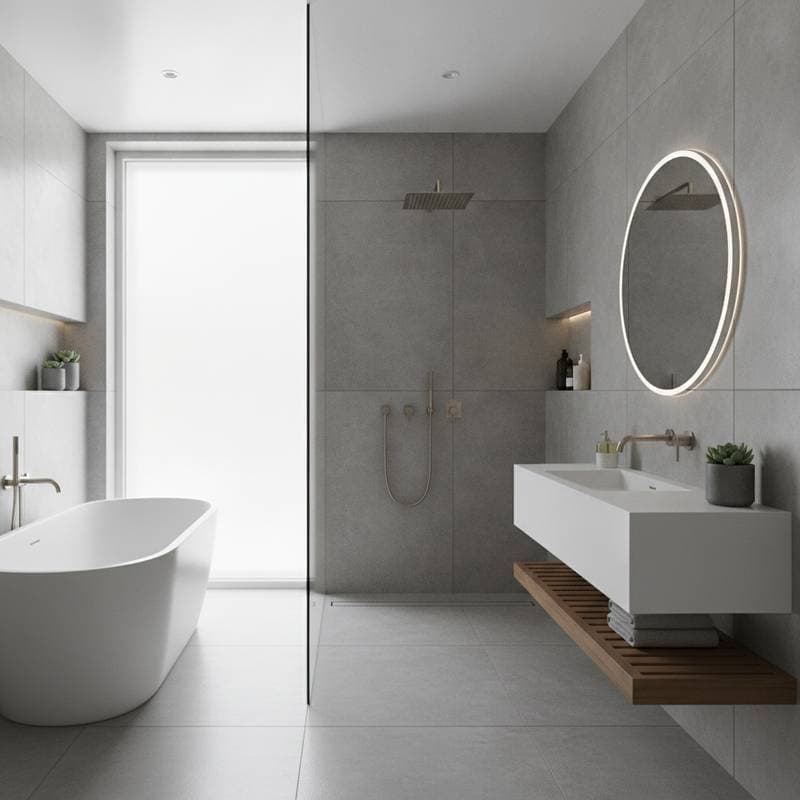
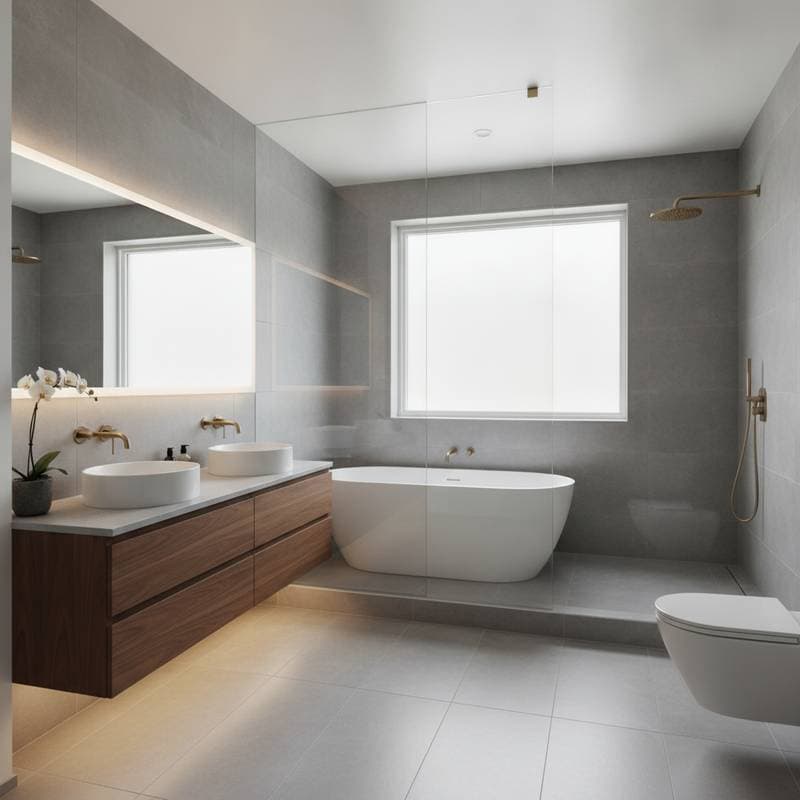
A wet room transforms the entire bathroom into a fully waterproofed area, eliminating traditional barriers such as bathtubs and shower enclosures. This open-concept design features a seamless floor that slopes gently toward a central drain, allowing water to flow freely without containment. Homeowners appreciate this approach for its modern appeal, ease of movement, and potential to increase property value.
These installations suit a variety of needs, from compact urban spaces to comprehensive aging-in-place modifications. In new constructions and renovations alike, wet rooms emerge as a preferred choice, blending functionality with sophisticated style. By 2025, they represent a smart investment that aligns with evolving preferences for barrier-free living.
Key Advantages and Potential Drawbacks
Wet rooms offer several compelling benefits that enhance both daily use and long-term property worth.
Advantages
- They create an illusion of expanded space, ideal for compact bathrooms where every inch counts.
- Cleaning becomes straightforward, as the absence of grout lines and enclosures minimizes dirt accumulation.
- Accessibility improves dramatically, with level-entry showers that support mobility aids and reduce fall risks for older residents.
- The contemporary look attracts buyers, often contributing to higher resale prices.
- Integration with radiant floor heating provides warmth and comfort underfoot.
However, potential challenges warrant careful consideration before proceeding.
Drawbacks
- Comprehensive waterproofing demands significant upfront investment.
- Inadequate ventilation may lead to excess moisture and related issues.
- Water can splash onto adjacent surfaces without proper containment measures.
- In multi-user households, the open layout might compromise a sense of privacy.
Balancing these factors ensures the design meets specific household requirements.
Weighing Costs and Return on Investment
The average cost to install a wet room ranges from $10,000 to $25,000, depending on size, materials, and location. Basic setups in smaller spaces start around $10,000, while luxury versions with premium tiles and fixtures approach $25,000. Factor in expenses for demolition, plumbing adjustments, and waterproofing membranes, which form the foundation of a leak-proof system.
In terms of return, a quality wet room can elevate home value by 3 to 5 percent, translating to approximately $15,000 for a median-priced property. Real estate experts note that buyers prioritize accessible, low-maintenance features in today's market. Replacing an outdated tub with this modern alternative often recoups 70 to 80 percent of installation costs upon resale, making it a worthwhile endeavor.
Installation: DIY Considerations Versus Professional Expertise
Creating a wet room involves complex steps, including floor preparation, drainage setup, and waterproofing application. Professionals typically complete the project in 5 to 10 days, while DIY efforts may extend to several weeks due to the learning curve.
Essential tools include a tile saw for precise cuts, applicators for waterproof membranes, specialized drain kits, and trowels for leveling compounds. The process demands accuracy in creating a subtle floor slope, usually 1/4 inch per foot, to direct water effectively.
Risks escalate with amateur attempts, particularly in waterproofing and drainage, where errors invite leaks, mold growth, and structural damage. Experts recommend hiring licensed contractors for core elements like plumbing rerouting and membrane installation. Homeowners can handle finishing touches, such as tiling or fixture mounting, once the structural base proves sound.
To select a reliable professional, obtain multiple quotes, verify certifications in plumbing and tiling, and request references from similar projects. A detailed contract should outline timelines, materials, and warranty coverage.
Essential Maintenance for Longevity
Proper upkeep extends the lifespan of a wet room to 15 to 25 years. Schedule annual inspections of grout lines and sealants to detect early signs of wear. Monthly drain cleaning prevents clogs from soap residue and hair, using enzyme-based cleaners for gentle effectiveness.
Replace deteriorated seals promptly to maintain waterproof integrity. Many systems include 10-year warranties on membranes, providing peace of mind against defects. In high-use environments, consider professional resealing every five years to sustain performance.
Adapting to Regional and Environmental Factors
Local conditions influence wet room design and materials. In humid areas, install powerful exhaust fans rated for continuous operation to combat moisture buildup. Colder climates pair well with underfloor heating systems, which circulate warm water through embedded pipes for efficient, even heat distribution.
Coastal regions necessitate corrosion-resistant fixtures, such as stainless steel or marine-grade alloys, to withstand salt exposure. Municipal regulations often mandate permits and inspections for plumbing alterations and waterproofing compliance. Consult local building codes early to avoid delays or fines.
Prioritizing Safety in Design and Construction
Safety features form the cornerstone of any wet room installation. Select slip-resistant tiles with a high coefficient of friction, certified for wet environments by industry standards. Position ground-fault circuit interrupter outlets within reach of water sources to prevent electrical hazards.
Secure all permits for plumbing and structural modifications before work begins. Conduct thorough flood testing post-waterproofing but pre-tiling, allowing water to run for several hours to verify containment. Incorporate grab bars and non-slip mats for added stability, especially in accessible designs.
Steps to Implement Your Wet Room Project
Begin by sketching a layout that optimizes space and flow, considering fixture placement and drainage location. Gather quotes from at least three licensed professionals, comparing their approaches to waterproofing, such as sheet membranes versus liquid-applied coatings.
Review material options, from porcelain tiles for durability to glass partitions for subtle division. During construction, monitor progress to ensure proper sloping and sealing. Upon completion, the result delivers a modernized bathroom that enhances functionality, accessibility, and home value.
Realizing Lasting Benefits Through Thoughtful Execution
A meticulously crafted wet room not only resolves accessibility challenges but also infuses everyday routines with luxury and ease. Homeowners enjoy a space that adapts to life's stages, from family demands to retirement needs. This upgrade positions your property as forward-thinking, appealing to discerning buyers and securing substantial returns on your investment.