Transition from Tubs to Wet Rooms: Achieve a 15 Percent Increase in Home Value by 2025
Installing a complete wet room can elevate a property's market value by up to 15 percent. Property owners increasingly opt to replace conventional bathtubs with seamless, fully waterproof shower areas that expand the perceived size of compact bathrooms and introduce a contemporary aesthetic. These designs suit demanding family schedules, older individuals seeking ease of use, and those pursuing upgrades that demand minimal ongoing care.
Wet rooms eliminate barriers between the shower and the rest of the bathroom, creating a fluid, open environment. This approach not only modernizes the space but also aligns with broader trends toward minimalist and functional interiors. As real estate preferences shift toward accessible and efficient layouts, wet rooms emerge as a strategic investment for future resale.
Overview of Installation Costs
Across the nation, the average expense for converting a bathroom into a full wet room ranges from $10,000 to $25,000. Projects at the mid-range level typically cost between $12,000 and $18,000, covering standard materials and labor. Premium installations featuring natural stone tiles, linear drainage systems, and bespoke glass enclosures may exceed $30,000.
Several elements influence the total investment. The dimensions of the current bathroom play a significant role, as larger areas require more materials and time. Choices in waterproofing technologies, such as sheet membranes or liquid-applied coatings, add to expenses, as do selections in tile types—from porcelain to premium imports—and the intricacy of patterns. Additional factors include the type of drain system, necessary adjustments to floor gradients, regional labor rates, and any required permits.
Homeowners should budget for unexpected adjustments, such as reinforcing subfloors or rerouting plumbing lines. Obtaining multiple estimates from certified contractors helps identify cost-saving opportunities without sacrificing quality. In the long term, these investments often yield returns through enhanced property appeal.
Advantages and Disadvantages
Key Advantages
- Enhances overall resale value and visual allure, attracting buyers who prioritize modern features.
- Maximizes available floor area, particularly beneficial in confined bathroom settings.
- Promotes accessibility by providing barrier-free entry, ideal for individuals with mobility challenges.
- Simplifies cleaning routines due to reduced crevices, grout lines, and hidden surfaces.
- Integrates seamlessly with underfloor heating systems for added comfort in cooler climates.
Wet rooms offer a spa-like experience that elevates daily routines. Their design supports universal accessibility standards, making them suitable for multigenerational households. The open layout also facilitates natural light flow, brightening the entire space.
Potential Drawbacks
- Demands meticulous waterproofing to prevent moisture damage to surrounding structures.
- May convey a sense of exposure or chill in the absence of enclosing doors or screens.
- Typically requires skilled professional intervention, limiting options for independent efforts.
- Involves a greater initial outlay compared to basic shower overhauls.
Despite these challenges, proper planning mitigates most issues. For instance, incorporating heated floors addresses temperature concerns, while strategic glass partitions provide privacy without compromising the open feel. Weighing these factors against personal needs ensures a worthwhile upgrade.
Varieties of Wet Room Designs
Complete Wet Room
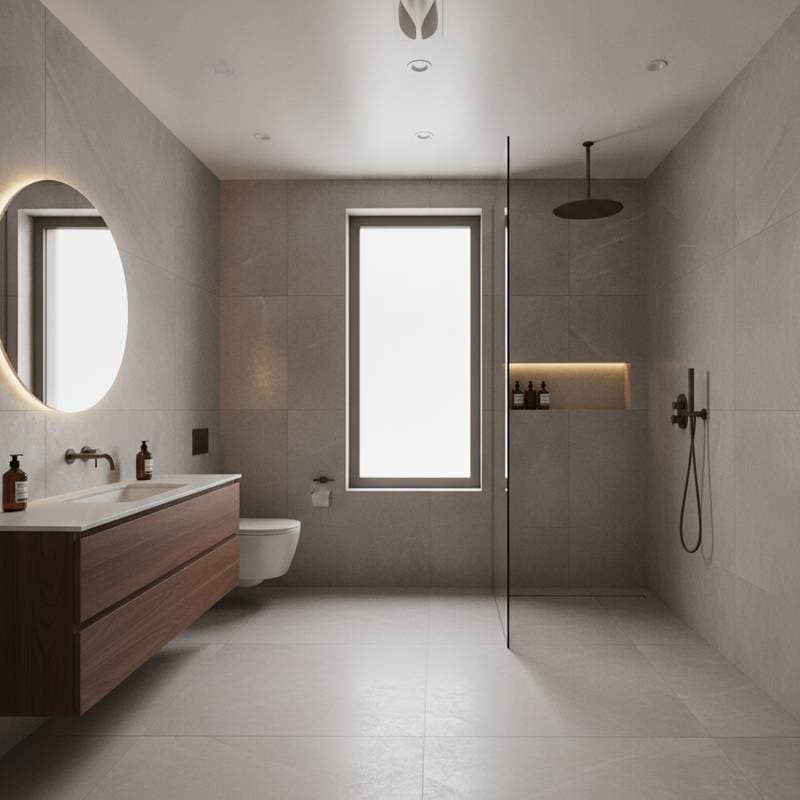
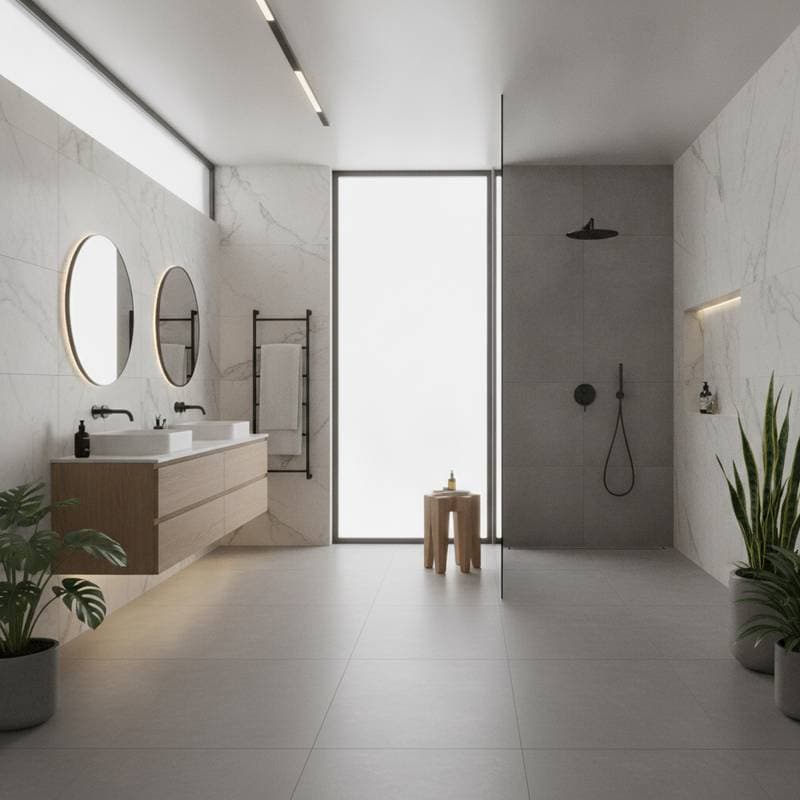
This configuration waterproofs the entire bathroom, removing all partitions or curbs. It suits newly constructed or thoroughly renovated properties seeking a fully integrated, luxurious atmosphere.
Semi-Enclosed Wet Room
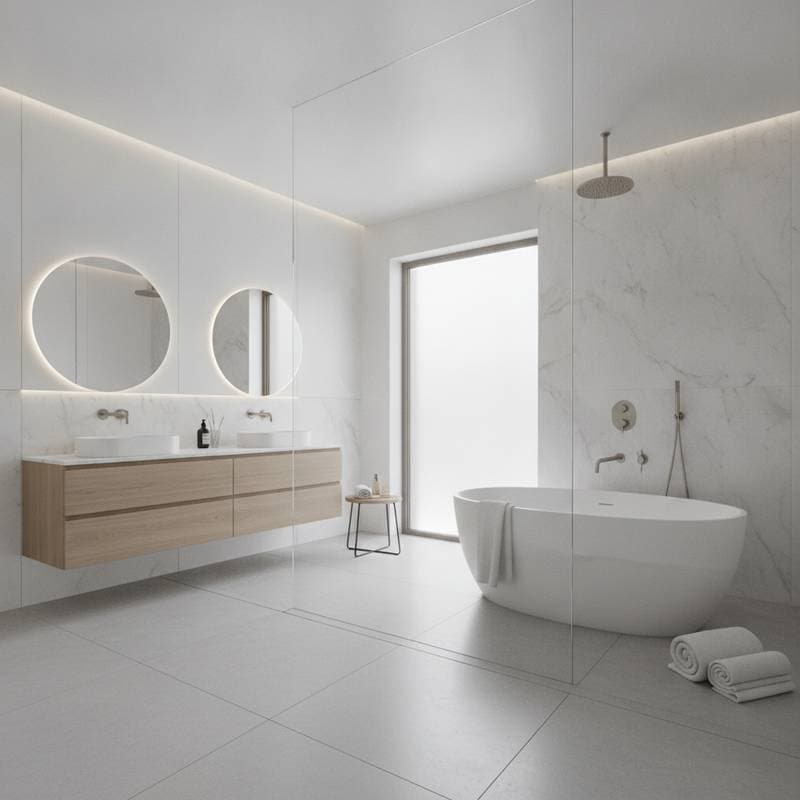
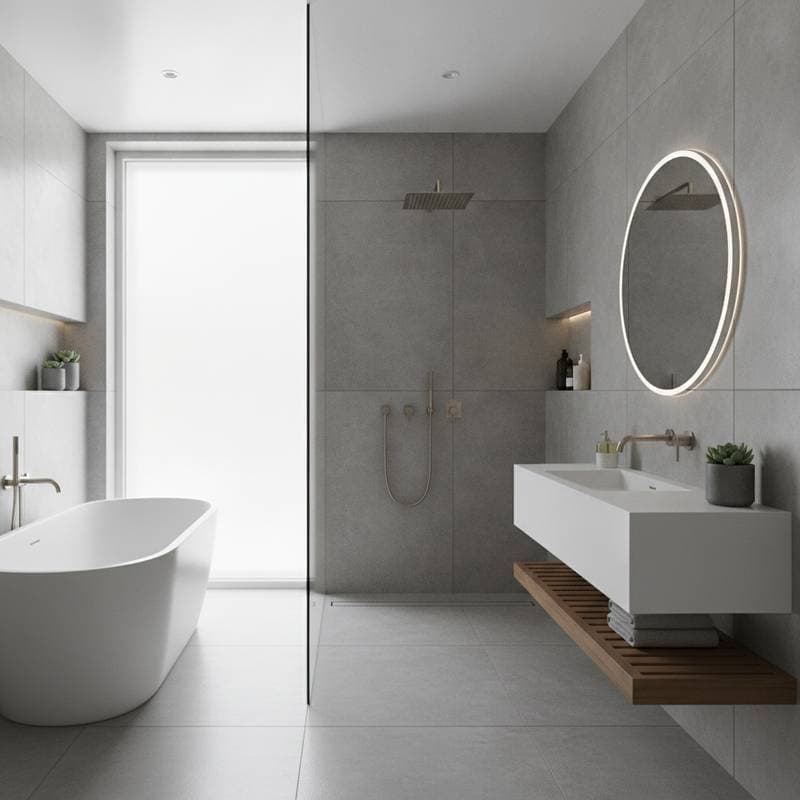
Here, the shower area features a glass divider or low partition to contain water spray. This option proves practical for existing bathrooms where comprehensive waterproofing presents logistical hurdles.
Space-Efficient Wet Room
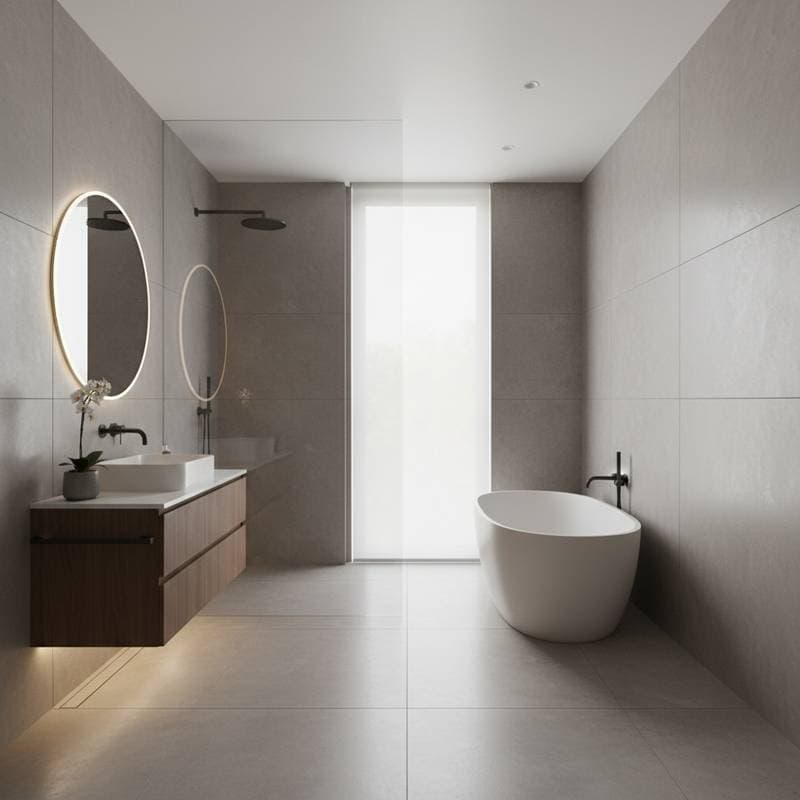
Tailored for petite or elongated bathrooms, this version often supplants a standard tub. It excels in apartment units or secondary bathrooms, optimizing every inch of available space.
High-End Wet Room
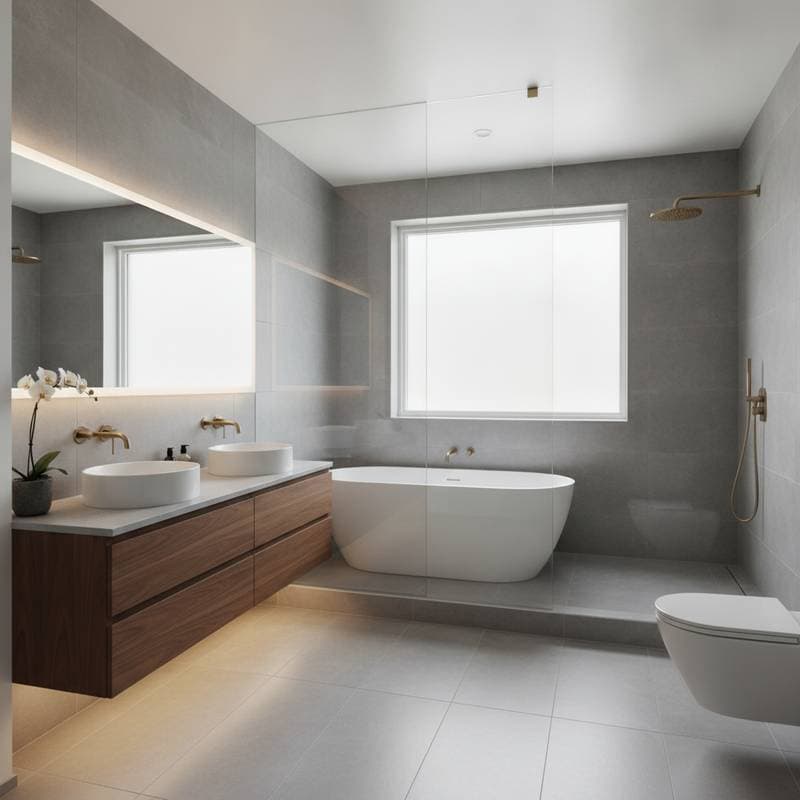
Incorporating oversized tiles, overhead rainfall showers, and integrated lighting, this design evokes a professional spa retreat. Custom elements like frameless glass and ambient features elevate the sensory experience.
Selecting the appropriate type depends on bathroom size, budget, and lifestyle preferences. Consulting with designers early allows for personalization, such as incorporating smart controls for lighting and water flow. Each variant balances functionality with aesthetic appeal.
Professional Installation Versus DIY Approaches
Wet room projects involve intricate elements like impermeable barriers, graded flooring, and accurate drain positioning, rendering them unsuitable for novices. Individuals with advanced skills in tiling and plumbing might attempt portions, but risks of leaks or structural issues loom large. The majority of owners engage qualified specialists to guarantee compliance and durability.
Professional timelines span five to ten business days for routine conversions, depending on scope. Essential tools encompass a wet tile saw for precise cuts, a spirit level for even slopes, notched trowels for adhesive application, and comprehensive waterproofing kits. Properties with wooden underlayments, intricate pipework, or load-bearing modifications necessitate expert oversight to avoid costly repairs.
Hiring certified professionals ensures adherence to building codes and manufacturer warranties. Verify credentials through licensing boards and review portfolios of similar projects. This step safeguards the investment and upholds safety standards.
Essential Installation Steps
- Demolish the existing tub, surrounding finishes, and any outdated fixtures.
- Evaluate the subfloor integrity and underlying framework for necessary reinforcements.
- Apply a robust waterproof membrane and create a gentle incline directing water to the drain.
- Position the primary drain and connect all plumbing components securely.
- Install and grout tiles on walls and floors, ensuring uniform alignment.
- Seal expansion joints and perform thorough leak tests under simulated use.
- Add optional glass screens or functional accessories like shelving.
- Finalize with surface cleaning and verify optimal water runoff.
Following these steps methodically prevents common pitfalls. Allow adequate curing time for membranes and adhesives to achieve full efficacy. Document the process for warranty claims and future reference.
Upkeep and Longevity
Maintain tile surfaces with a mild, pH-neutral cleaner applied weekly to prevent buildup. Reapply grout sealant biennially to preserve water resistance. Regularly examine silicone caulking for wear and replace as needed to block moisture intrusion.
A well-constructed wet room endures for over 20 years with diligent care. Many waterproofing systems include decade-long guarantees against infiltration. Periodic professional inspections, especially in high-use areas, extend service life and identify minor issues early.
Comparable Upgrade Options
- Curbless Shower Enclosures: Offer reduced expenses while providing some containment, suitable for moderate budgets.
- Combined Tub and Shower Units: Retain soaking capabilities for households with young children or therapeutic needs.
- Modular Accessible Showers: Feature prefabricated bases and walls for expedited installations in time-sensitive remodels.
These alternatives serve specific scenarios where full wet rooms may not align perfectly. Evaluate based on usage patterns and space constraints to select the most effective solution.
Regional Considerations
In coastal or metropolitan areas, labor expenses escalate due to demand and material availability. Structures with timber subfloors often require supplemental concrete boards or advanced moisture barriers. Municipal regulations typically mandate integrated floor drains and powered exhaust systems.
Consult local authorities on gradient specifications and membrane certifications prior to starting work. Adapting to site-specific conditions, such as humidity levels or seismic requirements, ensures compliance and performance. These adjustments may influence overall budgeting.
Return on Investment and Market Impact
Prospective buyers increasingly seek bathrooms with unobstructed, user-friendly designs. Industry professionals note that properties featuring thoughtfully executed wet rooms command offers up to 15 percent above comparable listings. This premium reflects the perceived modernity and convenience.
The upgrade appeals to diverse demographics, from young professionals to retirees. In competitive markets, such enhancements differentiate listings and accelerate sales. Track local trends through real estate reports to time the project optimally.
Prioritizing Safety Features
Waterproof installations must conform to ANSI A118 guidelines for reliability. Select tiles with a minimum dynamic coefficient of friction of 0.42 when wet to minimize slip hazards. Ensure electrical outlets incorporate ground-fault circuit interrupter protection, and provide sufficient exhaust fans to control humidity.
Incorporate grab bars and non-slip mats for added security, particularly in accessible designs. Test all systems post-installation to confirm functionality. These measures not only protect users but also enhance insurability.
Steps to Implement Your Wet Room Upgrade
Begin by measuring the bathroom precisely and establishing a realistic financial plan. Solicit bids from at least three vetted bathroom remodeling experts. Familiarize yourself with jurisdiction-specific building codes to anticipate any demolition constraints.
A meticulously crafted wet room delivers enduring comfort, heightened security, and tangible appreciation in property worth. This transformation turns a functional space into a refined sanctuary, aligning with evolving homeowner expectations.