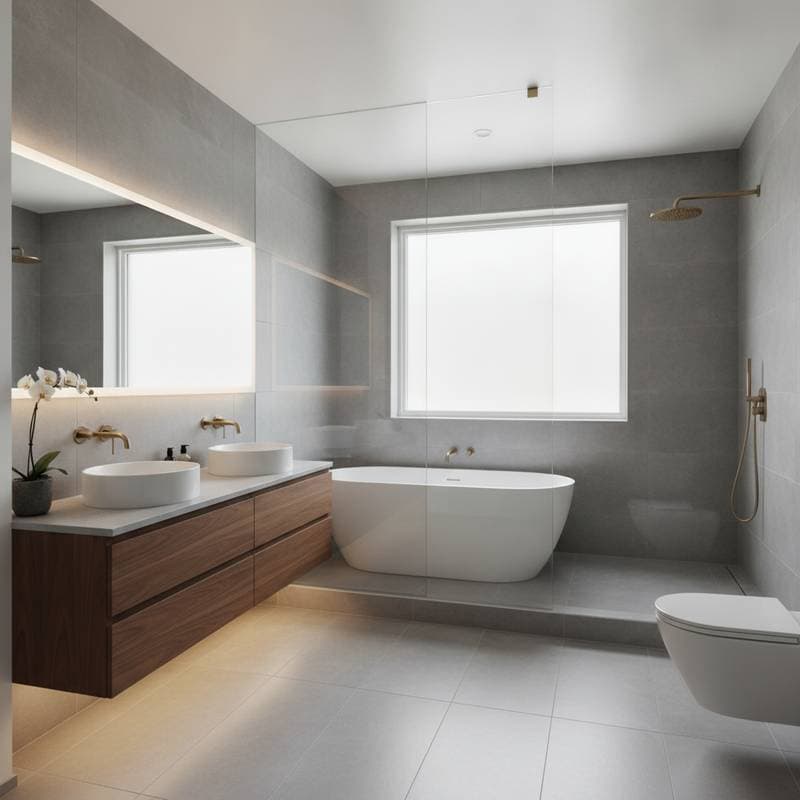
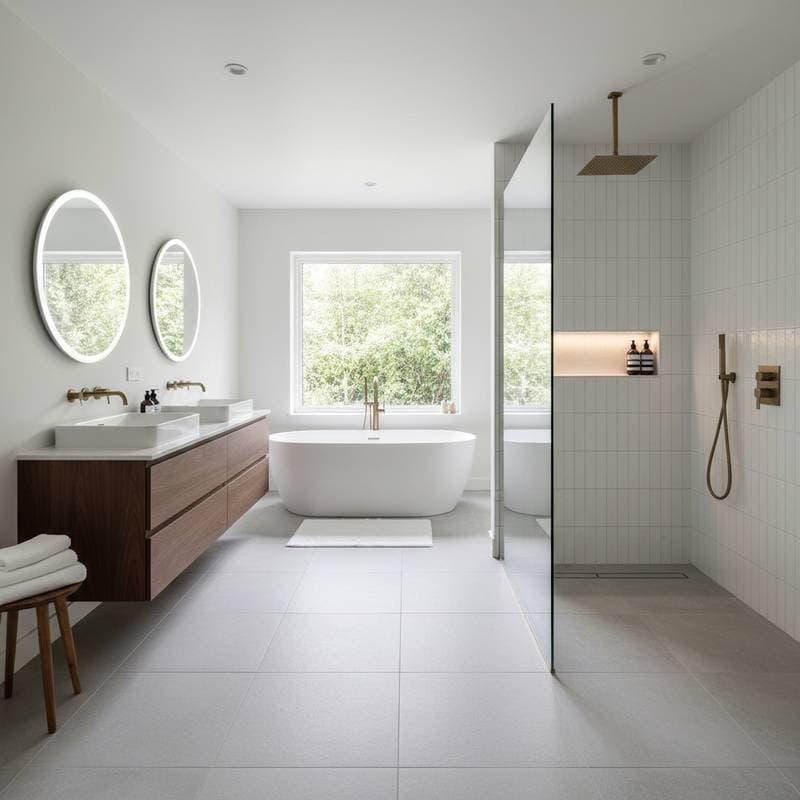
Introduction to Wet Rooms and Their Value Boost
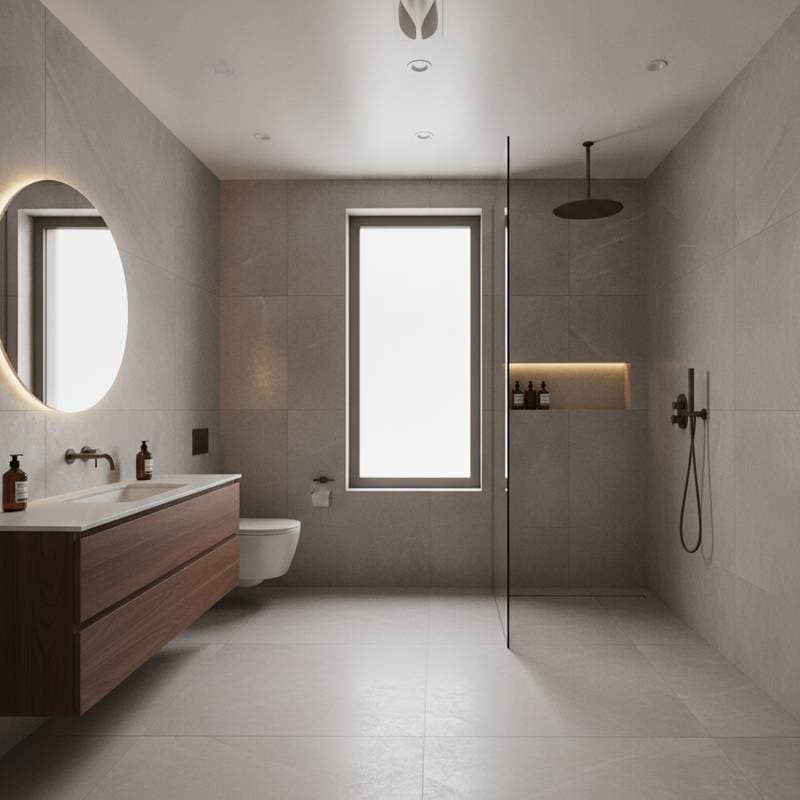
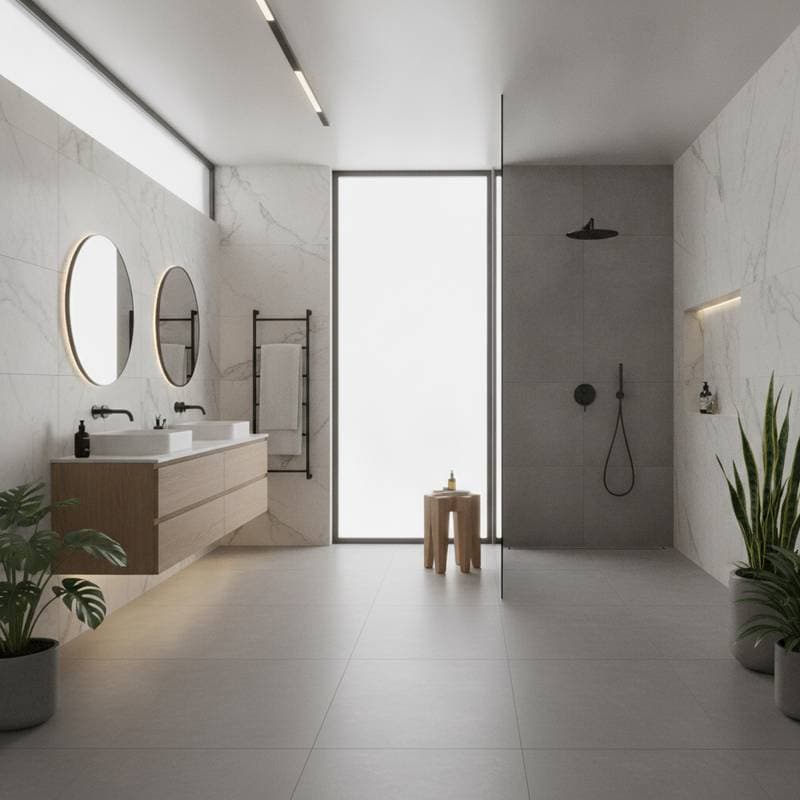
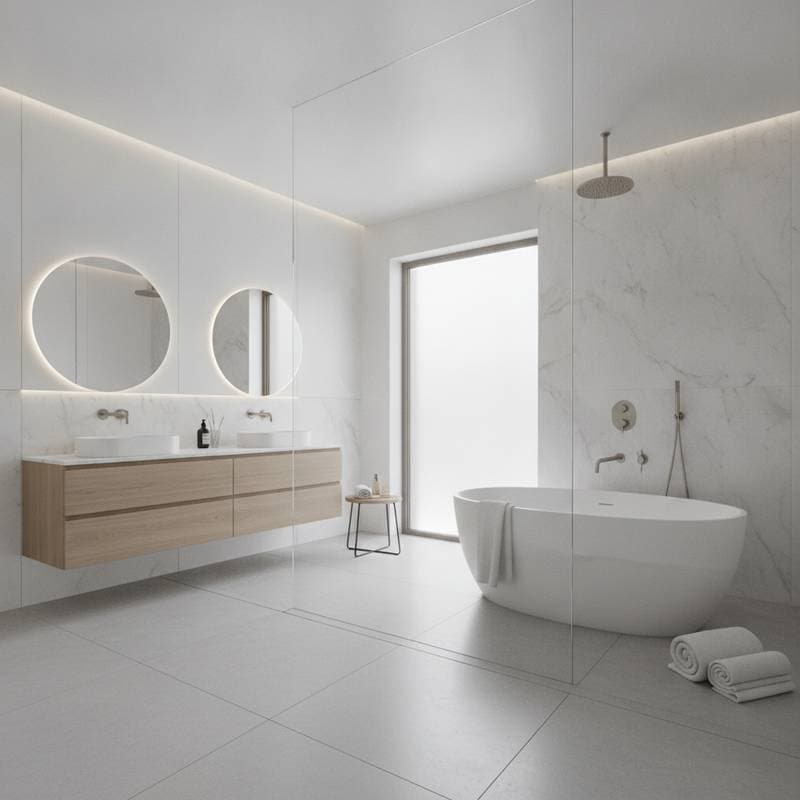
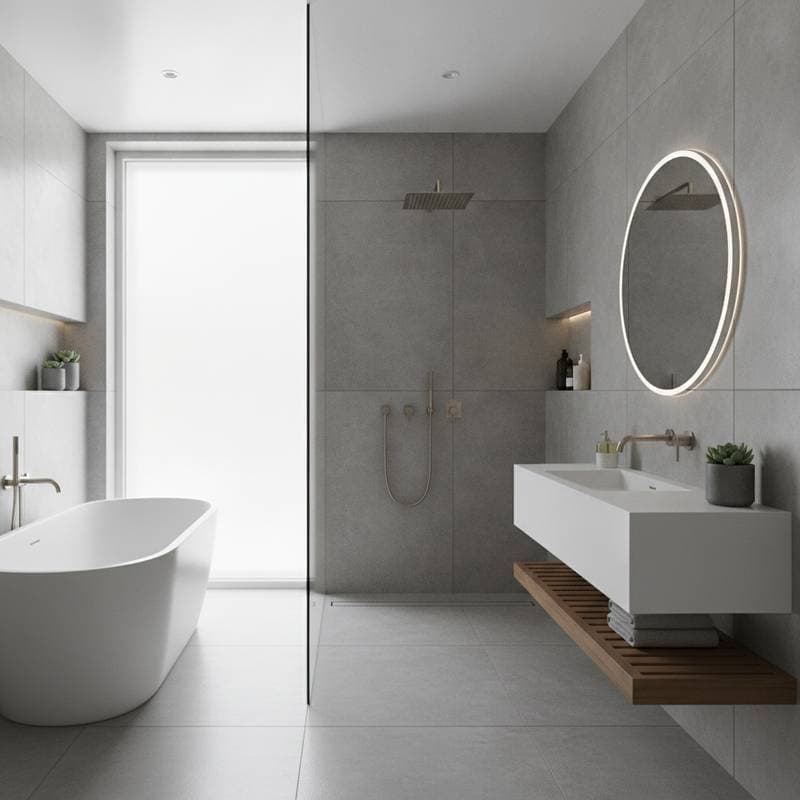
Wet rooms represent a seamless integration of shower and bathroom space, featuring fully waterproofed floors and walls without traditional enclosures. This design choice creates an open, luxurious environment that appeals to contemporary buyers. In 2025, real estate experts predict that well-executed wet rooms will add approximately 15% to a home's resale value, driven by demand for accessible, low-maintenance features.
Homeowners who invest in these renovations often recoup costs quickly through improved marketability. The key lies in selecting durable materials and professional installation to ensure longevity. This article outlines practical steps to achieve that value increase while enhancing daily comfort.
Key Benefits for Resale and Lifestyle
Wet rooms offer more than aesthetic upgrades; they provide functional advantages that resonate with buyers. The barrier-free layout improves accessibility, making spaces suitable for all ages and abilities. Easy cleaning reduces upkeep time, a factor that influences purchasing decisions in fast-paced markets.
From an investment perspective, these renovations signal quality craftsmanship. Properties with modern bathrooms sell faster and at higher prices, according to industry trends. Focus on elements like efficient drainage and ventilation to maximize appeal and avoid common pitfalls that diminish returns.
Design Choices That Maximize Return on Investment
Floor Slope and Drain Options
Proper floor sloping ensures water flows efficiently to the drain, preventing puddles that lead to stains or slips. Aim for a gentle 1-2% gradient across the entire floor area. Linear drains along the wall provide a sleek, unobtrusive appearance that enlarges the perceived space, often justifying a premium price from discerning buyers.
Tile and Material Selection
Opt for tiles with high slip resistance, targeting a dynamic coefficient of friction (DCOF) of at least 0.42 to meet safety standards. Larger format tiles, such as 24x48 inches, minimize grout lines and simplify maintenance. Neutral or light-colored options reflect natural light, making compact bathrooms feel more expansive and inviting.
Lighting and Ambiance Enhancements
Incorporate recessed LED fixtures designed for damp locations to eliminate shadows and highlight architectural details. Dimmable systems allow customization for relaxation or task lighting, evoking a spa-like retreat. Such features elevate the room's perceived luxury, contributing to higher buyer valuations.
Accessibility and Layout Considerations
Design with universal access in mind, including zero-threshold entries and at least 30 inches of clear space around fixtures. These adaptations attract a broader buyer pool, including those planning for future mobility needs. In 2025, accessibility will factor heavily into appraisals, potentially adding thousands to the final sale price.
Ventilation Systems
Select exhaust fans with a capacity of at least 50 cubic feet per minute, sized appropriately for the room's volume. Proper airflow prevents moisture accumulation, preserving grout integrity and reducing mold risks. High-quality systems extend the lifespan of all components, safeguarding your investment over time.
Good, Better, Best Investment Levels
Tailor your wet room to your budget while targeting optimal ROI. The following table compares tiers based on materials, features, and outcomes.
| Level | Material and Feature Examples | Expected ROI | Maintenance Level |
|---|---|---|---|
| Good | Standard porcelain tiles, central drain | 10% | Low |
| Better | Oversized porcelain tiles, linear drain | 12% | Medium |
| Best | Natural stone surfaces, underfloor heating, automated controls | 15% | Medium to High |
The better tier strikes a balance for most renovations, offering substantial upgrades without excessive costs. Evaluate your local market to align choices with buyer preferences.
Regional and Market Influences on Value
Location plays a critical role in wet room performance and appeal. In humid or coastal areas, prioritize robust waterproofing membranes to combat mold and corrosion, features that buyers scrutinize during inspections. Seamless drainage systems become essential here, directly impacting long-term durability and value.
Colder climates benefit from radiant floor heating, which enhances comfort and differentiates the property. Urban settings favor minimalist, open designs that optimize small footprints, while suburban homes may incorporate subtle enclosures for privacy and efficiency. Always consider material sourcing; local suppliers reduce delays and costs associated with imports.
Installation Essentials for Success
Preparation and Safety Measures
Before starting, assess your home's substructure for adequate support and moisture barriers. Allocate a budget of $10,000 to $25,000, depending on size and finishes. Essential safety gear includes gloves, eye protection, knee pads, and a respirator for tasks like tile cutting.
Hire certified contractors experienced in wet room systems. Obtain at least three detailed quotes, reviewing portfolios of completed projects. Verify certifications from membrane manufacturers to ensure compliance with building codes.
Timeline and Execution Steps
Plan for a 5- to 10-day installation, scheduling during low-humidity periods to aid curing. Begin with waterproofing the substrate using liquid-applied membranes or sheet systems. Install the sloped floor, followed by drainage, tiling, and fixtures.
Double-check measurements before ordering materials to avoid waste. Reserve 10-15% of the budget for unforeseen repairs, such as reinforcing joists or rerouting plumbing. Document progress with photographs to demonstrate quality during resale.
Maintenance Strategies and Warranty Insights
Daily and Routine Upkeep
Maintain the space by rinsing surfaces weekly to remove soap residues. Employ pH-neutral cleaners that preserve sealant integrity without harsh chemicals. Regularly inspect grout for early signs of wear, addressing issues promptly to extend overall lifespan.
Long-Term Preservation Techniques
Reseal natural stone elements every two to three years to maintain water resistance. Clean ventilation fans quarterly and test drains biannually for clogs. These habits prevent common failures like sealant degradation from standing water.
Understanding Warranties
Professional installations often include 10- to 15-year warranties on waterproofing components. Tile and grout coverage varies by manufacturer but requires consistent maintenance to remain valid. Neglecting resealing or drain care can invalidate protections, so follow guidelines diligently.
Common Failure Points and Prevention
Grout lines typically show wear first, allowing water infiltration if ignored. Clear hair and debris from drains regularly to avoid backups that compromise seals. Proactive care ensures the wet room remains a value-adding asset for decades.
Securing Lasting Returns
A thoughtfully designed wet room transforms routine spaces into enduring enhancements. It streamlines daily use, appeals to future buyers, and delivers measurable financial gains. By prioritizing quality installation and ongoing care, homeowners position their property for peak performance in 2025's competitive market.