Understanding Wet Rooms and Their Impact on Home Value by 2026
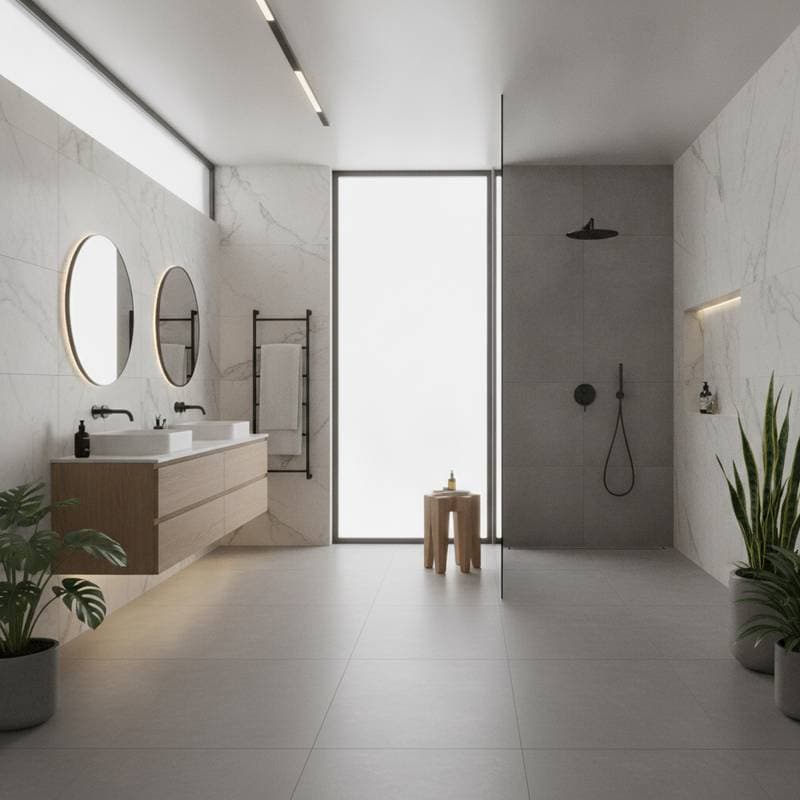
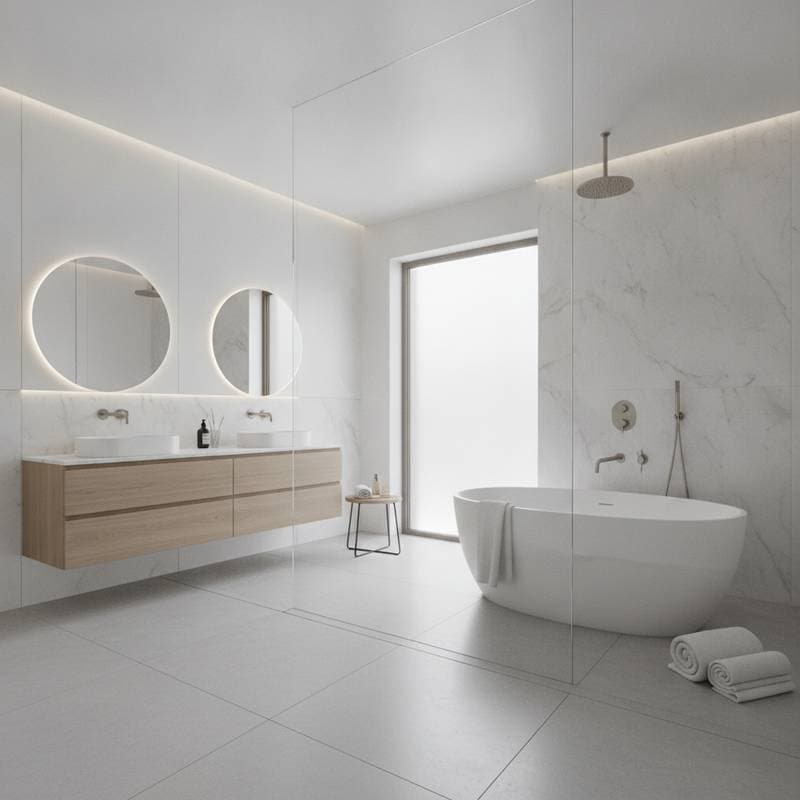
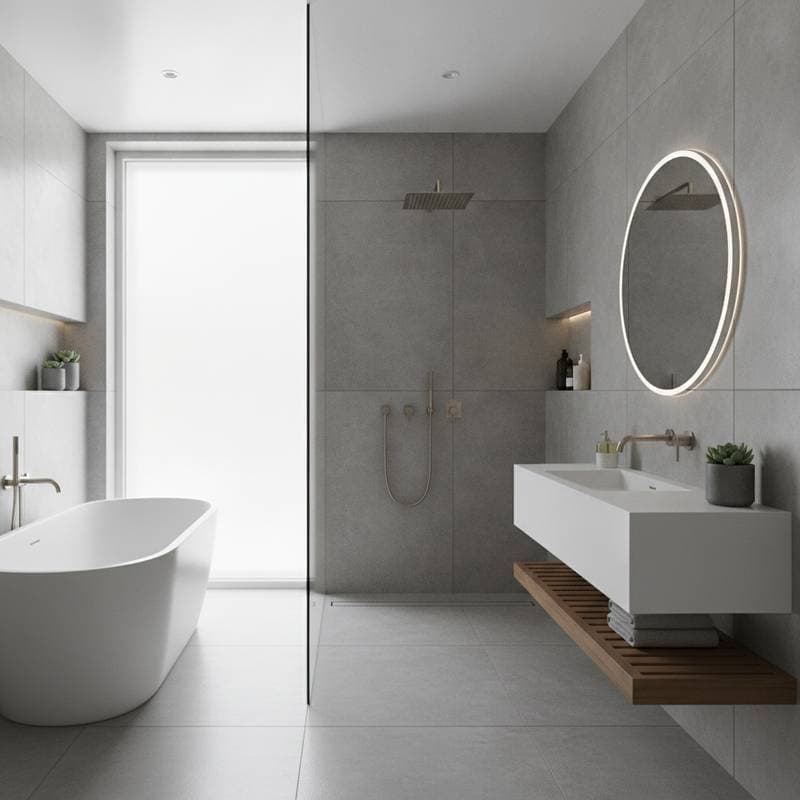
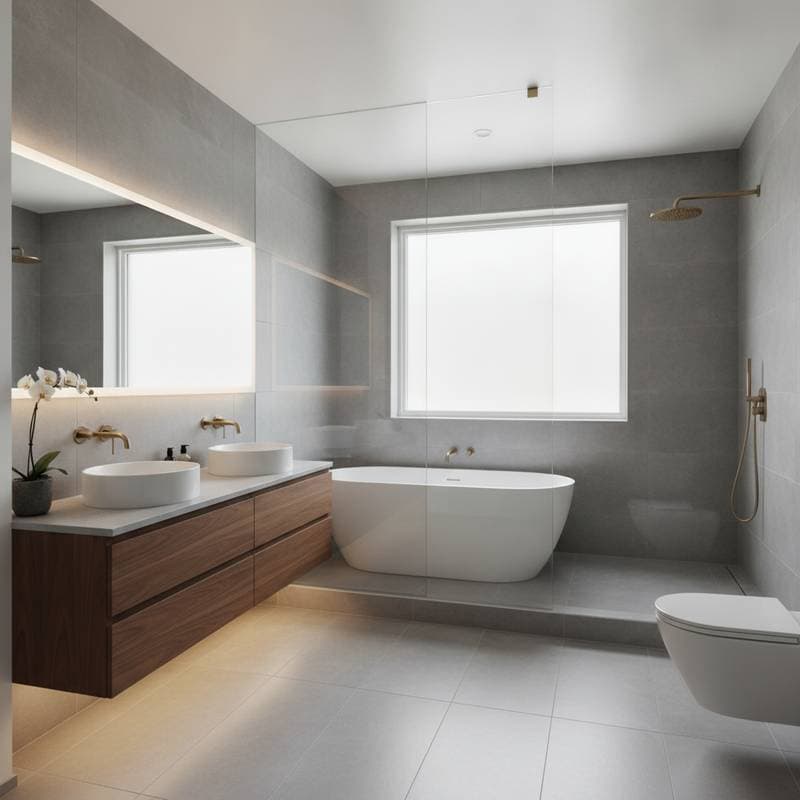
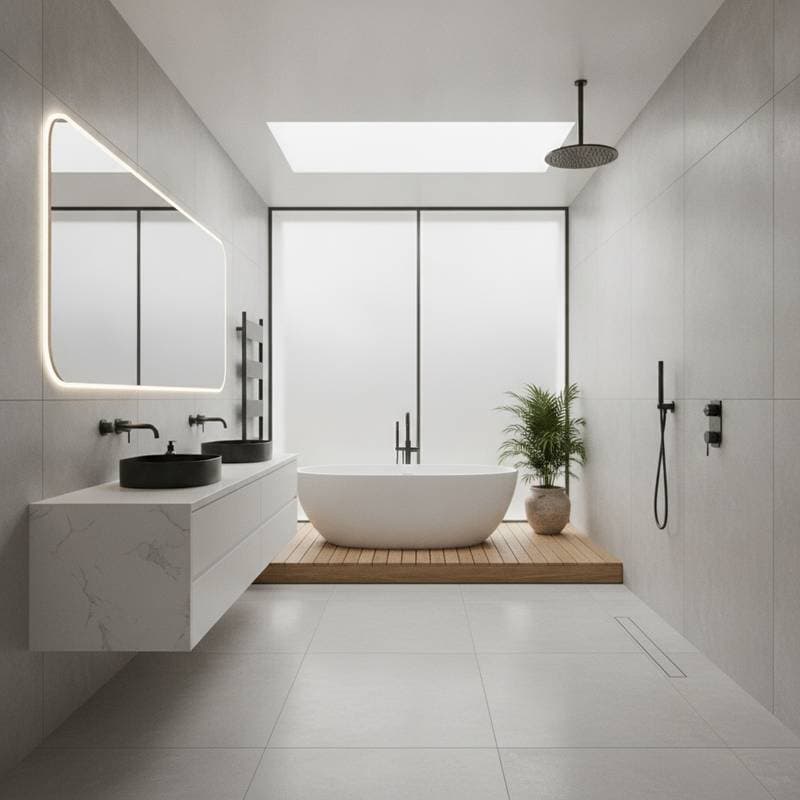
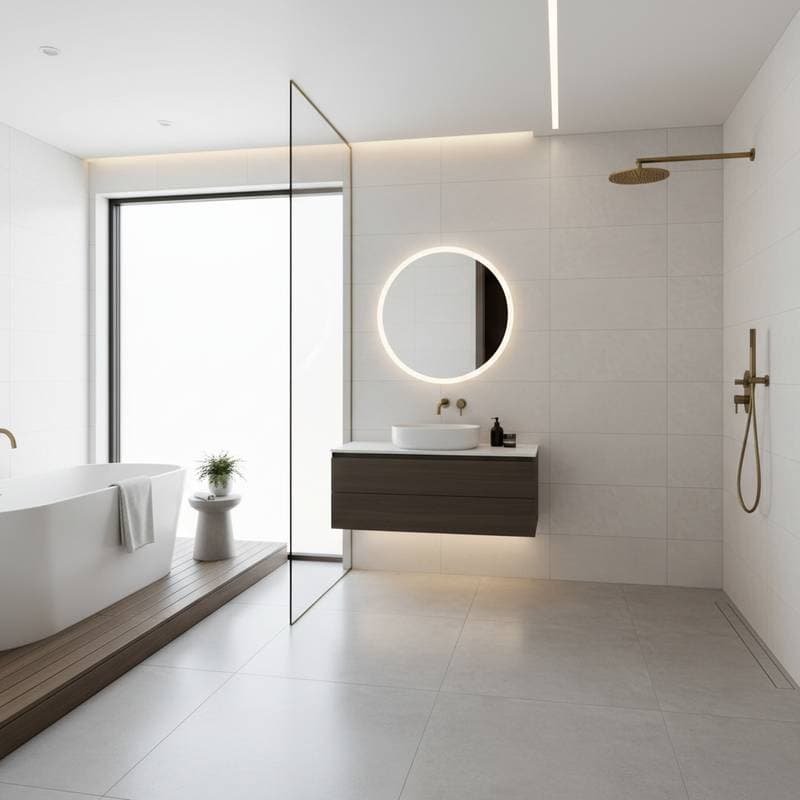
A wet room constitutes a fully waterproofed bathroom space where the shower integrates seamlessly with the floor level, allowing water to drain directly through the flooring system. This design eliminates the requirement for shower trays or enclosures, providing a streamlined appearance. Homeowners select wet rooms to achieve greater accessibility, facilitate effortless cleaning, and incorporate a modern aesthetic. In numerous properties, a professionally constructed wet room elevates resale potential and simplifies marketing efforts to potential buyers.
Wet rooms prove particularly advantageous in compact residences requiring optimized spatial use, in luxury renovations pursuing a minimalist style, and in homes prioritizing barrier-free access for all occupants. Projections indicate that such installations could contribute to a 15 percent increase in home value by 2026, driven by growing demand for adaptable and low-maintenance living spaces. This trend aligns with broader shifts toward inclusive design in residential architecture.
Advantages and Disadvantages of Wet Rooms
Advantages
- Enhances resale value through innovative, barrier-free layouts that appeal to diverse buyers.
- Simplifies cleaning processes by removing shower doors and trays that accumulate grime.
- Promotes accessibility for individuals with mobility challenges or aging in place.
- Optimizes space utilization in confined bathroom areas.
- Offers durability and complete watertightness when installed with precision.
Disadvantages
- Involves higher initial expenses compared to conventional shower setups.
- Demands expert waterproofing techniques to prevent potential leaks.
- Proves unsuitable for those new to DIY projects due to technical complexity.
- May feel cooler to the touch without the addition of underfloor heating.
- Requires adequate ventilation systems to mitigate excess moisture accumulation.
Comparing DIY Installation to Professional Services
The process of installing a wet room presents significant challenges, encompassing waterproofing applications, precise floor sloping, and meticulous drain placement. These elements demand attention to detail to ensure long-term performance.
Project Difficulty: High, suitable only for experienced individuals.
Estimated Time: Three to seven days when handled by professionals; extended durations apply to DIY attempts.
Essential Tools: Tile cutter, waterproof membrane kit, drain assembly kit, trowel, and spirit level.
For DIY enthusiasts with prior experience in tiling and plumbing, installation remains feasible. However, errors in waterproofing often result in concealed leaks, leading to costly remediation efforts down the line.
Professionals receive strong recommendation for the majority of projects. Certified installers guarantee appropriate floor gradients, comprehensive membrane application, and effective drainage systems. They also manage adherence to building codes, secure necessary permits, and coordinate inspections to verify compliance.
Maintenance Practices and Expected Lifespan
When installed correctly, a wet room endures for 25 years or longer, provided owners adhere to a consistent maintenance regimen. Regular upkeep preserves both aesthetics and structural integrity.
Recommended Maintenance Schedule:
- Wipe down tiles weekly using a mild, non-abrasive cleaner to remove soap residue and prevent buildup.
- Apply fresh sealant to grout lines and joints every two to three years to maintain waterproof integrity.
- Clear drains seasonally to avoid obstructions from hair or debris.
- Examine grout for cracks or signs of discoloration during routine checks.
Effective ventilation plays a crucial role in minimizing moisture-related issues. Install a fan with a capacity of 80 to 100 cubic feet per minute (CFM) to suit typical bathroom sizes. Warranties on waterproofing membranes typically span 10 to 15 years, while tiles and grout carry shorter coverage periods. Verify specific terms with manufacturers prior to commencing work.
Considering Local Influences on Wet Room Projects
Variations in regional labor costs and regulatory requirements influence the practicality of wet room installations. Homeowners must account for these factors to achieve optimal outcomes.
In humid environments, opt for waterproofing materials incorporating mold-resistant properties to safeguard against fungal growth. Coastal locations benefit from drains constructed of stainless steel or other corrosion-resistant alloys to withstand saline exposure. Colder regions necessitate underfloor heating systems not only for user comfort but also to accelerate surface drying and reduce slip risks.
Building permits often mandate inspections of waterproofing layers in certain areas. For older structures, evaluate and reinforce subflooring to support the added weight of tiles and mortar bedding. Markets with elevated property prices yield greater returns on wet room investments through premium finishes, whereas more affordable areas emphasize practical accessibility features over opulent details.
Prioritizing Safety in Wet Room Design
Given the constant exposure to water, wet rooms require stringent safety measures alongside robust waterproofing to protect occupants and the home's structure.
Position electrical outlets and switches at a minimum distance of three feet from the wet zone, and equip all related circuits with ground fault circuit interrupter (GFCI) devices. Adhere strictly to manufacturer specifications regarding membrane thickness and seam overlaps during application. Select flooring tiles with a matte or textured finish achieving a slip-resistance rating of R10 or above to minimize fall hazards.
Ensure drainage systems incorporate a gentle slope to facilitate complete water runoff, thereby preventing pooling that could foster mold development. Compliance with local permits typically involves professional inspections confirming waterproofing efficacy and drainage functionality. Neglecting these protocols risks water infiltration, compromised building elements, and electrical dangers.
Frequently Asked Questions
How do wet room costs compare to those of a standard bathroom renovation?
Wet rooms generally incur 20 to 40 percent higher expenses than traditional bathrooms, primarily due to extensive waterproofing and specialized tiling requirements.
Is upstairs installation of a wet room feasible?
Yes, provided the floor receives reinforcement and complete sealing. Incorporating lightweight backer boards helps distribute weight without overburdening the structure.
What types of flooring suit wet rooms?
Non-slip porcelain or natural stone tiles designed for wet environments provide ideal durability. For cost-conscious options, consider vinyl sheet flooring that maintains waterproof qualities.
Do wet rooms tend to make bathrooms feel colder?
The open design without enclosures can impart a cooler sensation. Counter this by integrating underfloor heating or installing towel warmers for added comfort.
What steps prevent leaks in a wet room?
Engage a seasoned installer, select high-quality membranes, and perform periodic seal inspections. Most leaks stem from inadequate waterproofing practices rather than inherent design flaws.
Steps to Implement Your Wet Room Upgrade
A thoughtfully executed wet room delivers enhanced comfort, aesthetic appeal, and enduring value to any residence. Begin the process by evaluating your existing plumbing configuration and assessing the floor's load-bearing capacity to identify potential modifications.
Solicit detailed quotes from no fewer than three licensed contractors possessing documented expertise in wet room constructions. Scrutinize their proposed waterproofing approaches and warranty provisions prior to finalizing agreements. To maximize resale advantages, emphasize uncluttered designs, resilient materials, and elements supporting universal access.
For personal enjoyment, incorporate practical enhancements such as radiant floor heating or integrated seating options. Beyond serving as a stylistic choice, a barrier-free bathroom functions as a versatile asset adaptable to evolving life needs. Through meticulous planning and skilled execution, your wet room investment yields reliable operation, straightforward maintenance, and a tangible uplift in property worth.