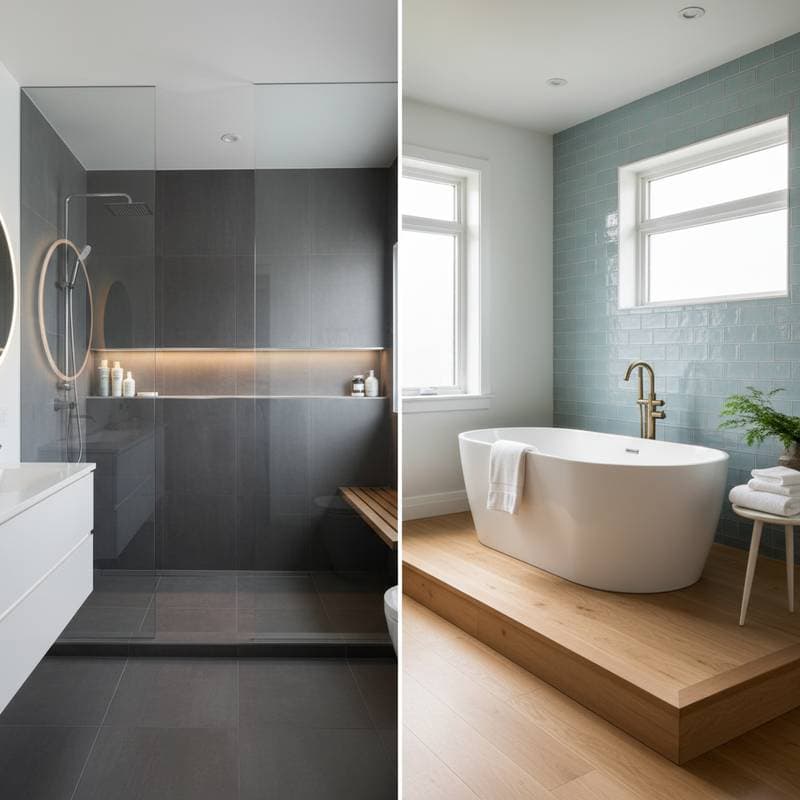
Wet Rooms Versus Tubs: Achieving a 15 Percent Increase in Home Value for 2025
Wet rooms and traditional bathtubs influence bathroom functionality and aesthetics in distinct ways. Homeowners often deliberate between an open, doorless shower configuration and a conventional bathtub arrangement to determine which option delivers superior comfort and property appreciation. Current design analyses indicate that properly waterproofed wet rooms enhance resale value by up to 15 percent. The optimal selection hinges on available space, financial resources, and daily routines.
Cost Overview
National Averages:
- Wet room: $12,000 to $22,000
- Tub installation: $4,000 to $9,000
Midrange Estimates:
- Wet room: $14,000 to $18,000
- Tub: $5,000 to $7,000
Premium Variations:
- Custom luxury wet room: $25,000 and above
- Spa-inspired soaking tub: $10,000 and above
Factors Influencing Expenses
- Bathroom dimensions
- Modifications to plumbing and drainage systems
- Quality of tiles and waterproofing materials
- Inclusion of glass enclosures and hardware
- Regional labor costs and required permits
These figures provide a baseline; local contractors can offer precise quotes based on specific project details.
Design Variations
Wet Room Configurations
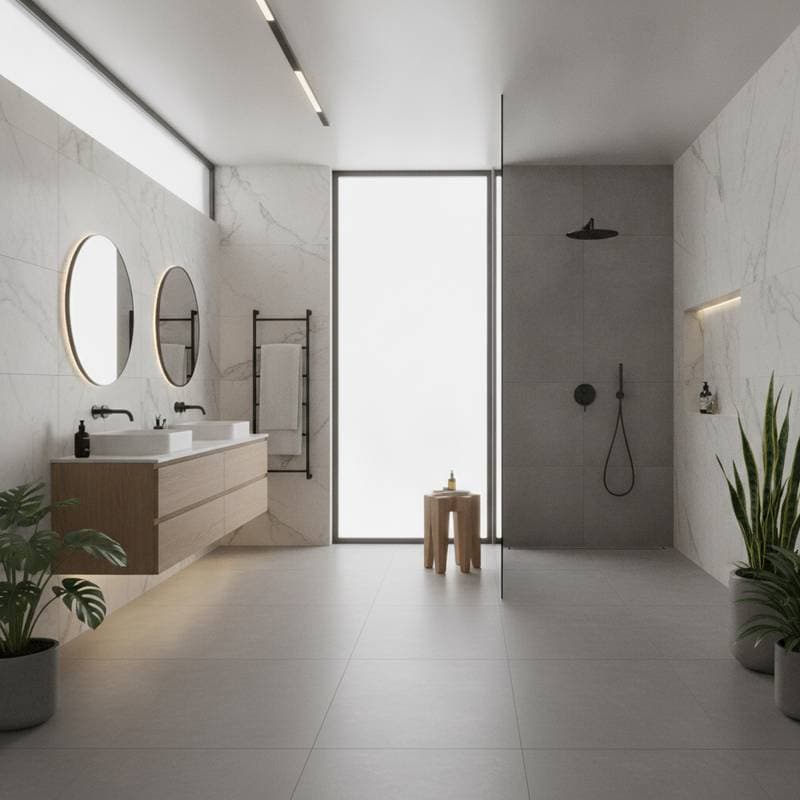
- Open-Plan Setup: Features no enclosures or dividers, perfect for compact or streamlined spaces.
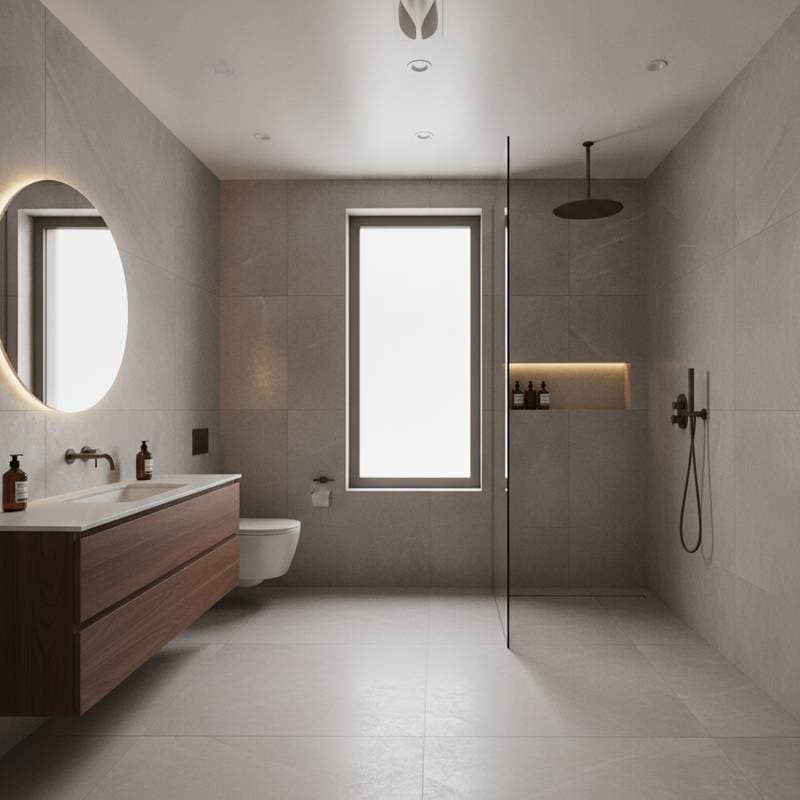
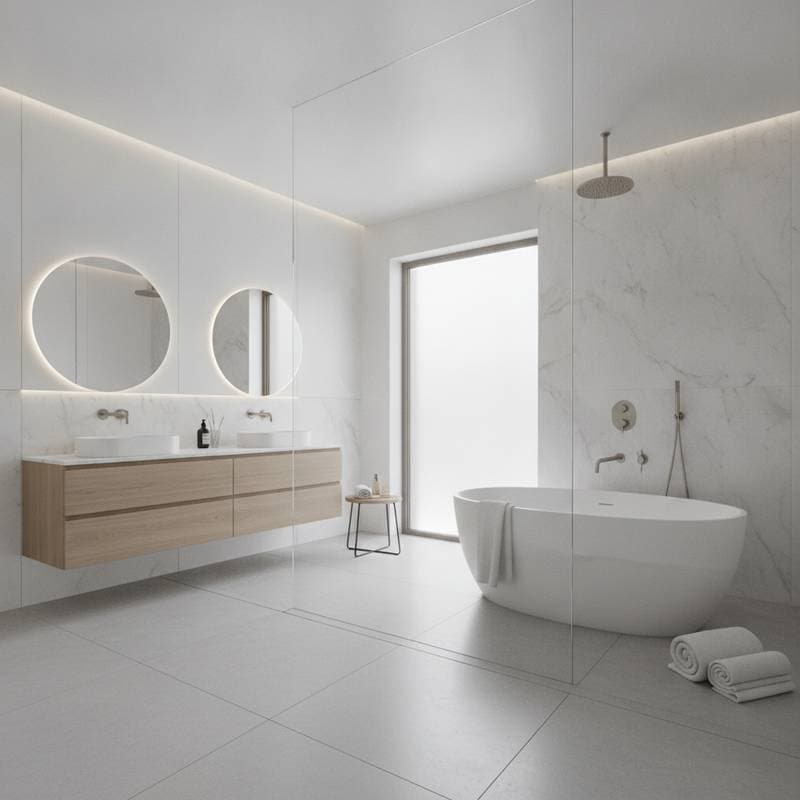
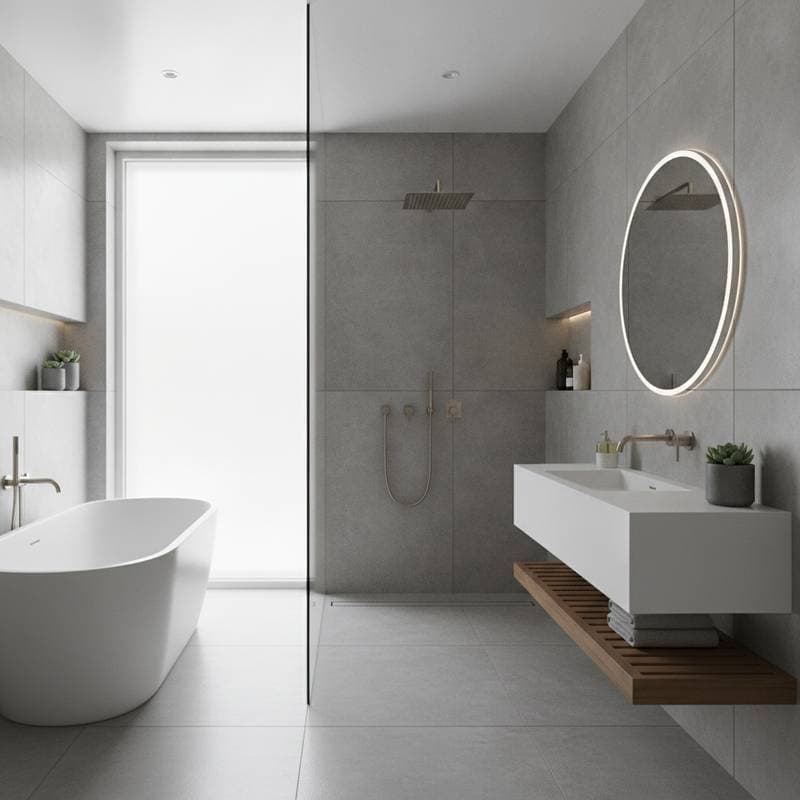
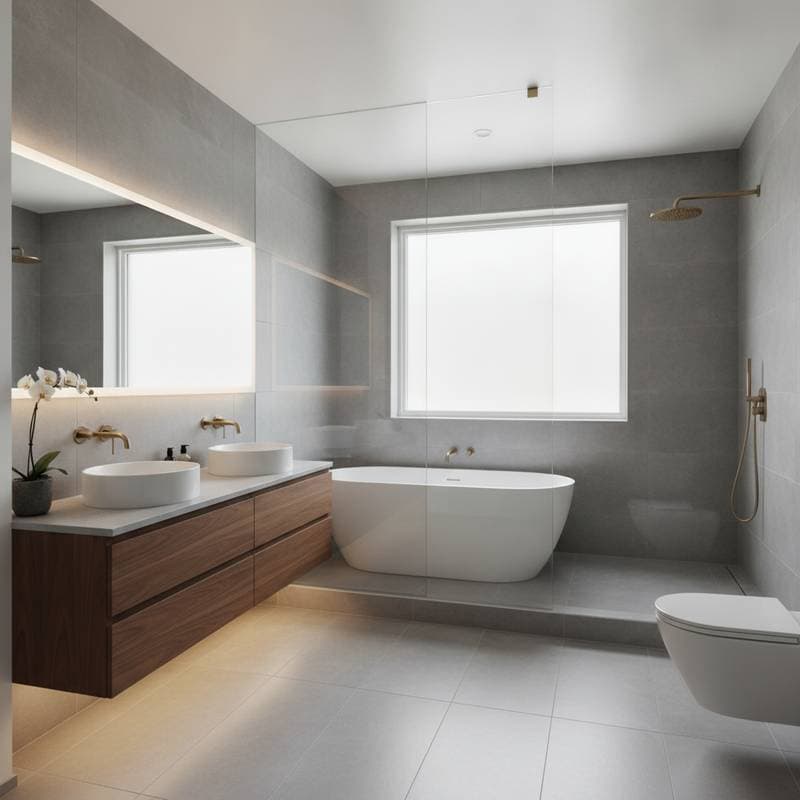
- Enclosed with Glass Panel: Incorporates a solitary transparent divider to minimize water spray while preserving an airy atmosphere.
- Accessible Level-Entry Design: Complies with standards for mobility, including broad access points and non-slip surfaces.
Tub Configurations
- Alcove-Mounted Tub: Positioned against three walls, this economical choice fits standard bathroom footprints.
- Independent Freestanding Tub: Serves as a focal artistic element, best suited for expansive areas.
- Hydrotherapy or Deep Soaking Tub: Provides therapeutic relaxation, though it demands reinforced flooring and advanced plumbing.
Each variation aligns with different priorities, from accessibility to luxury.
Installation Fundamentals
Wet Room Process
- Remove existing surfaces and hardware.
- Inspect subfloor for evenness and durability.
- Apply a waterproof liner to the floor and lower wall sections.
- Position a linear or central drainage system.
- Create a gentle incline toward the drain.
- Lay slip-resistant tiles on walls and floors.
- Seal edges and intersections thoroughly.
- Install a glass divider if applicable.
- Conduct leak tests prior to completing the finish.
Professional oversight ensures compliance with building codes and prevents future issues.
Tub Process
- Disconnect the water supply.
- Extract the existing tub and prepare the space.
- Verify floor levelness and structural support.
- Place the tub and attach the drain and overflow components.
- Fasten the tub to wall studs or floor anchors.
- Link water supply lines and verify operation.
- Seal perimeter edges with caulk.
- Add surrounding trim or tile work.
- Finalize with surface cleaning.
This sequence minimizes disruptions and guarantees a secure installation.
Complementary Choices
- Curb-Enclosed Walk-In Shower: Offers a simpler, more affordable modern alternative with enhanced accessibility.
- Combined Tub-Shower Unit: Retains bathing capabilities alongside efficient showering.
- Enclosed Steam Shower: Introduces high-end features, albeit with elevated expenses and upkeep.
- Space-Saving Corner Shower: Adapts to constrained areas, though it yields lesser value enhancement.
These options balance innovation with practicality for diverse needs.
Investment Return and Market Impact
A meticulously crafted wet room elevates property value by as much as 15 percent, particularly in progressive markets favoring seamless, inclusive designs. Real estate evaluators frequently highlight barrier-free, waterproof bathrooms as desirable upgrades.
Bathtubs retain strong appeal in residences oriented toward family living, especially those with several bathrooms. Properties featuring at least one tub broaden potential buyer interest. In single-bathroom dwellings, wet rooms provide greater uplift, whereas multi-bathroom setups gain from retaining a tub elsewhere.
Investment outcomes vary with material quality, execution precision, and target audience. Superior tiling and documented waterproofing build confidence among prospective purchasers and regulatory bodies.
Essential Safety Measures
Bathroom renovations entail hazards from water, electrical systems, and construction elements.
- Deactivate electricity before any work near receptacles or lighting.
- Install ground-fault circuit interrupter outlets in all bathroom zones per code requirements.
- Validate subfloor capacity for added weight from tiles and equipment.
- Engage certified plumbers for drainage adjustments.
- Secure permits for significant alterations to facilitate inspections and adherence to standards.
For wet rooms, verify membrane integrity prior to tiling. For tubs, ensure drain and overflow seals remain impervious before enclosing walls.
Frequently Asked Questions
Require wet rooms special flooring materials?
Yes. Opt for slip-resistant porcelain or ceramic tiles designed for moist environments. Sealed vinyl or rubber alternatives serve effectively as well.
Is upstairs installation feasible for a wet room?
Yes, provided structural reinforcement and comprehensive waterproofing occur. Consult a specialist to evaluate load-bearing capacity and gradient feasibility.
Which option favors resale value more, a tub or wet room?
Market conditions dictate the preference. Contemporary purchasers favor wet rooms, yet regions with family demographics value retaining a tub.
How to prevent water dispersion in a wet room?
Incorporate a linear drain paired with a subtle floor pitch. A single glass panel further directs spray.
Are permits necessary for wet room projects?
Local regulations typically mandate permits for plumbing shifts or waterproof modifications. Verify requirements with the municipal building authority prior to commencement.
Planning Your Upgrade
The decision between a wet room and tub reflects bathroom usage patterns and future sale strategies. Wet rooms deliver modernity, accessibility, and value growth. Tubs offer enduring utility for relaxation and family needs.
Solicit estimates from three qualified remodelers. Demand detailed breakdowns for waterproofing, tiling, and piping. Review portfolios of completed wet room installations. Thoughtful preparation ensures lasting comfort and financial benefits.