Wet Rooms: Achieve 15 Percent Return on Investment by 2026
A wet room renovation generally requires an investment of $18,000 to $32,000 and can elevate home value by approximately 15 percent. This boost stems from incorporating advanced waterproofing techniques and accessibility elements that appeal to contemporary buyers. Such upgrades not only enhance daily functionality but also position the property favorably in competitive real estate markets.
Key Cost Components
Wet rooms appear straightforward on the surface, yet they rely on intricate underlying systems. Primary expenses arise from meticulous waterproofing, effective drainage configurations, and durable surface materials. Understanding these elements helps homeowners allocate funds wisely and avoid unexpected overruns.
Waterproofing Systems
Effective waterproofing forms the foundation of any wet room. High-quality tanking membranes typically cost $3 to $6 per square foot. Neglecting this critical step risks moisture infiltration that damages subfloors and structural integrity. Homeowners should prioritize certified products installed by experienced professionals to ensure long-term protection.
Drainage and Floor Sloping
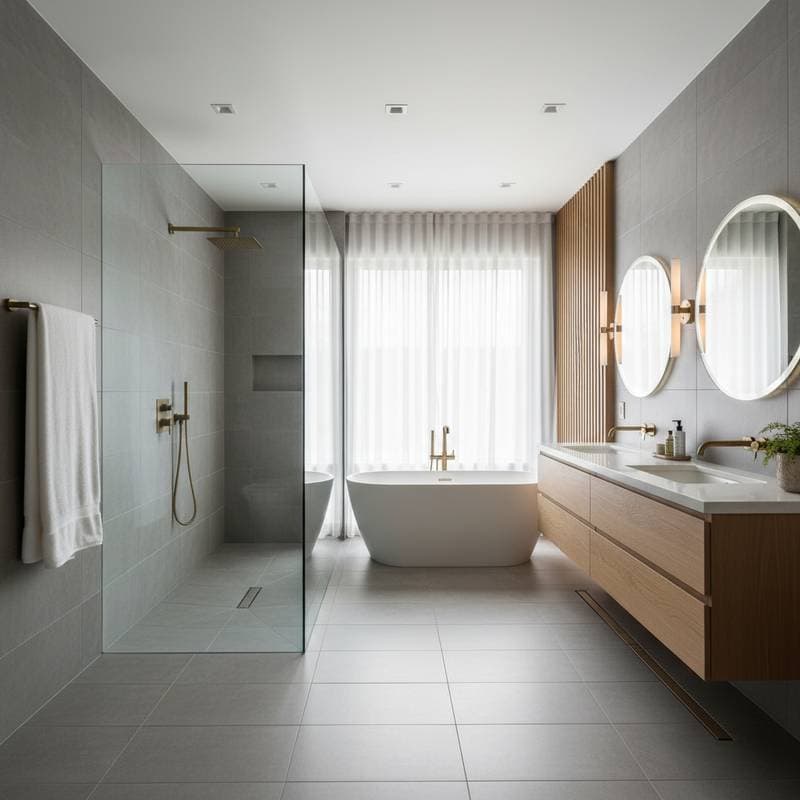
Proper drainage prevents water pooling and maintains a dry environment. Linear drains range in price from $300 to $800 per unit. Achieving the correct floor slope may require adjustments costing $1,000 to $2,500, particularly if existing slabs or joists demand modification. These investments safeguard against water damage and promote seamless water flow.
Tiling and Surface Finishes
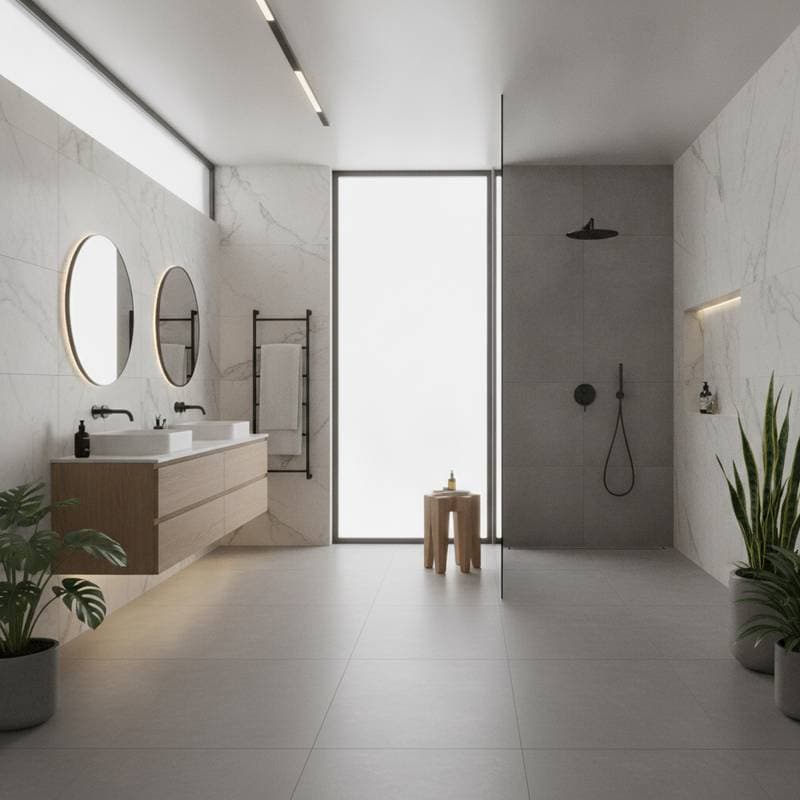
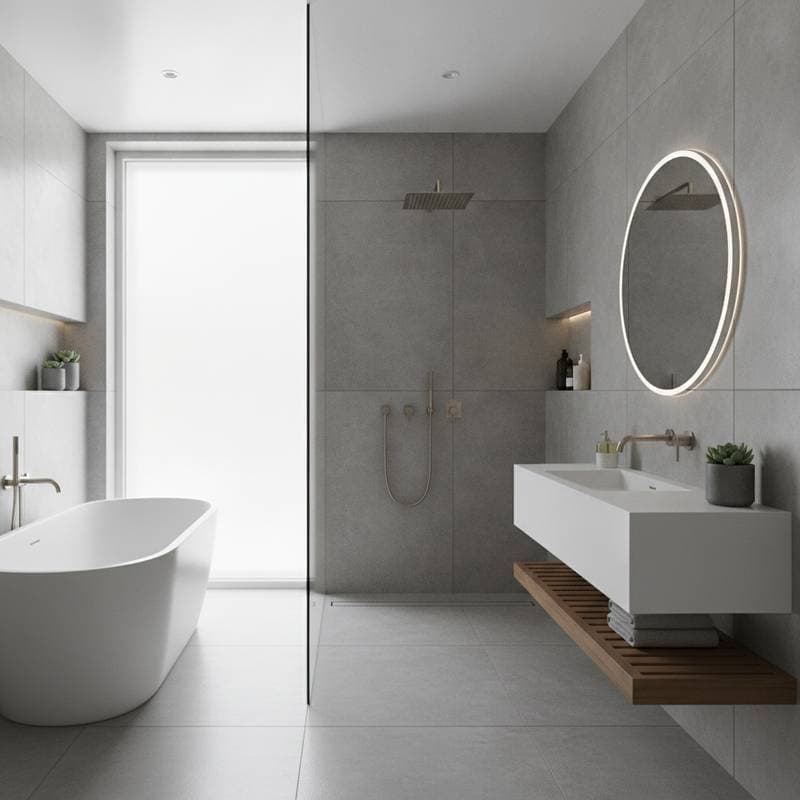
Selecting appropriate finishes balances aesthetics with durability. Porcelain tiles for floors average $6 to $12 per square foot, offering resistance to moisture and wear. Options like natural stone or microcement elevate costs but provide superior longevity and minimal maintenance due to reduced grout lines. Consider traffic patterns and cleaning preferences when choosing materials.
Glass Enclosures and Fixtures
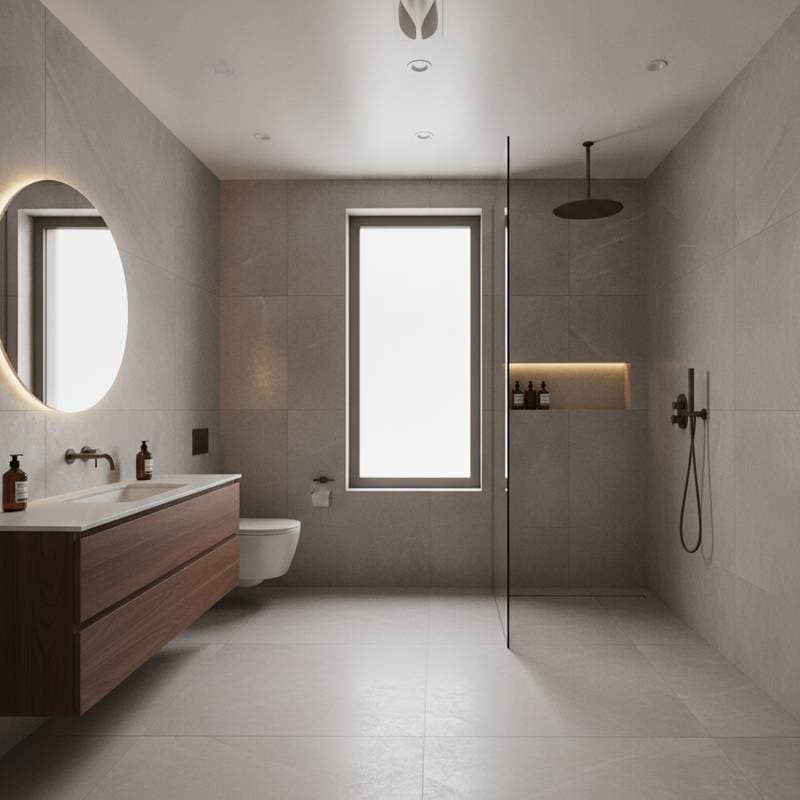
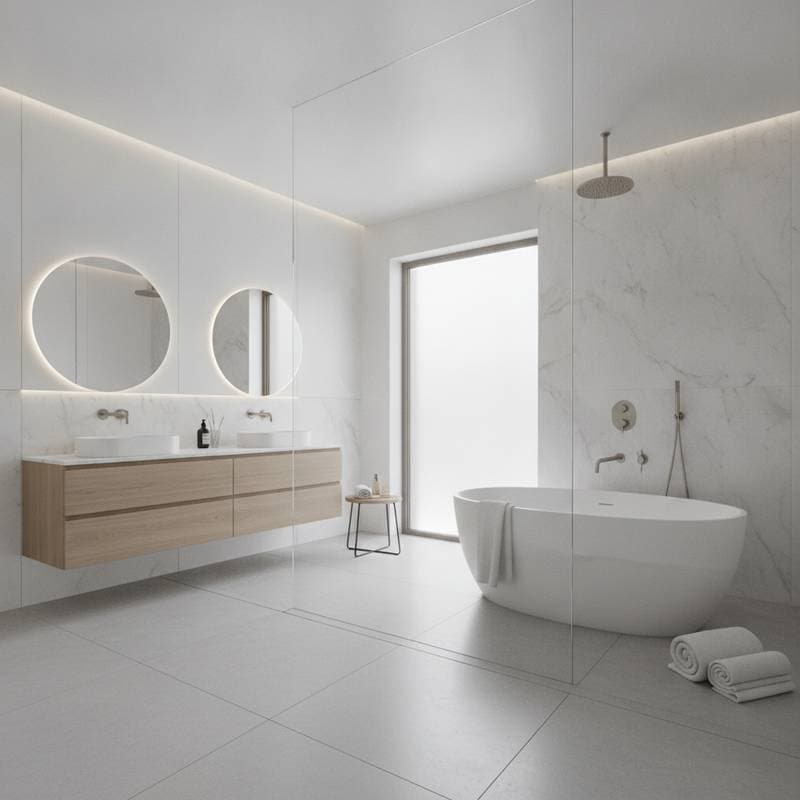
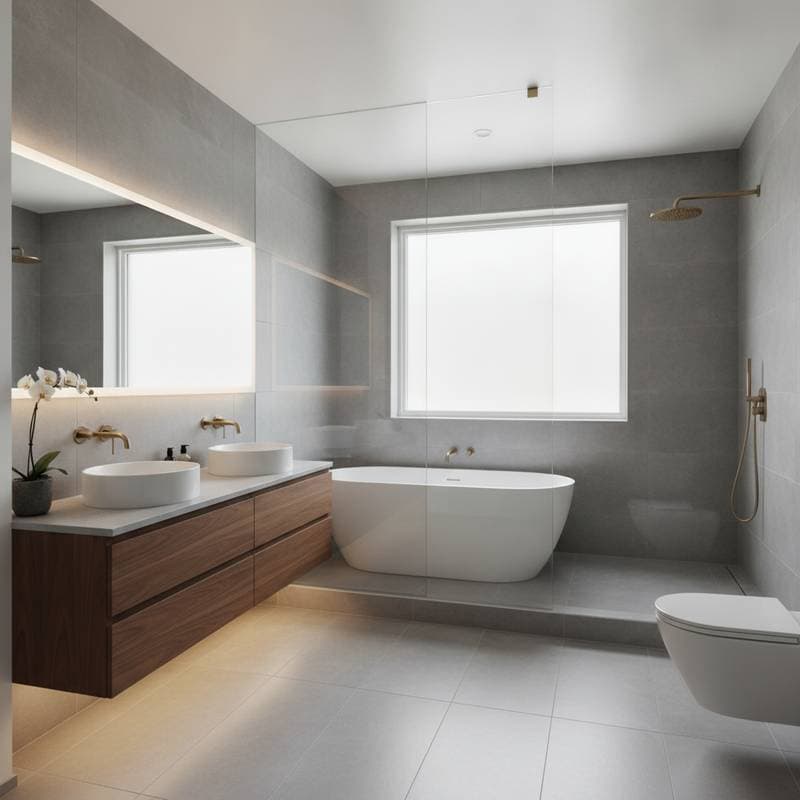
Enclosures and hardware contribute to both style and safety. Frameless glass panels cost between $900 and $2,000, creating an open, spacious feel. Wall-mounted faucets and overhead showerheads add $1,200 to $3,000, enhancing user experience with ergonomic design. Opt for corrosion-resistant materials to withstand constant humidity exposure.
Labor, Permits, and Contingencies
Professional labor rates from licensed contractors fall between $70 and $120 per hour. Permits and inspections ensure compliance with regulations for drainage, ventilation, and waterproofing. Allocate an additional 10 to 15 percent of the budget for potential issues such as concealed water damage or subfloor repairs, especially in older properties where structural surprises often occur.
Professional Installation Versus DIY Efforts
While some aspects of a wet room project lend themselves to homeowner involvement, others demand expert intervention. Evaluate skills and risks carefully to determine the best approach.
Opportunities for DIY
Homeowners with basic skills can manage tasks like tile arrangement, wall painting, or fixture installation. These elements allow personalization without compromising core functionality. Tools such as a wet saw, mixing drill, and precision level suffice for these jobs, potentially saving on labor costs.
When to Engage Professionals
Delegate complex work like waterproofing applications and drainage installations to certified experts. Structural modifications, including floor sloping or joist reinforcement, require specialized knowledge to meet building codes. Signs of underlying problems, such as mold growth, warped joists, or unstable subfloors, signal the need for immediate professional assessment. Reputable installers provide warranties that protect against future issues.
Balancing Risks and Requirements
DIY errors, particularly in waterproofing, can lead to costly repairs exceeding professional fees. Professionals adhere to precise code requirements, such as spacing between electrical outlets, drains, and fixtures. A hybrid strategy proves effective: handle superficial tasks personally while entrusting technical components to qualified tradespeople. This method optimizes savings and quality.
Ongoing Maintenance and Warranty Essentials
Well-maintained wet rooms endure for decades, preserving both appearance and value. Regular upkeep focuses on preventing minor issues from escalating into major repairs.
Daily and Periodic Care
After each use, rinse walls and floors to minimize soap residue accumulation. Reapply grout sealant every two to three years to maintain water resistance. Monthly inspections of drain covers help remove debris like hair, ensuring unobstructed flow. Monitor silicone joints for cracks and replace caulking promptly to seal gaps effectively.
Common Areas of Wear
Grout lines and silicone seals often deteriorate first under repeated moisture exposure. Neglected drain traps accumulate buildup, leading to clogs. Under-tile heating elements may fail if water penetrates the substrate, underscoring the importance of robust initial waterproofing.
Securing Warranties
Certified waterproofing systems typically include 10-year warranties when installed by authorized professionals. Fixtures and valves offer coverage from five years to lifetime, depending on the manufacturer. Retain all documentation and receipts to facilitate claims during inspections or repairs. Select products from reputable brands to maximize protection.
Longevity Tips
Employ pH-neutral cleaners to avoid eroding grout or fading tiles. Avoid abrasive chemicals like acids or bleach, which accelerate wear. Consistent care routines extend the room's service life and sustain its contribution to home equity.
Practical Steps to Launch Your Project
Embarking on a wet room renovation demands thorough preparation. Follow these steps to streamline the process and achieve optimal results.
- Evaluate your existing bathroom layout, including floor slope, ventilation adequacy, and wall integrity.
- Establish a detailed budget with a 15 percent buffer for unforeseen moisture-related repairs.
- Investigate local building codes, focusing on requirements for drainage systems and electrical placements near water sources.
- Obtain estimates from at least two licensed contractors, inquiring about preferred waterproofing brands and warranty details.
- Schedule the project during favorable weather conditions to support efficient material curing.
- Procure tiles, glass, and other materials in advance to circumvent common supply delays.
- Develop a maintenance schedule, stocking essentials like grout sealer and silicone for routine upkeep.
Realizing Lasting Benefits from Your Wet Room
A thoughtfully executed wet room serves as a versatile enhancement, improving accessibility for all ages and simplifying daily routines. It reduces cleaning time through seamless, waterproof surfaces and elevates the home's marketability. Prioritize foundational elements like waterproofing and efficient layouts to build a resilient space. With strategic planning, this renovation delivers enduring comfort, style, and financial returns that enrich property ownership for years to come.