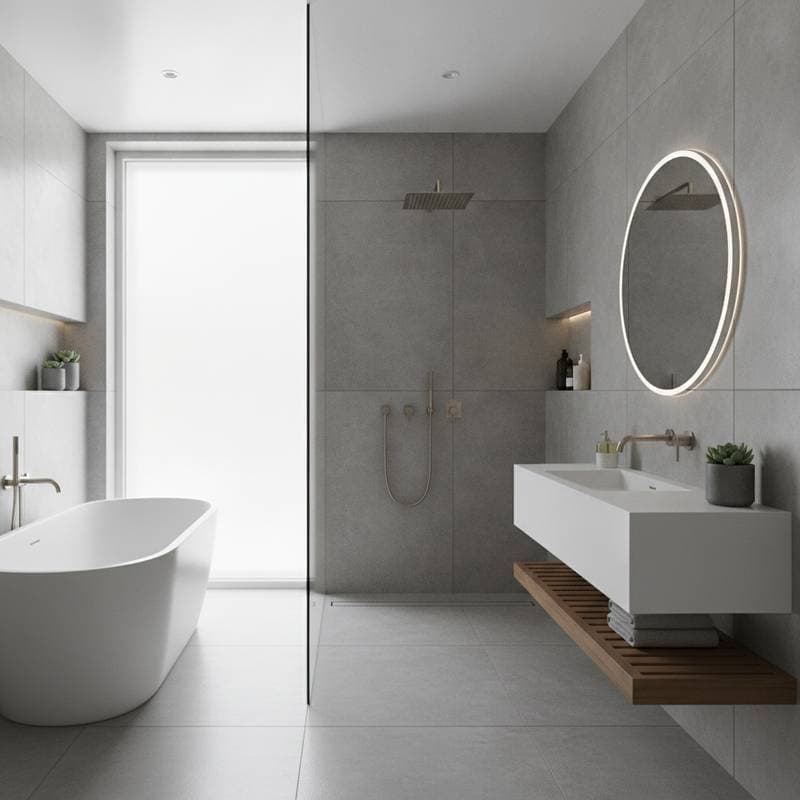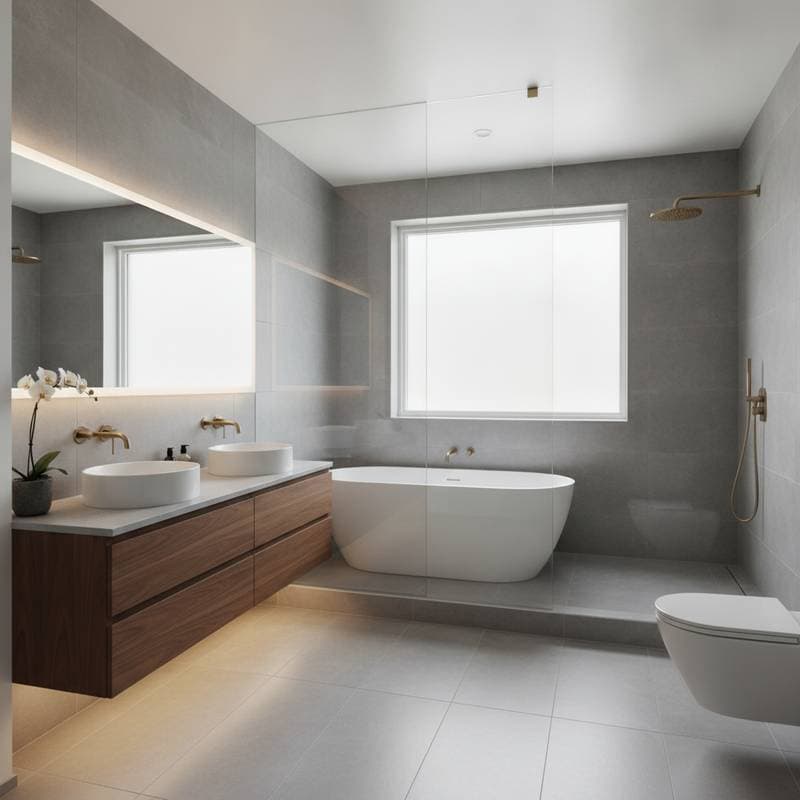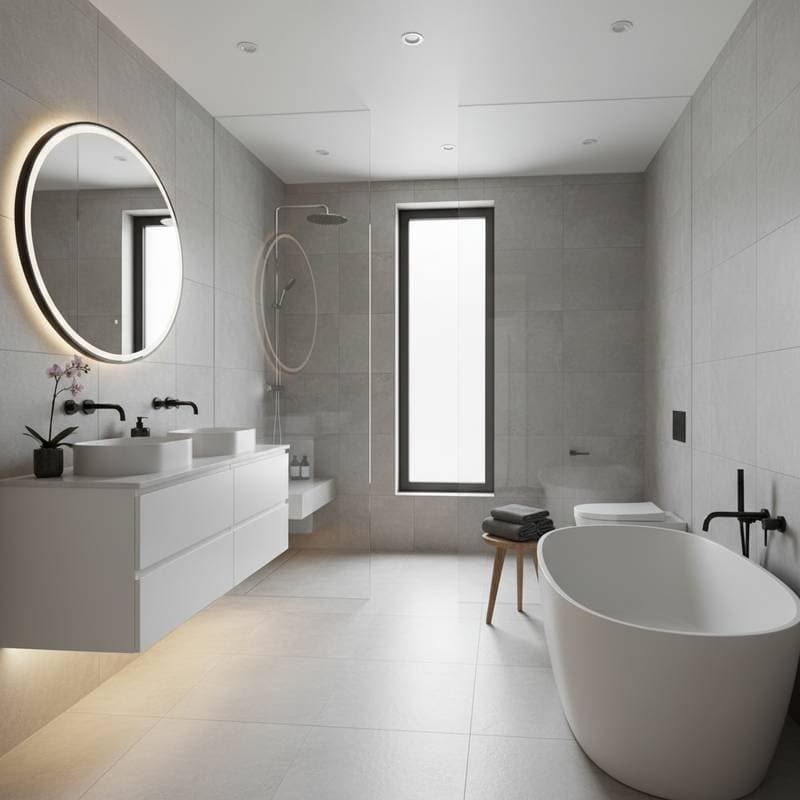
Understanding Wet Rooms and Their Value Proposition
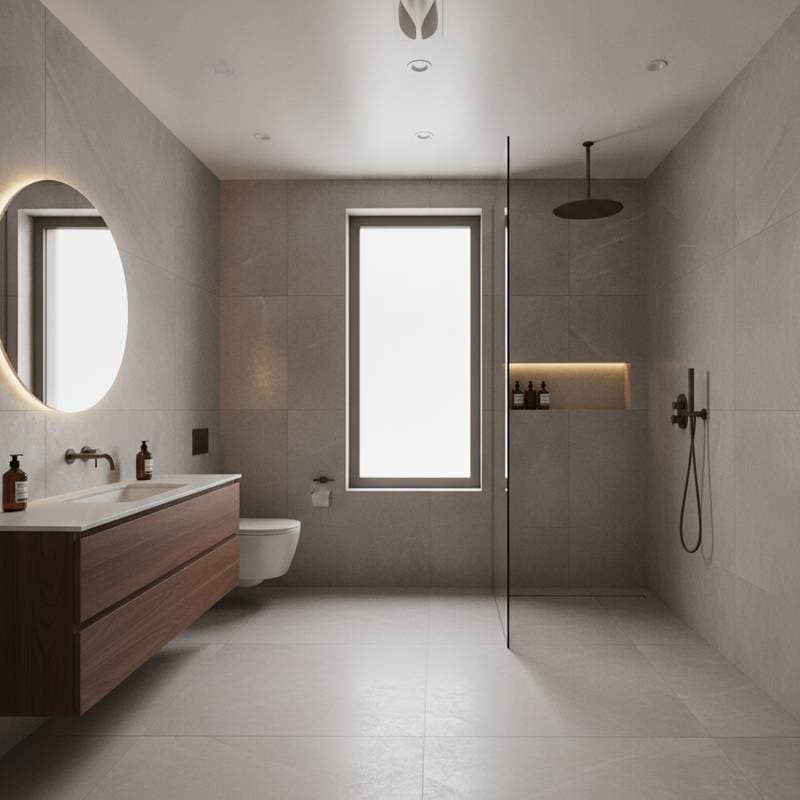
Wet rooms represent a modern evolution in bathroom design, featuring fully waterproofed spaces where the shower integrates seamlessly with the floor level, eliminating the need for trays or enclosures. Homeowners select these designs for their superior accessibility, minimalist aesthetics, and straightforward maintenance, particularly in contemporary residences, renovation projects, or preparations for property sales. As market trends shift toward inclusive and efficient living spaces, wet rooms position properties as forward-thinking investments.
Projections indicate that by 2026, homes equipped with wet rooms could command a 15 percent premium in resale value, driven by buyer preferences for adaptable, low-maintenance features. This uplift stems from their alignment with universal design principles, which appeal to diverse demographics including aging populations and families. Integrating a wet room not only modernizes the home but also signals quality craftsmanship to potential buyers.
Breaking Down Installation Costs
The average cost to install a wet room ranges from $8,000 to $15,000, depending on scope and materials. Budget-friendly conversions in existing bathrooms may begin at approximately $5,000, while bespoke, luxury installations can surpass $25,000. These figures account for professional labor, which constitutes a significant portion of the expense.
Key factors influencing the total include the bathroom's dimensions and any required structural modifications, such as rerouting plumbing lines. Premium waterproofing systems, like liquid-applied membranes or sheet liners, add to the budget, as do choices in durable, water-resistant tiles. Complex drainage setups, often involving linear drains for even floor slopes, further elevate costs, alongside custom elements like tempered glass screens or integrated shelving. Local labor rates and permitting fees vary by region, so obtaining multiple quotes ensures accurate planning.
Although upfront investments exceed those for traditional bathrooms, the potential for enhanced property value often recoups the difference within a few years, especially in competitive housing markets.
Weighing the Advantages and Drawbacks
Advantages
- Enhances resale value through a contemporary, premium feature that attracts discerning buyers.
- Provides complete waterproofing to minimize risks of mold, mildew, and structural water damage over time.
- Promotes accessibility with barrier-free entry, benefiting individuals with mobility challenges or those planning for future needs.
- Simplifies cleaning routines by avoiding curbs, tracks, or enclosed areas that accumulate grime.
- Adapts efficiently to compact or irregularly shaped spaces, maximizing usability without sacrificing style.
Drawbacks
- Demands a higher initial financial commitment compared to standard bathroom configurations.
- Relies on meticulous waterproofing techniques to avert costly leaks or water intrusion.
- May compromise a sense of enclosure or privacy in fully open layouts without strategic partitioning.
- Involves precise floor sloping, which complicates self-directed projects and heightens error risks.
- Generates elevated humidity levels, necessitating robust ventilation systems to maintain air quality.
Balancing these elements requires careful consideration of household needs and long-term benefits.
Exploring Wet Room Variations
Wet rooms come in several configurations to suit different spaces and preferences, allowing customization to individual lifestyles.
Full Wet Room
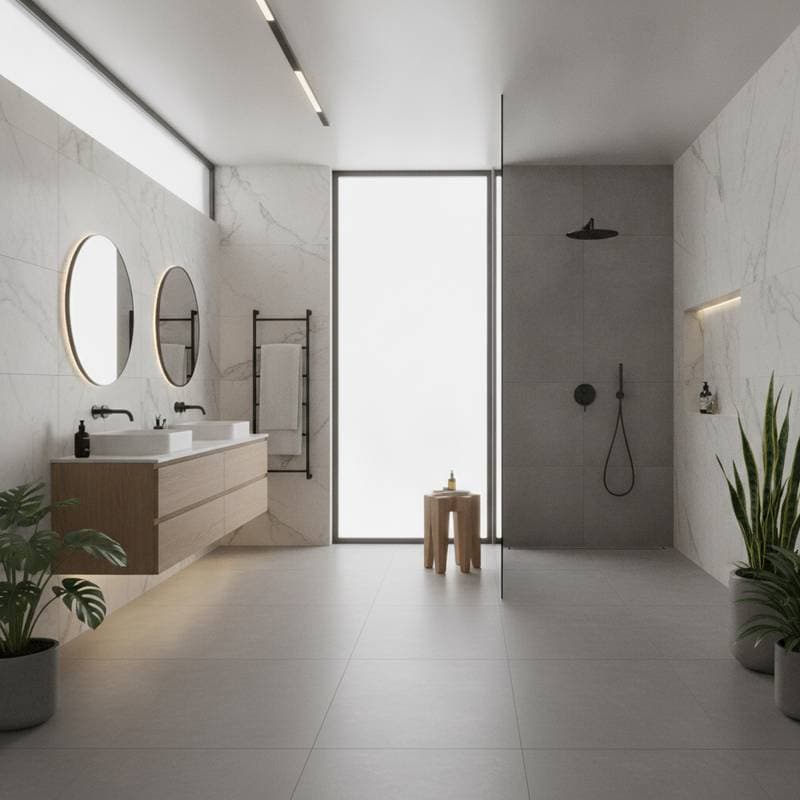
This design waterproofs the entire bathroom floor, creating an open shower zone integrated with the surrounding area. It suits primary en-suite bathrooms or comprehensive modern overhauls, offering a spa-like fluidity that elevates daily routines.
Partial Wet Room
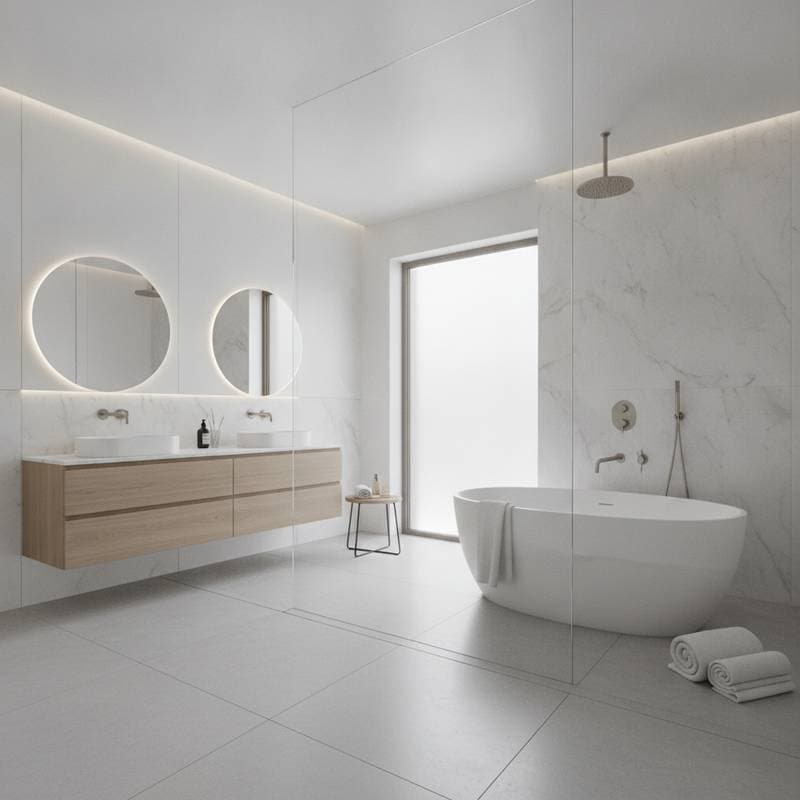
Here, waterproofing focuses on the shower section, separated by a low curb or transparent glass panel. This option works well in shared family bathrooms, providing a blend of openness and defined zones for practical use.
Compact Wet Room
Tailored for limited footprints, these incorporate space-saving elements like wall-mounted vanities and foldable fixtures. They prove ideal for powder rooms, guest accommodations, or urban apartments where every inch counts.
Luxury Wet Room
Featuring high-end materials such as natural stone flooring, seamless frameless enclosures, and ambient LED illumination, this variant targets upscale transformations. It appeals to homeowners seeking indulgent, hotel-inspired retreats that underscore property sophistication.
Selecting the appropriate type involves evaluating available space, usage patterns, and aesthetic alignment with the home's overall character.
Professional Installation Versus DIY Approaches
Constructing a wet room demands expertise in plumbing, waterproofing, and structural adjustments, making it a project best suited to skilled professionals. Amateur attempts risk compromising safety and functionality, potentially leading to expensive repairs.
DIY Challenges
The complexity rates as high, requiring advanced knowledge of building codes and specialized techniques. Professional timelines span three to seven days, whereas DIY efforts often extend due to learning curves and setbacks. Essential tools include a wet tile saw for precise cuts, notched trowels for adhesive application, comprehensive waterproofing kits, and offset drain assemblies for proper flow.
Primary risks involve inadequate sealing, which can result in water damage to subfloors or adjacent walls, alongside non-compliance with local regulations. For projects involving significant plumbing alterations, floor sloping, or drainage overhauls, engaging a licensed contractor remains essential. Certified installers provide warranties, typically covering waterproofing integrity for 10 to 25 years, ensuring peace of mind and value preservation.
Essential Installation Steps
Approach the process methodically to achieve a durable, leak-proof result. Begin by consulting local codes and securing necessary permits to avoid interruptions.
- Remove existing fixtures, tiles, and flooring to expose the substructure.
- Inspect and reinforce the subfloor for load-bearing capacity, addressing any rot or weaknesses.
- Apply a continuous waterproof membrane to floors, walls, and junctions, following manufacturer guidelines for layering.
- Position the central or linear drain and create a subtle slope, aiming for a one-quarter-inch drop per foot toward the outlet.
- Lay porcelain or ceramic tiles with non-porous properties, using flexible, water-resistant grout throughout.
- Apply silicone sealant at all edges, corners, and transitions to form impenetrable barriers.
- Mount any optional glass partitions or screens, ensuring secure anchoring.
- Install sanitary ware, including the showerhead, and conduct thorough water tests for leaks.
- Finalize with ventilation activation and surface buffing for immediate usability.
Post-installation, monitor performance during the first few weeks to confirm optimal operation.
Long-Term Care and Durability
Regular upkeep preserves the wet room's integrity and extends its service life to 20 through 30 years. Schedule annual inspections of grout lines and seals for signs of wear, such as hairline fractures or discoloration.
Reapply sealant around fixtures and joints every two to three years to maintain waterproof efficacy. Activate exhaust fans during and after showers to control moisture, or install a humidity-sensing model for automated efficiency. In high-use scenarios, consider anti-microbial tile treatments to deter buildup.
Many waterproofing products carry manufacturer warranties against defects when installed professionally, often spanning a decade or more. Adhering to these practices not only safeguards the investment but also upholds the space's hygienic and aesthetic standards.
Comparable Bathroom Solutions
For those weighing options, several alternatives offer varying degrees of modernity and cost efficiency.
- Walk-in Shower: Provides an accessible, curb-free entry at a lower price point, with simpler retrofitting, though it lacks the full-room waterproofing of wet rooms.
- Traditional Bathroom Setup: Involves enclosed showers or tubs with standard flooring, reducing expenses and installation complexity, yet it misses the sleek, integrated appeal.
- Steam Shower Enclosure: Introduces therapeutic vapor elements for a wellness-focused experience, but requires enhanced sealing and ventilation, increasing ongoing maintenance.
Each choice hinges on budget, space constraints, and desired functionality.
Regional Considerations for Success
Environmental factors significantly impact wet room planning and performance. In humid or coastal areas, opt for marine-grade waterproofing and high-capacity dehumidifiers to combat excess moisture.
Colder regions benefit from underfloor heating systems to counteract tile chill, integrating hydronic mats during installation. Urban settings often mandate permits for plumbing and drainage modifications, so early engagement with building authorities streamlines approvals. Rural properties may face challenges with material transport, emphasizing the value of local suppliers.
Tailoring the design to these variables ensures resilience and compliance, maximizing the feature's benefits.
Calculating Return on Investment and Market Impact
Incorporating a wet room can elevate a home's appraised value by up to 15 percent, positioning it comparably to sought-after updates like gourmet kitchens or expansive patios. Appraisers recognize these as indicators of thoughtful, adaptable design that broadens buyer appeal.
Market data from recent sales highlights how such features reduce time on market and command higher offers, particularly among millennials and empty-nesters prioritizing convenience. The return materializes through immediate enjoyment and future financial gains, with payback periods often under five years in appreciating neighborhoods.
Planning and Executing Your Wet Room Project
Initiate with a detailed layout sketch, verifying existing drainage infrastructure supports the proposed slope and flow rates. Solicit estimates from at least three certified contractors, reviewing portfolios for relevant experience.
Select finishes that harmonize with your home's architecture, such as matte black fixtures for industrial vibes or soft neutrals for serene retreats. A preliminary design session with an interior specialist refines choices, aligning form with function. Ultimately, a meticulously crafted wet room delivers enhanced livability today while securing substantial equity tomorrow.