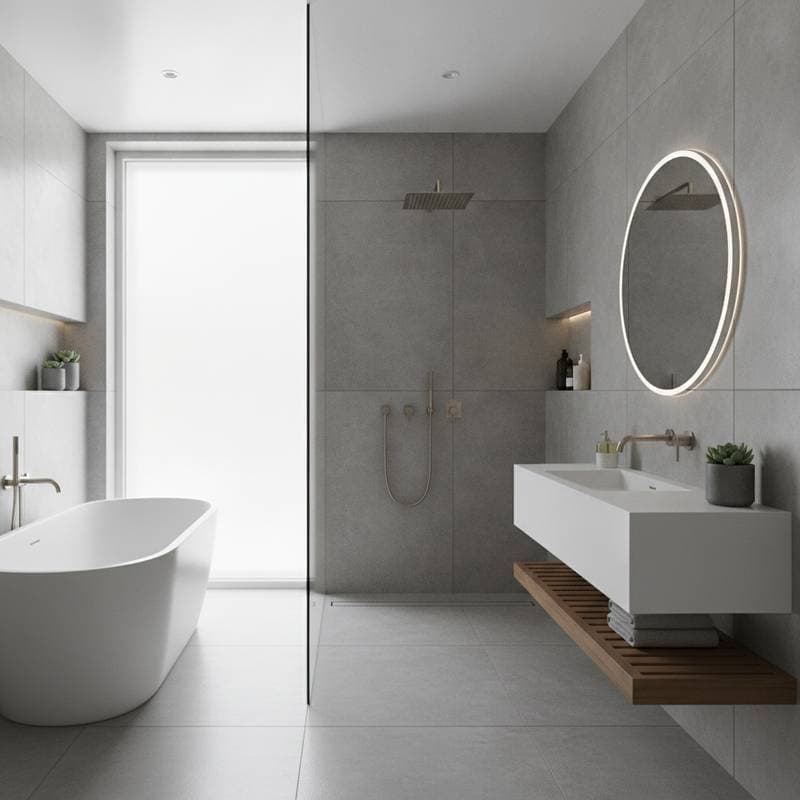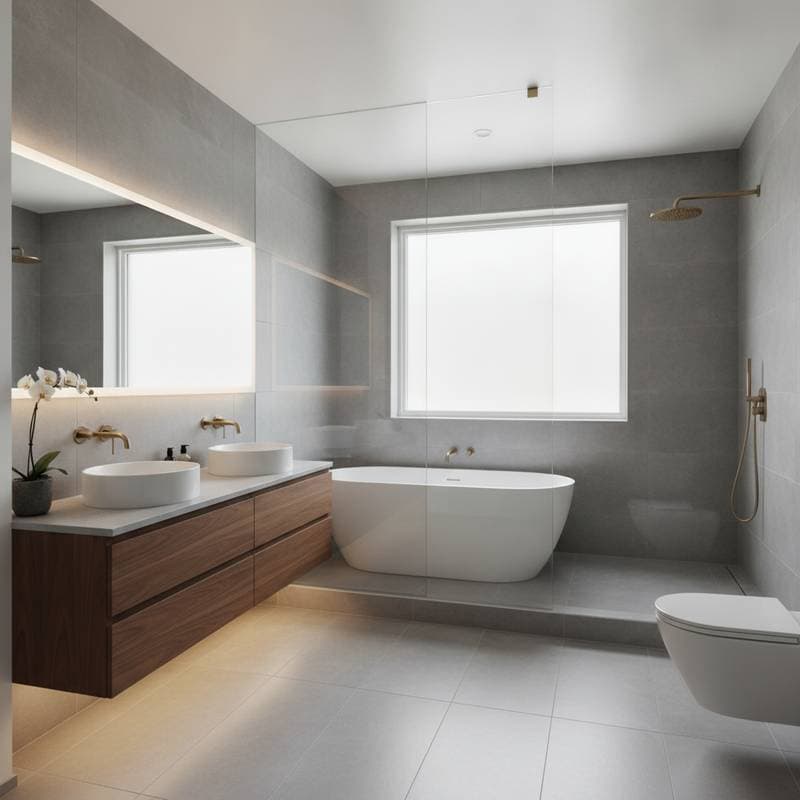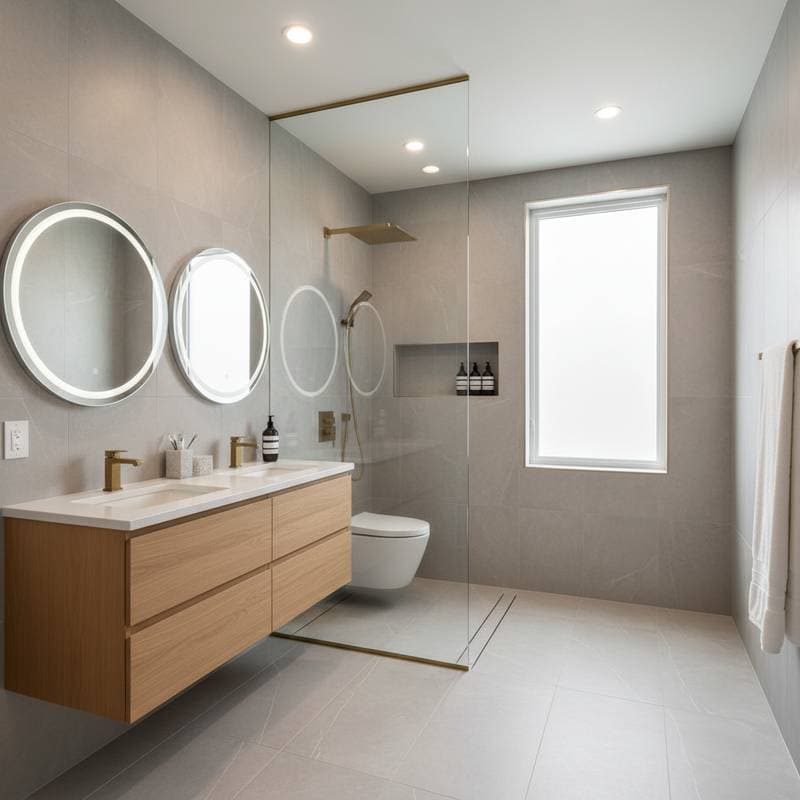
Introduction to Wet Rooms and Their Value Proposition
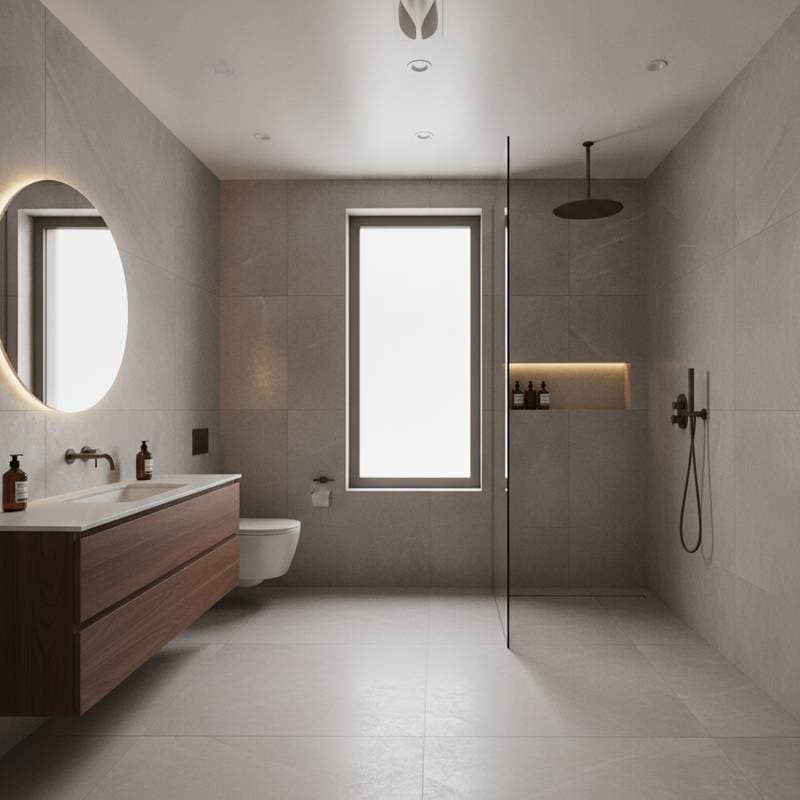
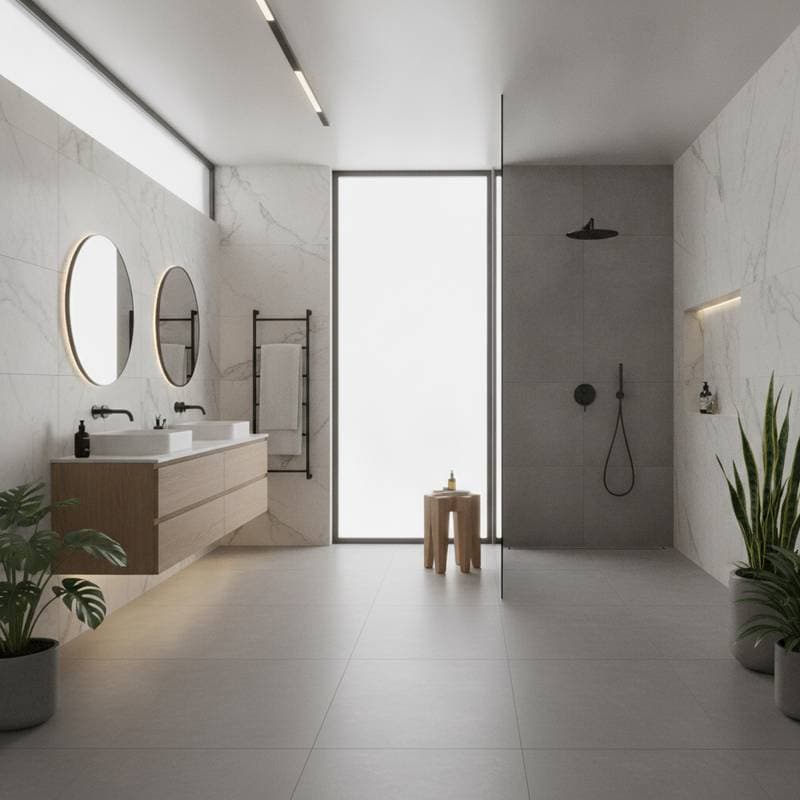
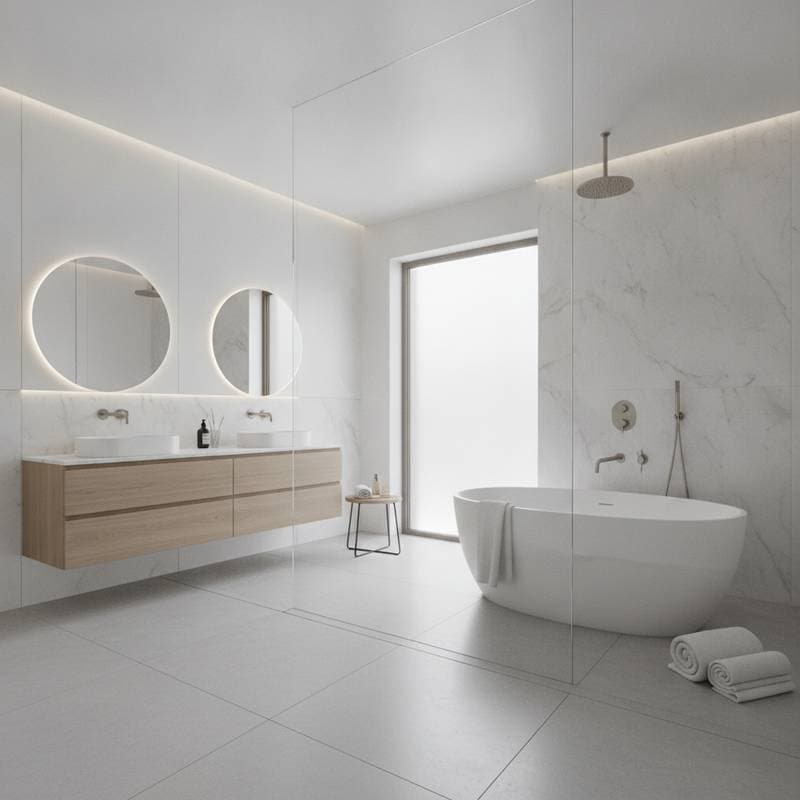
Wet rooms represent a modern evolution in bathroom design, eliminating traditional barriers like shower enclosures and bathtubs to create a seamless, open space. This approach not only enhances aesthetics but also improves functionality, particularly for aging-in-place homeowners. In 2026, real estate experts project that installing a wet room in place of a standard bathtub will add approximately 11 percent to a home's resale value, driven by demand for accessible and luxurious features.
The appeal lies in the versatility of wet rooms. They accommodate universal design principles, making bathrooms safer and more navigable without sacrificing style. Homeowners who invest in this upgrade often report higher satisfaction and quicker sales, as buyers prioritize low-maintenance, spa-like environments.
Benefits of Converting a Tub to a Wet Room
Replacing a bathtub with a wet room offers multiple advantages beyond mere aesthetics. First, accessibility improves dramatically. The open layout reduces fall risks associated with stepping over tub edges, and features like grab bars integrate seamlessly into the tiled surfaces. This makes the space ideal for families with elderly members or those planning for future mobility needs.
Second, the design fosters a sense of luxury. Imagine a rainfall shower cascading over non-slip tiles, with underfloor heating warming your feet on cold mornings. These elements create a retreat-like atmosphere that standard bathrooms cannot match. Moreover, wet rooms promote efficiency in cleaning, as water flows freely to integrated drains, minimizing standing water and mold growth.
Finally, the value addition is quantifiable. Market analyses indicate that properties with updated, barrier-free bathrooms sell for 11 percent more than comparable homes with outdated fixtures. This premium reflects buyer preferences for modern, durable upgrades that require less frequent maintenance.
Planning Your Wet Room Project
Before embarking on the conversion, assess your bathroom's layout and requirements. Measure the space meticulously, paying attention to the existing drain positions and plumbing lines. Determine whether the tub removal necessitates rerouting pipes, which could influence both cost and timeline.
Consult local building codes early in the process. Many municipalities require specific waterproofing standards for wet rooms to prevent structural damage. Research approved systems, such as liquid-applied membranes or sheet waterproofing, that comply with these regulations. Engaging a professional early ensures your design aligns with safety and durability expectations.
Visualize the final design by sketching options or using digital tools. Consider elements like tile patterns, lighting fixtures, and storage solutions. Prioritize materials that balance beauty and practicality, such as porcelain tiles for their water resistance and ease of maintenance.
Costs and Budgeting Essentials
The expense of converting a tub to a wet room varies based on size, materials, and location, typically ranging from $10,000 to $25,000 for a standard 5-by-8-foot bathroom. Labor accounts for about 50 percent of the total, with plumbing adjustments adding $1,000 to $3,000 if drains need repositioning. High-end finishes, like custom glass partitions or heated towel racks, can push costs higher.
To manage expenses effectively, obtain multiple quotes from licensed contractors. Request itemized breakdowns to compare labor versus material costs. Allocate 15 percent of your budget for unforeseen issues, such as discovering subfloor damage during demolition.
Renting tools represents another cost consideration. Essential equipment includes a wet saw for precise tile cuts, a mixing drill for adhesives, a laser level for ensuring proper slopes, trowels for application, a membrane roller for seamless waterproofing, and a moisture meter for testing. Weekly rental fees for these items total approximately $200 to $300. If budget constraints apply, handle demolition and painting personally while contracting professionals for critical tasks like waterproofing and tiling.
Installation Process and Timeline
The project unfolds in distinct phases, spanning 4 to 6 weeks for most conversions. Demolition begins with removing the tub and surrounding fixtures, followed by inspecting the subfloor for moisture damage. Professionals then install the waterproofing membrane, creating a sloped surface that directs water toward the drain.
Tiling follows, with walls and floors receiving multiple layers for protection. Ensure the slope measures at least 1/4 inch per foot to facilitate drainage. Plumbing integration occurs concurrently, often involving a linear drain along one wall for optimal flow.
Final touches include grouting, sealing, and installing fixtures. Test the system thoroughly for leaks before completing finishes. A certified inspector should verify compliance, providing documentation that enhances resale value.
Essential Tools and Materials
Success hinges on quality materials and proper tools. Opt for waterproofing membranes from reputable brands, such as those offering 10-year warranties when professionally installed. Select tiles with a high slip-resistance rating, especially for floors, to enhance safety.
Beyond rentals, procure grout sealers, silicone caulk, and expansion joints. These prevent cracks and water intrusion over time. Source materials from suppliers with quick delivery to avoid project delays, particularly for specialty items like frameless glass screens.
Maintenance Strategies for Longevity
Proper upkeep extends the life of your wet room. After each use, wipe down surfaces to eliminate moisture buildup and deter mildew. Employ pH-neutral cleaners for grout lines, avoiding harsh chemicals that erode seals.
Annual tasks include resealing grout and any natural stone elements. Monitor for early warning signs, such as loose tiles or spongy areas near drains, which signal potential joint failures. Prompt repairs preserve the waterproof integrity.
A robust wet room endures 20 to 30 years with minimal intervention, though heated floors and fixtures might require updates after 10 to 15 years. Warranties typically cover waterproofing for 10 years under professional installation; DIY efforts often invalidate these protections.
Common Pitfalls and How to Avoid Them
One frequent issue involves inadequate sloping, leading to pooling water. Verify the gradient during installation using a level. Another concerns overlooked subfloor protection; always apply a secondary vapor barrier beneath the membrane.
Supply chain disruptions can halt progress, so order tiles and membranes ahead. If lead times exceed two weeks, postpone demolition to safeguard exposed areas from humidity.
Act promptly if existing leaks or soft spots appear in the tub area. Addressing these during conversion proves more economical than iterative fixes, averting costly mold removal.
Waterproofing: The Cornerstone of Success
Waterproofing demands priority attention, as it safeguards your home's structure. Choose systems with proven track records, installed by certified experts. This investment averts leaks that could compromise joists and flooring.
During construction, document the underlayment and drain configurations with photographs. Retain surplus tiles and grout in sealed containers for future touch-ups. These steps facilitate maintenance and potential warranty claims.
Finalizing and Enjoying Your Upgrade
Upon completion, conduct rigorous quality checks. Confirm water flows efficiently to the drain without ponding. Perform leak tests prior to grouting, and secure all necessary permits and inspections.
Your wet room now serves as a durable, value-adding asset. It transforms routine hygiene into an indulgent experience while bolstering property equity. With thoughtful planning, this renovation yields comfort and financial returns for years ahead.