Textured Walls: The 2025 Trend That Enhances Home Values
Textured walls represent a powerful design trend that delivers tangible value to residential properties. Homebuyers and renters increasingly seek spaces that convey warmth and depth, moving beyond the uniformity of flat, painted surfaces. A well-applied texture imparts a bespoke, resilient, and premium aesthetic, achievable without undertaking a comprehensive remodel.
This approach appeals to those preparing for a sale or simply aiming to rejuvenate their living environment. Real estate professionals observe that properties featuring textured elements, such as plaster or limewash applications, generate heightened interest in online listings and during showings. The result is a home that stands out in competitive markets, potentially accelerating sales and commanding higher offers.
The Importance of Textured Walls in Modern Design
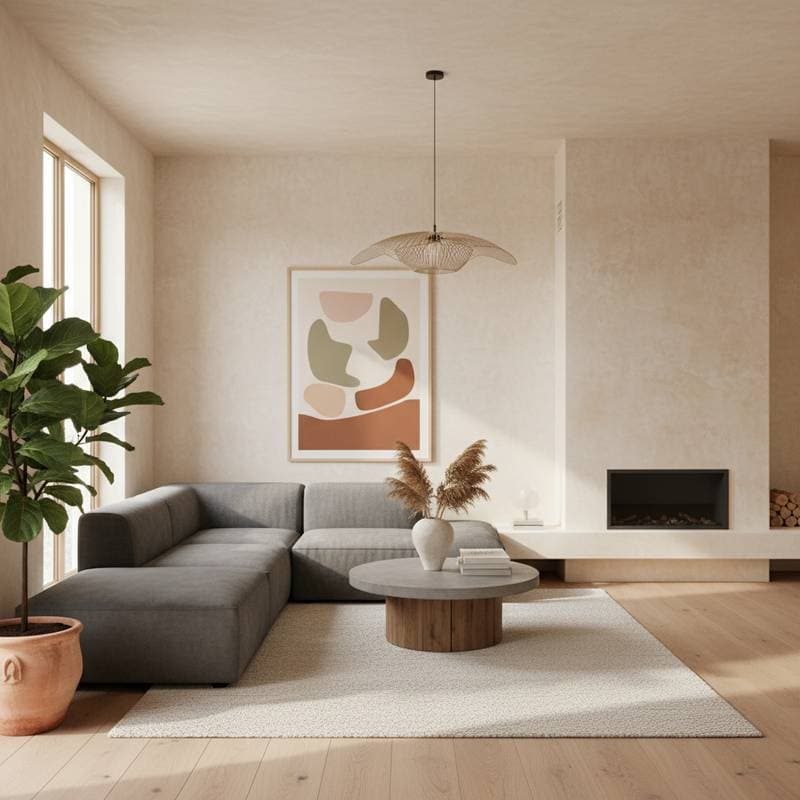
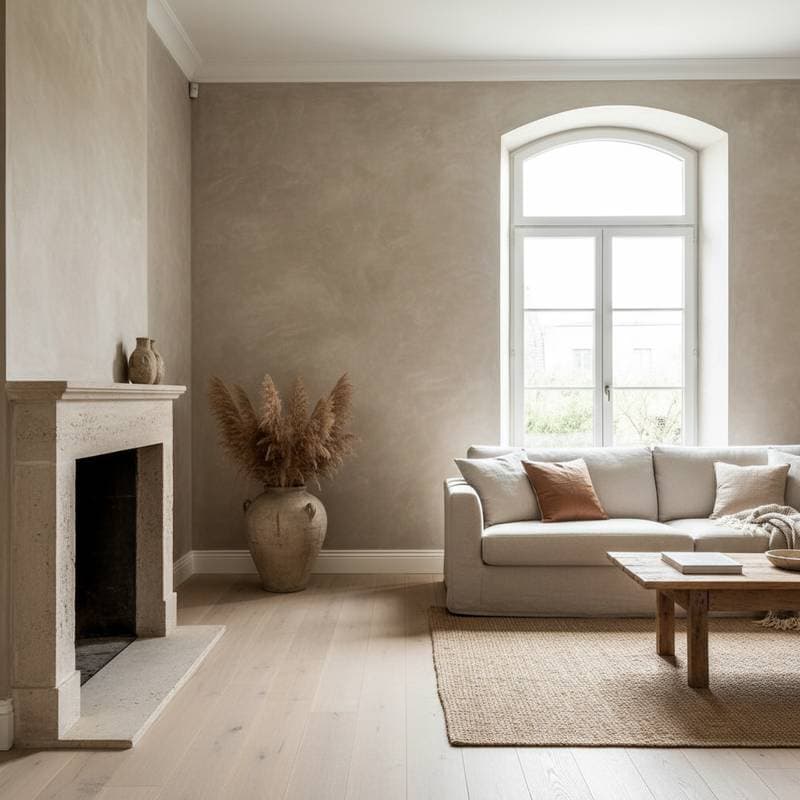
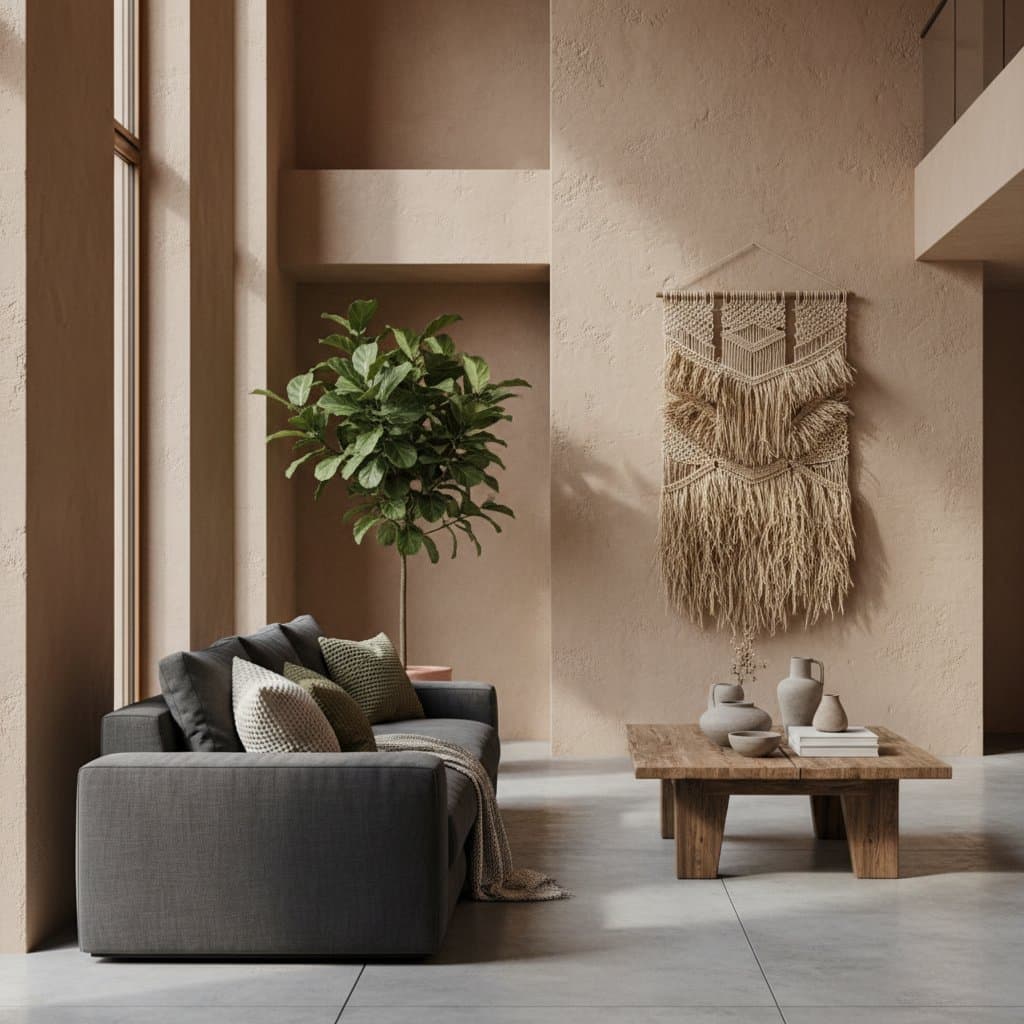
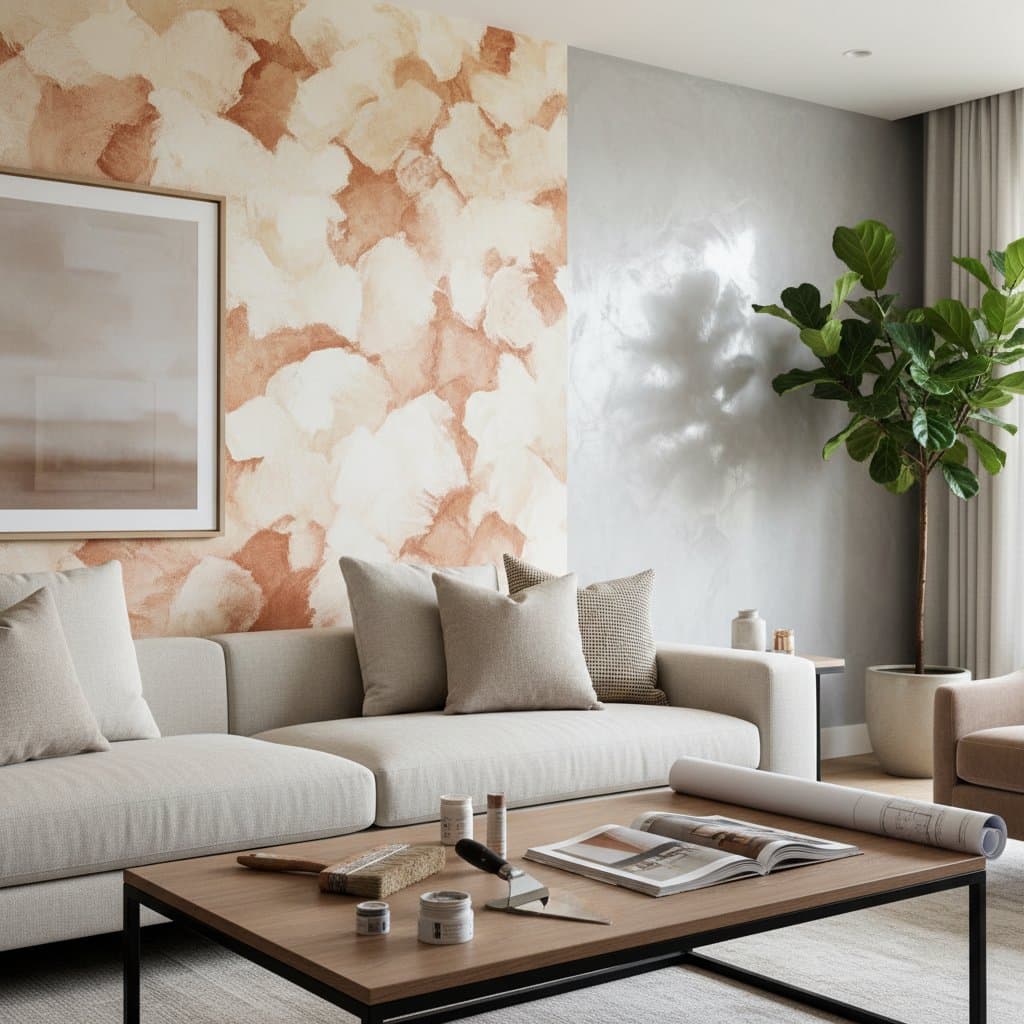
Standard flat paint often appears unremarkable and fails to engage the senses. In contrast, textured finishes introduce dynamic elements like subtle undulations and interplay with light, creating visual interest that evolves throughout the day. Materials such as limewash provide a soft, breathable surface with a chalky matte finish, while Venetian plaster offers a polished, marble-like sheen that reflects light elegantly.
These textures excel at concealing minor imperfections, such as hairline cracks or uneven drywall seams, which might otherwise detract from a room's appeal. Beyond aesthetics, they contribute to improved acoustics by diffusing sound waves, fostering a more serene atmosphere. The handcrafted quality evokes artisanal craftsmanship, making spaces feel timeless and personalized.
For homeowners eyeing resale, textured walls yield a strong return on investment. Studies from industry experts indicate that such upgrades can increase perceived value by up to 5 percent in mid-range markets, particularly in urban areas where unique features differentiate listings. Even in rental scenarios, textured interiors attract premium tenants willing to pay more for distinctive, low-maintenance designs.
Selecting the Ideal Texture for Your Space
Choosing the right texture depends on the room's function, lighting, and overall style. Limewash suits organic, minimalist interiors with its irregular, washed-out appearance that mimics aged stone or adobe. Venetian plaster, applied in thin layers with a steel trowel, delivers a smooth yet tactile surface ideal for formal living areas or entryways.
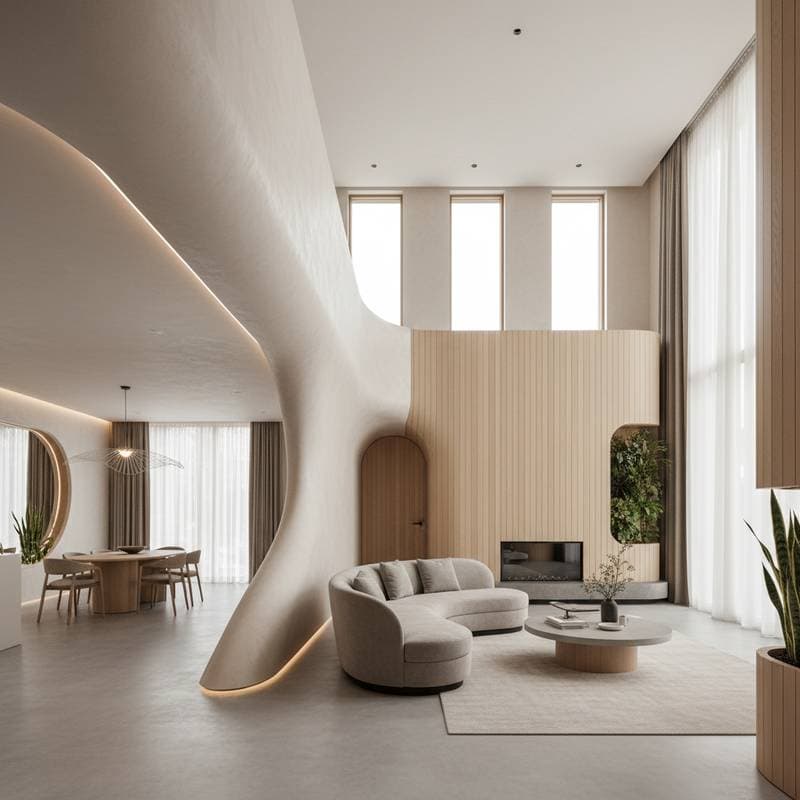
Other options include subtle knockdown textures using a spray-on compound for a modern, understated look, or more dramatic options like grass cloth panels for accent walls. Consider the ceiling height and natural light: higher ceilings benefit from bolder textures that draw the eye upward, while dimly lit rooms gain from lighter, reflective finishes. Testing samples in situ ensures harmony with existing furnishings and flooring.
Step-by-Step Guide to Applying Textured Walls
Achieving professional results requires methodical preparation and application. Most projects span a weekend for a standard room, allowing ample drying time between coats.
-
Prepare the surface thoroughly. Remove furniture and cover floors with drop cloths. Clean walls with a mild detergent solution to eliminate dust and grease. Sand lightly to create a uniform base, then patch any dents or cracks with spackling compound. Allow patches to dry fully before sanding smooth. This step prevents texture from amplifying underlying flaws.
-
Select materials suited to your skill level. Beginners should opt for pre-mixed limewash kits, which apply easily with a block brush for a mottled effect. Advanced users might choose Venetian plaster kits containing slaked lime and marble dust, requiring precise troweling for burnished results.
-
Apply the initial coat evenly. For limewash, dilute the mixture as per instructions and roll or brush it on in broad strokes, working from top to bottom. With plaster, hawk the material onto the wall in thin layers, about 1/16 inch thick, using a flexible trowel.
-
Maintain wet edges during application. Section off the wall into manageable areas, such as 4-foot squares, to avoid lap marks. Feather edges with a damp sponge or brush as you progress, ensuring seamless transitions.
-
Build layers for enhanced depth. Apply a second coat once the first dries, varying stroke directions to introduce organic variation. A third coat refines the texture, compressing the surface for subtle sheen in plaster applications.
-
Finish and protect the surface. Buff Venetian plaster with a soft cloth for luster, then apply a beeswax sealant to guard against moisture. Limewash typically requires no sealer but benefits from a light mist coat for even tonality.
Patience proves essential; rushing leads to inconsistencies. If uncertainty arises, consult video tutorials tailored to your chosen material.
Detailed Cost Analysis
Budgeting accurately involves factoring in materials, tools, and labor. Costs fluctuate based on square footage, regional material prices, and finish complexity.
| Task | Typical Cost per Square Foot | Key Price Influences |
|---|---|---|
| DIY Limewash Finish | $1.50 to $3.00 | Quality of lime pigment, coat quantity |
| DIY Venetian Plaster | $5.00 to $10.00 | Marble dust grade, sealer requirements |
| Professional Limewash | $6.00 to $12.00 | Travel fees, surface preparation |
| Professional Venetian Plaster | $10.00 to $25.00 | Artisan expertise, intricate designs |
Limewash remains the most economical entry point, with kits covering 200 square feet for under $100. Venetian plaster demands higher investment due to specialized tools and skill, yet its durability justifies the expense in high-traffic areas. Factor in ancillary costs like primer ($0.50 per square foot) and disposal fees for waste.
Project Timeline and Skill Assessment
A 12x12-foot bedroom requires 8 to 16 hours of active work, plus 24 to 48 hours for curing. Limewash dries quickly, enabling same-day recoating, whereas plaster demands overnight intervals to prevent cracking.
Limewash poses low difficulty, involving forgiving brushwork that tolerates minor errors. Venetian plaster demands practice for even compression and polishing, often resulting in a steeper learning curve. For optimal outcomes on imperfect walls, professional intervention ensures uniformity without rework.
Deciding Between DIY and Professional Installation
Opt for a DIY approach when the project aligns with your capabilities and timeline.
Pursue DIY if:
- The desired outcome features a relaxed, rustic limewash patina.
- You possess the availability to apply and dry multiple layers over several days.
- Basic skills in surface repair and tool handling come naturally to you.
Engage professionals if:
- A refined, glossy Venetian or faux-marble effect is the goal.
- Existing walls exhibit significant damage or inconsistencies.
- Large-scale consistency across multiple rooms is required.
Experienced applicators wield proprietary trowels and techniques to achieve flawless feathering and color integration. Subpar amateur efforts may necessitate expensive corrections, such as stripping and reapplication, underscoring the value of expertise.
Essential Tools and Materials List
Gather these items to streamline the process:
- High-quality paint roller with extension pole, natural-bristle brush, or stainless steel trowel.
- Protective drop cloths, painter's tape, and plastic sheeting.
- Limewash concentrate or plaster base mix, plus pigments for custom hues.
- Assorted grits of sandpaper (120 to 220) and sanding block.
- Protective sealer, wax paste, or matte varnish for final protection.
- Personal protective equipment, including respirator mask, nitrile gloves, and safety goggles.
Invest in durable tools for longevity; inexpensive alternatives often fail under the abrasive nature of plaster.
Safety Considerations and Regulatory Notes
Interior texturing generally requires no building permits, though local codes may apply in historic districts. Review safety data sheets for all products, emphasizing ventilation to disperse fumes and dust.
Lime-based materials carry alkaline properties that irritate skin, eyes, and respiratory systems. Don gloves, goggles, and a mask during mixing and application; neutralize spills with vinegar promptly. Maintain clean tools to avoid abrasive residues that could damage surfaces. In homes built before 1978, test for lead in original paint layers prior to any sanding or scraping.
Adapting Textures to Regional Climates
Environmental factors influence texture performance and selection. In humid regions like coastal California, limewash excels with its vapor-permeable nature, allowing moisture to escape and inhibiting mold growth.
Arid inland areas favor Venetian plaster's stability against fluctuating humidity, preventing chalking or delamination. Always conduct a patch test in an inconspicuous area to assess adhesion and color fastness over a week. For older structures with lath-and-plaster walls, reinforce weak spots to support added weight.
Expert Techniques for Flawless Results
Illuminate your workspace with natural daylight to accurately gauge texture depth and uniformity. Experiment with application patterns—irregular swoops for limewash, circular compressions for plaster—to cultivate an authentic, hand-wrought appearance.
Blend adjacent sections while materials remain workable, using a blending brush for invisible seams. Hone skills on drywall scraps or foam boards mimicking wall conditions. Embrace subtle variances; perfection can yield a sterile result, whereas character enhances tactile appeal.
Frequently Asked Questions
Which wall texture maximizes resale value?
Venetian plaster conveys unparalleled luxury, appealing to upscale buyers, whereas limewash delivers strong visual impact at a fraction of the cost, broadening market appeal.
Is it possible to paint over textured walls in the future?
Yes, most textures accept paint well, though dense applications may require light sanding or a skim coat of joint compound to ensure adhesion.
How do textures affect home maintenance?
Breathable options like limewash simplify cleaning with a damp cloth and resist fading, while sealed plasters demand occasional buffing to preserve shine.
Achieve Lasting Impact Through Textured Transformations
Incorporating textured walls elevates everyday spaces into enduring assets, blending functionality with sophisticated style. Whether embarking on a DIY adventure or partnering with skilled artisans, this upgrade promises enhanced livability and financial returns. Begin by assessing your walls and envisioning the desired ambiance—your home's potential awaits realization.