Dark and Moody Interiors Accelerate Home Sales by 15 Percent
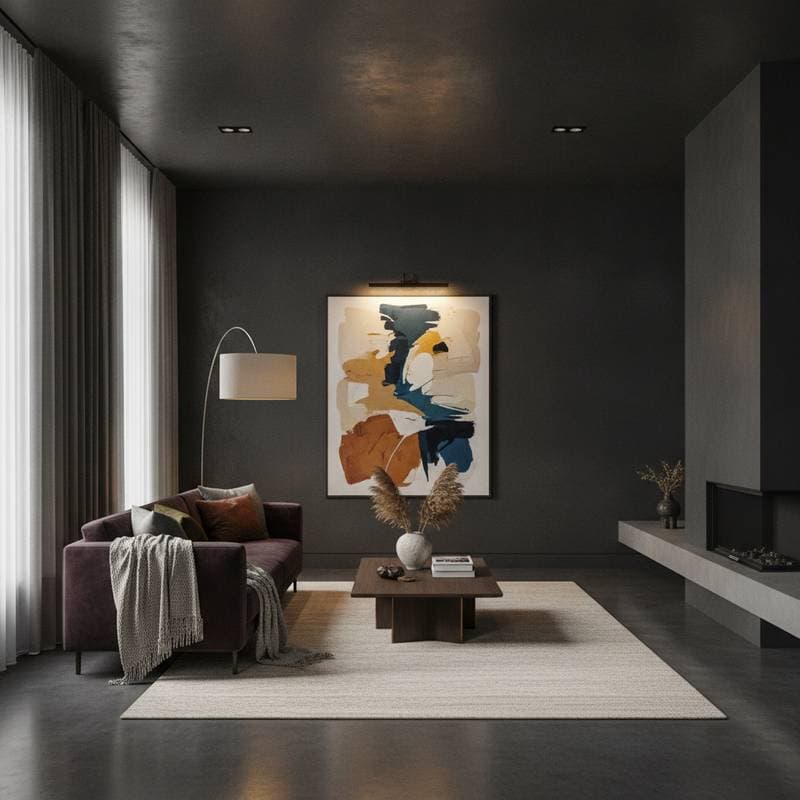
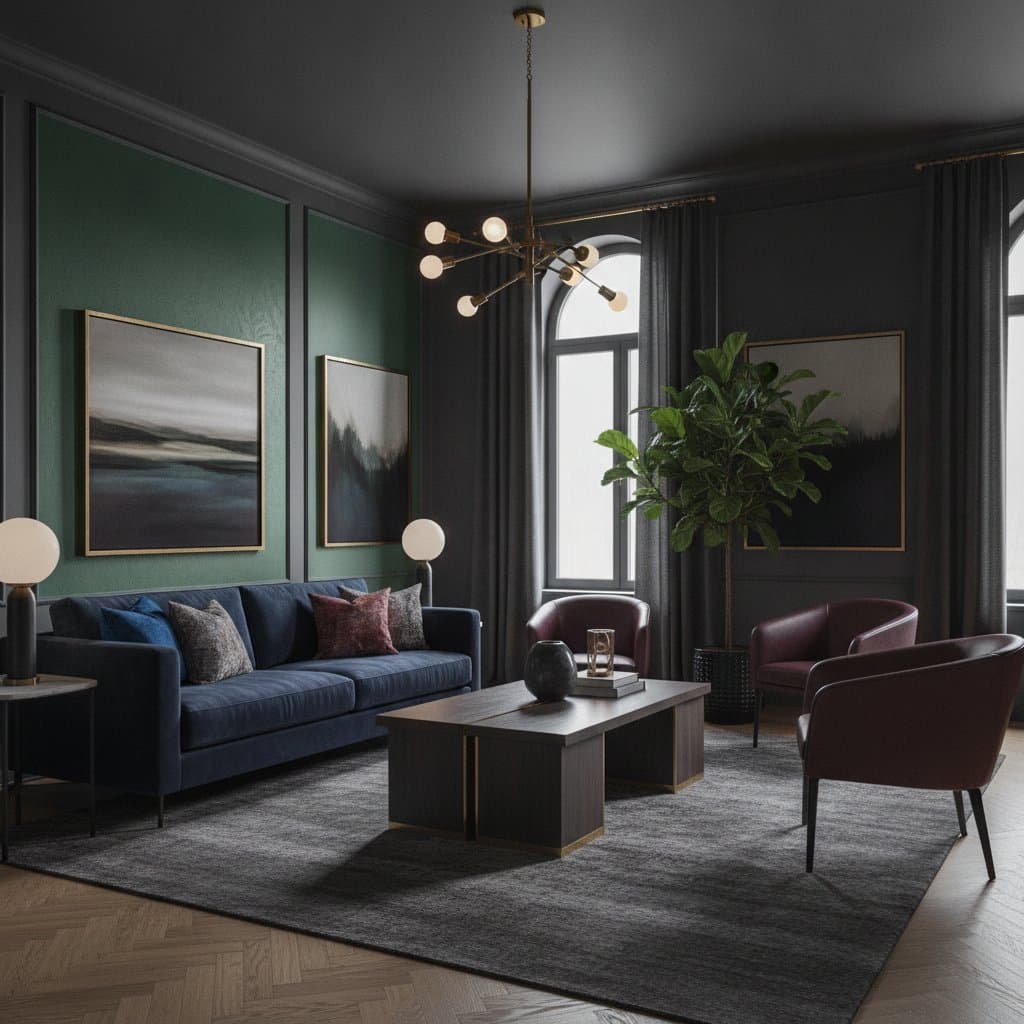
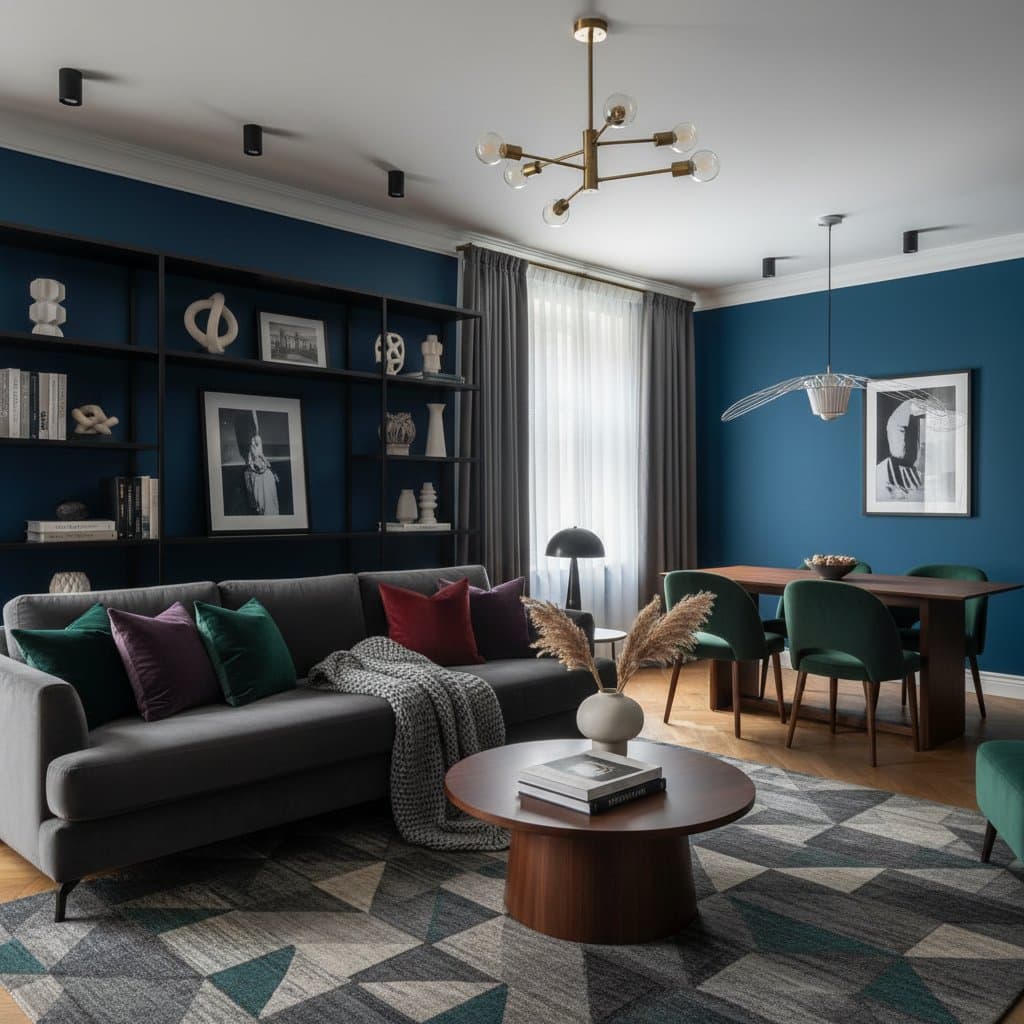
Dark and moody interiors enable homes to sell approximately 15 percent faster. Prospective buyers perceive these designs as contemporary, assured, and immediately habitable. A well-selected deep hue introduces warmth and drama that plain white walls fail to provide.
The Appeal of Dark Interiors
Dark paint imparts a deliberate character to any space. It conceals minor imperfections, enhances dimensional quality, and captures light effectively in photographs. In online property listings, interiors with moody walls distinguish themselves amid an abundance of subdued grays and beiges. This visual contrast captures attention, resulting in increased inquiries and viewings.
Prospective buyers form emotional connections as well. Rich shades such as navy, charcoal, and forest green evoke serenity and opulence. Jewel tones infuse vitality without overwhelming the senses. The resulting ambiance appears personalized rather than standard, allowing buyers to envision a complete lifestyle beyond mere blueprints.
Optimal Rooms for Dark Paint Application
Apply dark paint selectively to maximize its benefits. Target areas where added depth and intimacy enhance the overall experience.
- Living rooms: Position a dark accent wall behind the primary seating area to establish a focal point.
- Bedrooms: Employ deep colors to foster tranquility and mask wear from bed frames or nightstands.
- Dining rooms: Select jewel tones to elevate formal gatherings and create an intimate atmosphere.
- Powder rooms: Bold hues thrive in compact settings, leaving a memorable impact on guests.
Refrain from coating all surfaces in dark paint within confined or low-ceilinged areas. Integrate darker walls with lighter moldings or strategic artwork to maintain equilibrium.
Guide to Achieving a Dark and Moody Aesthetic
- Select a foundational hue. Opt for a profound shade that harmonizes with existing illumination and structural elements. Navy, charcoal, olive, and aubergine rank among favored choices.
- Evaluate samples comprehensively. Apply them across multiple walls and observe under both natural daylight and artificial evening light. Shadows alter perceptions more than anticipated.
- Prepare the surface meticulously. Repair imperfections and smooth irregularities. Dark paint amplifies any inadequacies in preparation.
- Employ a tinted primer. This ensures uniform coverage for subsequent layers.
- Apply two full coats. Use consistent rolling techniques in defined sections to eliminate visible streaks.
- Incorporate texture and contrast. Pair matte walls with glossy accents or metallic elements for visual interest.
- Curate furnishings intentionally. Integrate warm illumination sources and organic materials to sustain an welcoming environment.
Essential Tools and Materials
- Paint roller and angled brush
- Painter's tape and protective drop cloths
- Fine-grit sandpaper and spackling compound
- Tinted primer suited to dark topcoats
- Premium paint in the selected shade
- Sturdy ladder and adjustable task lighting
Dark finishes demand precision, as imperfections become more apparent than with lighter colors. Allocate resources toward superior implements for crisp lines and seamless application.
Estimated Costs and Timelines
| Task | Typical Cost Range | Influencing Factors |
|---|---|---|
| Paint and Primer | $60 to $120 per room | Quality of brand, finish type, and coverage efficiency |
| Supplies and Tools | $40 to $100 | Investment in durable, reusable items |
| Professional Labor | $300 to $700 per room | Room dimensions, preparation extent, and intricate details |
Costs fluctuate based on geographic location. Opting for a do-it-yourself approach minimizes expenses, though professionals deliver expedited results and superior uniformity.
Projected Duration:
- Do-it-yourself: One to two days per room, encompassing preparation and drying intervals.
- Professional team: Four to six hours per room.
Deciding Between DIY and Professional Services
Pursue DIY when:
- You possess steady application skills and tolerance for thorough preparation.
- The project involves modest spaces or focal accent walls.
Engage professionals when:
- Surfaces require significant restoration or demand flawless boundaries.
- Architectural features include elevated ceilings or ornate trim.
- Time constraints arise from an impending property sale.
Experts achieve precise edges, consistent finishes, and adept handling of dense pigments prone to uneven application.
Managing Lighting and Ambiance
Dark walls absorb ambient light, necessitating multifaceted illumination strategies for equilibrium. Layer overhead fixtures with freestanding lamps and mounted sconces. Select bulbs emitting warm tones to temper the palette. Incorporate reflective elements such as mirrors, glass tabletops, or brass hardware to redistribute light effectively.
In environments with scarce natural light, favor dark shades featuring warm undertones like olive, plum, or chocolate brown. Cooler variants such as deep blacks or blues suit well-lit interiors more advantageously.
Considerations for Regional and Climatic Variations
In regions with abundant sunlight, dark interiors provide a cooling, stabilizing effect. For cooler or overcast locales, prioritize warmer tones to counteract potential dreariness. Verify compliance with community guidelines for condominiums or heritage properties, as certain bodies regulate interior colors visible from exteriors.
Areas prone to high humidity require paints formulated for moisture resistance to avert bubbling or mold growth. In arid conditions, matte sheens camouflage dust accumulation more effectively than high-gloss alternatives.
The Psychological Impact of Dark Hues
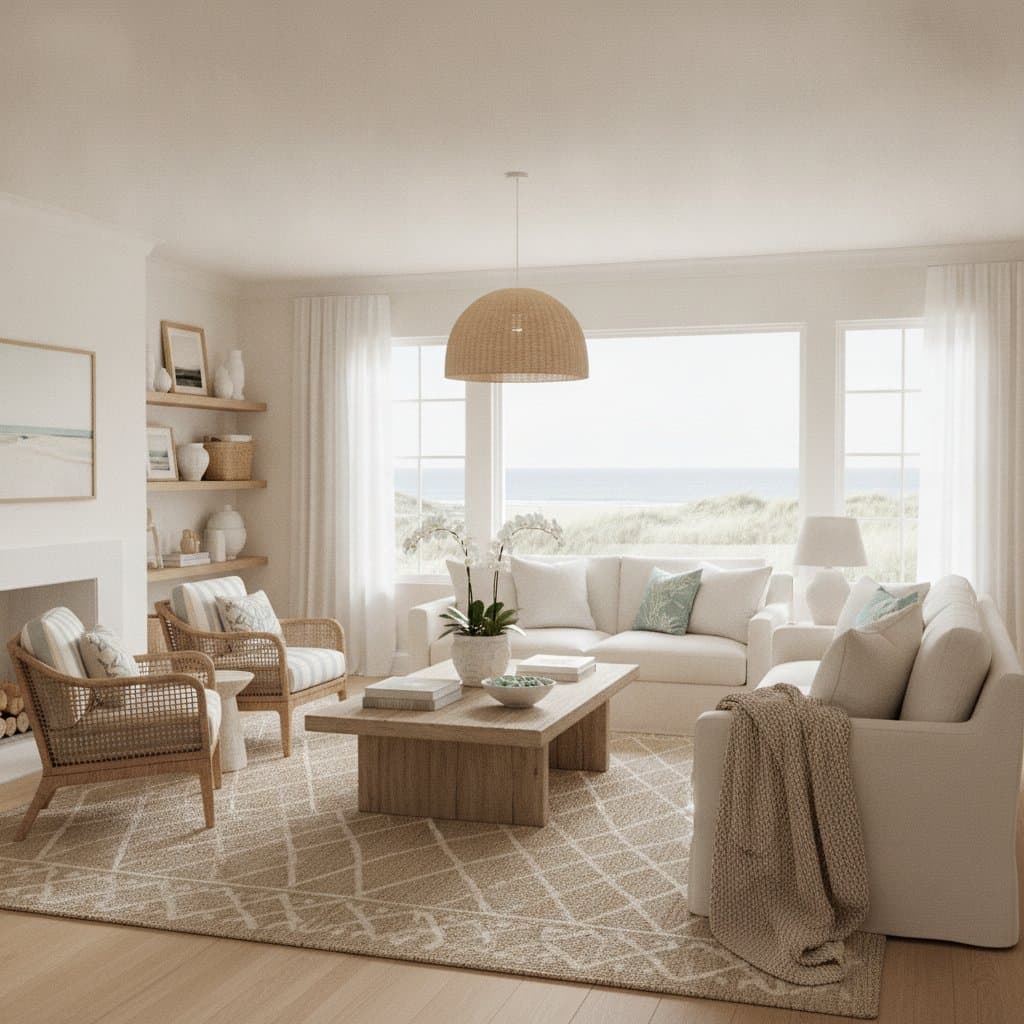
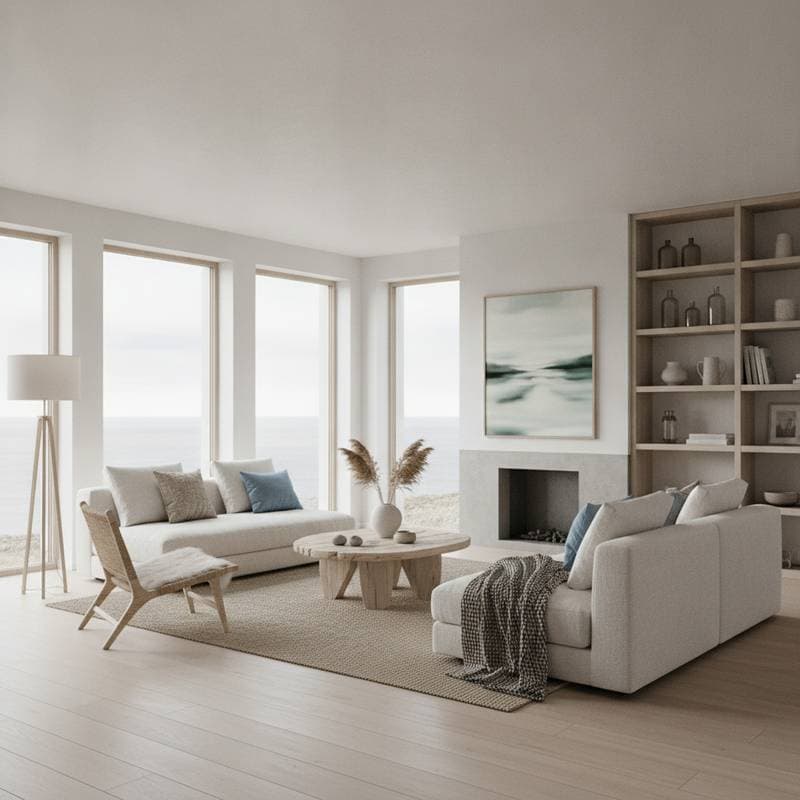
Light colors create an illusion of expansiveness. Dark colors draw the viewer inward, fostering a perception of profundity that elevates the room's perceived value. Buyers frequently characterize such spaces as polished or bespoke, irrespective of the simplicity of the transformation.
Key psychological associations include:
- Navy and indigo: Instill reliability and composure.
- Charcoal and black: Project elegance and refinement.
- Emerald and forest green: Infuse natural vitality.
- Burgundy and plum: Generate dynamism and intrigue.
These tones excel in digital imagery, enhancing the prominence of property listings.
Pitfalls to Sidestep
- Omitting primer application. Transitioning from light to dark bases risks streaking without adequate groundwork.
- Neglecting illumination assessment. Optimal colors appear lackluster under stark lighting.
- Darkening ceilings without compensation. Balance with pale trim or airy window treatments.
- Excessive ornamentation. Permit the walls to dominate; favor sparse, impactful decor over accumulation.
- Inappropriate sheen selection. Matte conceals irregularities, satin diffuses light, and gloss amplifies only on impeccable surfaces.
Safety Protocols and Preparation Advice
Ensure adequate ventilation during application. Secure trim and fixtures with painter's tape. Shield flooring with durable drop cloths. For oil-based formulations, utilize protective gloves and appropriate solvents for cleanup. Exclude children and pets from the area until the paint cures completely.
When addressing legacy lead-based paints, adhere to regional disposal regulations or contract certified remediation specialists.
Buyer Attraction Dynamics
Dark interiors excel in photography, minimize visible defects, and project uniqueness. Real estate professionals observe accelerated offers for properties showcasing moody rooms staged with contemporary lighting and streamlined furnishings. The palette conveys meticulous attention and assurance, reassuring buyers of the home's upkeep.
Even in renovation projects, dark paint serves investors by obscuring repairs and generating intrigue without substantial structural investments.
Preserving the Aesthetic Over Time
Maintain dark walls with delicate care. Employ a soft sponge and diluted soap solution for cleaning. Steer clear of coarse abrasives that may create glossy spots on matte surfaces. Address minor damages promptly to preserve uniformity.
Introduce seasonal elements such as metallic frames or textured textiles to sustain dynamism. During luminous periods, maximize natural light through open drapery for contrast. In subdued seasons, enhance coziness with ambient candles and diffused lamps.
Expert Recommendations for Optimal Results
- Initiate with a single wall application. Allow a full day to acclimate before expanding.
- Pair dark walls with untreated wood elements or crisp white accents for harmony.
- Integrate artwork in lighter palettes to provide breathing room.
- In expansive, open layouts, maintain cohesive color progression by varying intensity within a single family.
- Document photographic outcomes if preparing for a sale, ensuring the ambiance translates digitally.
Frequently Asked Questions
Do dark walls diminish a room's perceived size?
They may contract visually, yet strategic lighting and contrasting elements preserve proportionality.
Which finish suits dark paint most effectively?
Matte or eggshell variants obscure imperfections while delivering a sleek, contemporary finish.
Implementing Your Vision
Commence modestly by selecting a single room and a resonant deep hue aligned with your lighting and existing decor. Observe the transformative depth and its influence on spatial perception and personal comfort. This approach not only enhances immediate appeal but also positions the property advantageously in competitive markets.