Dark Accent Walls: The 2025 Shift from Neutrals to Moody Elegance
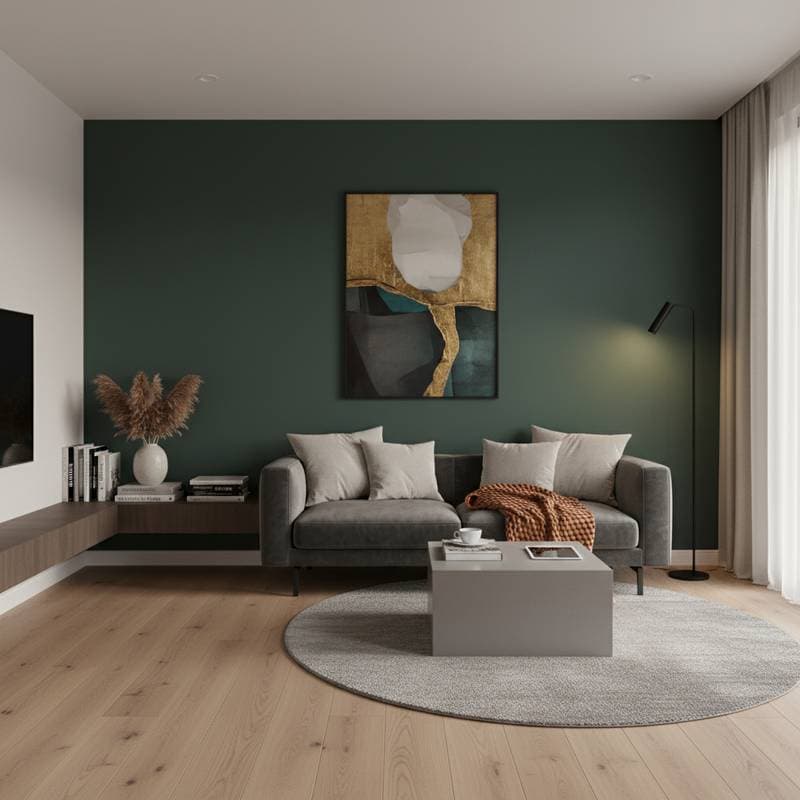
Dark accent walls emerge as a defining trend in 2025 home design. These bold choices replace the once-dominant bright neutrals, introducing layers of depth, warmth, and contemporary drama to living spaces. Homeowners increasingly seek this sophisticated approach to create intimate, personalized environments that reflect modern lifestyles.
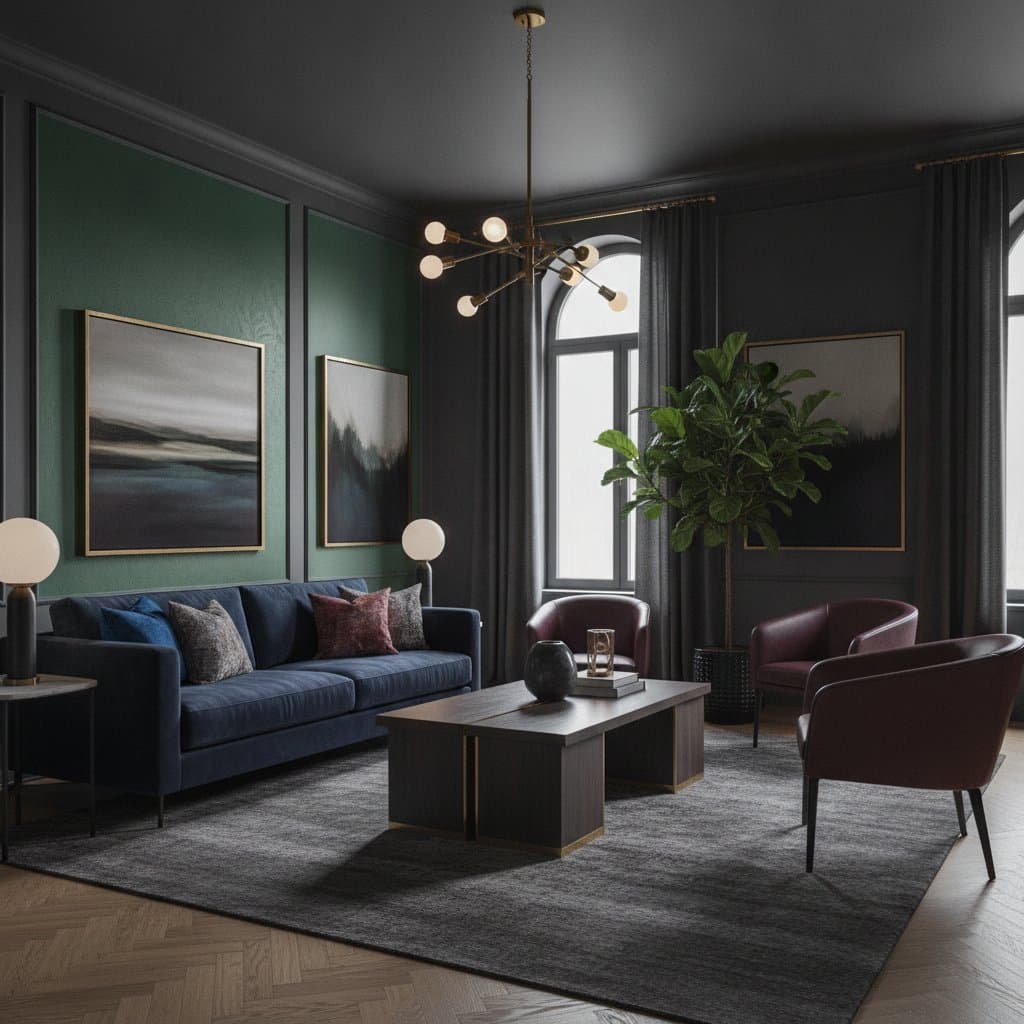
The appeal lies in the versatility of deep hues such as navy, charcoal, forest green, and aubergine. These colors transform ordinary rooms into captivating retreats. They absorb light thoughtfully, fostering a sense of calm and luxury without overwhelming the senses.
Selecting the right shade begins with understanding your space's unique characteristics. Consider the room's function, existing decor, and natural light patterns. A well-chosen dark accent wall serves as a focal point, enhancing furniture and artwork while grounding the overall aesthetic.
Tailoring Dark Walls to Your Space
Every room presents distinct challenges and opportunities when incorporating dark accent walls. The following guidelines help match colors to environmental factors for optimal results.
| Situation | Recommended Approach | Rationale |
|---|---|---|
| Room with limited natural light | Select warmer dark tones like olive or aubergine | These shades prevent the space from appearing cold or cavernous |
| Room with abundant sunlight | Opt for cooler tones such as navy or charcoal | They counteract excessive brightness and maintain balance |
| Small or compact space | Limit to a single accent wall | This technique avoids a claustrophobic effect |
| Open floor plan | Apply one consistent color across adjoining walls | It promotes seamless visual flow between areas |
Before finalizing a selection, test paint samples thoroughly. Apply a two-foot square patch near primary light sources and in corners. Observe the color throughout the day as lighting shifts. Note that dark paints frequently appear lighter when applied over larger surfaces.
Budgeting for Your Accent Wall Project
Investing in a dark accent wall yields high-impact results at a manageable cost. Planning ahead ensures value without unnecessary expenses.
| Task | Estimated Cost Range | Factors Influencing Price |
|---|---|---|
| Paint and basic supplies | $50 to $150 | Quality of brand, finish type, and required coats |
| DIY labor | Free to $50 | Availability of existing tools like rollers and tape |
| Professional painting | $200 to $600 per wall | Dimensions of the room, preparation needs, and local labor rates |
Costs fluctuate based on geographic location. Regions with high demand for skilled labor or premium products often command higher prices. To minimize expenses, handle the painting personally and repurpose tools. For superior outcomes, engage a professional capable of achieving precise edges and flawless finishes.
Deciding Between DIY and Professional Services
The choice between self-application and hiring experts depends on project scope and personal skill level.
Pursue DIY when:
- The wall measures small and requires no ladders for access.
- You possess steady hands and tolerance for meticulous edging.
- The project aligns with your interest in hands-on home improvements.
Engage a professional when:
- The surface features texture or extends to significant heights.
- Specialty finishes such as matte or velvet require expertise.
- Precision near trim or ceilings demands professional accuracy.
Professionals often provide guidance on appropriate sheen levels. Flat finishes conceal surface imperfections but attract marks readily. Satin options offer improved cleanability while introducing subtle light reflection.
Prior to starting, review any home warranty or property management stipulations. Certain agreements mandate professional execution or prior approval for alterations.
Enhancing with Lighting and Finishes
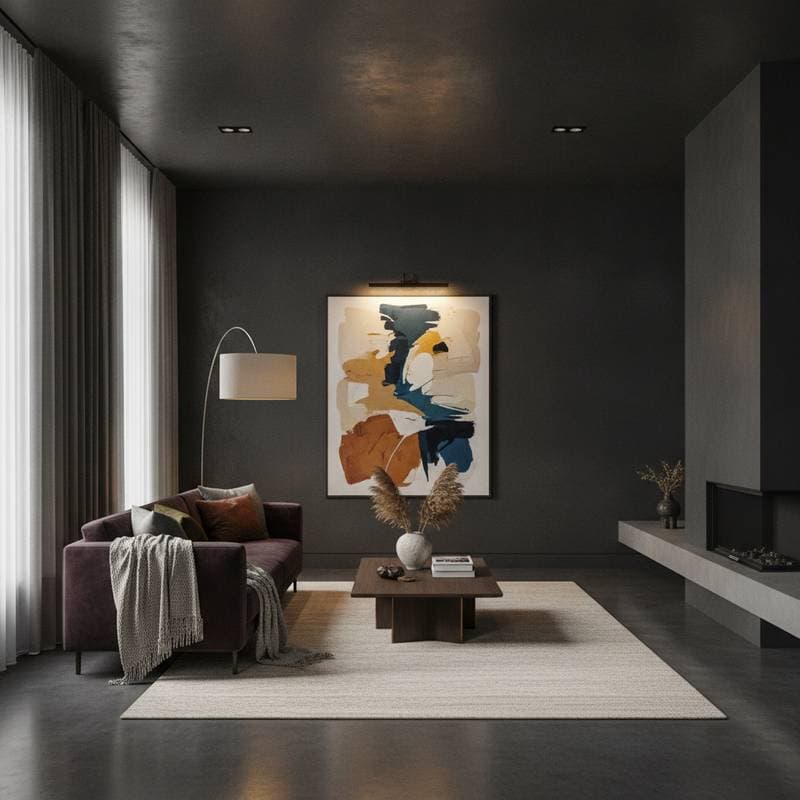
Effective lighting elevates a dark accent wall from functional to transformative. Warm-toned bulbs complement deep colors by softening their intensity. In contrast, cool white bulbs may render the hues lifeless.
Incorporate supplementary sources like floor lamps or wall sconces to accentuate texture and depth. These elements draw attention to the wall's role as a design anchor.
Finish selection influences both appearance and maintenance.
- Matte: Delivers a smooth, refined look while masking minor flaws.
- Eggshell: Provides a gentle sheen for straightforward cleaning.
- Satin: Reflects light moderately to emphasize structural details.
Eggshell or satin proves ideal for high-traffic living areas, striking a balance between resilience and visual appeal.
Adapting to Regional and Climate Considerations
Local conditions shape paint choices for longevity and comfort. In humid or coastal areas, prioritize mildew-resistant formulations to combat moisture. Dry climates call for low-VOC options that minimize indoor emissions.
Walls exposed to intense sunlight benefit from UV-resistant paints to resist fading over time. In colder regions, darker tones visually warm interiors during extended winter periods.
Consult local building codes or rental agreements prior to painting, particularly in condominiums or leased properties. Homeowners associations may restrict externally visible color modifications.
Indicators for Professional Intervention
Certain scenarios warrant expert assistance to ensure safety and quality.
Seek a professional painter if:
- Ceilings reach high elevations or involve stairwells.
- The wall incorporates complex trim or integrated cabinetry.
- Desired effects include advanced techniques like limewash or metallic glazes.
- Existing oil-based paint necessitates specialized priming.
Experts arrive equipped with necessary tools, including ladders and sprayers, and possess knowledge of dark paint application challenges.
Pitfalls to Sidestep in Dark Wall Projects
Avoid these frequent errors to achieve a seamless finish.
- Neglecting primer application, which allows underlying light colors to show through.
- Employing substandard rollers that deposit lint on the fresh dark surface.
- Overlooking home lighting conditions, leading to colors that disappoint in actual use.
- Covering multiple walls in dark shades, which can constrict the perceived space.
- Hastening the drying process, resulting in peeling or streaked outcomes.
Patience throughout yields a wall that enhances your home's character enduringly.
Essential Techniques for Flawless Execution
Adopt these practices to streamline the painting process.
- Schedule work on a dry, temperate day to facilitate uniform drying.
- Maintain a wet edge during rolling to eliminate visible lap marks.
- Utilize extension poles for consistent pressure and extended reach.
- Stir the paint frequently to distribute pigments evenly.
- Pause periodically to assess coverage under varying light angles.
Such disciplined steps avert the need for extensive corrections.
Moving Forward with Your Moody Wall
Embrace a dark accent wall for an accessible path to elevated interior style. Choose a hue that resonates with the desired ambiance, beyond mere sample appearances. Deep blues promote tranquility, greens evoke natural harmony, and charcoals infuse sleek modernity.
This single update anchors furnishings and invigorates daily living. The result: a home that feels both current and intimately yours.
Frequently Asked Questions
What if my dark wall feels too intense after painting? Balance it with light furnishings and metallic accents to lift the mood.
How do I clean a matte finish without damaging it? Use a soft cloth with mild soap solution, avoiding abrasives.
Can dark accent walls work in rental properties? Yes, if reversible; opt for removable wallpaper alternatives or seek landlord approval.
Which rooms benefit most from this trend? Bedrooms and home offices thrive, as the tones foster relaxation and focus.
How long does the paint last before touch-ups? Quality applications endure 5-10 years with proper care.