Moody Paint Colors Command 6% Higher Offers in 2026
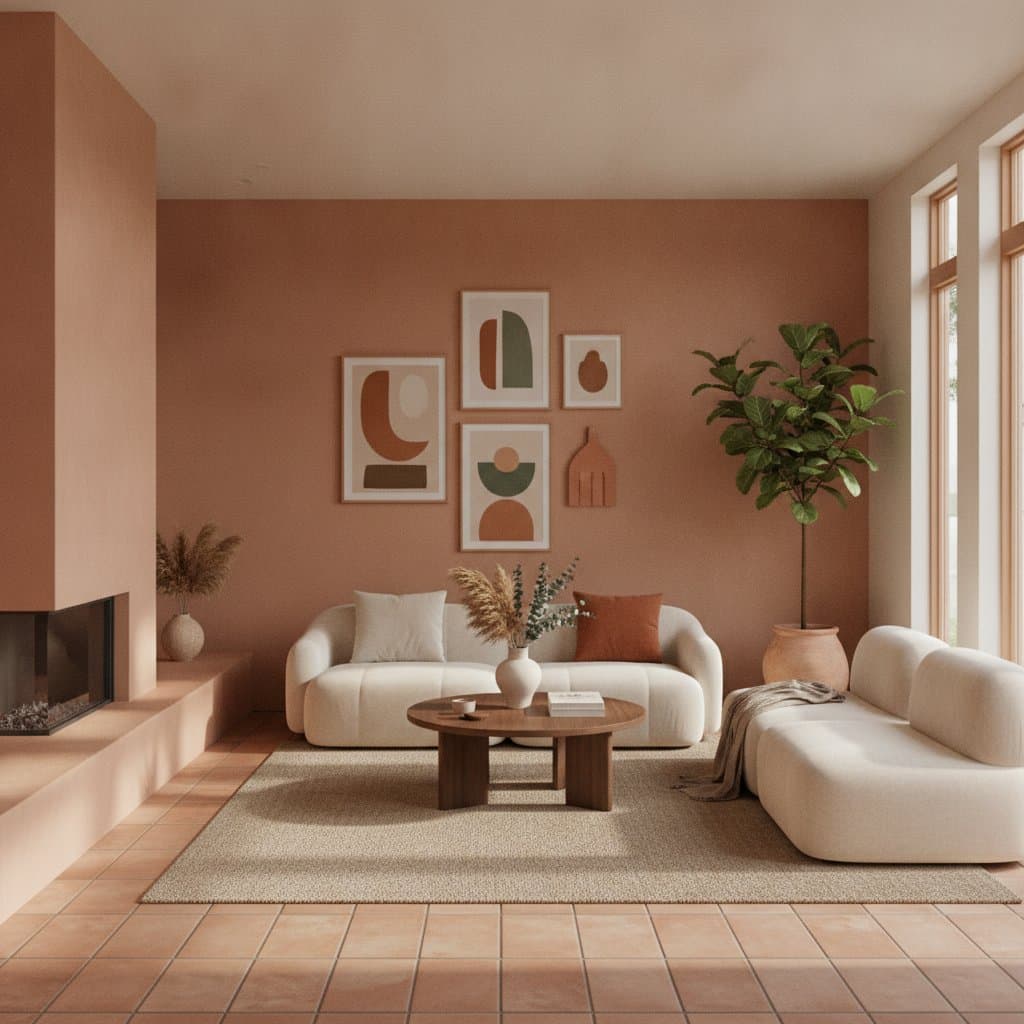
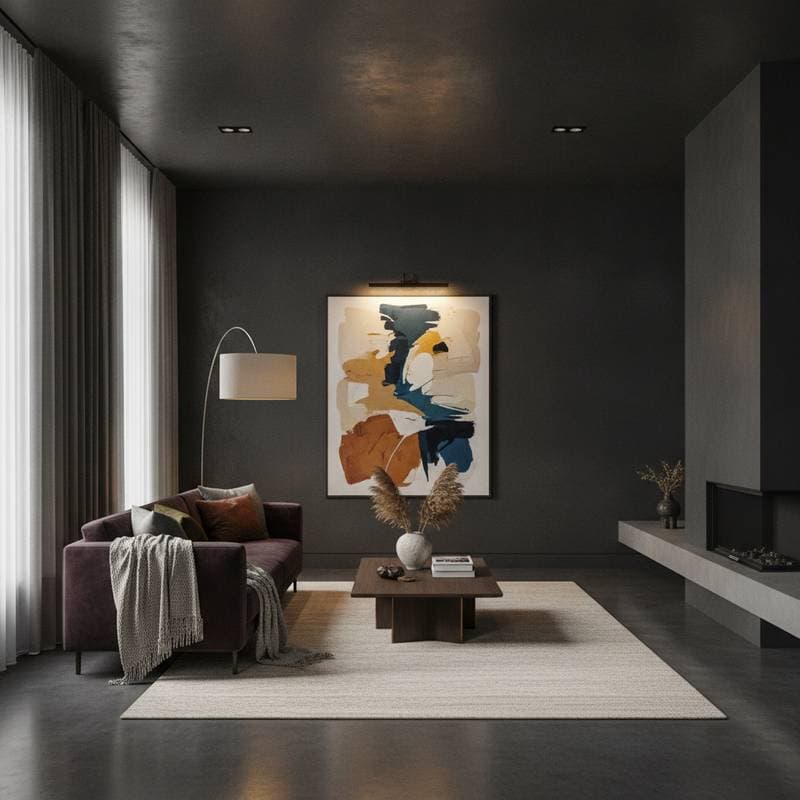
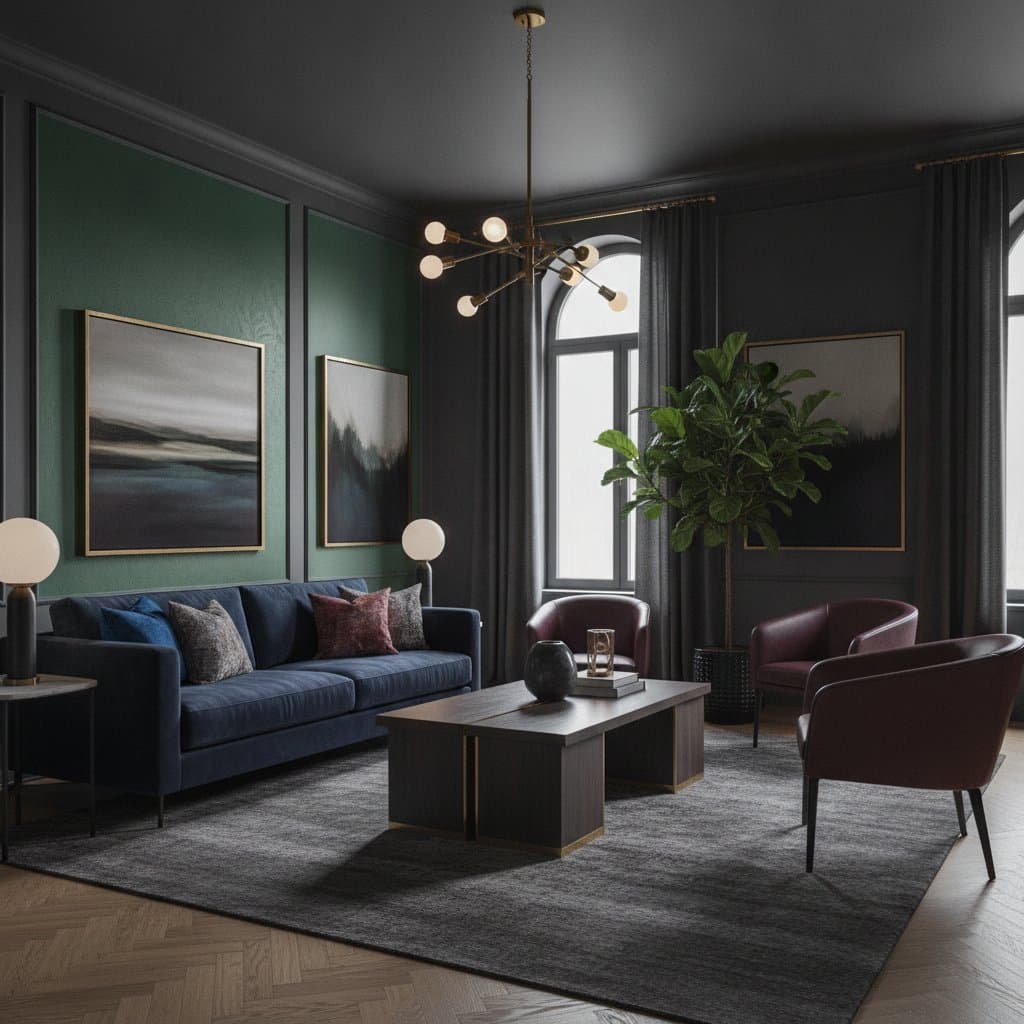
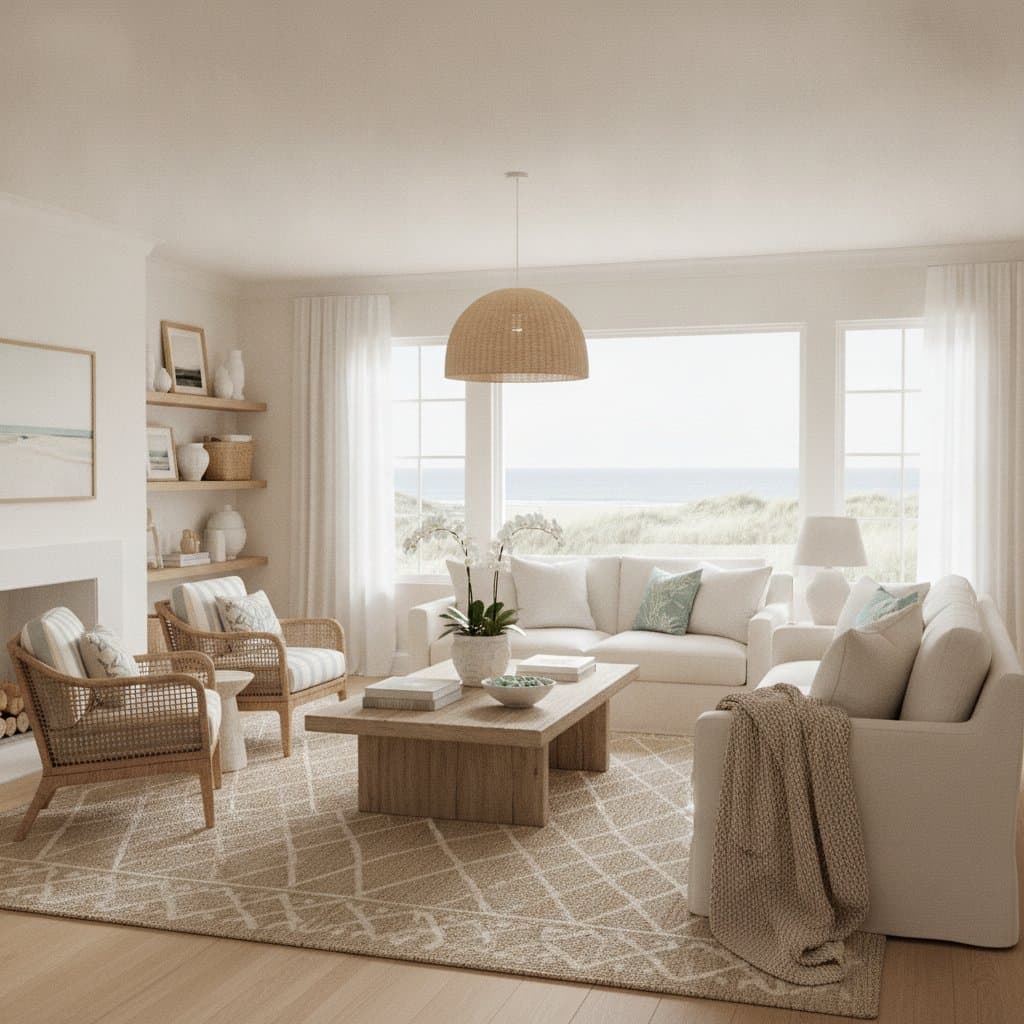
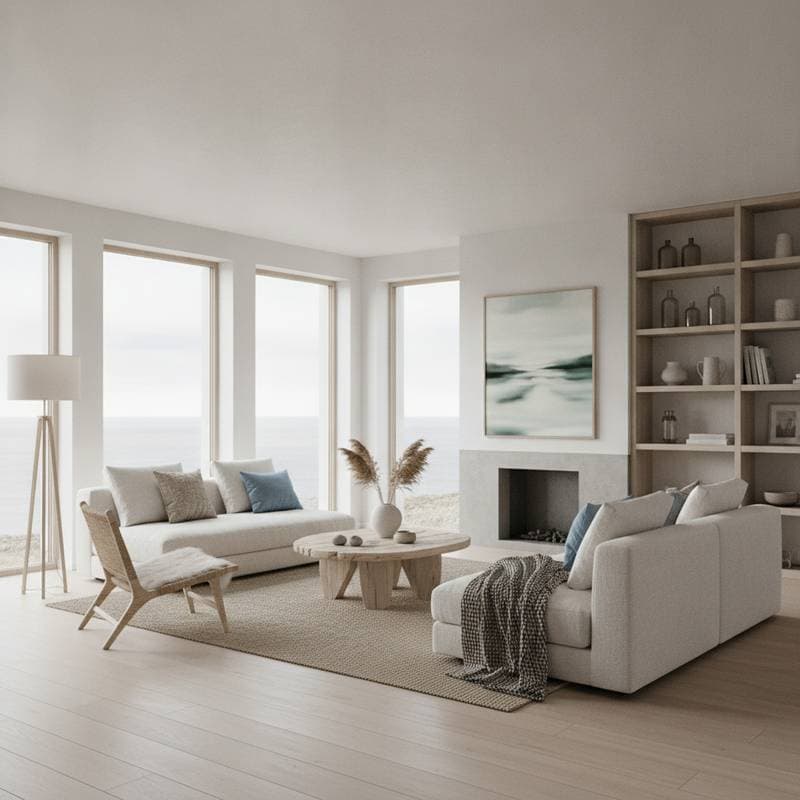
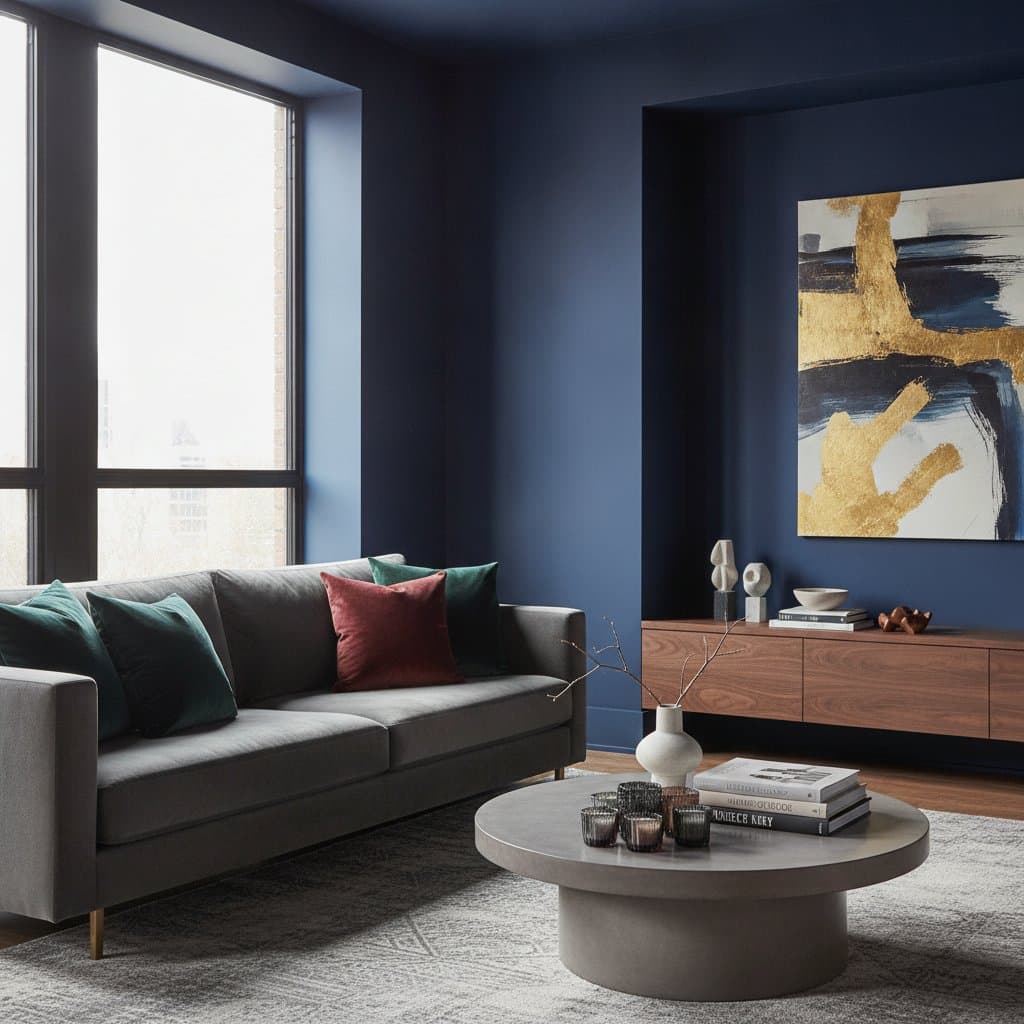
Homes finished in rich, moody wall colors receive offers approximately 6 percent higher than similar properties presented in light neutrals. Buyers respond to the depth, warmth, and sophistication these tones create.
Cost Factors
Paint Quality
A gallon of premium interior paint costs between 45 and 80 dollars. Mid-grade options range from 30 to 45 dollars. Darker pigments require an additional coat for uniform coverage, so plan to purchase roughly 15 percent more paint than would be needed for lighter shades.
Labor
Professional painters charge 2 to 4 dollars per square foot. The rate varies with surface preparation and ceiling height. Deep colors demand precise edging and often a tinted primer, which adds 0.50 to 1 dollar per square foot.
Room Size and Preparation
Large rooms, intricate trim, and textured surfaces increase both time and expense. Budget an extra 50 to 100 dollars for supplies such as rollers, tape, and protective sheeting when completing the work yourself.
Permits and Disposal
Most interior painting projects do not require permits. Confirm local rules if the property lies within a regulated district. Dispose of leftover paint through municipal hazardous-waste programs.
DIY Versus Professional Application
Homeowners should consider DIY when walls are smooth, tools are available, and multiple coats can be applied with steady technique. Professional help becomes advisable for ceilings taller than nine feet, existing damage, glossy prior finishes, or when crisp transitions between dark walls and light trim are required. Uneven coverage and visible roller marks remain common DIY risks that often exceed the initial cost of hiring experienced crews.
Maintenance and Warranties
High-quality interior paint typically lasts seven to ten years. Darker finishes reveal dust and scuffs more readily, making washable sheens the practical choice. Clean surfaces gently with a damp microfiber cloth. Near kitchens or entryways, a clear protective topcoat simplifies future cleaning. Store a small sealed container of the original paint for touch-ups, which blend best within the first year. Premium products frequently carry five- to ten-year limited warranties against fading or peeling when application follows label instructions.
Buyer Response to Dramatic Interiors
Real estate data indicate that dark, dramatic rooms photograph effectively and appear curated in online listings. Deep tones convey confidence and considered style, particularly when paired with neutral furnishings and layered lighting. Charcoal dining rooms or midnight-blue bedrooms communicate calm sophistication. Jewel-toned offices feel grounded and current, helping properties distinguish themselves in competitive markets.
Safety and Preparation
- Wear gloves, a mask, and goggles during sanding or priming.
- Disconnect power to outlets and switches before removal.
- Test for lead paint in older homes prior to sanding or scraping.
- Use ladders rated for the intended load and maintain stable footing.
- Maintain ventilation throughout the process.
Execution Steps
- Apply large test swatches on several walls and evaluate them under both natural and artificial light.
- Clean surfaces, repair imperfections, sand glossy areas, and apply tinted primer.
- Apply a minimum of two coats to achieve consistent depth.
- Incorporate warm bulbs and accent lamps to avoid a closed-in appearance.
- Introduce light rugs, metallic accents, and natural wood elements to maintain an inviting atmosphere.
Putting These Insights Into Practice
Begin with a single test room. Compare two paint grades while accounting for primer and finish coats. Obtain multiple professional quotes that detail preparation and cleanup. Schedule work during mild weather. Establish a simple maintenance routine to preserve color richness and surface integrity over time.