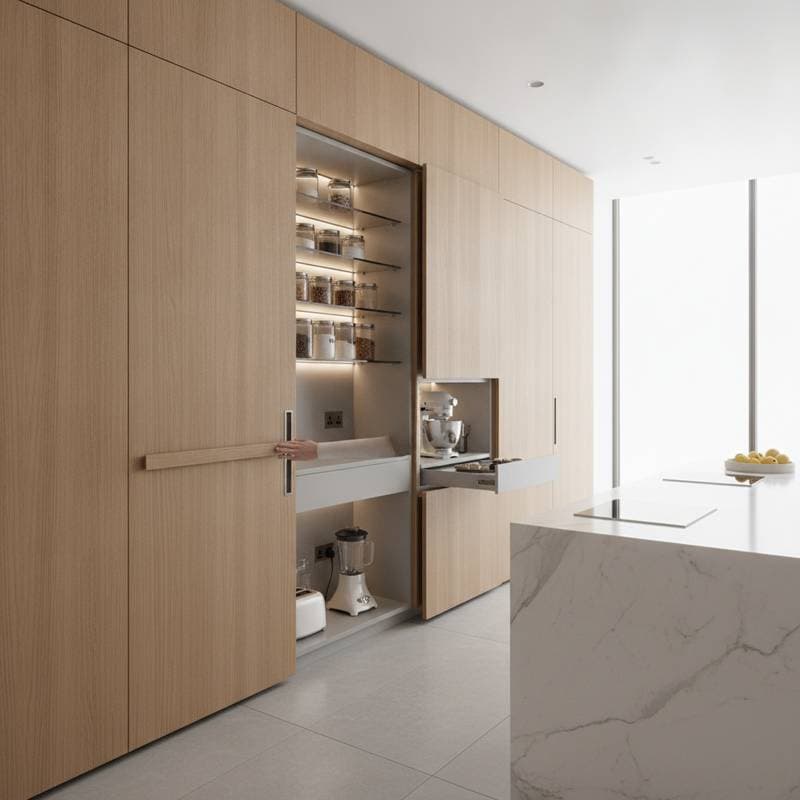
Hidden Storage Clears Clutter in Modern Kitchens
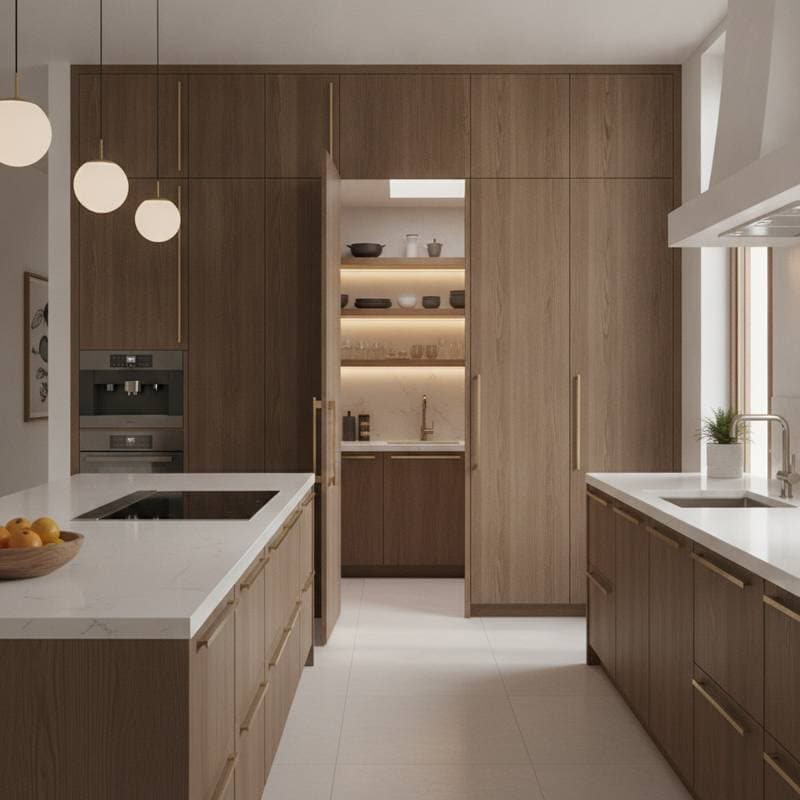
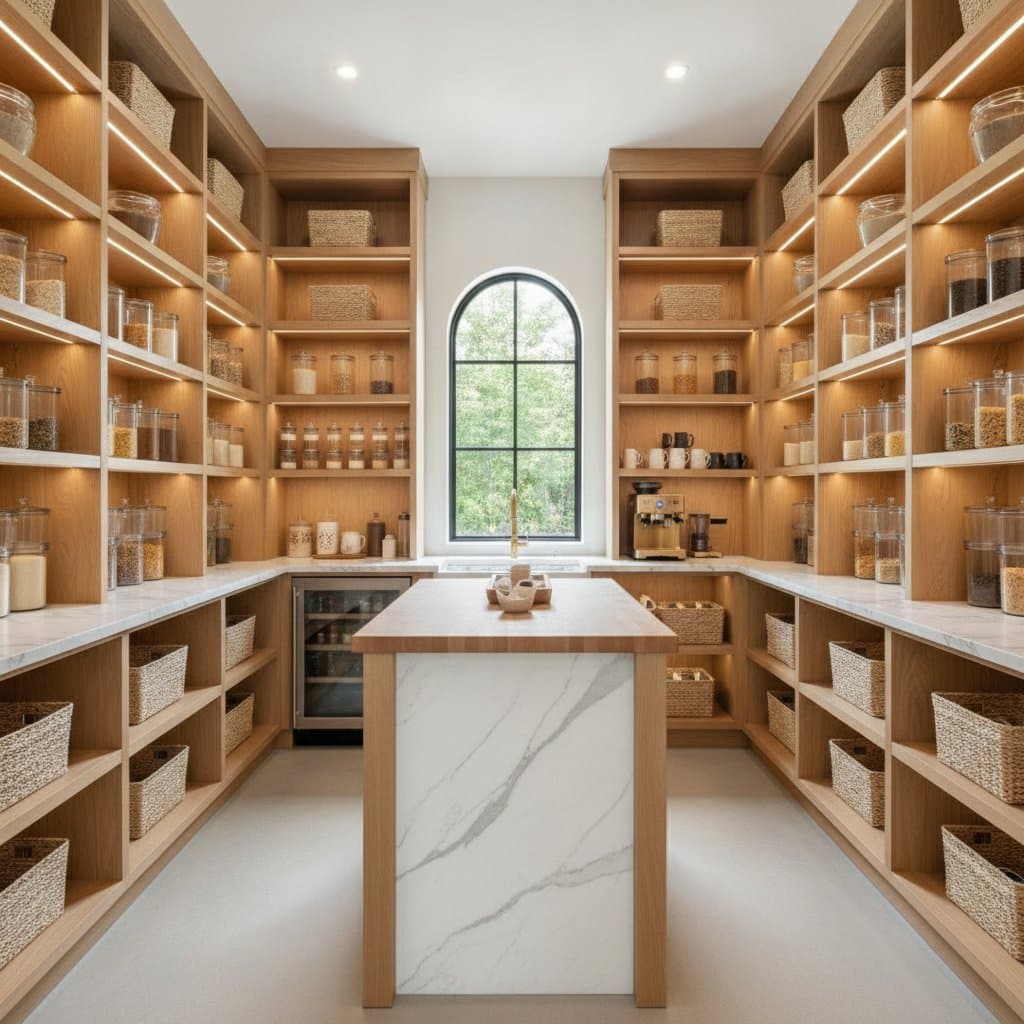
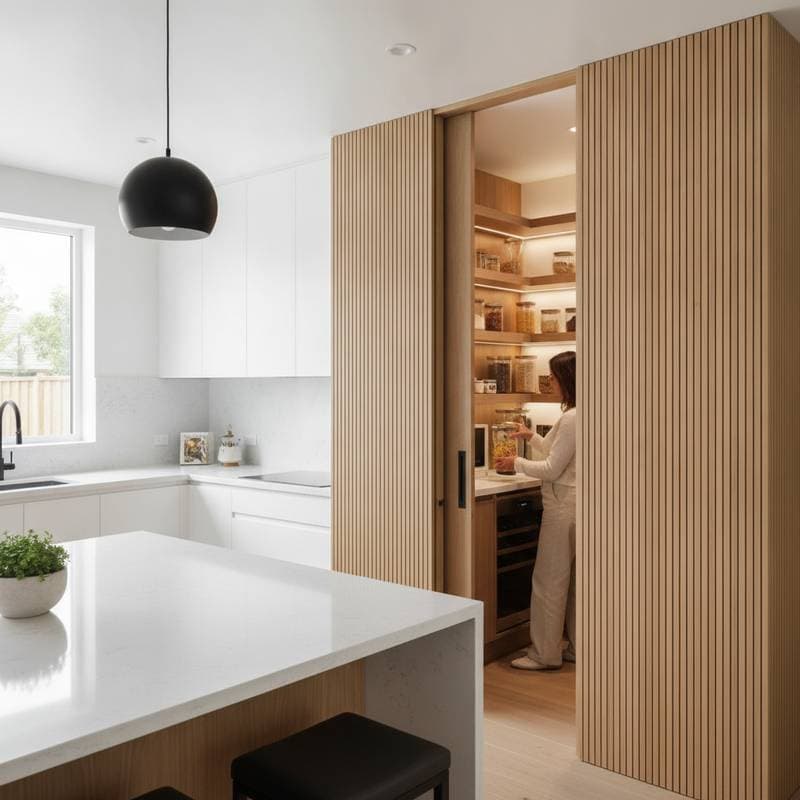
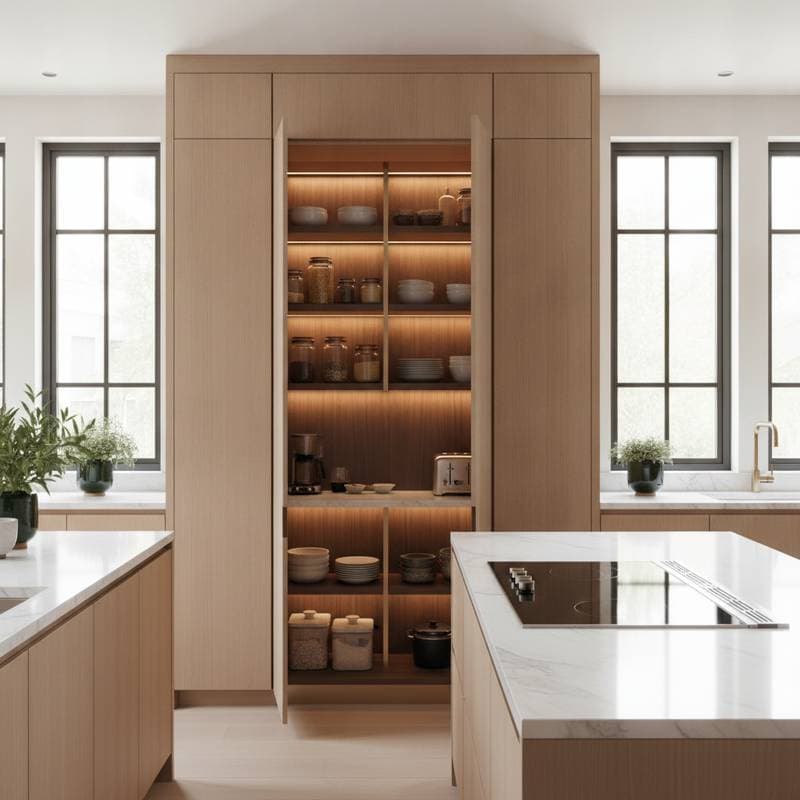
Hidden pantries and appliance garages deliver streamlined kitchens by tucking away essentials behind seamless panels. These features reduce visual noise while preserving easy access to everyday items. Homeowners gain both efficiency and a polished aesthetic that supports higher property values.
Assessing Risks and Professional Needs
Misaligned doors or inadequate ventilation may trap heat and moisture near appliances. Structural changes for a hidden pantry require careful planning to avoid interference with existing systems.
Hire specialists when projects involve cutting into load bearing walls, rerouting electrical lines, or matching custom finishes across several surfaces. Carpenters align concealed hinges for flush closure. Electricians relocate outlets safely. Designers position heavy items at waist height to support natural workflow. Professionally built units often outlast rushed do it yourself efforts by a wide margin.
Ongoing Care and Coverage Details
Monthly shelf wiping prevents residue accumulation in a hidden pantry. Maintain indoor humidity below 60 percent to protect wood and contents. Annual hinge inspections and screw tightening stop sagging. Light strips typically need replacement after five to seven years.
For appliance garages, clean appliance vents regularly and avoid outlet overload. Clear door tracks of debris to maintain smooth operation. Touch up finishes promptly. Factory cabinetry warranties usually span five to ten years. Custom work depends on finish quality and climate control. Hardware and lighting components carry one to three year coverage. Retain all receipts and installation photographs for future claims.
Material Options and Budget Ranges
Material selection should match local humidity levels and usage patterns. Coastal homes benefit from moisture resistant plywood.
| Material | Cost per sq. ft. | Durability | Maintenance | Notes |
|---|---|---|---|---|
| Melamine | $1.50 to $3.50 | Moderate | Easy | Low cost wipe clean surface |
| Painted MDF | $4 to $8 | High | Medium | Smooth finish requires humidity control |
| Plywood | $5 to $10 | Very High | Low | Handles weight and moisture effectively |
| Veneer or Wood | $7 to $15 | Very High | Medium | Premium appearance with moderate upkeep |
A midrange kitchen project typically includes these line items.
| Item | Typical Cost | Notes |
|---|---|---|
| Hidden pantry with custom fronts | $8,000 | 7 by 4 ft recessed wall space |
| Appliance garage with lift up doors | $3,200 | Fits three small appliances |
| Lighting and outlets | $600 | Wiring plus LED strips |
| Labor and trim | $2,000 | Two person crew over three weeks |
| Contingency | $1,200 | 12 percent of total budget |
The combined estimate reaches approximately $15,000.
Implementation Sequence
Confirm wall depth, outlet locations, and door swing clearance first. Position frequently used goods between waist and eye level. Order panels and hardware early to account for lead times. Match outlet quantity to appliance power needs. Anchor frames securely into studs during installation. Apply caulk, paint, or stain, then verify door function before final placement. Add strip or puck lighting prior to shelf installation.
Retain one installer for both features to preserve alignment and finish consistency. Document each phase for warranty records. Keep appliances stored off site until surfaces cure fully.
Lasting Returns
These upgrades create daily convenience through organized storage and reduced countertop clutter. They also contribute measurable value at resale by presenting a clean, functional cooking environment. Thoughtful execution ensures the improvements remain practical and attractive for years ahead.