What Is a Hidden Prep Kitchen?
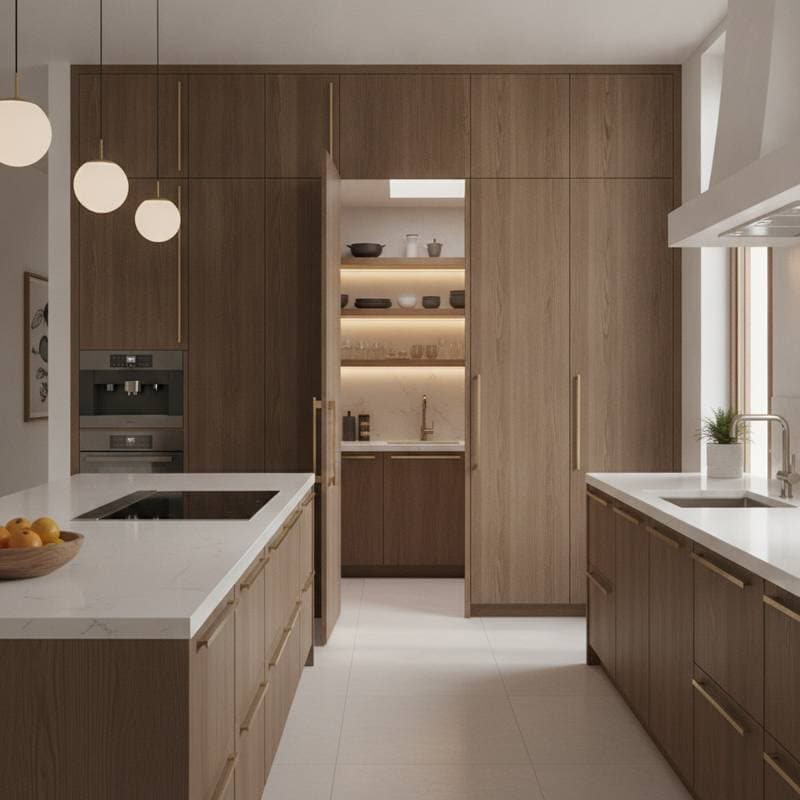
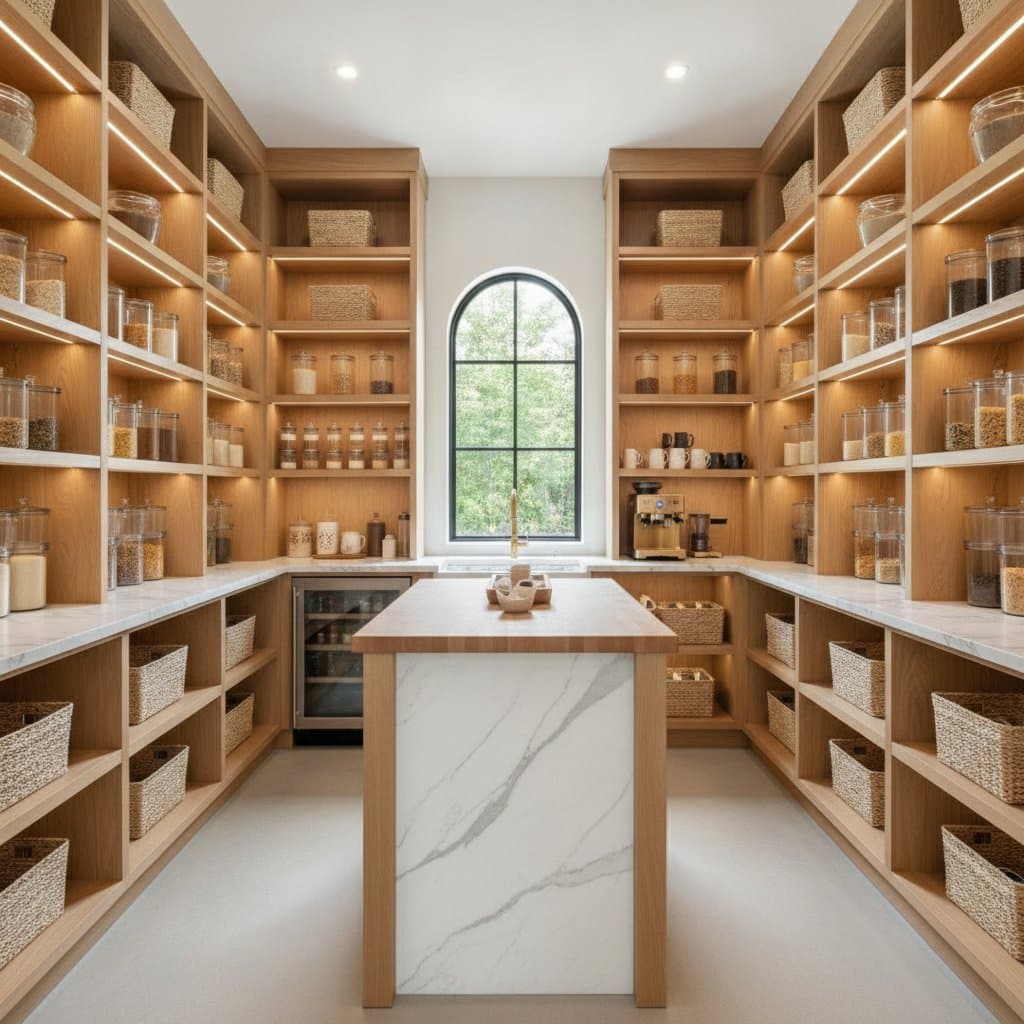
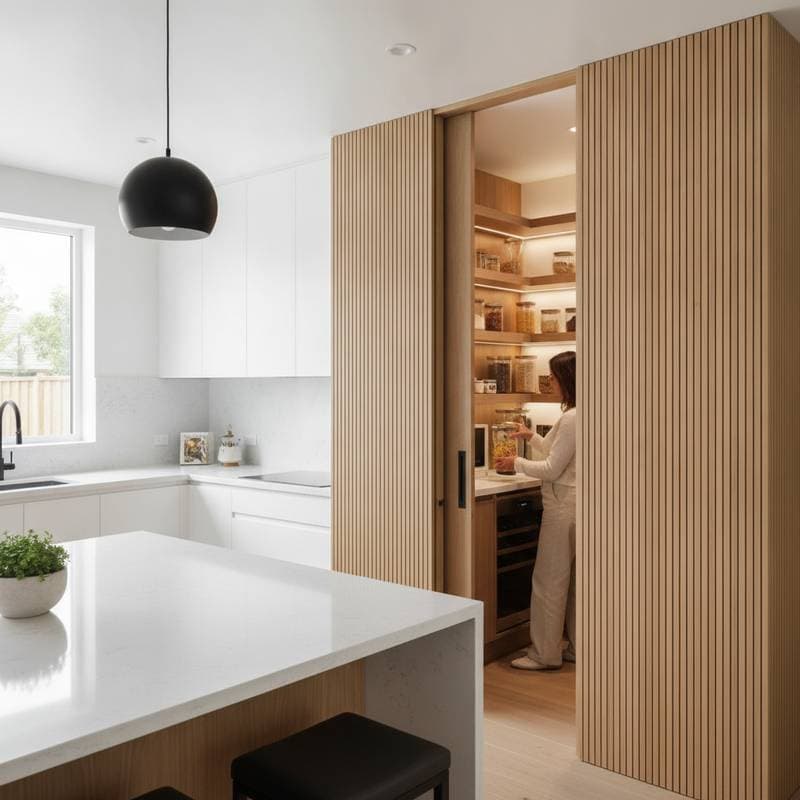
A hidden prep kitchen serves as a secondary space dedicated to food preparation, positioned discreetly adjacent to or behind the primary kitchen. This setup allows homeowners to handle messy cooking tasks away from the main entertaining area. The concept draws from professional culinary environments, where separation enhances efficiency and cleanliness.
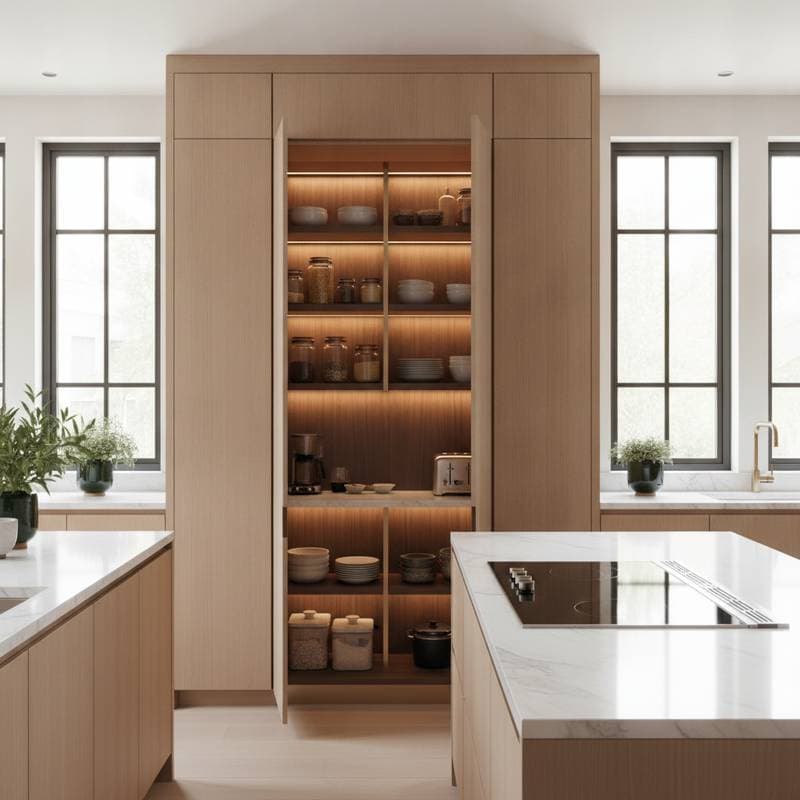
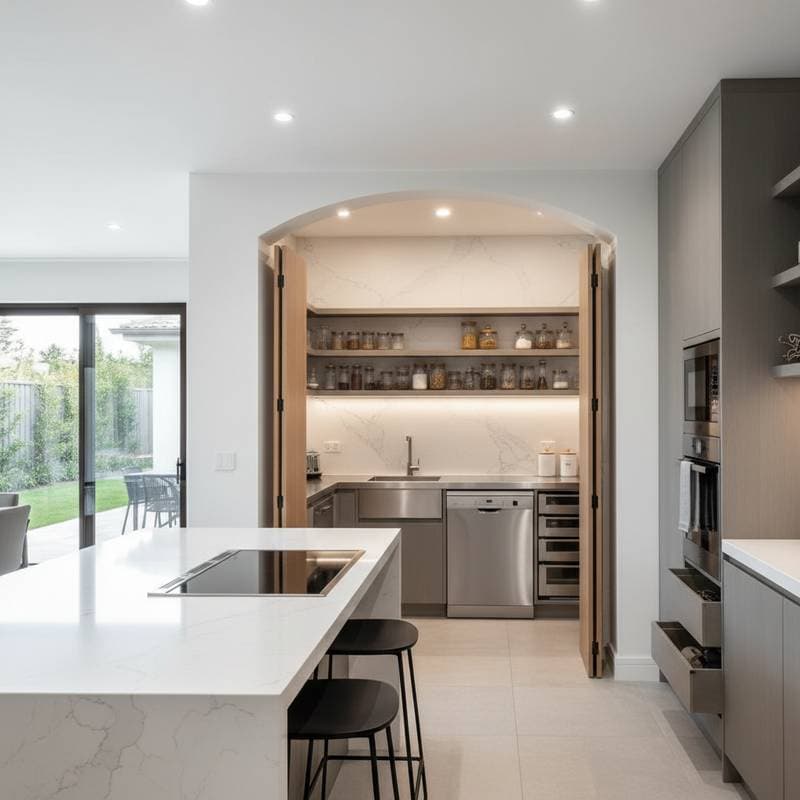
These spaces typically measure between 50 and 150 square feet, depending on the home's layout. They include essential appliances such as a sink, refrigerator, and cooktop, often concealed behind cabinetry or sliding panels for a seamless appearance. By maintaining a clutter-free main kitchen, hidden prep areas elevate the overall aesthetic and functionality of the home.
The Impact on Home Resale Value
Incorporating a hidden prep kitchen can increase a property's resale value by up to $45,000, according to real estate trends in upscale markets. Buyers perceive this feature as a luxury upgrade that combines practicality with high-end design. Appraisers often highlight such additions for their ability to appeal to discerning purchasers seeking modern conveniences.
The value boost stems from enhanced marketability. Homes with dedicated prep spaces stand out in listings, attracting offers 10 to 15 percent above comparable properties without them. This premium reflects the growing demand for homes that support both daily routines and social gatherings without compromise.
In regions like Louisiana, where habitatgroupla.com operates, coastal and suburban buyers prioritize features that withstand humidity and frequent entertaining. A well-integrated prep kitchen addresses these needs, positioning the home as a premium asset.
Key Benefits for Daily Living and Entertaining
Hidden prep kitchens streamline household operations by isolating preparation from presentation. Homeowners chop vegetables, marinate meats, or store bulk groceries in this area, preserving the main kitchen's pristine condition. This division reduces stress during meal preparation and simplifies cleanup.
For entertaining, the setup shines. Guests enjoy the primary kitchen as a social hub, free from cooking chaos. The hidden space enables hosts to plate dishes elegantly and restock beverages discreetly, creating an impression of effortless hospitality.
Additional advantages include improved workflow and space utilization. Families with avid cooks benefit from the extra counter space and storage, while the design minimizes cross-traffic in busy homes. Overall, these kitchens foster a more organized and enjoyable living environment.
Design Tips for Seamless Integration
Successful hidden prep kitchens blend into the existing architecture. Match cabinetry finishes, countertop materials, and flooring to the main kitchen for a cohesive look. Use neutral palettes with subtle accents to avoid drawing attention to the concealed area.
Consider layout options that maximize efficiency. A linear design along a wall works well in compact homes, featuring pull-out pantries and fold-down work surfaces. For larger spaces, an L-shaped configuration accommodates multiple appliances without overwhelming the footprint.
Incorporate smart storage solutions to optimize every inch. Vertical pull-out drawers hold utensils, while appliance garages conceal small gadgets. Lighting plays a crucial role; install under-cabinet LEDs for task illumination that does not spill into the main area.
Ventilation requires careful planning. A quiet range hood or downdraft system extracts odors effectively, maintaining air quality. Doors or screens, such as pocket sliders, provide access while containing sounds and smells.
Essential Features to Include
Prioritize functionality with core elements tailored to user needs.
- Sink and Faucet: Opt for a deep basin with a high-arc faucet for versatile prep work. Undermount models facilitate easy cleaning.
- Appliances: Select compact versions, including a countertop oven, induction cooktop, and undercounter refrigerator. Energy-efficient models reduce utility costs.
- Storage: Install adjustable shelving and drawer organizers. Lazy Susans in corners access spices and dry goods efficiently.
- Work Surfaces: Choose durable quartz or granite for heat resistance and hygiene. Include a butcher block section for cutting tasks.
These components ensure the space supports diverse culinary activities, from baking to beverage service.
Cost Considerations and Budgeting
The average cost to install a hidden prep kitchen ranges from $15,000 to $50,000, influenced by size, materials, and complexity. Basic setups with standard appliances start at the lower end, while custom designs with premium finishes approach the higher figure.
Break down expenses as follows:
- Demolition and Framing: $2,000 to $5,000, covering wall modifications and plumbing rerouting.
- Cabinetry and Countertops: $5,000 to $15,000, depending on quality and customization.
- Appliances and Fixtures: $3,000 to $10,000 for integrated units.
- Labor and Permits: $5,000 to $20,000, varying by location and contractor rates.
Homeowners recoup 70 to 90 percent of the investment through increased resale value. Financing options, such as home equity loans, make the project accessible. Consult local builders for accurate quotes tailored to regional material costs.
Planning and Implementation Steps
Begin the process with a thorough assessment of your home's layout. Measure available space and evaluate electrical and plumbing access. Sketch initial concepts to visualize flow between the prep and main areas.
Next, select a designer or contractor experienced in kitchen renovations. Review portfolios for examples of concealed spaces. Discuss timelines, typically 4 to 8 weeks, to minimize disruption.
During construction, prioritize safety and compliance. Ensure proper ventilation meets building codes, and test appliances before final installation. Post-completion, organize the space with labeled storage to maximize usability from day one.
Maximizing Return on Your Investment
A hidden prep kitchen transforms routine tasks into efficient pleasures while signaling sophistication to potential buyers. This upgrade not only enhances current enjoyment but also secures long-term financial gains. Invest thoughtfully to create a feature that elevates both lifestyle and property worth.