Understanding the 2025 Hidden Pantry Trend
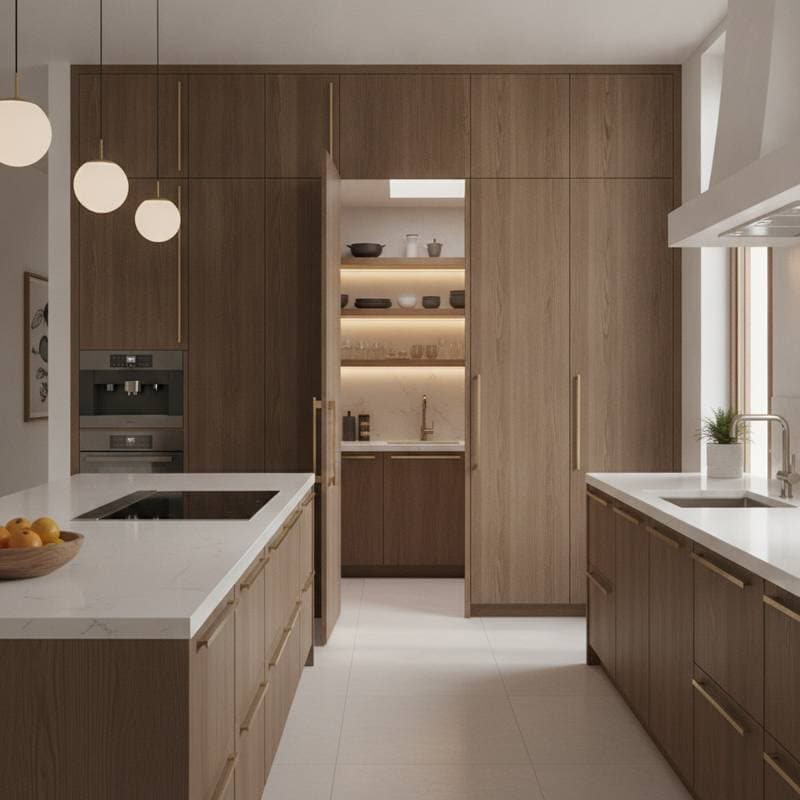
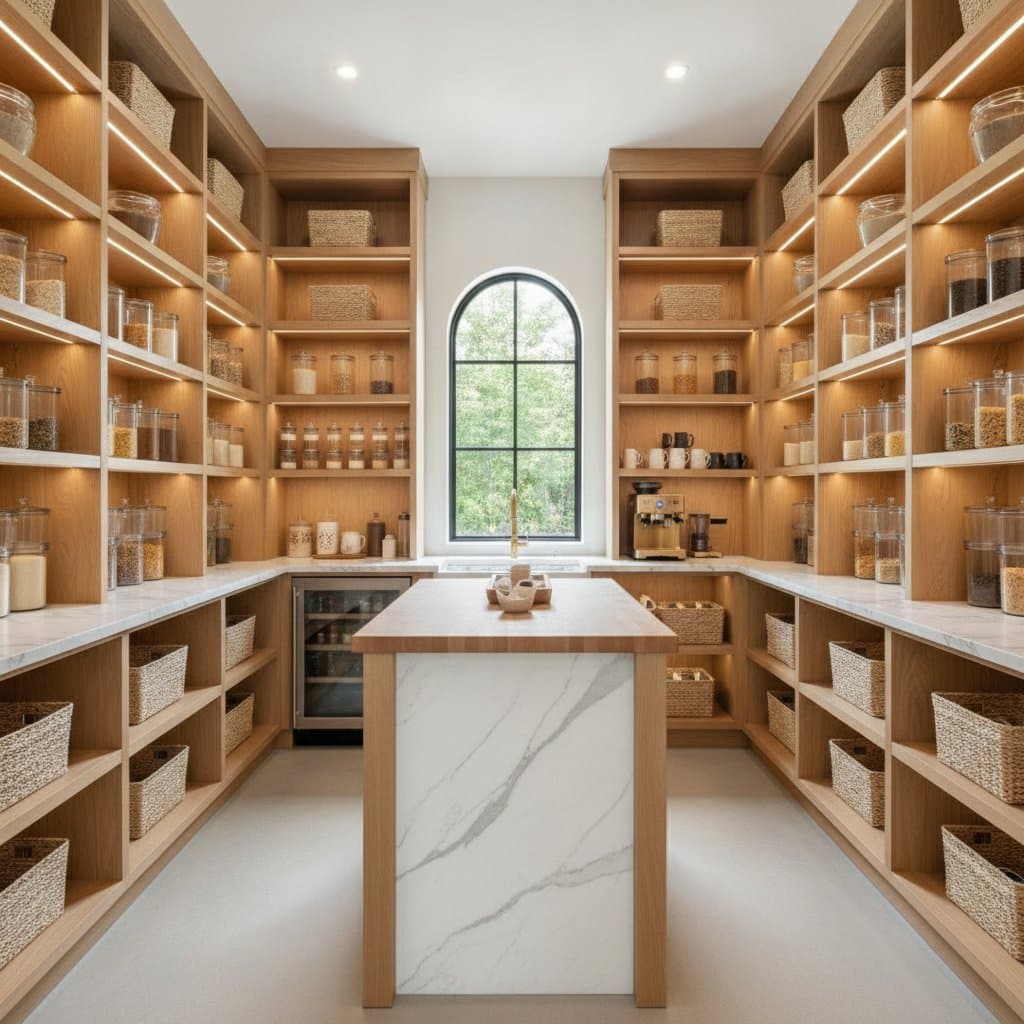
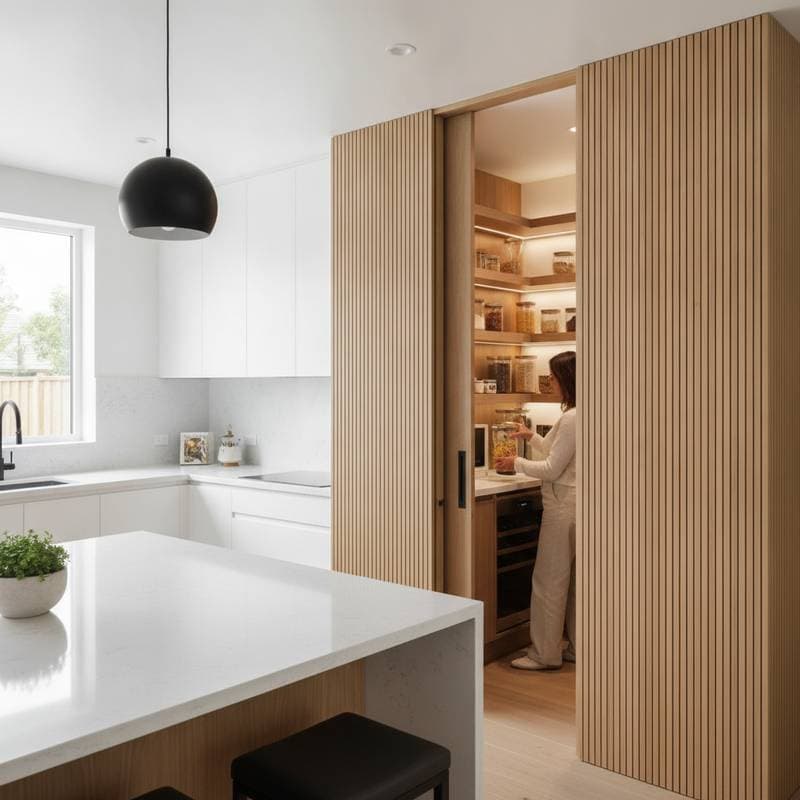
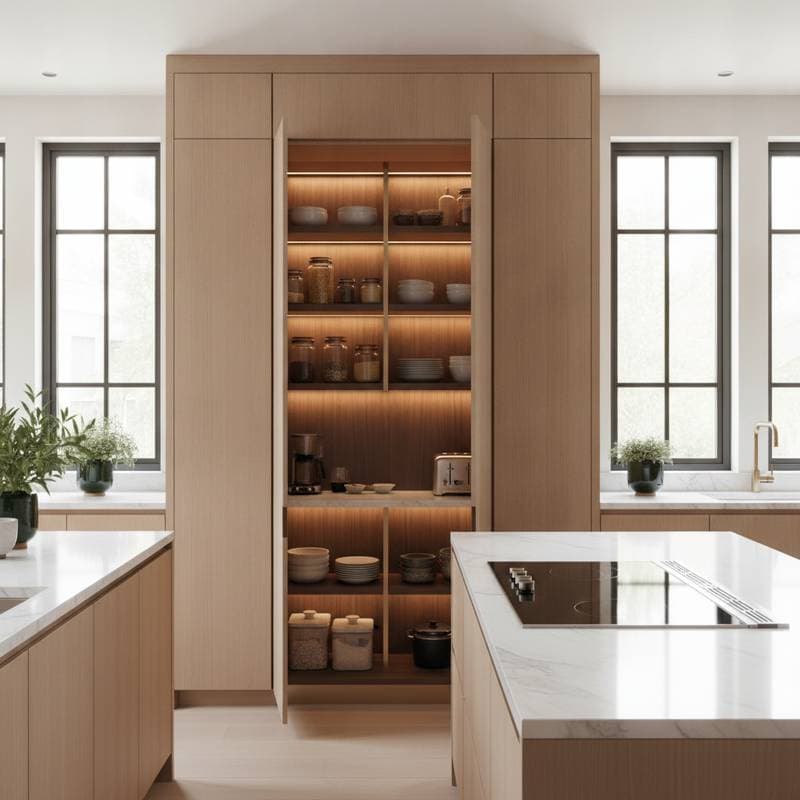
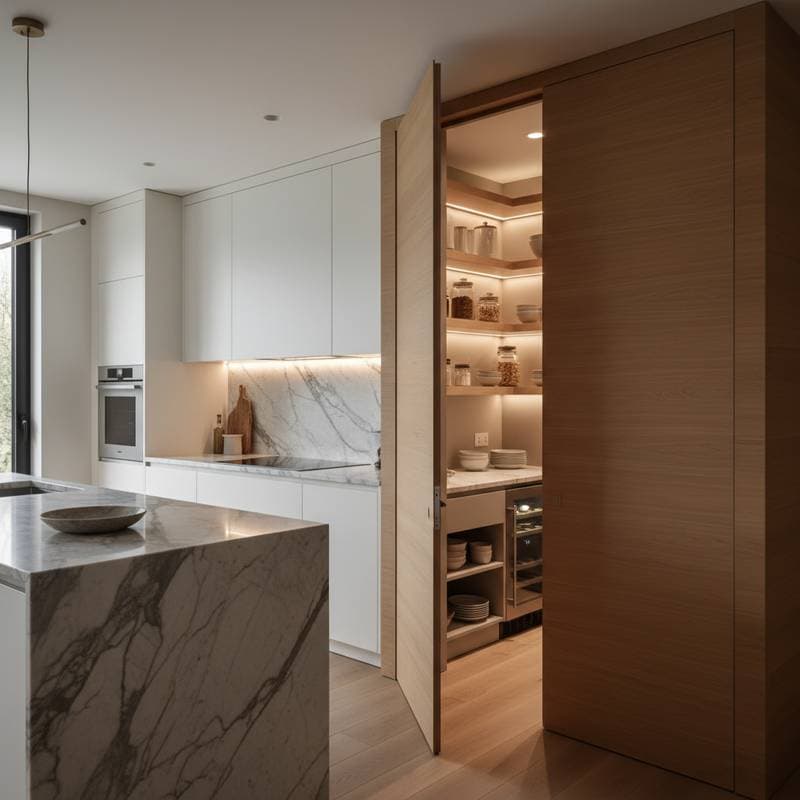
Homeowners increasingly prioritize efficient kitchen storage amid evolving design preferences. The hidden pantry, also known as a walk-in or butler's pantry, provides dedicated space for essentials while maintaining a clean, uncluttered appearance. This feature integrates seamlessly into open-concept layouts, where visual harmony proves essential. Individuals considering a kitchen remodel or storage enhancement benefit from its adaptability without requiring major spatial alterations.
A hidden pantry conceals dry goods, appliances, and utensils behind doors or panels, preserving counter space for meal preparation. It supports various kitchen styles, from contemporary to classic, by offering customizable shelving and organizational zones. As resale markets emphasize functional upgrades, this addition positions properties favorably among discerning buyers.
Key Benefits and Drawbacks
Hidden pantries deliver practical advantages that enhance daily kitchen operations and overall home appeal.
Benefits
- Increases property value through specialized storage that attracts buyers seeking premium features.
- Clears countertops to foster a more organized and inviting cooking environment.
- Facilitates categorization of items, such as dedicated areas for pantry staples, small appliances, and serving ware.
- Minimizes operational disruptions by isolating noisy or messy devices from primary workspaces.
- Supports versatile configurations, including integrated lighting, electrical outlets, and secondary work surfaces.
Drawbacks
- Consumes floor area, potentially diminishing the size of adjacent kitchen or dining zones.
- Elevates expenses if the project involves structural adjustments like wall modifications.
- Demands proper airflow in designs accommodating heat-producing appliances.
- Reduces access to natural illumination when positioned within interior partitions.
- Requires ongoing attention to prevent it from accumulating unused items, which complicates maintenance.
Cost Considerations
Budgeting forms a critical step in planning a hidden pantry. Total expenses range from $2,500 for basic installations to $15,000 for custom, high-end versions, depending on size, materials, and complexity.
Basic retrofits, such as converting an existing closet with standard shelving and doors, typically cost $2,500 to $5,000. These options suit smaller spaces and involve minimal structural work. Mid-range projects, featuring custom cabinetry, lighting, and outlets, fall between $6,000 and $10,000. Luxury builds with premium finishes, appliances, or integrated sinks reach $11,000 to $15,000.
Factors influencing costs include material selections like laminate versus solid wood, labor rates, and additional features such as ventilation systems. Homeowners save by sourcing materials independently or handling finishing tasks, but professional involvement ensures quality and compliance. Obtain multiple quotes to align expenditures with project scope.
Design and Implementation Options: DIY Versus Professional
The complexity of a hidden pantry varies based on existing layout and desired features. Selecting the appropriate method hinges on technical expertise and project demands.
DIY Approaches
Projects range from moderate to high difficulty, often requiring one to three days for straightforward conversions. Essential tools encompass framing equipment, cutting implements, and finishing supplies. Participants must prioritize precision to secure proper door functionality and shelving stability, as errors may compromise usability.
Suitable DIY tasks include installing adjustable shelving, applying paint, and adding basic organizers. Measure spaces meticulously and consult online tutorials for guidance on non-structural elements.
When to Engage Professionals
Opt for licensed experts in scenarios involving electrical relocations, plumbing integrations, or new wall constructions. These specialists handle doorway expansions, HVAC connections, and custom cabinet matching to achieve seamless results.
Professionals guarantee adherence to building codes and structural safety. Many owners combine efforts by managing cosmetic aspects while delegating core construction, which balances cost and quality.
Ongoing Maintenance and Durability
Hidden pantries demand minimal routine care to sustain performance over time. Select durable materials to match the longevity of primary kitchen components.
Essential Maintenance Practices
- Clean shelves monthly to eliminate dust accumulation and residue from spills.
- Examine hinges and drawer mechanisms biannually for smooth operation.
- Test electrical elements, including lights and outlets, to confirm safety and reliability.
- Refresh paint or sealant applications every three to five years to protect surfaces.
Quality shelving constructed from wood or laminate endures 15 to 25 years under normal use. Wire alternatives may require earlier replacement if subjected to excessive loads. For pantries with sinks or appliances, monitor for moisture issues or ventilation obstructions during inspections.
Warranty and Standards
Cabinet manufacturers typically provide five- to ten-year coverage. Electrical installations must comply with standards like the National Electrical Code for outlets and fixtures, ensuring long-term safety.
Regional Influences on Design and Feasibility
Local conditions shape pantry planning, from material choices to regulatory requirements. Account for these variables to optimize outcomes.
Environmental Adaptations
Humid regions benefit from ventilated shelving and water-resistant coatings to combat mold. Arid areas favor sealed solid wood to avoid splitting, though regular inspections remain necessary.
Regulatory Considerations
Municipalities often mandate permits for electrical additions or lighting within enclosed areas. Fire safety rules limit flammable materials proximate to heat sources.
Labor and Material Variations
Urban locations incur 20 to 40 percent higher labor fees, while rural settings face extended timelines for bespoke elements. Coastal environments necessitate rust-resistant hardware to withstand salinity.
Area-Specific Trends
Southern climates frequently incorporate beverage stations or auxiliary sinks for convenience. Northern designs emphasize insulated barriers and secure enclosures to regulate internal temperatures.
Consult local authorities early to identify permit needs and inspection protocols.
Ensuring Safety in Construction
Proper execution renders hidden pantries as secure as standard kitchen areas. Adhere to established guidelines to mitigate risks.
Electrical Safety Measures
Install grounded outlets on ground-fault circuit interrupter protections, especially near moisture sources. Employ fixtures certified for confined spaces to prevent overheating.
Ventilation and Storage Protocols
Incorporate fans or vents for heat-emitting devices, and store combustibles away from electrical points.
Structural Integrity
Engage engineers for assessments before altering load-bearing elements. Secure shelving with anchors capable of supporting designated weights.
Permitting Essentials
Secure approvals for any modifications involving structure, electricity, or water systems. This step verifies compliance and averts potential liabilities.
Clear access paths, stable fixtures, and sufficient illumination contribute to a hazard-free environment.
Frequently Asked Questions
What minimum space is required for a functional hidden pantry?
A walk-in version requires 25 to 30 square feet for effective navigation. Compact alternatives, like deep cabinet units, perform well in constrained kitchens.
Is it possible to install a hidden pantry without major wall alterations?
Affirmative. Repurpose closets, integrate cabinet-depth storage, or apply concealed door mechanisms to existing structures.
How does a butler's pantry differ from a walk-in pantry?
Butler's pantries feature workspaces, potentially with sinks or refrigeration, whereas walk-in models prioritize expansive shelving for bulk storage.
Does adding a hidden pantry reduce perceived kitchen size?
Layout decisions determine this. Uniform materials and hidden access maintain spacious illusions.
What timeline should one expect for construction?
Simple adaptations complete in one to three days. Comprehensive custom installations, encompassing cabinetry and utilities, span one to two weeks.
Planning and Executing Your Hidden Pantry Upgrade
This storage solution offers enduring benefits for organized living and property enhancement. It conceals necessities, maximizes utility, and complements diverse kitchen aesthetics.
Begin with precise measurements and a defined budget to guide decisions. Explore showroom displays for shelving varieties and entryway designs. Solicit contractor estimates for utility integrations to inform feasibility.
Upon approval and material procurement, assembly proceeds efficiently. Emphasize meticulous planning to yield a cohesive, low-maintenance feature. The result delivers a refined kitchen that streamlines routines and elevates market positioning.