
Enhancing Home Value Through Hidden EV Chargers by 2026
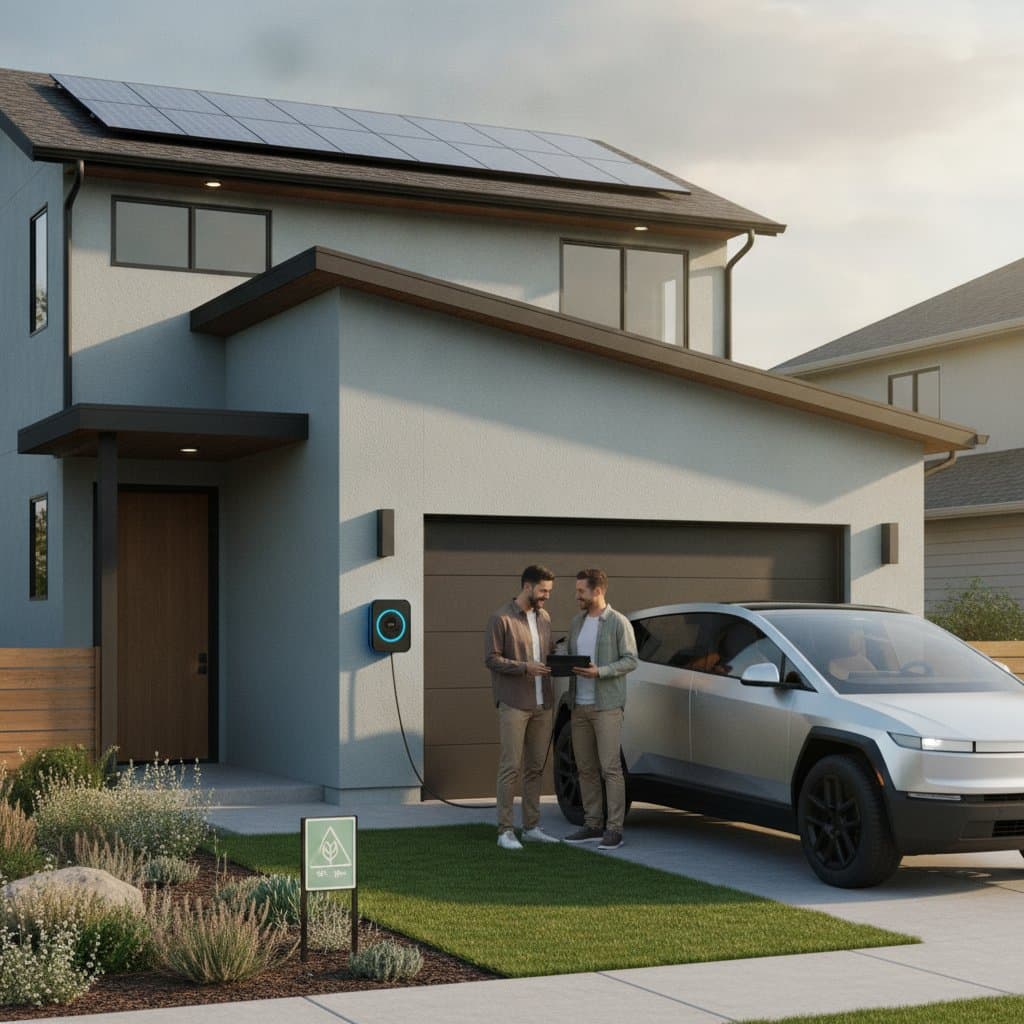
Homeowners seek ways to increase resale prices and appeal to forward-thinking buyers. Electric vehicle charger installations represent a strategic upgrade in this regard. A hidden EV charger elevates property value discreetly, enhances everyday usability, and aligns with growing demand for sustainable features. This approach suits individuals who prioritize aesthetic harmony, minimal upkeep, and substantial future benefits.
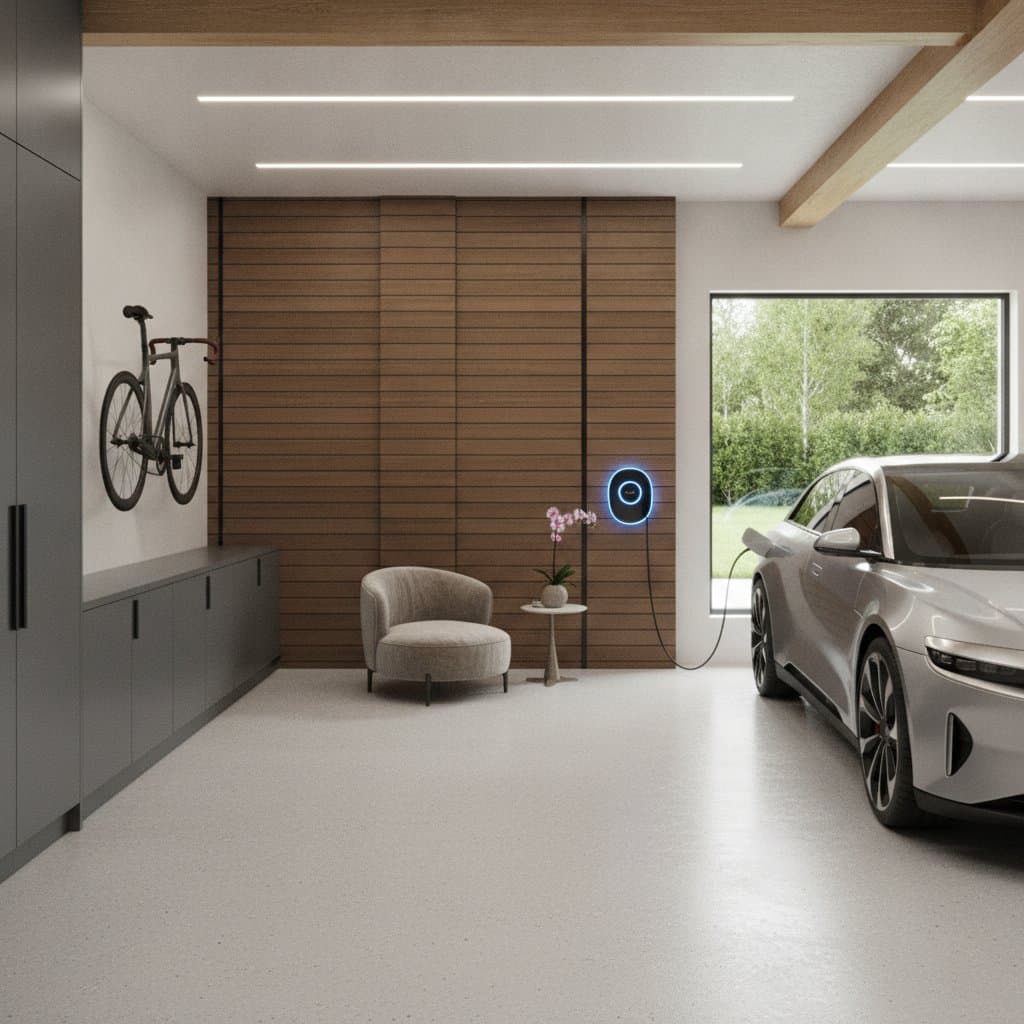
Concealed chargers integrate seamlessly into living spaces. Installers often position units behind cabinetry, within garage walls, or inside custom landscaped enclosures. Such placements balance functionality with visual cleanliness, making them ideal for properties where design influences market perception as strongly as utility.
Advantages of Hidden EV Chargers
Hidden EV chargers deliver multiple benefits that extend beyond immediate convenience.
- They increase overall property value and draw interest from potential purchasers seeking modern amenities.
- These installations maintain a tidy appearance in garages and driveways, preserving architectural integrity.
- Preparation for widespread EV adoption future-proofs the home against evolving transportation trends.
- Reduced visible clutter minimizes tripping risks and streamlines space organization.
- Eligibility for utility incentives or tax credits often offsets initial investments.
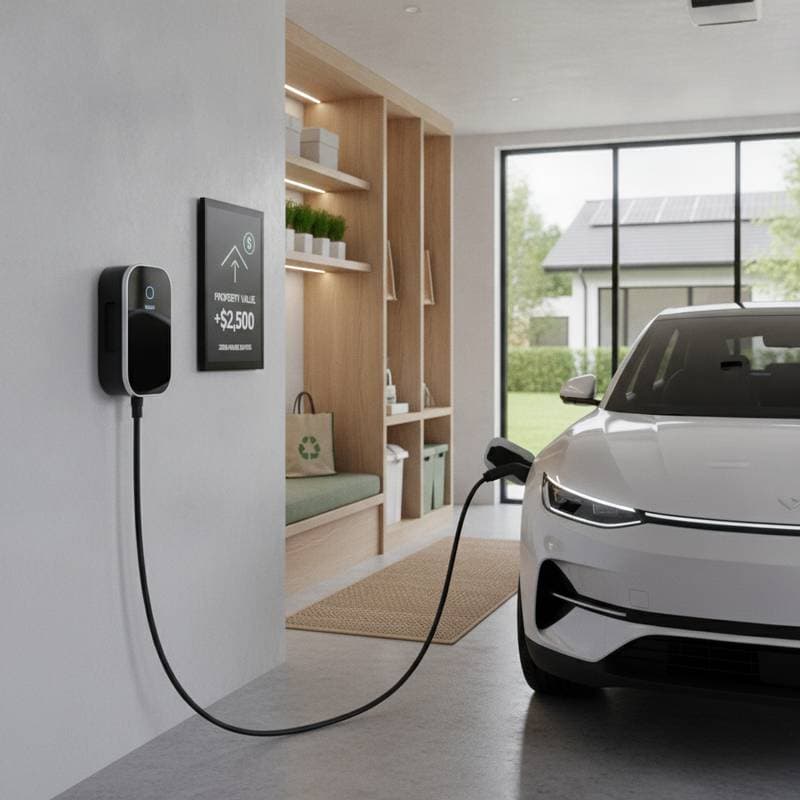
Consider a typical suburban garage: a concealed Level 2 charger allows overnight charging without dominating the area, appealing to families with electric vehicles.
Potential Drawbacks
While advantageous, hidden EV chargers present certain challenges that require careful consideration.
- Upfront costs exceed those of visible alternatives due to custom integration.
- Access for routine checks becomes less straightforward, potentially complicating upkeep.
- Proper ventilation and surrounding clearance demand thoughtful site planning.
- Professional involvement, including licensed electricians and necessary permits, adds layers of coordination.
Homeowners in historic districts, for instance, may face additional hurdles if concealment alters original structures, necessitating approvals from preservation boards.
Installation: DIY Considerations Versus Professional Expertise
Electrical modifications underpin hidden EV charger setups, underscoring the need for caution. Most individuals lack the specialized skills required for safe execution.
Key aspects include:
- Complexity Level: Moderate to high, influenced by existing wiring and concealment method.
- Estimated Duration: Four to eight hours, varying with project scope.
- Essential Tools: Conduit bender, voltage tester, power drill, wire strippers, and personal protective equipment.
- Associated Risks: Potential for electrical shocks, non-compliance with codes, or fire dangers from improper connections.
Opt for professional services in scenarios such as:
- Adding a dedicated circuit or upgrading the electrical panel.
- Implementing hardwired configurations.
- Undertaking tasks like trenching, drywall penetration, or securing permits.
Licensed electricians adhere to National Electrical Code Article 625, which governs EV supply equipment. They assess load capacities, select appropriate wire gauges (typically 6 to 8 AWG for Level 2 units), and integrate ground fault circuit interrupters (GFCIs) for added protection. Costs range from $500 to $2,000 for basic installations, escalating with custom enclosures or subpanel additions.
Ongoing Maintenance and Expected Durability
Hidden chargers require periodic attention to sustain performance and safety.
Conduct inspections of cables, connectors, and protective covers every three to six months. Ensure vents remain unobstructed and areas stay dry to prevent moisture-related issues. Wipe surfaces using a mild, non-abrasive cleaner to remove dust accumulation.
Units generally last eight to twelve years under normal conditions. Factors like usage frequency and environmental exposure influence longevity.
- Warranty Details: Manufacturers provide three- to five-year coverage, often extending to components and installation labor.
- Regulatory Guidance: Local codes mandate GFCI safeguards and clear labeling on circuits dedicated to EV equipment.
Proactive care, such as annual professional reviews, can extend service life and maintain warranty validity.
Regional and Environmental Influences
Installation success hinges on local conditions and regulations.
Climatic Adaptations: In colder climates, select enclosures rated for low temperatures to avoid battery inefficiencies. Coastal properties benefit from stainless steel or galvanized components to resist salt corrosion.
Permitting Processes: Numerous municipalities mandate post-installation inspections. Contact the local building authority early to outline requirements and avoid delays.
Cost Variations by Location: Electricians bill $60 to $120 hourly nationwide, with metropolitan areas commanding premiums. Rural installations may incur travel surcharges, pushing totals higher.
Incentive Programs: Utilities frequently rebate $200 to $800 for qualified Level 2 setups. Verify program criteria, which often include energy-efficient models and proof of professional installation, through provider websites or local energy offices.
For example, California residents might access state-level rebates up to $1,000, stacking with federal tax credits under the Inflation Reduction Act.
Return on Investment and Market Impact
Strategic additions like hidden EV chargers yield measurable financial returns.
Projections indicate a 10- to 15-percent uplift in resale value by 2026, particularly when paired with updated electrical infrastructure and energy-efficient designs. This boost stems from buyer preferences for turnkey sustainability features.
Demographic shifts amplify appeal: Millennials and Gen Z purchasers, who favor electric vehicles, view integrated charging as a premium attribute. Properties equipped this way command higher offers, as buyers avoid the $1,000-plus cost of post-purchase retrofits.
Real estate data supports this trend; listings with EV readiness sell 20 percent faster in urban markets, according to recent industry analyses.
Essential Safety Protocols
Safety forms the cornerstone of any EV charger project.
De-energize the main breaker prior to any wiring activities. Employ wire gauges suited to amperage needs, such as 50-amp circuits for faster charging, and insist on UL-listed components.
Position units distant from water fixtures and combustible items to mitigate hazards. Affix durable labels to identify EV-dedicated circuits, and prohibit extension cord usage, which can overload systems.
Engage a licensed electrician for final verification of grounding integrity and load balancing. Compliance with permitting ensures alignment with insurance policies and facilitates smooth inspections.
In multi-vehicle households, distribute loads across panels to prevent overloads, potentially requiring a 200-amp service upgrade.
Planning Your Hidden EV Charger Installation
Hidden EV chargers merge cutting-edge utility with enduring property enhancement.
Begin by evaluating electrical panel capacity, typically needing 40 to 50 amps available. Compare charger varieties: Level 1 for basic needs, Level 2 for efficient daily charging at 240 volts.
Consult local codes to confirm spacing rules, such as 18 inches of clearance around the unit. Solicit quotes from at least three EV-certified electricians, inquiring about integration techniques like in-wall conduits.
Explore warranties, which cover defects and workmanship, alongside rebate applications to maximize savings. Thoughtful execution transforms your home into a desirable, future-ready asset, streamlining routines and bolstering equity.
Frequently Asked Questions
What dimensions are required for a hidden EV charger?
Most models occupy a 2-by-2-foot area, with additional space for cable management and airflow, ideally 6 inches on all sides.
Is a standard outlet sufficient for charging?
It supports Level 1 charging at 120 volts, but rates remain slow, around 2 to 5 miles per hour. Level 2 options provide superior speed for regular use.
Do concealed chargers pose overheating risks?
Proper installation with ventilation prevents this; designs featuring louvered panels or fans ensure heat dissipation. Steer clear of fully enclosed spaces lacking circulation.
Are hidden chargers compatible with evolving EV models?
Standard J1772 connectors ensure broad compatibility, with adapters available for Tesla or emerging standards like CCS.
When is a permit necessary?
Hardwired systems almost always require one; plug-in units may not, but verification with the local building department remains essential.