Moody Dark Walls: A 6 Percent Boost to Home Value
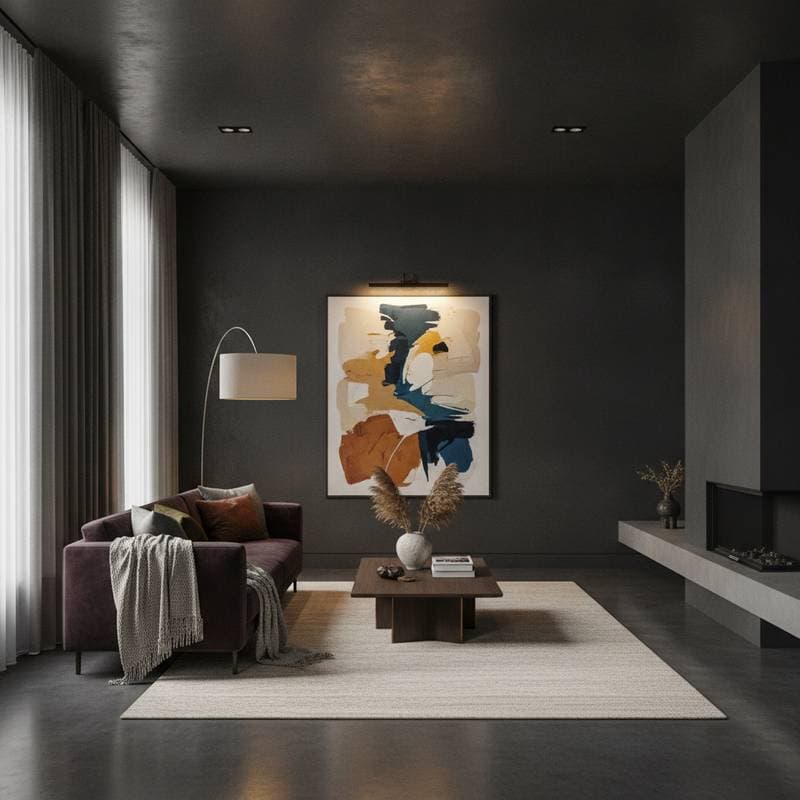
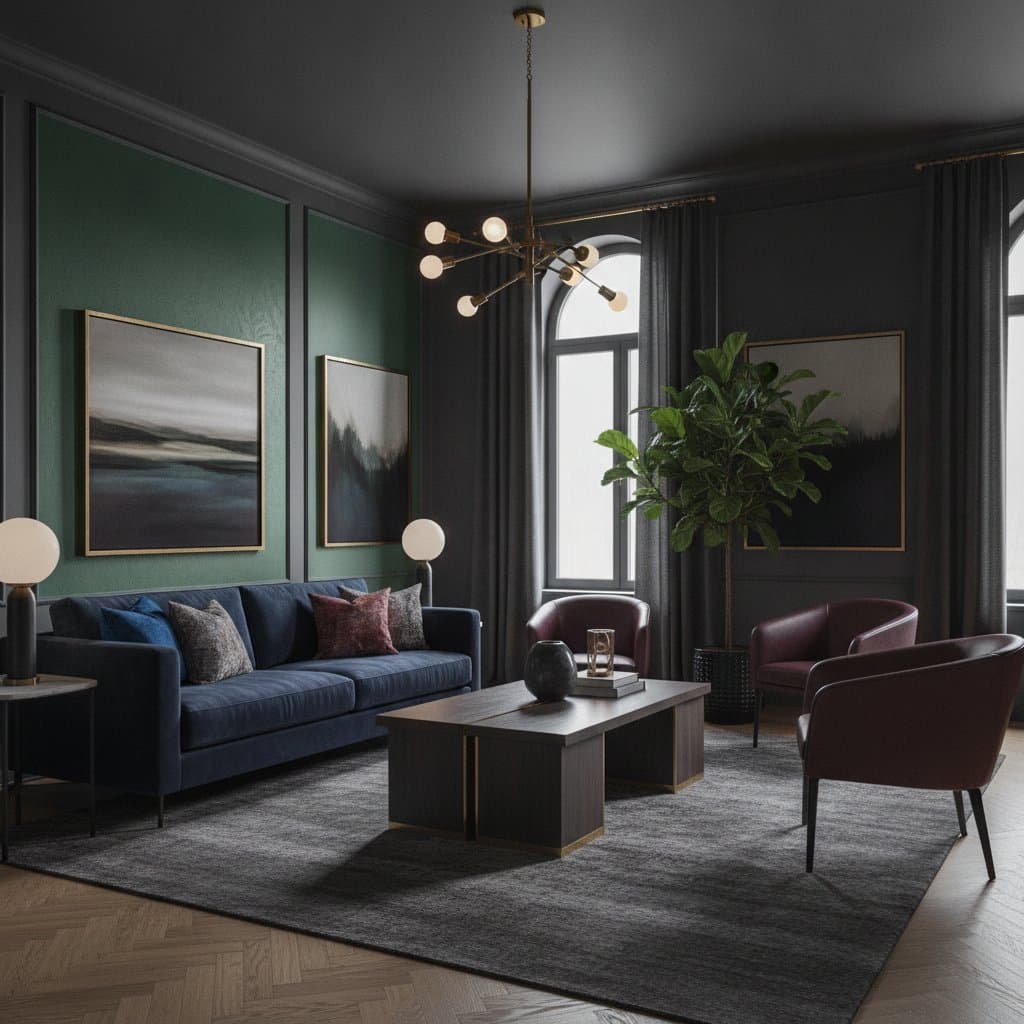
Moody dark walls have returned with renewed popularity. Deep, saturated colors such as charcoal, navy, and forest green demonstrate measurable value increases according to recent housing market data. Properties with these darker interior paint choices sell for up to six percent more than similar homes featuring lighter color schemes.
This painting strategy suits homeowners seeking a bold, modern, and inviting environment without undertaking extensive renovations. It performs optimally in residences with ample natural light, complementary finishes, and intentional design elements.
Advantages and Disadvantages
Advantages
- Increases resale value particularly in prominent spaces like living rooms or primary bedrooms
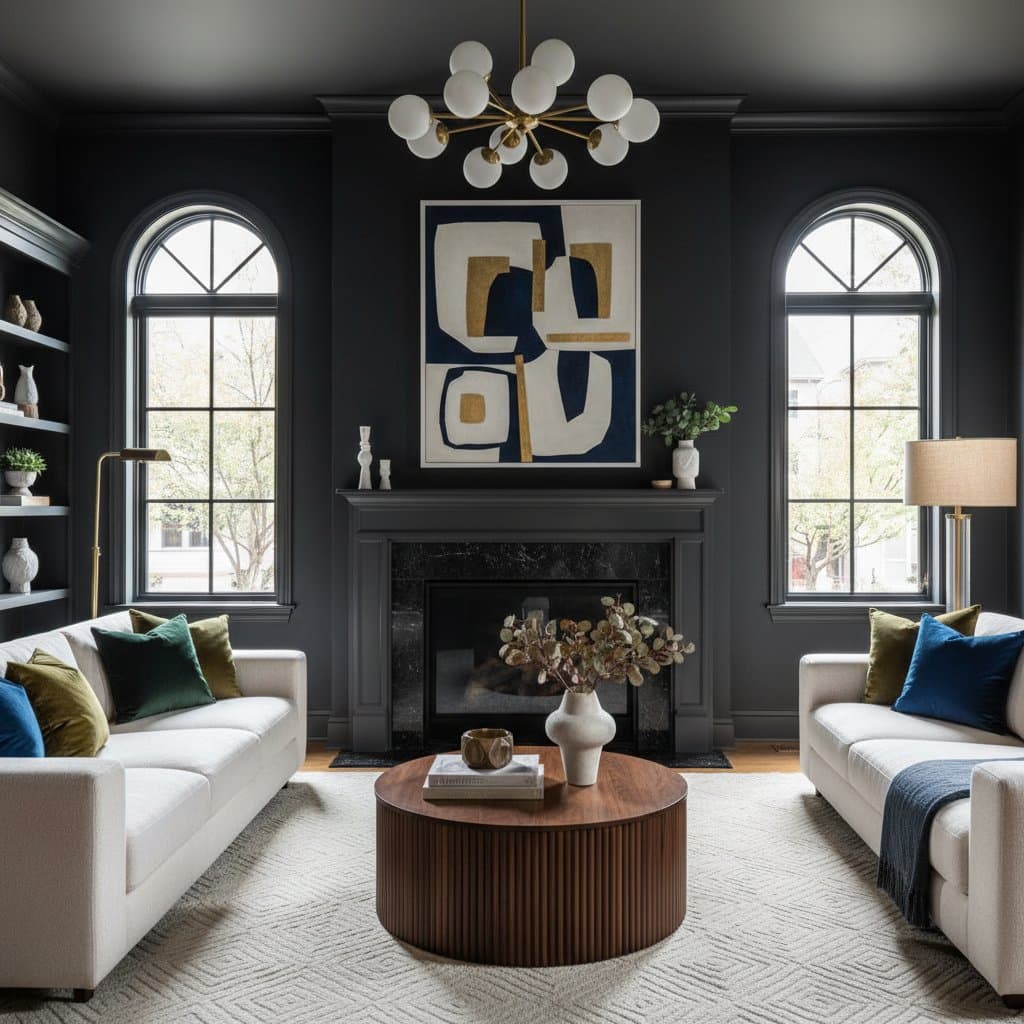
- Establishes visual depth allowing architectural trim, artwork, and lighting fixtures to emerge prominently
- Conceals minor imperfections on walls more effectively than lighter paints
- Conveys a luxurious aesthetic when combined with neutral upholstery and matte surface treatments
- Enhances emotional ambiance in areas intended for relaxation or concentration
Disadvantages
- Reveals marks readily on surfaces with glossy sheens
- Reduces perceived room size in compact or dimly lit areas
- Demands thorough surface preparation especially when covering previously light-colored walls
- Presents challenges for spot repairs due to noticeable differences in pigment density
- Necessitates enhanced illumination or light-reflecting accessories to counteract the intensity
Painting Options: DIY or Professional
Applying dark paint demands greater accuracy compared to lighter shades. Any brush strokes, roller patterns, or inconsistencies in application become apparent more quickly.
DIY Assessment: Moderate to high complexity.
Estimated Duration: One to three days for one room.
Essential Supplies: High-quality roller sleeves, angled brushes, painter's tape, protective drop cloths, and a suitable primer.
Potential Pitfalls: Noticeable streaks or patchy results if the process lacks patience.
Consider Professional Services For:
- Surfaces requiring repairs or extensive sanding
- Elevated areas such as vaulted ceilings or staircases
- Advanced techniques including matte lacquers or limewash applications
Experienced painters employ airless sprayers or premium rollers for seamless results. They ensure precise color matching for future touch-ups and deliver even layers that endure longer.
Upkeep and Durability
Quality dark wall finishes maintain their appearance as long as standard interior paints. High-grade latex formulations typically remain vibrant for eight to twelve years prior to requiring renewal.
Routine Maintenance:
- Gently clean with a moist cloth every few months to eliminate dust buildup.
- Address scuffs promptly using paint from the original batch.
- Schedule full repaints once the luster diminishes or hues fade.
Common Concerns:
- Color degradation in sun-exposed rooms.
- Alterations in gloss from repeated washing.
- Mold growth in steamy bathrooms lacking proper airflow.
Numerous manufacturers provide limited lifetime guarantees for interior products when installed according to specifications. Consult product specifications to verify coverage details.
Regional Considerations
Local weather patterns, illumination conditions, and stylistic preferences affect the effectiveness and desirability of dark walls.
- Colder Regions: These shades capture heat and foster a snug atmosphere through extended winter periods.
- Warmer Areas: Opt for cooler tones like navy or charcoal to avoid an oppressive sensation.
- Seaside Locations: Select moisture-resistant formulas to guard against corrosion from salt air or dampness.
- City Environments: Dark palettes align well with industrial loft aesthetics or contemporary urban designs.
- Preservation Zones: Regulations may restrict bold exterior hues while permitting unrestricted interior choices.
Costs for labor fluctuate significantly. Budget more in bustling metropolitan centers or regions with scarce skilled tradespeople. Verify local ordinances to determine if permits apply to interior work within broader renovation projects.
Safety Guidelines
Interior painting involves minimal hazards yet requires vigilance regarding airflow and equipment handling.
Essential Precautions:
- Ensure proper ventilation by opening windows or operating exhaust fans during application of oil-based or volatile organic compound paints.
- Shield skin and eyes with gloves and protective eyewear while sanding or priming.
- Eliminate electrical risks by deactivating power sources before detaching outlet covers or light fixtures.
- Employ sturdy ladders and refrain from overreaching near edges or using unstable surfaces.
- Secure storage of supplies by isolating flammable items from ignition sources.
When working adjacent to gas-powered devices or open flames, disable them until vapors dissipate completely.
Frequently Asked Questions
How should one select an appropriate dark shade for a specific area?
Observe sample swatches in multiple locations and evaluate them at various times of day. Shifts in natural and artificial lighting alter the perceived tone. Choose a hue that promotes comfort from morning through night.
Do dark walls diminish room dimensions?
They might appear to do so, yet strategic lighting and contrasting accents mitigate this. Incorporate mirrors or pale furniture pieces to expand the visual footprint.
Which finish suits dark walls most effectively?
Matte or eggshell options mask flaws adeptly. Satin or semi-gloss varieties prove resilient in high-traffic zones such as corridors or kitchens.
How many layers does dark paint typically require?
Two complete coats suffice in most cases, with a third occasionally needed over pale bases. Employ a tinted primer to minimize overall consumption.
Is painting ceilings in dark tones advisable?
It works well in spacious rooms with abundant light, producing an enveloping ambiance. Balance it with lighter flooring or accents to prevent enclosure.
Implementing Dark Walls Effectively
Dark walls offer an accessible method to refresh interiors and elevate property worth without structural alterations. Success hinges on deliberate choices in hue, illumination, and complementary elements.
Begin in a single space to assess compatibility with existing light and textures. If the added dimension and coziness appeal, proceed to additional rooms systematically.
Prioritize premium paints, meticulous preparation, and uniform application for optimal outcomes. Engage a certified professional if the project's scale or techniques exceed personal expertise, ensuring a flawless and enduring transformation.
Beyond mere coloration, moody dark walls reshape spatial perception, light dynamics, and buyer appeal. Thoughtful integration yields lasting comfort alongside tangible financial benefits.