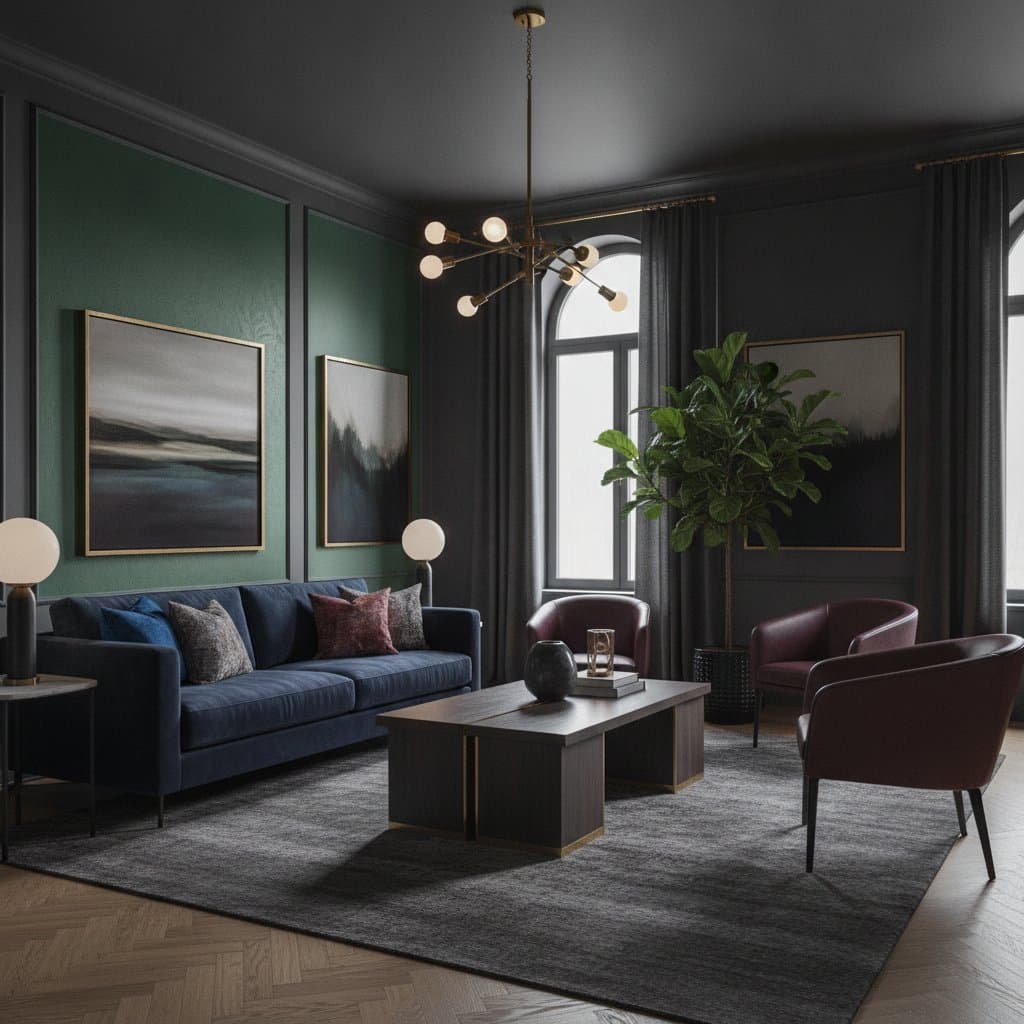
The Rise of Dark Walls in 2025 Interior Design
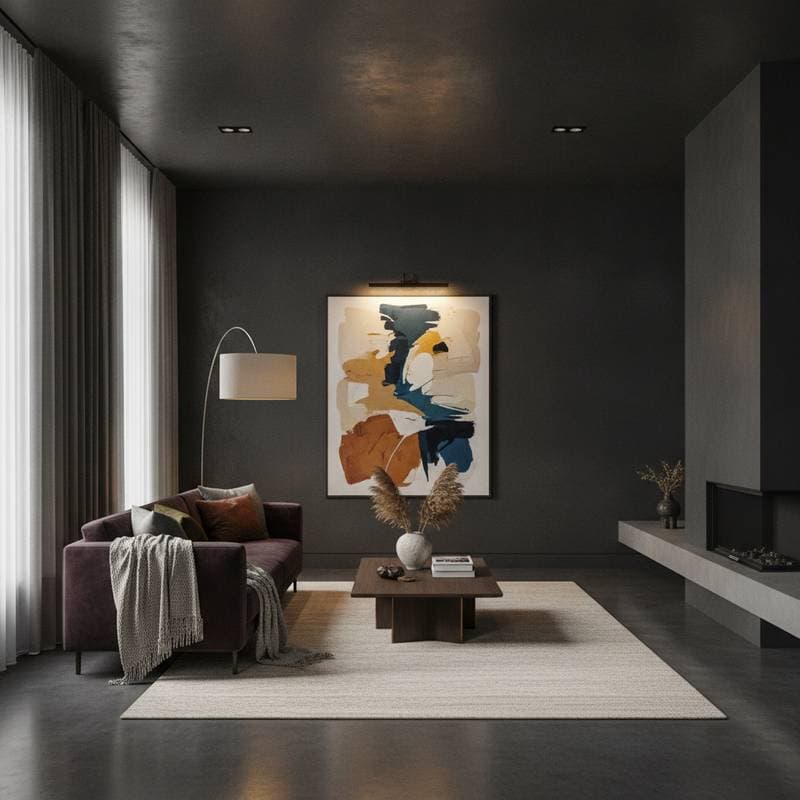
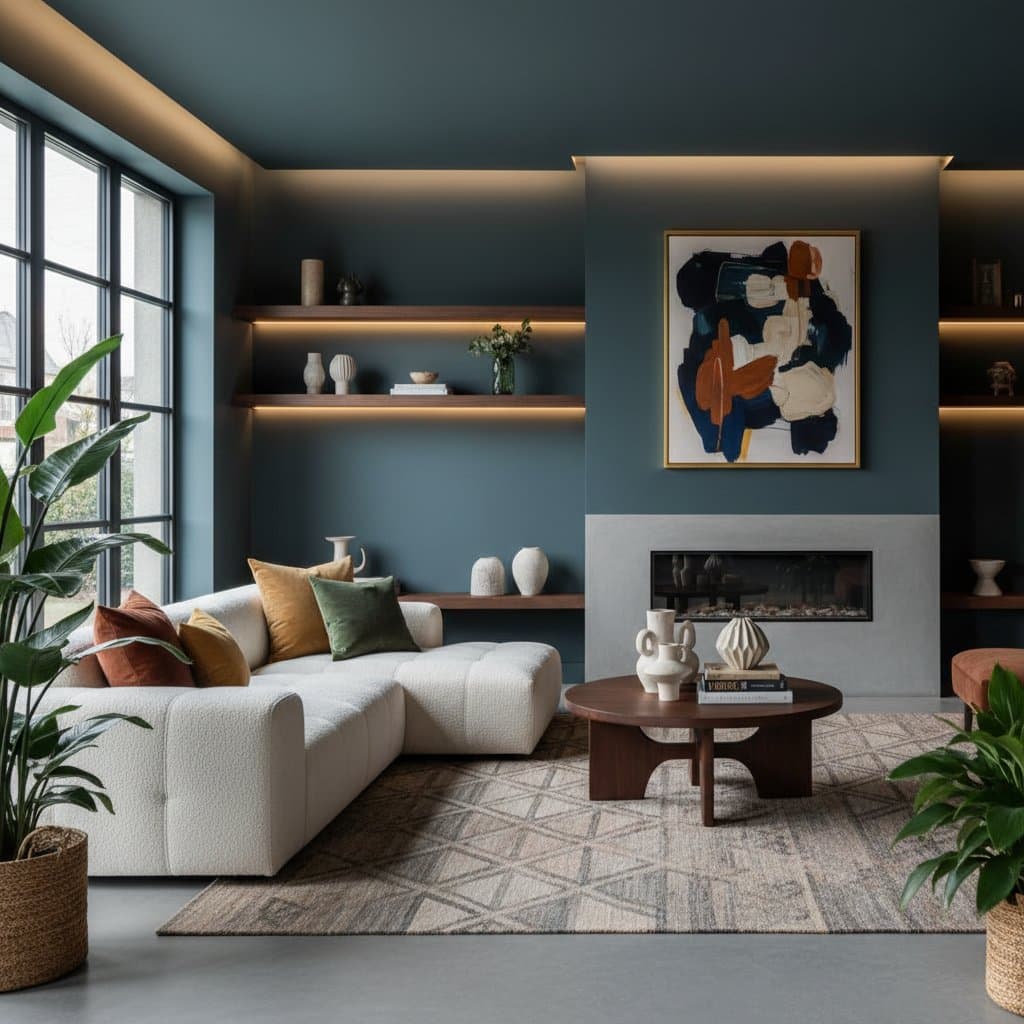
Dark walls have evolved from daring choices to essential elements in contemporary home aesthetics. Homeowners increasingly select deep shades to foster intimacy, personality, and visual balance. This preference aligns with a broader movement toward serene, rooted environments that maintain an air of sophistication.
Such palettes prove ideal for refreshing bedrooms, living areas, or dining rooms. They deliver a luxurious ambiance without demanding structural changes. Deep colors effectively spotlight artwork, harmonize with vibrant decor, and mask surface irregularities more effectively than lighter options.
Advantages and Disadvantages
Advantages
- Creates depth and intrigue. Deep shades generate compelling visuals and accentuate furniture pieces.
- Conceals surface flaws. Subtle imperfections become less noticeable on walls finished in matte or eggshell sheens.
- Enhances coziness. These tones absorb light, transforming expansive rooms into more intimate settings.
- Complements organic elements. They integrate seamlessly with wooden accents, metallic fixtures, and stone surfaces.
- Offers enduring style. Dark schemes resist fleeting fashions better than vivid, temporary hues.
Disadvantages
- Reveals dust and fingerprints. Matte dark surfaces often require regular wiping to maintain appearance.
- Demands ample illumination. Dimly lit areas risk appearing confined or oppressive.
- Complicates future repainting. Transitioning to lighter shades necessitates several layers of coverage.
- May diminish small areas. Optimal results occur in spaces with sufficient natural or supplemental lighting.
- Exposes application errors. Darker formulas highlight brush strokes or roller overlaps if technique falters.
DIY Painting Versus Professional Services
Applying dark paint presents moderate challenges, requiring thorough preparation and steady execution. A standard 12-by-12-foot room demands 6 to 10 hours, encompassing setup, application, and tidying.
Key DIY factors:
- Essential supplies include high-quality roller sleeves, an angled brush, masking tape, protective sheets, and a suitable primer.
- Potential pitfalls involve patchy application or overlapping seams.
- Proficiency in precise edging around ceilings and baseboards remains crucial.
Opt for professional assistance with irregular surfaces, high ceilings, or demands for flawless edges. Experts ensure uniform layers, accurate shade matching, efficient waste management, and minimized material loss.
Essential Painting Steps
- Relocate furnishings and shield floors using drop cloths.
- Wash walls with a gentle soap solution and allow complete drying.
- Patch dents and smooth abrasions through sanding.
- Coat surfaces with primer to promote adhesion and minimize streaks in dark applications.
- Outline edges and angles using a brush before broader coverage.
- Apply paint via roller in methodical sections, maintaining a uniform direction.
- Permit full curing prior to the subsequent layer.
- Peel away tape when paint retains slight adhesion to prevent tearing.
- Restore electrical plates, reposition items, and evaluate finish under various lights.
Upkeep and Durability
Well-maintained dark walls retain vibrancy for 7 to 10 years. Employ a soft cloth or sponge with diluted detergent for cleaning. Steer clear of aggressive abrasion, which might etch noticeable trails.
Inspect sun-exposed areas for color shift and install UV-blocking window treatments to prolong freshness. Satin or semi-gloss variants offer superior defense against humidity and spills in high-traffic zones like kitchens and bathrooms. Reputable brands typically provide lifetime warranties against defects such as flaking or splitting when installation follows specifications.
Softer Interpretations of the Trend
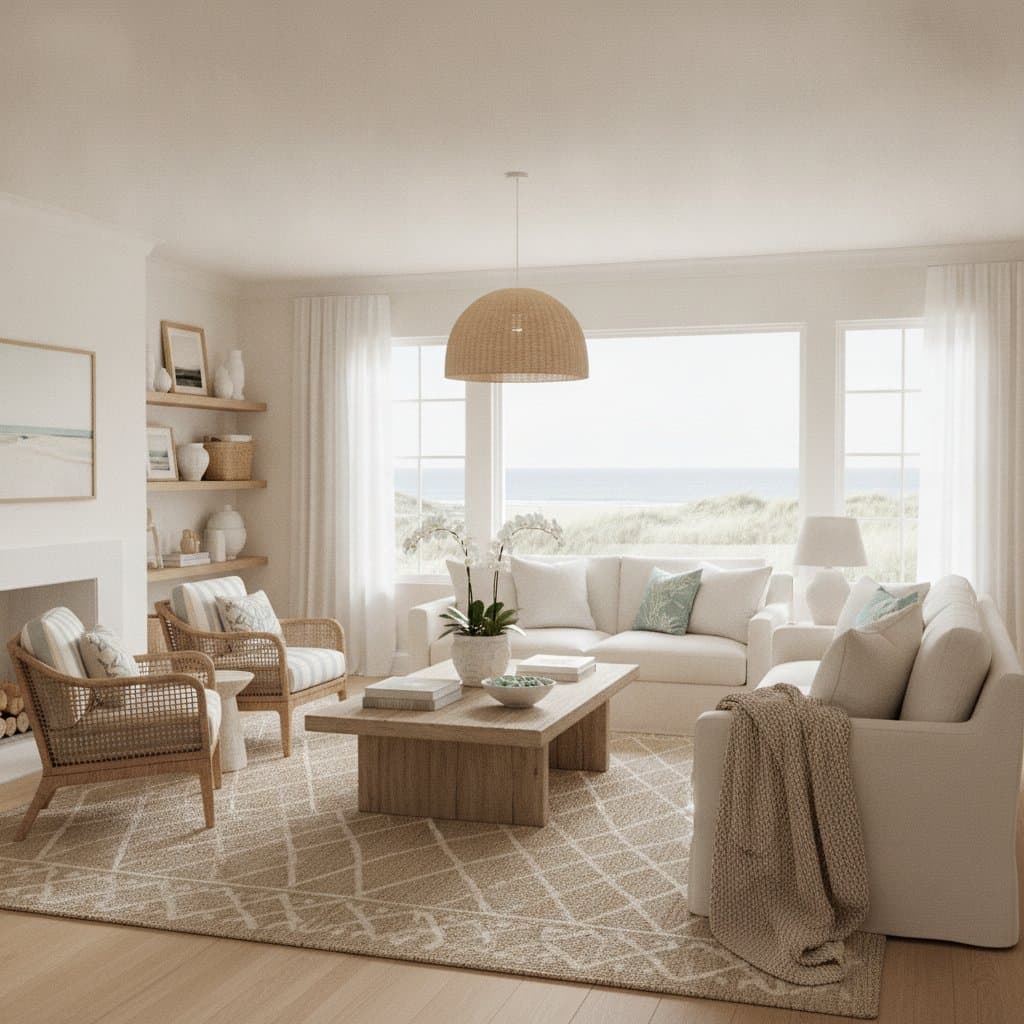
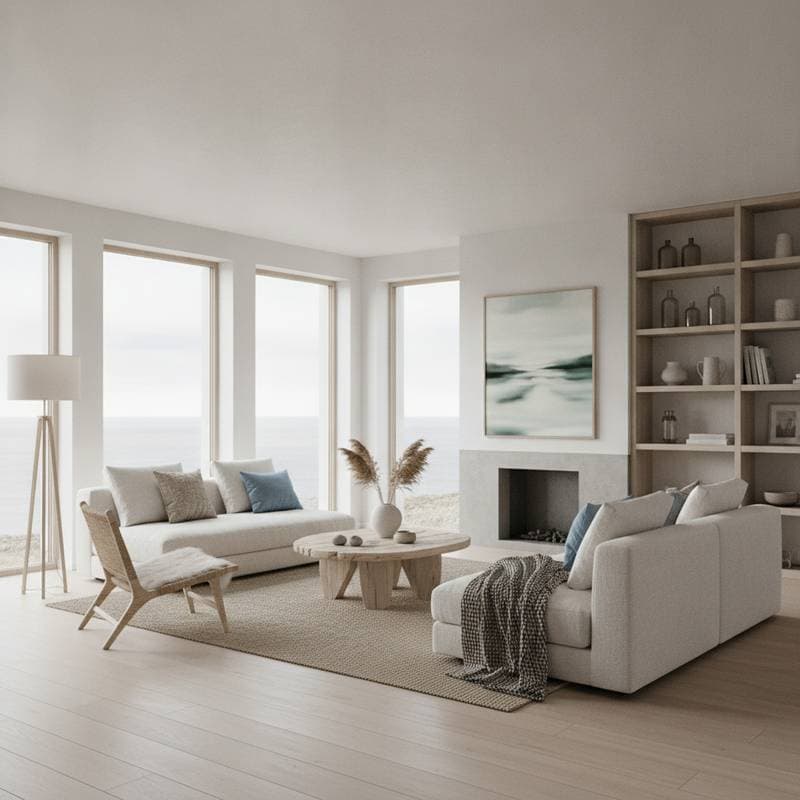
For those hesitant about comprehensive dark coverage, scaled-back methods capture the essence while preserving brightness.
- Feature walls. Select a single surface to apply deep color, grounding the space without dominance.
- Bipartite designs. Pair a rich base section with a lighter top for equilibrium.
- Contrasting details. Apply dark shades to trim or overhead elements for understated emphasis.
- Dimensional alternatives. Incorporate stained wood panels or patterned dark wallcoverings to achieve similar texture and allure.
These variations yield comparable intensity while sustaining openness.
Regional Considerations
Environmental conditions influence performance. In bright, seaside locales, ultraviolet rays accelerate fading; select interior paints with robust pigmentation for longevity. Humid climates benefit from antimicrobial additives in moisture-prone areas like lavatories or lower levels.
Service fees fluctuate geographically. Urban contractors typically bill $2 to $5 per square foot, whereas countryside providers offer reduced rates. Verify municipal regulations for heritage properties, as certain coatings or substrates might require permits.
Investment Value and Market Appeal
Dark walls seldom boost property prices outright, though they shape impressions of modernity and upkeep. Thoughtful applications convey contemporary care, appealing to discerning buyers. Agents frequently recommend neutral overhauls prior to sales, but strategic dark features enhance listings through striking visuals.
The true yield lies in daily pleasure. A cherished aesthetic translates to enhanced livability and fulfillment.
Project Safety Measures
Painting involves minimal hazards, yet standard safeguards apply.
- Maintain ventilation by opening windows throughout and post-application.
- Select low- or zero-volatile organic compound formulas to limit emissions.
- Don hand protection and eye shields during surface preparation or blending.
- Prohibit ignition sources around oil-based materials.
- Transport excess paint to designated disposal facilities.
For pre-1978 structures, screen for lead content before disturbing surfaces. Adhere to Environmental Protection Agency protocols for any remediation.
Common Questions
Does dark paint reduce perceived room size?
It can, particularly in low-light conditions. Counter this with multi-tiered illumination, including overhead, task, and ambient sources alongside daylight.
Is specialized primer necessary for dark shades?
A tinted gray primer excels, enhancing opacity and richness while cutting required layers.
Which finish suits dark walls best?
Matte or eggshell conceals blemishes yet attracts residues; satin or semi-gloss facilitates cleaning but amplifies textures.
How to select trim with dark walls?
Bright white or muted neutrals deliver sharp definition. Aligning trim to walls yields a cohesive, contemporary flow.
Do dark walls deteriorate quicker than pale ones?
Darker tones fade under intense sun; opt for ultraviolet-stable options and shield exposures to mitigate.
Bringing Dark Walls to Life
Success with dark walls hinges on deliberate choices. Assess lighting and existing decor when selecting hues. Test expansive samples in situ to gauge true tones. Prioritize paints known for smooth application and resilience.
From a solitary feature wall to enveloping a chamber, these elements instill poise and allure. Solicit estimates from certified specialists for assurance on execution and material guidance. Revel in the tranquility and distinction dark walls impart to your living spaces.