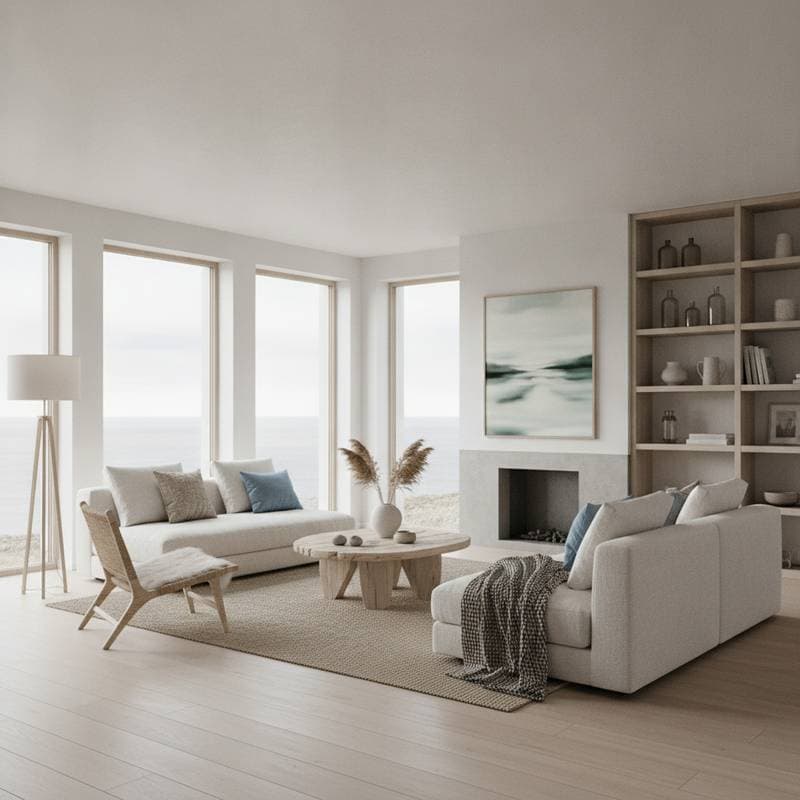
Why Dark Walls Accelerate Home Sales in 2025
Dark paint colors assist homes in selling more quickly. Deep tones impart a sense of richness, definition, and completion to rooms. Buyers gravitate toward the serenity and assurance that dark walls provide. For sellers, this approach often results in reduced time on the market and more competitive bids.
The Impact of Dark Walls on Interior Spaces
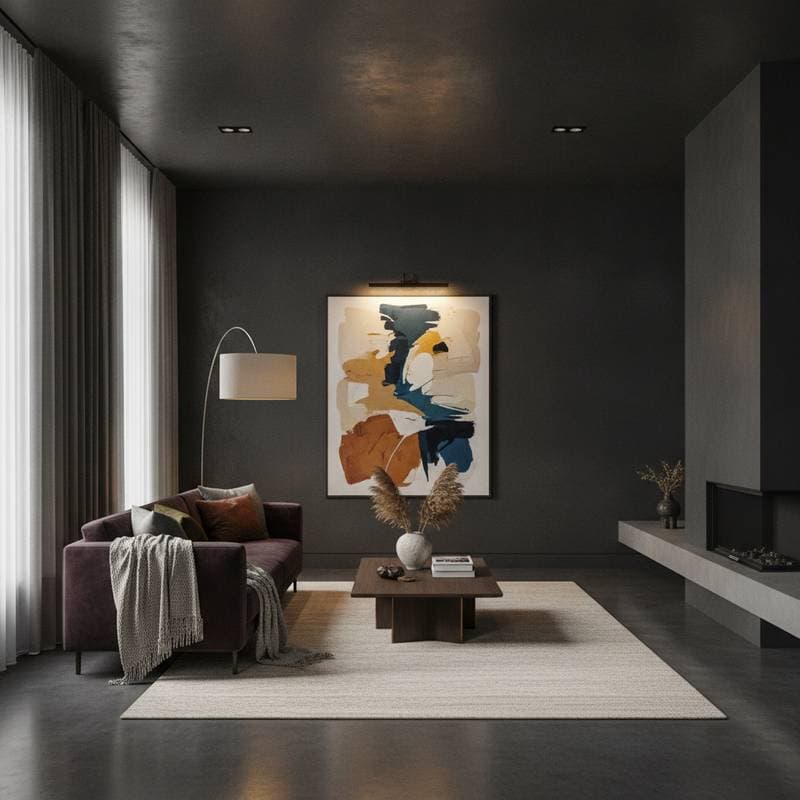
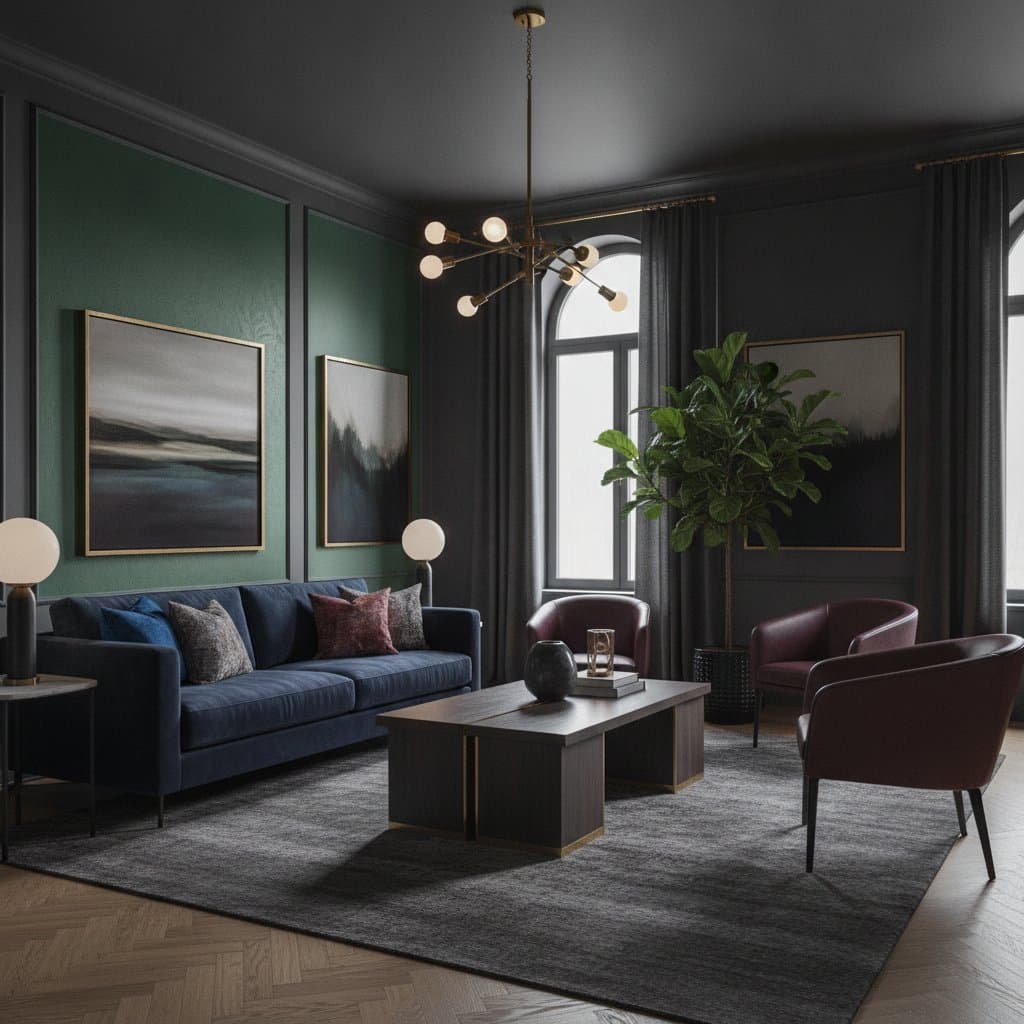
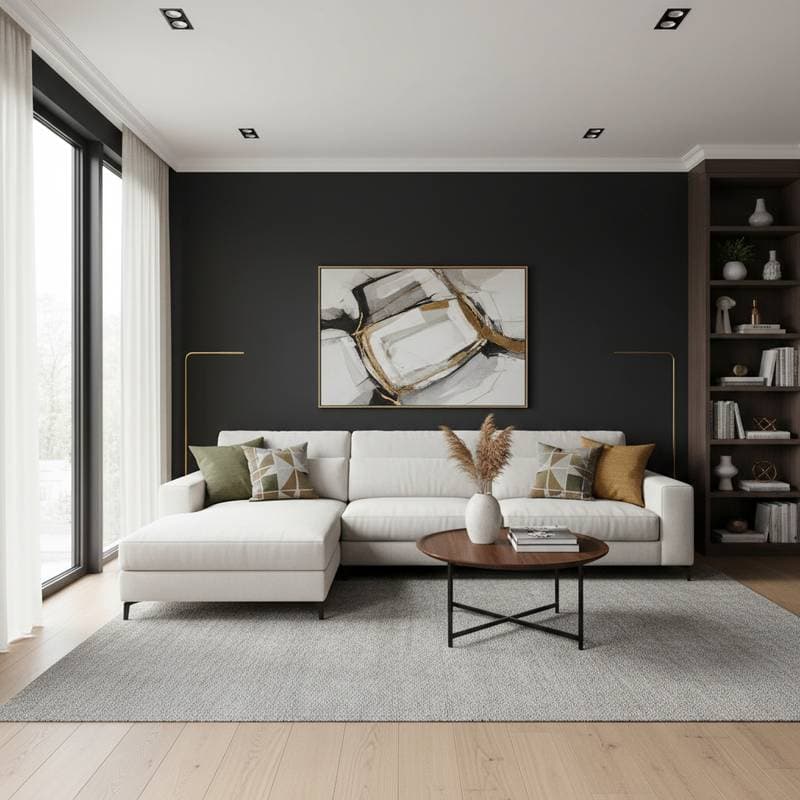
Dark walls establish contrast and depth within a room. They delineate boundaries, conceal imperfections, and cause light-colored furnishings to appear more prominent. In expansive open floor plans, dark walls introduce form and organization. In compact areas, they foster a sense of closeness and tranquility.
This aesthetic appeals to homeowners refreshing properties prior to listing, interior designers preparing spaces for sale, and investors seeking distinction in competitive markets. Optimal results occur when dark walls integrate with appropriate illumination and understated accessories.
Cost Overview
The expense of applying dark paint colors aligns closely with that of lighter varieties, though preparation and subsequent touch-ups demand greater attention.
National Average Range: $1.50 to $4.00 per square foot, encompassing labor and materials.
Typical Midrange Project: $2,000 to $3,500 for a complete interior repaint in a medium-sized residence.
Outliers: $800 for one accent wall, extending to $6,000 for projects involving multiple rooms with elevated ceilings.
Factors Influencing Cost
- Condition of walls and required preparation
- Quality of paint and quantity of coats
- Height of ceilings and intricacy of trim
- Regional labor rates
- Necessity for specialized lighting and primer to achieve uniform coverage with dark pigments
Dark paints typically require two to three coats for consistent coloration. Additional primer expenses arise, particularly when transitioning from light backgrounds.
Advantages and Disadvantages
Advantages
- Rapid Buyer Engagement: Produces compelling photographs for listings.
- Enhanced Contrast: Elevates the visibility of furniture, artwork, and trim elements.
- Contemporary Allure: Aligns with prevailing staging and design preferences.
- Effective Concealment: Masks scuffs and minor repairs more successfully than light paints.
- Perception of Purpose: Conveys a curated and polished environment.
Disadvantages
- Visibility of Dust and Debris: Matte dark surfaces necessitate regular cleaning.
- Challenges in Touch-Ups: Achieving precise color matches proves difficult over time.
- Dependence on Illumination: Insufficient lighting may render spaces claustrophobic.
- Potential to Limit Appeal: Certain buyers favor brighter color schemes.
- Extended Preparation Time: Flaws become more apparent beneath dark layers.
Varieties and Finishes
Dark walls manifest in diverse finishes and hues, selected based on ambient light, stylistic preferences, and upkeep preferences.
- Matte or Flat: Provides a subdued, non-reflective surface that obscures surface irregularities yet attracts marks readily. Suitable for bedrooms or living areas.
- Eggshell: Offers subtle luster for simpler maintenance, appropriate for family-oriented rooms.
- Satin: Reflects light gently while enduring wear, fitting for corridors or dining spaces.
- Semi-Gloss: Delivers vibrant washability, perfect for feature walls or trim.
- Subdued Neutrals: Options such as charcoal, graphite, taupe, or navy complement modern or transitional interiors.
- Vibrant Jewel Tones: Shades like emerald, plum, or deep teal enhance formal or imaginative settings.
DIY Approach Versus Professional Service
Dark paint reveals errors more readily than lighter alternatives. Visible brush strokes, roller inconsistencies, and overlooked areas emerge prominently.
DIY Difficulty: Moderate to advanced
Estimated Time: 2 to 4 days for a standard room
Essential Tools: High-quality rollers, angled brushes, painter's tape, drop cloths, and primer
Potential Pitfalls: Inconsistent application, noticeable seams, and color discrepancies
Circumstances for Professional Assistance
- Expansive or tall-ceilinged areas
- Situations demanding swift completion for market entry
- Alterations to wall texture or finish
- Requirements for uniform shading in staging photography
Professionals excel in applying tinted primers, adjusting base layers, and ensuring seamless finishes. They also handle cleanup and waste disposal in compliance with regulations.
Essential Application Steps
- Remove furniture and protect flooring.
- Clean and repair walls, then sand for smoothness.
- Apply tinted primer suited to dark shades.
- Outline edges using a brush.
- Apply the initial coat with uniform roller strokes.
- Allow complete drying before the subsequent coat.
- Examine under optimal lighting for sparse coverage.
- Add the final coat and detach tape with care.
- Clean tools and surfaces thoroughly.
Image Suggestion: A professional applying deep navy paint to a living room wall, with light furnishings positioned prominently in the foreground.
Upkeep and Durability
Dark paint endures 5 to 10 years, contingent on usage intensity and finish type. Clean surfaces gently using a moist cloth. Steer clear of abrasive cleaners that may diminish gloss. Perform touch-ups with retained paint from the original batch. Store surplus in airtight containers to avoid tonal variations.
Monitor for discoloration adjacent to sunlit windows. Ultraviolet rays may alter shades gradually. Matte variants require more consistent spot treatments compared to those with sheen.
Alternative Strategies
- Textured Wallpaper: Imparts dimension at a higher cost and with greater removal challenges.
- Wainscoting Paired with Light Walls: Maintains contrast at lower levels while introducing structure.
- Darkened Ceilings: Frames spaces without enveloping all walls.
- Bipartite Wall Designs: Merges a dark lower section with a paler upper portion for equilibrium.
These methods influence perceived proportions uniquely. Employ darker elements to direct attention or infuse warmth.
Regional Considerations
Local weather and illumination influence the appearance of dark paint.
- Coastal Zones: Salinity and moisture accelerate deterioration of non-glossy finishes.
- Arid or Intensely Lit Regions: Ultraviolet exposure fades pigments; opt for UV-protective formulas.
- Temperate Climates: Dark walls enhance coziness and offset stark winter illumination.
- Metropolitan Areas: Buyers appreciate dramatic interiors that excel in listing images.
Municipal regulations seldom restrict interior colors, though homeowners' associations or preservation zones may impose guidelines. Verify restrictions prior to exterior or street-visible modifications.
Return on Investment and Market Performance
Well-executed dark interiors swiftly capture buyer interest. Industry insights indicate that properties featuring staged dark rooms yield superior online visuals, increasing inquiries and accelerating viewings.
Anticipate reasonable returns. Painting represents an economical enhancement relative to renovations like flooring or kitchens, yet it revitalizes the overall aesthetic. In select markets, such updates shorten sale durations by several days.
Favor versatile dark neutrals like charcoal or navy for broader acceptance. Reserve all-black applications for scenarios with ample lighting and contrasting light elements.
Safety Protocols
Painting endeavors pose minimal hazards when standard precautions are observed.
- Ensure ventilation through open windows or fans during application.
- Select low-VOC paints to minimize volatile emissions.
- Don gloves and protective eyewear for sanding or priming tasks.
- Secure ladders firmly and refrain from excessive stretching.
- Adhere to community guidelines for disposing of paint residues and cloths.
For older structures, conduct lead testing before disturbing surfaces. Comply with Environmental Protection Agency protocols for remediation.
Frequently Asked Questions
Do dark walls diminish room size?
They possess that potential, yet strategic lighting and pale furnishings mitigate it. Dark hues introduce perceptual depth, evoking comfort rather than confinement.
Which areas suit dark paint most effectively?
Bedrooms, dining rooms, and living spaces accommodate dark tones adeptly. Eschew tiny, unlit rooms unless incorporating luminous trim and reflective surfaces.
Can dark walls elevate property value?
They seldom contribute directly to formal appraisals, but they expedite transactions by refining digital presentations and fostering a professional ambiance.
Should ceilings align with dark walls?
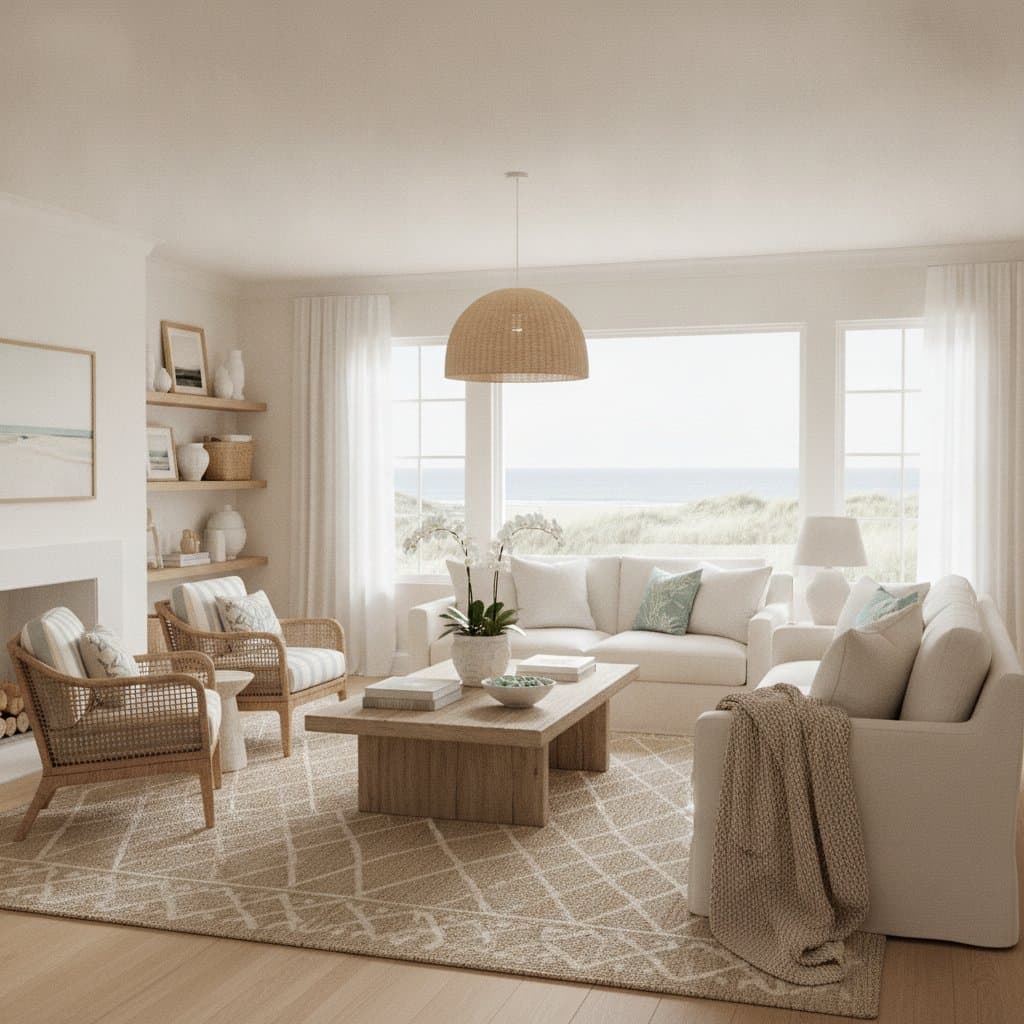
Generally, no. Lighter ceilings preserve a sense of verticality. White or soft gray provides essential contrast.
What illumination complements dark paint?
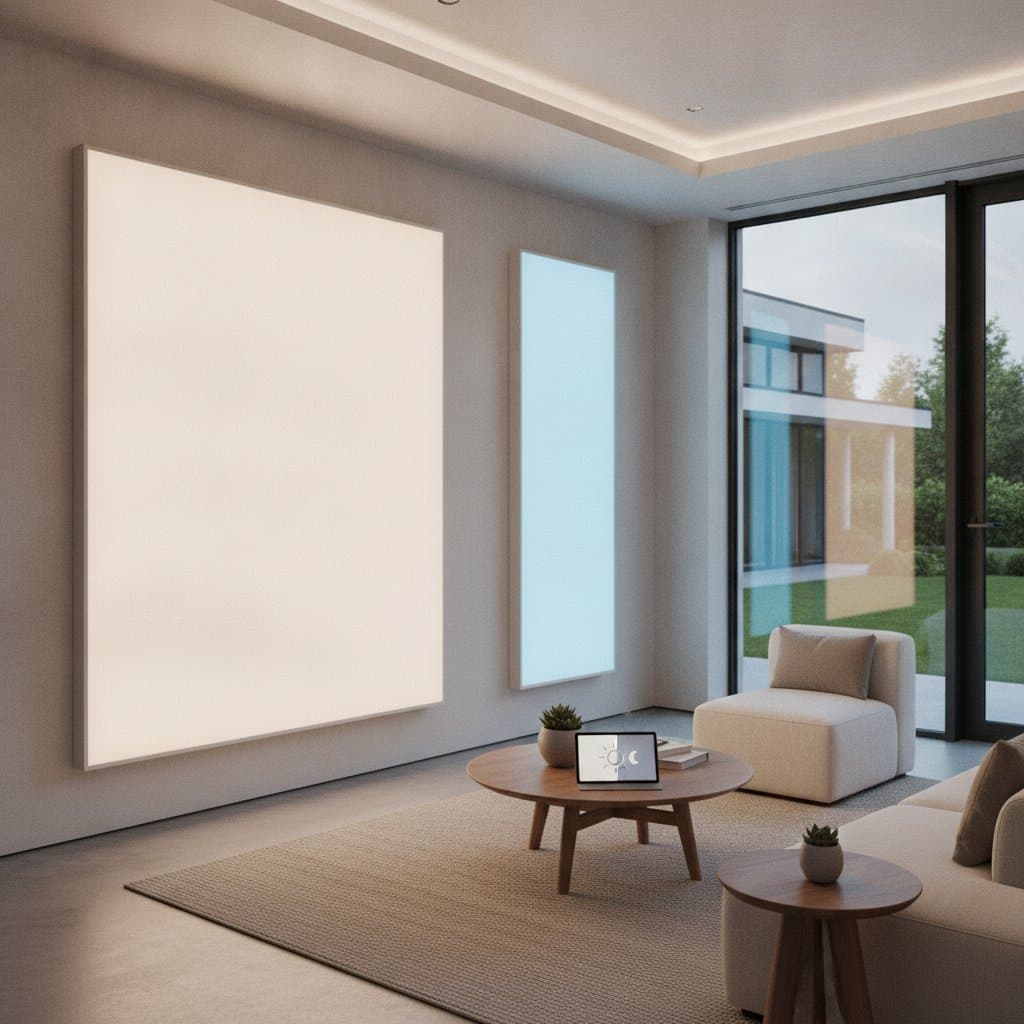
Employ multifaceted setups. Integrate overhead lights, wall-mounted fixtures, and tabletop lamps to accentuate texture and tonal nuances.
Implementing Dark Walls Effectively
Prior to full application, sample swatches across walls under varying conditions. Evaluate appearances in morning and evening light. If the shade overwhelms, select a marginally lighter variant.
Coordinate the endeavor with prevailing light patterns and presentation objectives. Dark walls position properties as contemporary, deliberate, and buyer-ready. Solicit estimates from at least two certified painters, inquiring about primer customization, manufacturer guarantees, and curing periods.