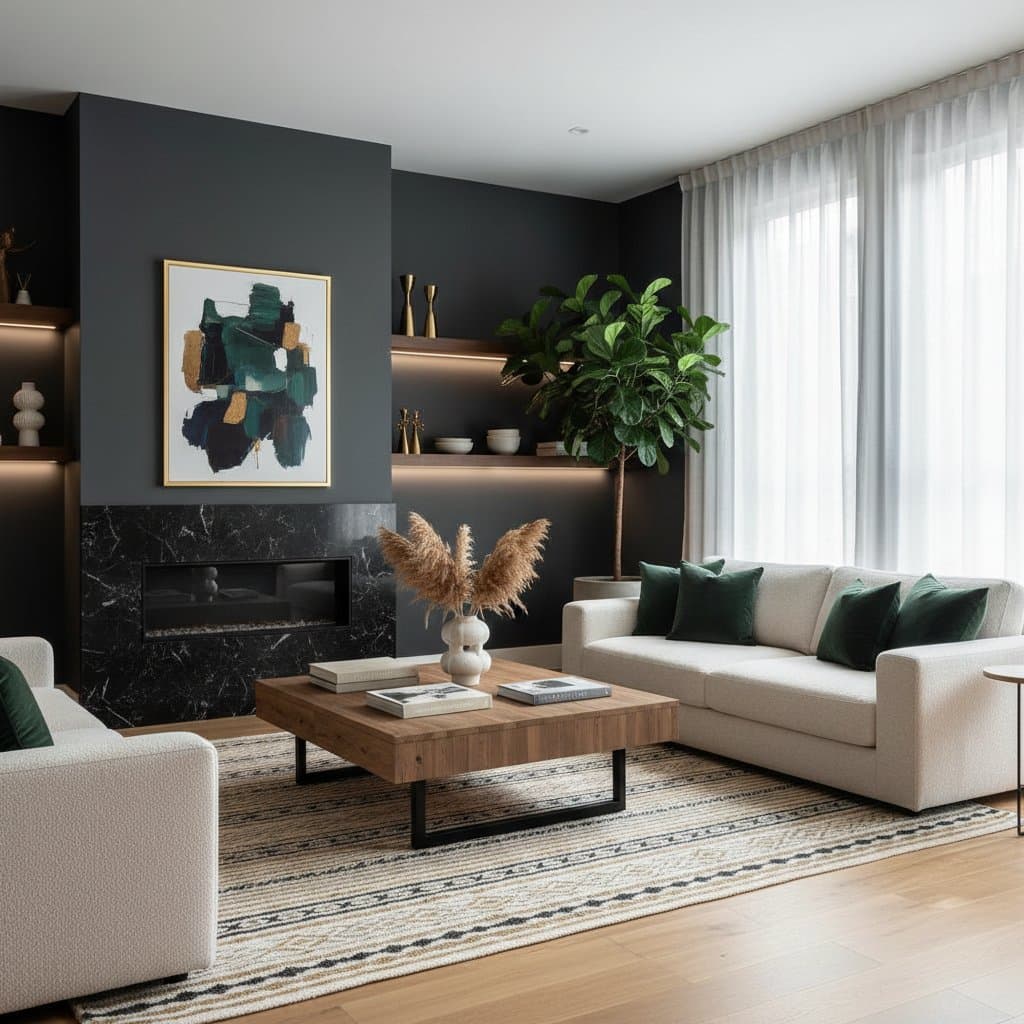
Dark Paint Now Sells Homes Faster Than All-White
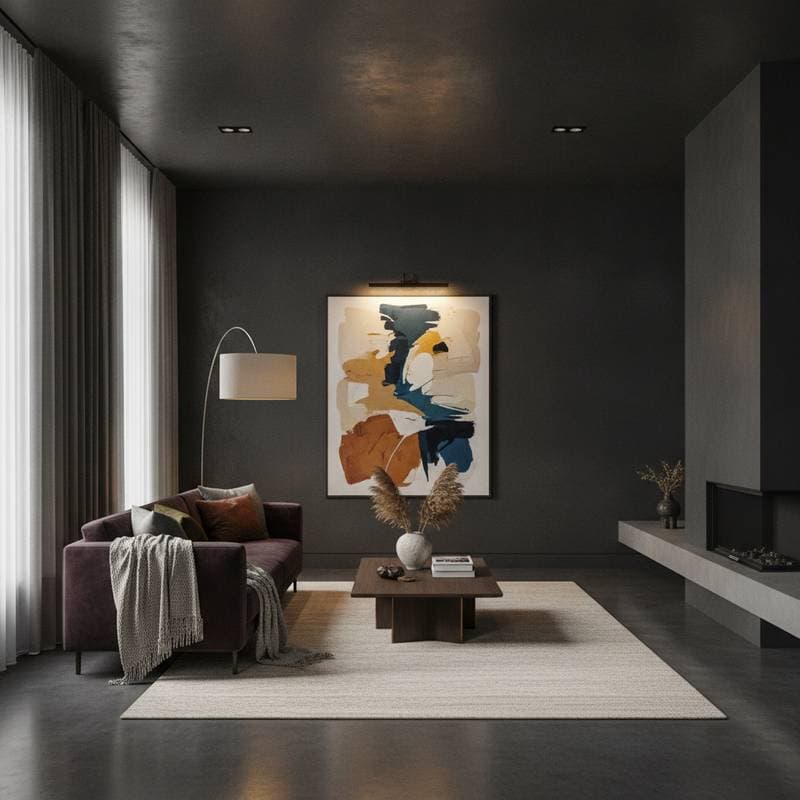
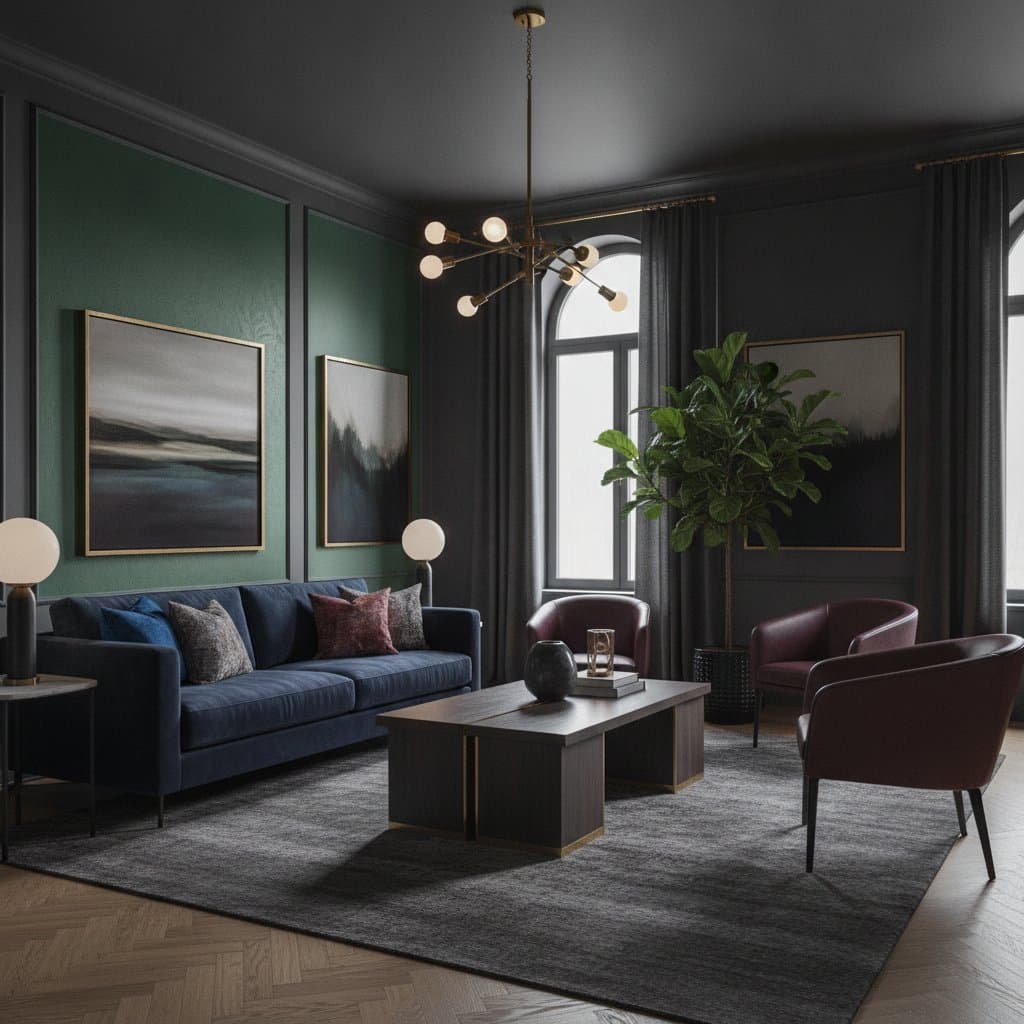
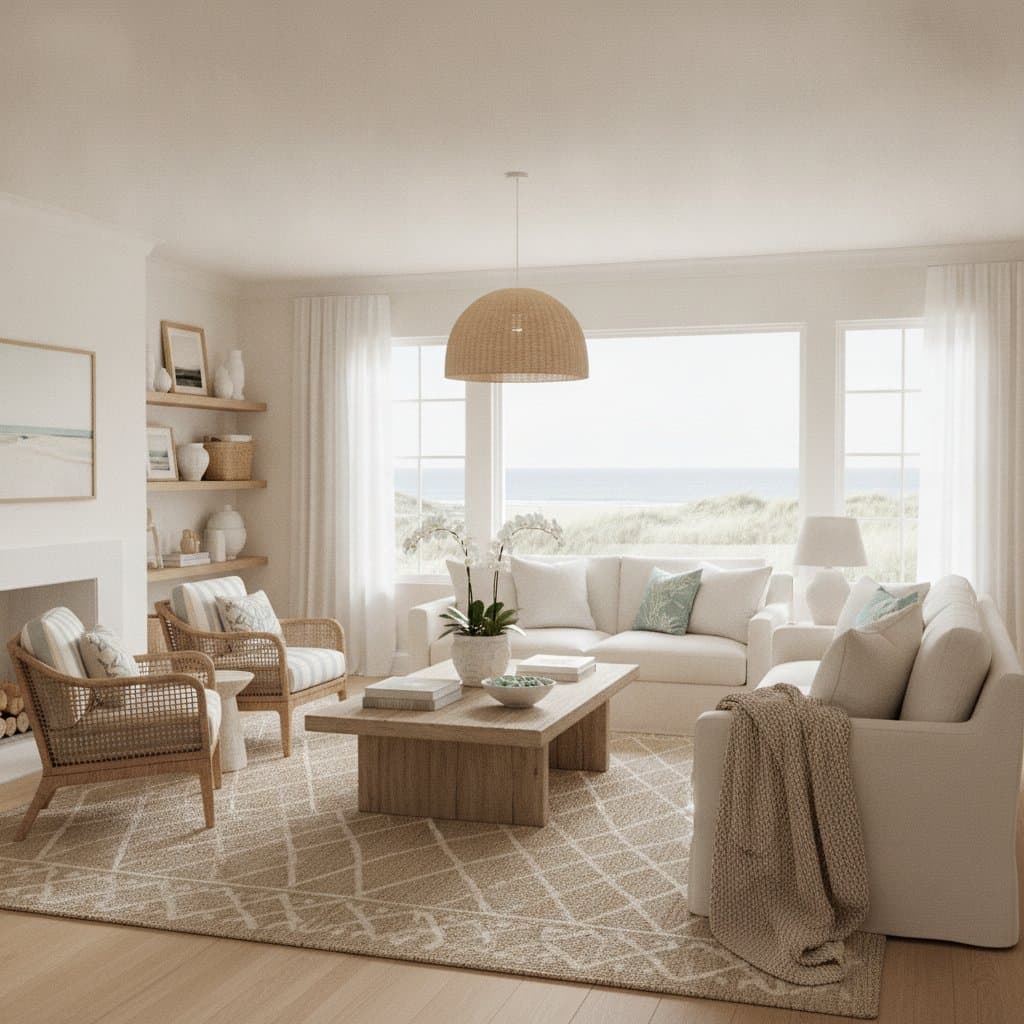
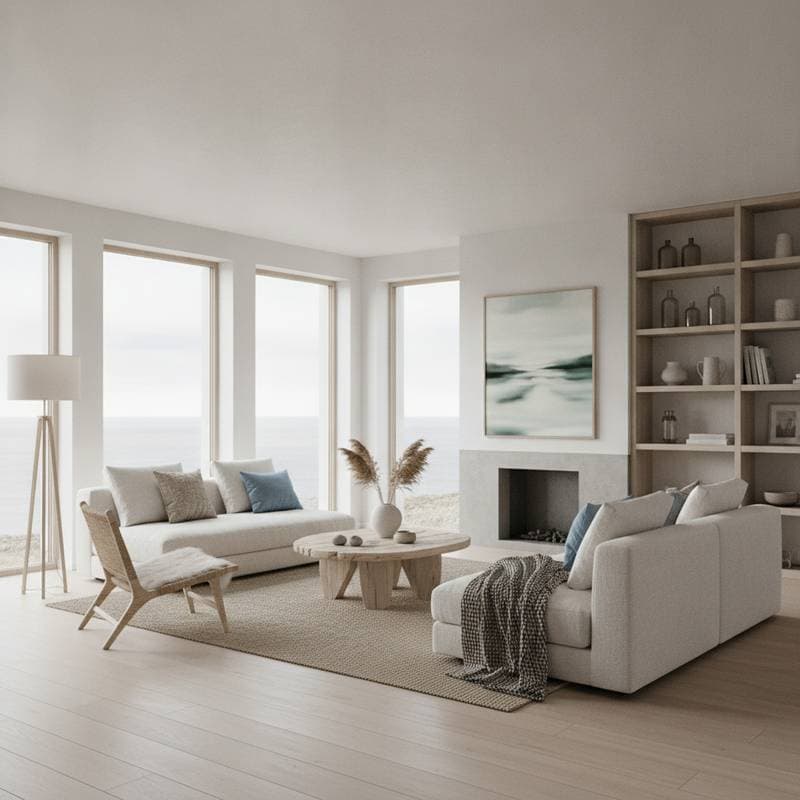
Dark paint colors have emerged as a powerful trend in 2025, transforming how homes appeal to buyers and boosting resale value. Unlike traditional all-white interiors that can feel stark and impersonal, deep tones such as rich charcoals, moody greens, and velvety navies introduce luxury, depth, and emotional warmth. Homeowners who incorporate these shades report faster sales and higher offers, as buyers perceive spaces painted in dark hues as sophisticated and intentionally designed.
This shift reflects evolving buyer preferences toward bold, personality-driven aesthetics. Real estate experts note that dark paint creates visual interest, hides minor imperfections, and enhances photography for listings. In competitive markets like Los Angeles, properties with strategic dark accents stand out, drawing in design-conscious purchasers who seek modern elegance without the expense of major renovations.
To achieve this effect, select shades that harmonize with your home's architecture and natural light. Pair dark walls with crisp white trim and metallic accents for balance. The result is a space that feels curated and upscale, accelerating the path to a successful sale.
Choosing Finishes and Lighting for Dark Paint
Selecting the appropriate finish enhances the impact of dark paint while ensuring practicality. Matte or eggshell finishes on walls provide subtle depth and reduce glare, allowing the color to envelop the room without harsh reflections. For trim or cabinetry, opt for satin or semi-gloss to create clean contrast and ease of cleaning.
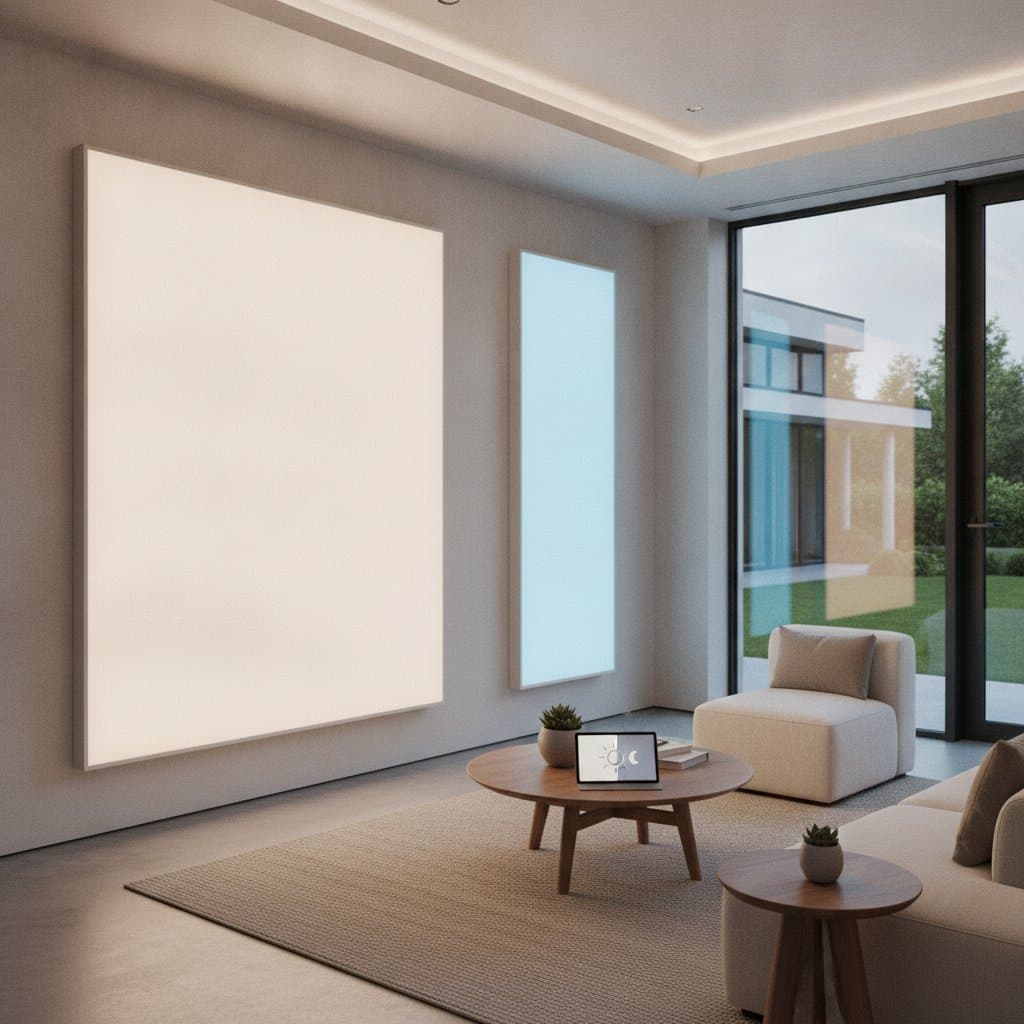
Lighting plays a crucial role in how dark shades perform throughout the day. Incorporate warm LED bulbs to counteract any potential cold undertones, fostering an inviting atmosphere. In north-facing rooms with limited natural light, warmer darks like earthy greens or deep browns maintain vibrancy. Sunny south-facing spaces benefit from cooler options such as navy or graphite, which resist fading under bright conditions.
Observe how lighting alters perception: a deep hue might appear richer in morning light but more subdued in the evening. Test samples under various conditions, including daylight and artificial sources, to confirm the desired mood before committing to the full project.
Costs of Dark Paint Projects
The expense of painting with dark colors aligns closely with lighter alternatives, though factors like additional coats or specialized primers may increase labor slightly. Costs depend on location, surface area, and material quality. Budget accordingly to avoid surprises.
| Task | Typical Cost | What Affects Price |
|---|---|---|
| Interior wall paint (per room) | $300 - $800 | Room size, wall condition, paint quality |
| Cabinet repainting | $1,000 - $3,000 | Number of doors, prep time, finish type |
| Accent wall | $150 - $400 | Color depth, primer, trim masking |
| Exterior entry door | $100 - $300 | Door material, finish, weather exposure |
Key cost drivers include premium paints with dense pigmentation, extensive surface preparation such as patching, access to high ceilings, and finishes requiring sanding like satin or gloss.
To manage expenses, consider painting a single accent wall rather than an entire room. Perform preparation tasks yourself if skilled, and use sample pots from manufacturers to evaluate coverage prior to purchasing full quantities.
Essential Tools and Materials
Quality tools ensure even application and professional results, particularly with dark paints that reveal inconsistencies more readily. Assemble the following items before starting.
Preparation Checklist:
- Tinted primer to block underlying colors and improve coverage
- High-quality roller covers with a 3/8-inch nap for smooth walls
- Angled sash brush for precise edges and corners
- Painter's tape for clean lines
- Paint tray with disposable liners
- Drop cloths to protect floors and furniture
- Sturdy ladder for reaching higher areas
- Mild detergent and sponge for surface cleaning
- Sandpaper or sanding block for smoothing imperfections
Maintain tools meticulously: clean them promptly after use to prevent dried dark pigment from hardening, which complicates removal and risks contaminating subsequent projects.
Safety Considerations and Preparation
Dark paint applications pose minimal risks when handled properly, yet attention to ventilation and material handling remains essential. Open windows and employ fans to circulate air, minimizing exposure to vapors. Steer clear of oil-based paints in indoor settings due to their potent odors.
Protect yourself with gloves and eye protection during sanding or priming phases. Refrain from painting over suspected lead-based layers without professional abatement measures. For outdoor work, ensure surfaces remain dry and temperatures stay between 50 and 85 degrees Fahrenheit.
In older homes, conduct lead testing before disturbing paint. Many hardware stores provide inexpensive kits for on-site analysis, safeguarding health and compliance.
How Dark Paint Influences Buyer Appeal
Dark paint taps into buyer psychology by evoking modernity and thoughtful staging. Deep colors enhance listing photographs through increased contrast, making elements like white trim appear sharper and more defined. A navy accent wall, for instance, elevates a kitchen to boutique sophistication.
During open houses, rooms with dark paint often convey serenity, masking minor flaws such as drywall inconsistencies or repairs. This approach refreshes older properties affordably, avoiding the need for comprehensive updates.
Target high-impact areas like the living room, kitchen, or primary bedroom, where buyers form emotional connections. These spaces benefit most from dark tones, signaling quality and care that resonate with discerning audiences.
Mistakes to Sidestep with Dark Paint
- Omitting primer: Applying dark paint directly over light surfaces leads to streaking and demands multiple extra coats for uniformity.
- Selecting inappropriate sheen: Glossy finishes on imperfect walls highlight every imperfection, detracting from the overall look.
- Overlooking lighting effects: Colors that thrive in natural light may appear dull under evening illumination, altering the room's ambiance.
- Proceeding without samples: Small color chips misrepresent how shades render on full walls, leading to regrettable choices.
- Neglecting trim preparation: Unsanded wood trim results in peeling paint or visible brush strokes over time.
Prioritize thorough testing, meticulous preparation, and lighting assessment to maximize success. Patience in these steps yields enduring satisfaction.
Maintaining Dark-Painted Surfaces
While dark colors accentuate dust and marks more than neutrals, maintenance proves straightforward with routine care. Gently wipe walls using a damp cloth as needed to preserve the finish. Avoid abrasive cleaners that strip sheen and dull appearance.
Store excess paint in sealed containers for quick touch-ups on chips or scratches. Refresh trim every few years to sustain crisp contrasts. In high-traffic zones like hallways and kitchens, select durable, washable finishes to withstand daily wear.
Regular upkeep extends the vibrancy of dark paint, keeping spaces looking polished and intentional.
Expert Techniques for Flawless Application
Work during steady daylight hours to accurately gauge color accuracy. Employ two smaller rollers for superior control and even distribution. Keep a damp cloth at hand to address drips swiftly.
Apply paint from ceiling to floor, capturing any splatter on lower surfaces. Clearly label stored paint with details like room location and brand for future reference. These practices minimize errors and streamline the process.
Implementing Dark Paint in Your Home
Begin modestly by painting one wall in the dining room or the ceiling of a powder room. Complement the dark shade with light furnishings, warm illumination, and organic textures for harmony. Observe the transformation before extending to additional areas.
Dark paint serves to build contrast, texture, and assurance rather than dimness. It elevates ordinary homes to bespoke elegance, enhancing appeal and value in today's market.
Frequently Asked Questions
What rooms suit dark paint best? Living rooms, kitchens, and primary bedrooms respond well, as these areas influence buyer emotions most strongly.
Does dark paint reduce room size perception? When balanced with lighting and accents, dark tones add depth without shrinking spaces; they create cozy intimacy.
How long does dark paint last? Quality applications endure 5-10 years with proper care, though touch-ups maintain freshness.
Can dark paint work in small homes? Yes, use it sparingly on accents to add drama without overwhelming; pair with mirrors and light colors for openness.