2026’s Moody Paint Trend That’s Selling Homes Fast
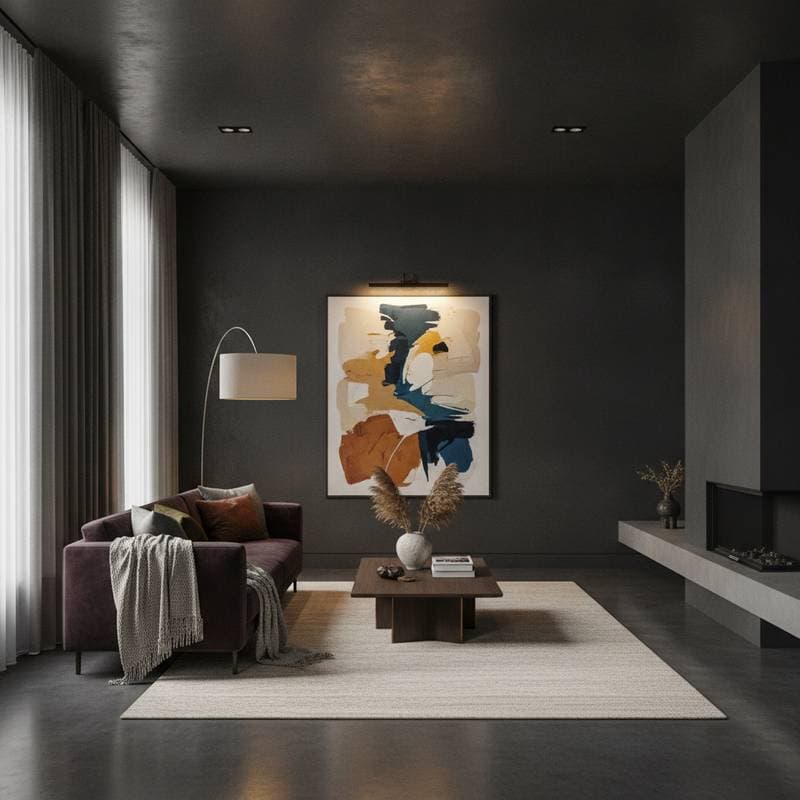
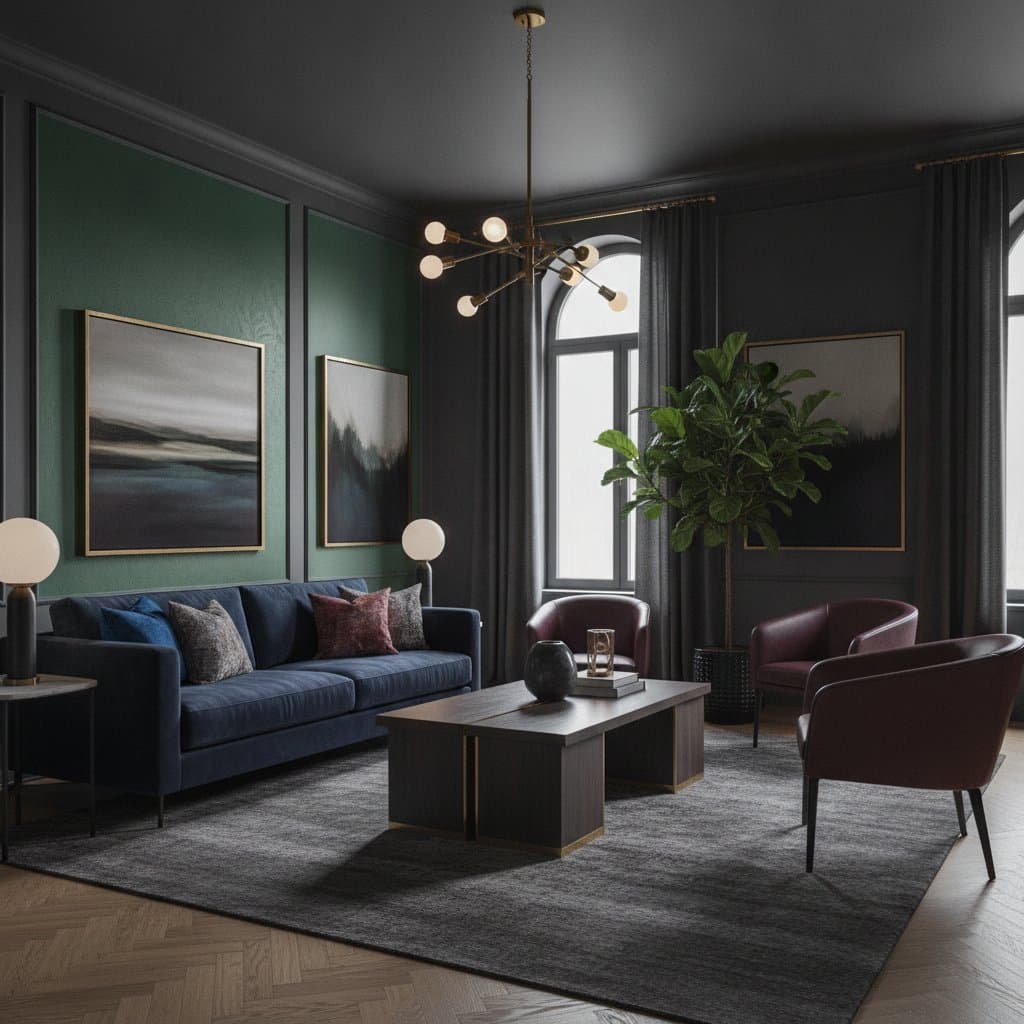
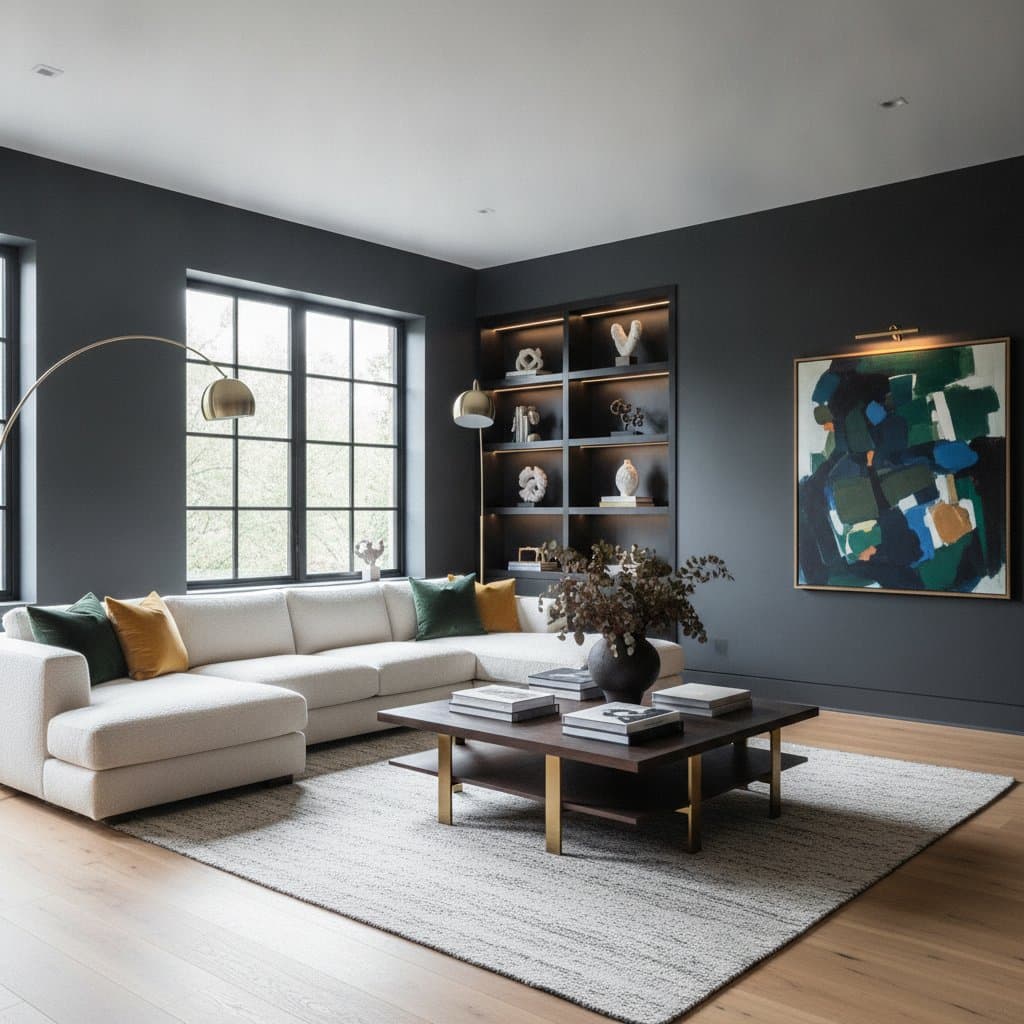
Dark paint colors have returned to favor among buyers seeking distinctive interiors. Deep charcoals, rich greens, and soft blacks now help properties move more quickly while supporting higher sale prices. This approach suits owners who value character and comfort over standard neutral schemes. It performs best in rooms with ample natural light or as targeted accent walls.
Sellers gain an edge in competitive listings when these tones appear in photographs and during showings. Owners who remain in place receive added warmth and visual weight that pale neutrals rarely provide.
Advantages and Limitations
Advantages
- Creates immediate visual depth across walls and ceilings.
- Produces clear contrast that draws attention to trim, artwork, and furnishings.
- Delivers a refined appearance when combined with strategic lighting placement.
- Conceals minor surface flaws more effectively than lighter shades in certain sheens.
- Increases online and in-person interest when paired with updated hardware.
Limitations
- Reduces perceived room size unless supplemented by strong illumination.
- Reveals dust and fingerprints more readily on flat finishes.
- Requires precise color matching for any spot repairs.
- Demands additional coats to reach uniform opacity.
- Limits light bounce, which can darken compact areas.
DIY Approach Versus Professional Service
DIY Approach
Experienced homeowners can complete a single-room project in six to twelve hours. Essential supplies include quality rollers, angled brushes, painter’s tape, drop cloths, and a tinted primer. The main challenge lies in avoiding roller marks and maintaining consistent coverage, since every imperfection becomes visible against a dark background.
Professional Service
Licensed painters achieve even results in less time through specialized equipment and techniques suited to dense pigments. Engage professionals for multiple rooms, vaulted ceilings, or spaces with extensive trim work. They also apply premium finishes such as velvet matte or washable eggshell without visible streaks.
Care Requirements and Expected Duration
Dark surfaces follow the same cleaning schedule as lighter ones, yet wear patterns differ. Wipe marks with a soft cloth and gentle solution every few weeks. Skip abrasive pads that can alter the sheen.
Routine Upkeep
- Examine corners and high-contact zones each month.
- Refresh scuffed areas promptly with stored paint.
- Retain a labeled sample of the original mixture for future touch-ups.
- Plan for a full repaint cycle of five to ten years based on household traffic.
Select scrubbable matte formulas for high-use rooms. Buff glossy areas periodically with microfiber to preserve uniform reflection.
Regional and Environmental Considerations
Local conditions influence both application and longevity. Coastal humidity calls for mildew-resistant products. Arid zones benefit from slow-dry additives to prevent lap marks. Cold climates require stable indoor temperatures during curing. Urban buyers often respond well to bold contrast, while historic districts may restrict exterior choices. Review local VOC limits and disposal guidelines before purchase.
Safety Measures
Basic precautions keep the process low risk. Maintain airflow with open windows and running fans. Wear gloves, eye protection, and a mask during sanding or priming. Position ladders on stable ground and avoid reaching beyond safe limits. Shut off power before removing outlet covers. Store oil-based rags in sealed metal containers to reduce fire hazard.
Frequently Asked Questions
Which dark shades appear most often in current projects?
Charcoal gray, soft black, and deep green remain the leading choices. These hues adapt to both minimalist and traditional interiors.
Do dark tones reduce buyer interest?
Proper placement prevents that outcome. Dark walls can improve photo visibility and in-person impact when balanced with light trim and neutral furnishings.
How can a dark room retain brightness?
Layer multiple light sources such as sconces and portable lamps. Introduce mirrors or metallic surfaces to redirect available light.
Is a special primer required?
A tinted primer matched closely to the final color speeds coverage and reduces visible brush or roller lines.
Can dark paint go directly over light paint without sanding?
Clean, primed walls accept the new color. Glossy existing finishes still need light sanding to promote adhesion.
Implementing Moody Paint Successfully
These colors deliver strong visual impact at roughly the same cost as any standard repaint. Begin with a single wall or small powder room to observe how light interacts with the chosen shade. Sellers should emphasize contrast around architectural features and open sight lines. Quality paint combined with thorough surface preparation produces the most durable outcome. When the scope exceeds personal experience, a licensed painter can manage pigment behavior and finish selection. Test the color on site, gather appropriate tools, and proceed with the project once local regulations are confirmed.