
Understanding the Dark Academia Aesthetic
Dark Academia draws inspiration from the scholarly worlds of ancient universities, evoking images of ivy-covered libraries and candlelit studies. This design style emphasizes rich, moody palettes, vintage furnishings, and intricate textures that create an atmosphere of intellectual depth and timeless elegance. In 2025, it emerges as a leading trend for homeowners seeking to blend sophistication with comfort.
The appeal lies in its ability to transform ordinary spaces into sanctuaries of quiet luxury. Professionals note that this aesthetic resonates with buyers who value craftsmanship and narrative-driven interiors. By incorporating these elements, homeowners position their properties as desirable retreats in competitive markets.
The Impact on Home Value
Recent market analyses indicate that homes featuring Dark Academia elements can see an increase in resale value of up to 11 percent. This boost stems from the trend's alignment with buyer preferences for unique, story-rich designs that stand apart from minimalist norms. Real estate experts attribute this rise to the perceived longevity and emotional connection fostered by such interiors.
Data from industry reports highlights how thoughtful design choices signal quality and investment potential to prospective buyers. Properties with cohesive aesthetics often command higher offers, as they require less customization from new owners. The key is in selecting elements that enhance functionality while adding visual intrigue.
Core Elements of Dark Academia Design
Color Palettes for Depth
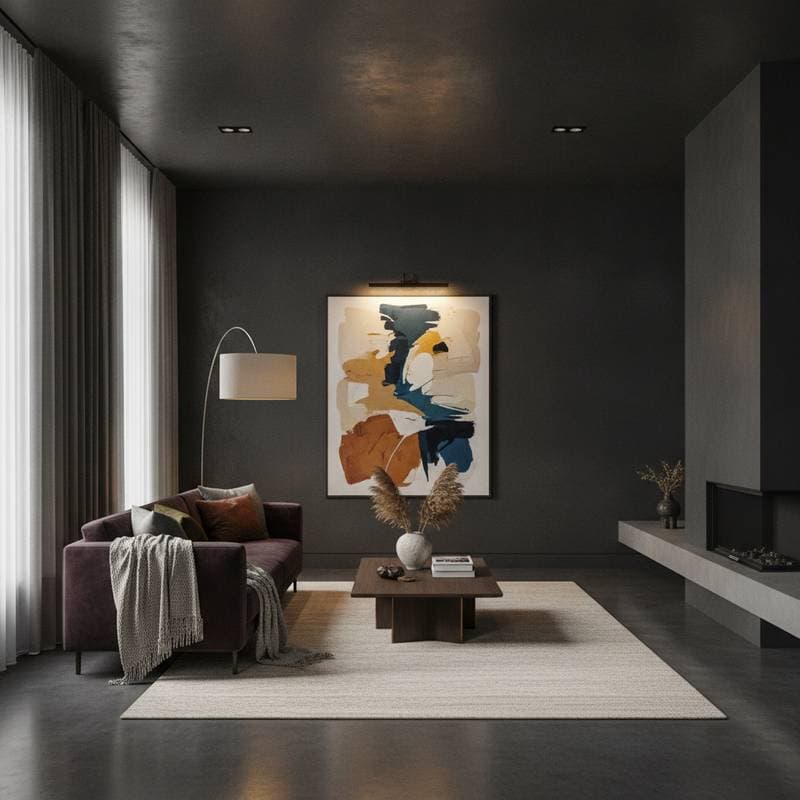
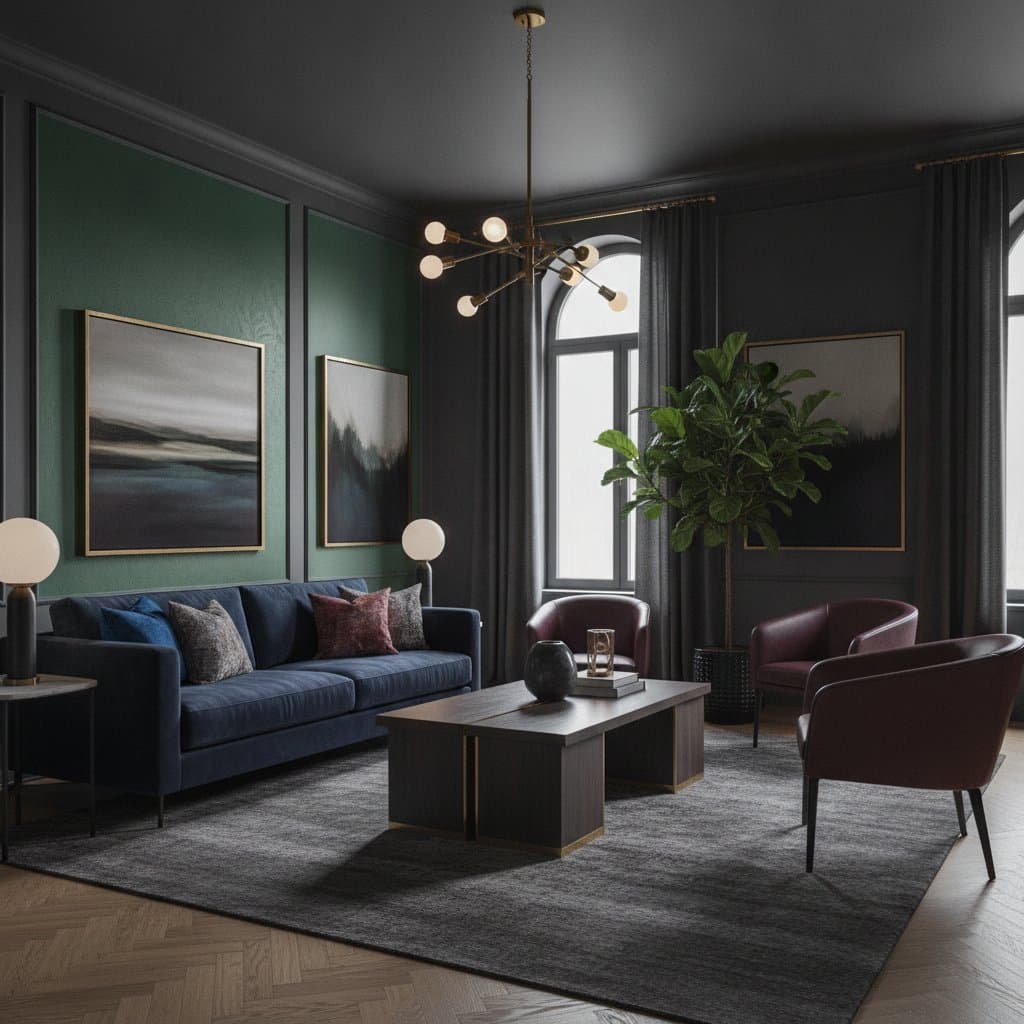
Deep hues form the foundation of Dark Academia, with shades like forest green, burgundy, and navy blue dominating walls and accents. These colors absorb light to create intimate, enveloping spaces that encourage relaxation and focus. Pair them with warm neutrals, such as soft taupes, to balance intensity and prevent overwhelming the room.
Select paints with matte finishes to mimic aged plaster found in historic libraries. For accents, incorporate brass or gold hardware that reflects subtle light without harsh glare. This combination not only elevates aesthetics but also contributes to the style's enduring appeal.
Lighting Strategies for Ambiance
Layered lighting defines Dark Academia, starting with ambient sources like oversized pendants resembling vintage lanterns. These fixtures cast soft, diffused glows that highlight architectural details and artwork. Supplement with task lighting, such as adjustable desk lamps with fabric shades, to support reading or work areas.
Incorporate smart bulbs that allow dimming to match moods, from study sessions to evening gatherings. Avoid overhead fluorescents; instead, opt for wall sconces that mimic gas lamps for authenticity. Proper lighting enhances perceived space and underscores the design's scholarly vibe.
Textures and Materials for Craftsmanship
Velvet upholstery, leather-bound bookshelves, and woven rugs introduce tactile richness essential to the aesthetic. Wood elements, like oak paneling or carved moldings, add warmth and a sense of history. Mix in metallic accents, such as iron frames or copper vases, to introduce subtle contrast.
Focus on sustainable materials where possible, like reclaimed wood or organic linens, to appeal to eco-conscious buyers. These choices not only build depth but also demonstrate thoughtful curation. Layer textures sparingly to maintain elegance without clutter.
Implementing Dark Academia in Your Home
Assessing Your Space
Begin by evaluating rooms for natural light and flow. Kitchens and living areas benefit from darker walls if windows allow ample daylight; otherwise, reserve bold colors for accents. Measure square footage to determine scale—larger spaces accommodate grander elements like tufted sofas, while compact areas suit built-in shelving.
Consult floor plans to identify focal points, such as fireplaces or entryways, for initial transformations. This step ensures cohesion across the home, maximizing impact on overall value.
Step-by-Step Application Guide
-
Clear and Prep: Remove outdated decor to create a neutral canvas. Dust and repair surfaces for a polished base.
-
Select Key Pieces: Invest in multifunctional items, like a leather armchair or brass floor lamp, that anchor the theme. Source from antique markets or online retailers specializing in vintage reproductions.
-
Apply Colors and Textures: Paint one wall as a feature, then layer rugs and throws. Introduce books and artifacts to personalize the scholarly feel.
-
Install Lighting: Mount fixtures at eye level for intimacy. Test arrangements to ensure even illumination without shadows.
-
Refine Details: Add greenery, such as potted ferns, for organic contrast. Step back to assess balance and adjust as needed.
Follow this sequence to build gradually, allowing budget flexibility.
Cost Considerations and Budgeting
DIY approaches keep expenses low, with paint and basic textiles costing between 200 and 500 dollars per room. Professional consultations add 500 to 1500 dollars for custom plans, while full renovations range from 3000 to 10000 dollars depending on scope. Prioritize high-traffic areas like living rooms for the greatest return on investment.
Factor in long-term savings from durable materials that resist wear. Track spending by category to avoid overruns, ensuring the project aligns with market-driven value gains.
Professional Insights and Common Pitfalls
Interior designers recommend starting small to test the aesthetic's fit with your lifestyle. One expert advises against over-darkening windowless rooms, suggesting lighter accents to maintain openness. Balance is crucial; too much intensity can feel oppressive rather than inviting.
Avoid trendy knockoffs that lack quality—opt for pieces with patina for authenticity. Engage a local stager post-renovation to showcase the design's appeal during showings. These strategies help sidestep errors and amplify benefits.
Realizing Lasting Value Through Dark Academia
Embracing this trend positions your home as a sophisticated haven that appeals to discerning buyers. The resulting interiors not only enhance daily living but also secure financial advantages in resale. With careful execution, Dark Academia delivers enduring style and measurable worth.