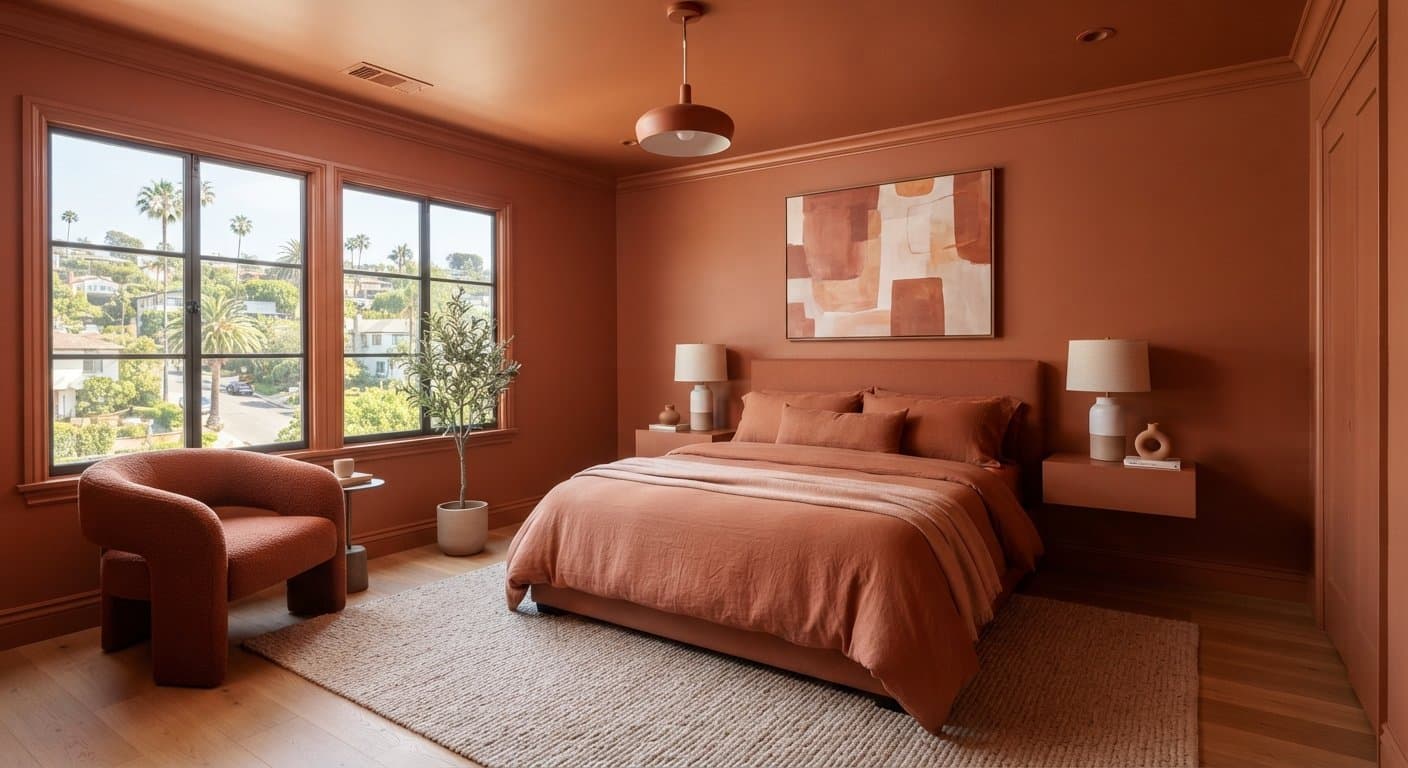
Color Drenching a Bedroom: What Los Angeles Homeowners Need to Know
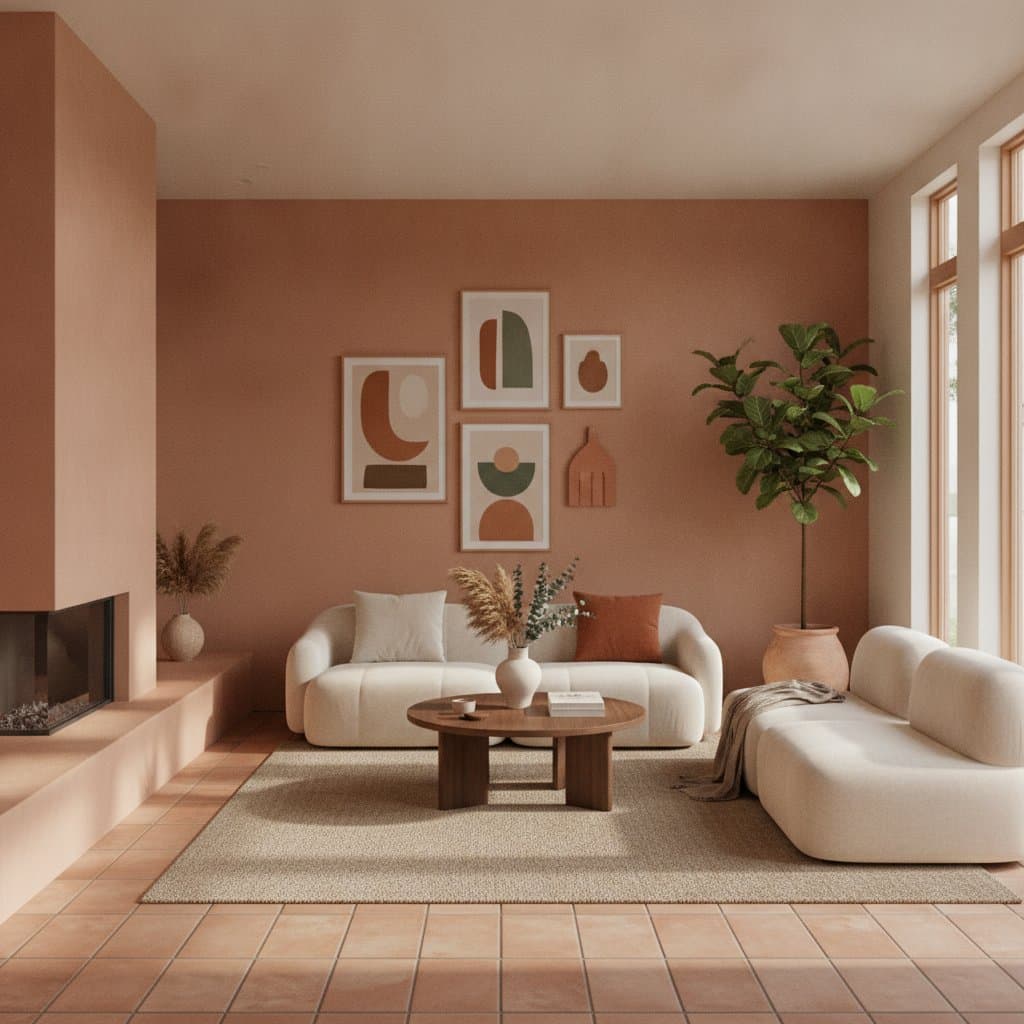
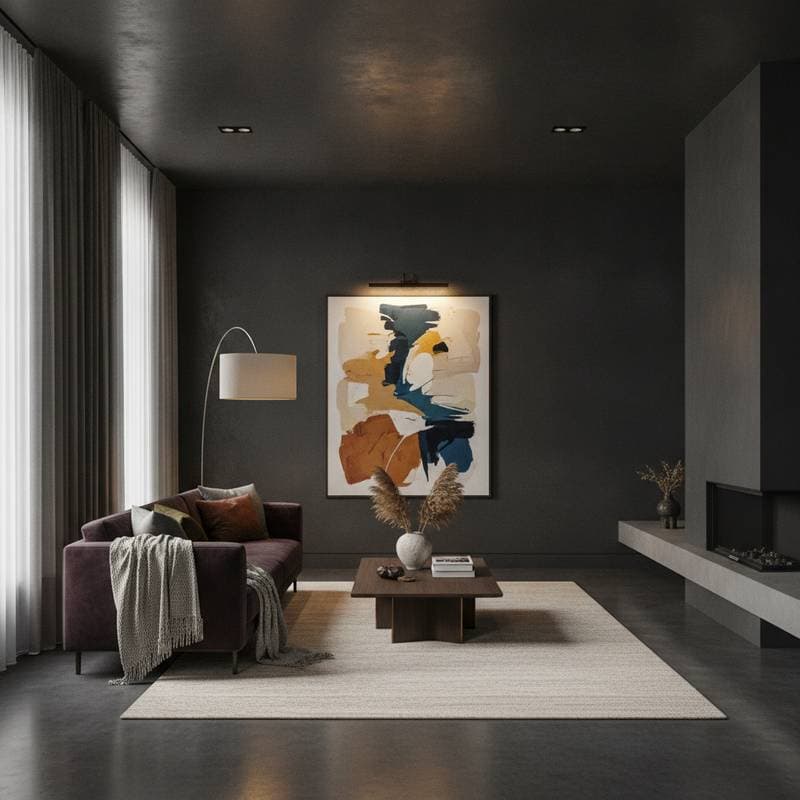
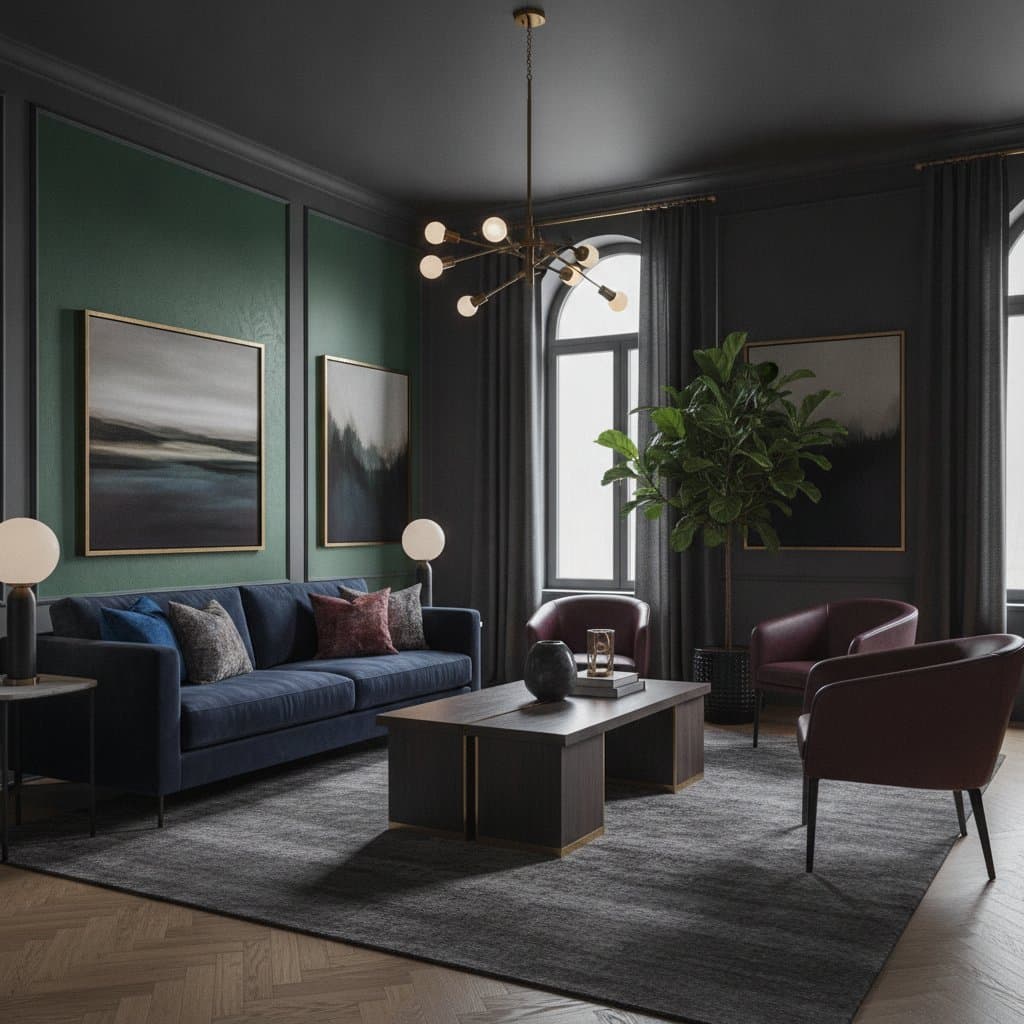
Color drenching creates a unified, immersive look by painting walls, trim, doors, and sometimes ceilings in one color or closely related shades. This approach suits Los Angeles bedrooms with uneven architectural details or small powder rooms, though it may feel heavy in spaces that already lack natural light.
The technique costs between $800 and $2,500 for a typical bedroom when completed by a professional painter. Homeowners who handle the work themselves can expect to spend $300 to $900 on materials and tools. These figures include paint, labor, and basic preparation, though actual prices vary based on room size, surface condition, and finish choices.
Project Overview
| Item | Typical Range |
|---|---|
| Cost | $300 to $900 for DIY, or $800 to $2,500 with a painter |
| Timeline | 1 to 3 days for painting, plus scheduling time |
| Lifespan | 5 to 10 years before repainting, depending on wear |
| Best Conditions | Good ventilation and moderate indoor humidity |
| DIY Suitability | Yes, when surfaces are sound and prep is manageable |
Safety and Preparation Requirements
Proper preparation protects both the painter and the final result. Open windows and doors to create airflow before beginning work. Wear gloves, eye protection, and a respirator rated for paint particles during sanding and application.
Inspect walls for peeling paint, moisture stains, or signs of previous water damage. Homes built before 1978 may contain lead paint. Never sand suspected lead surfaces. Contact a certified lead-safe contractor for testing and removal if lead is present.
Cost Breakdown
Several factors determine the final price of a color drenching project.
Materials represent the most predictable expense. Interior paint costs $40 to $90 per gallon. Most bedrooms require 2 to 4 gallons, depending on square footage, color change intensity, and wall texture. Higher quality paints offer better coverage and durability, which reduces the need for additional coats.
Labor rates typically range from $2 to $6 per square foot of paintable surface. Complex trim work, high ceilings, or extensive repairs increase these rates. Painters may charge separately for moving furniture, protecting floors, and removing hardware.
Preparation work often adds $100 to $500 to the total cost. This includes patching holes, sanding rough spots, caulking gaps, and removing loose paint. Some contractors include cleanup and paint disposal in their base price, while others charge extra for these services.
Additional surfaces expand both cost and visual impact. Painting the ceiling adds $150 to $400. Including closet interiors or built-in cabinets can add another $200 to $800, depending on the cabinet size and finish requirements.
Older homes often present unexpected challenges. Budget an additional 10 to 15 percent for surprises such as cracked plaster, water stains, or uneven surfaces. Address moisture problems before painting, as fresh paint will not resolve underlying issues.
Finish Options and Color Selection
Three approaches balance cost with visual effect.
The basic option applies one durable eggshell or satin finish to walls and trim. This maintains color consistency while keeping material costs lower.
The midrange approach includes ceilings and doors for a more complete monochromatic effect. Use washable finishes on surfaces that receive frequent contact.
The premium option applies different sheens within the same color family. Matte walls paired with satin trim create subtle contrast that highlights architectural details, though this increases both material and labor expenses.
Test colors thoroughly before committing to the full room. Apply at least two large samples on different walls. Observe these samples in morning light, afternoon light, and evening artificial light. Deep colors tend to show dust and scuffs more readily, while very flat finishes resist cleaning. A washable matte or eggshell finish often provides the best compromise for bedrooms.
DIY Considerations
Homeowners can complete color drenching projects themselves when rooms are small, surfaces are in good condition, and time allows for careful preparation. Required tools include rollers with extension poles, angled brushes, drop cloths, painter's tape, spackle, sandpaper, and a stable ladder.
Professional help becomes necessary when ceilings exceed standard height, trim includes intricate details, walls require extensive repair, or lead paint is suspected. Licensed contractors must handle any electrical or structural modifications that accompany the painting project.
Scheduling and Budget Management
Allow 1 to 3 weeks to obtain quotes and schedule work during busy renovation periods. The actual painting typically requires 1 to 3 days, with additional drying time between coats.
Reduce costs by painting one room at a time, preserving existing trim in good condition, and handling furniture removal independently. Check local utility programs for potential material assistance, though decorative paint projects rarely qualify for rebates.
Maintenance Guidelines
Allow paint to cure fully before cleaning. Remove marks with a soft cloth and mild soap solution. Store paint labels and leftover product for future touch-ups. Most painter warranties cover workmanship for a limited period but exclude normal wear, moisture damage, or accidental harm.
Making the Decision
Measure room dimensions, note ceiling height, and list every surface planned for painting. Obtain at least two detailed quotes when hiring professionals, ensuring each proposal covers the same scope and finish specifications. Complete surface preparation thoroughly, as this step determines the longevity and appearance of the finished project.