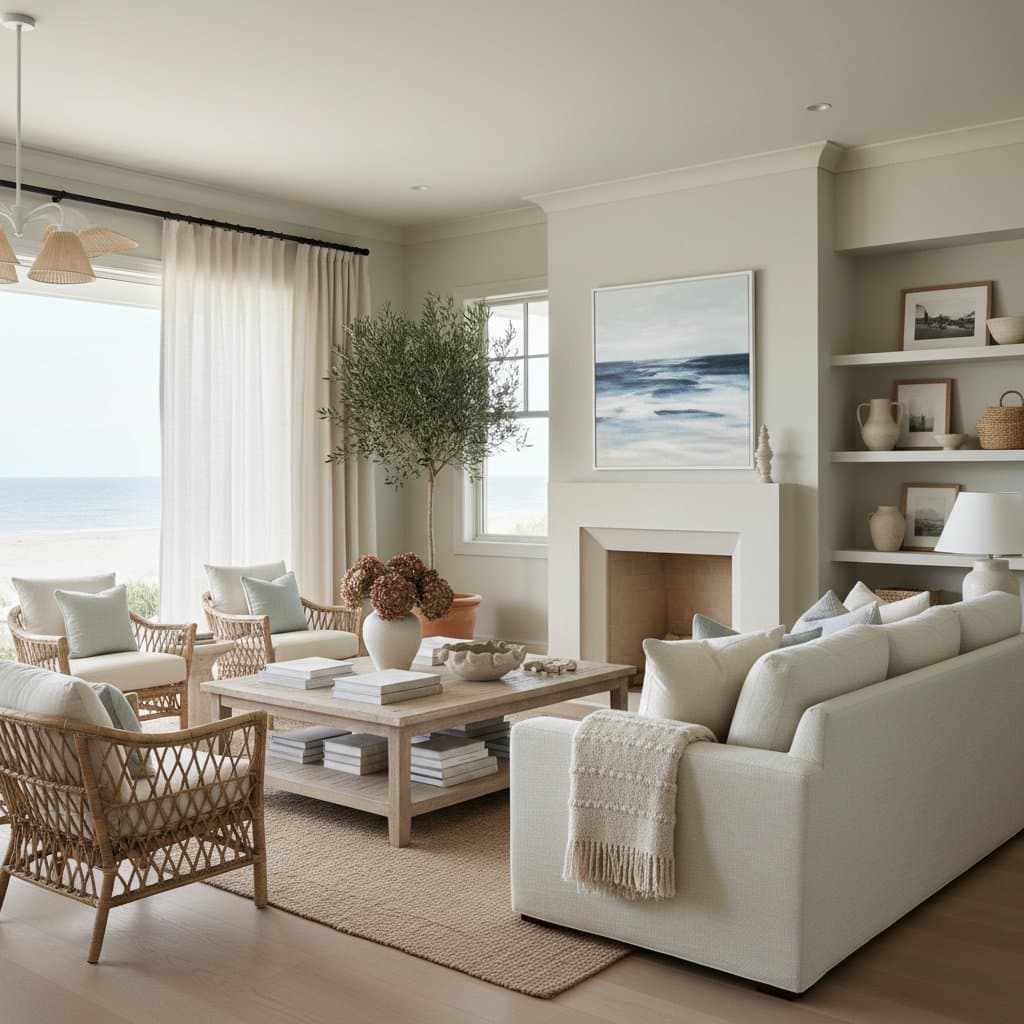
Coastal Grandmother Aesthetic Fuels 2026 Design Sales
Key takeaway: A full room coastal grandmother makeover ranges from $8,000 to $40,000 based on size, finishes, and custom details.
The coastal grandmother aesthetic leads current interior design demand. It merges comfort with understated refinement and appeals strongly in coastal and suburban markets. Clients seek spaces that feel calm and enduring rather than trendy.
Cost Factors
Materials and Finishes
Natural fabrics such as linen, cotton, and wool provide softness at $25 to $60 per yard. White oak flooring or light stained hardwood costs $9 to $14 per square foot installed. Slipcovered furniture offers practical maintenance yet adds 20 to 30 percent to standard upholstery prices.
Labor and Design Fees
Designers charge $75 to $200 per hour for space planning and sourcing. Painting and minor carpentry average $2,000 to $5,000. Custom built in shelving or millwork adds $3,500 to $10,000.
Room Size and Layout
Larger rooms require additional textiles and layered elements. Open areas often need multiple rugs and distinct lighting zones. Budget $100 to $150 per square foot for complete transformations.
Furniture and Decor Access
Texture and tone define the style. Stock pieces arrive in weeks while custom upholstery requires 8 to 12 weeks.
Permits and Disposal
Most interior updates avoid permits. Disposal of old furniture and flooring costs $250 to $750.
DIY vs Professional Help
Homeowners can safely handle painting, furniture arrangement, and textile swaps such as curtains or pillow covers. Electrical updates, built in construction, and flooring installation require licensed professionals to meet code and ensure safety. When projects exceed basic tools or involve structural changes, professional support prevents costly errors.
Maintenance and Warranties
Wash slipcovers in cold water every few months and spot clean linen with mild detergent. Rotate cushions regularly. Apply felt pads under furniture legs and refinish wood floors every 7 to 10 years. Seal stone surfaces annually. Touch up paint every 4 to 5 years. Furniture and flooring warranties span 1 to 10 years when installation records are retained.
Core Design Elements
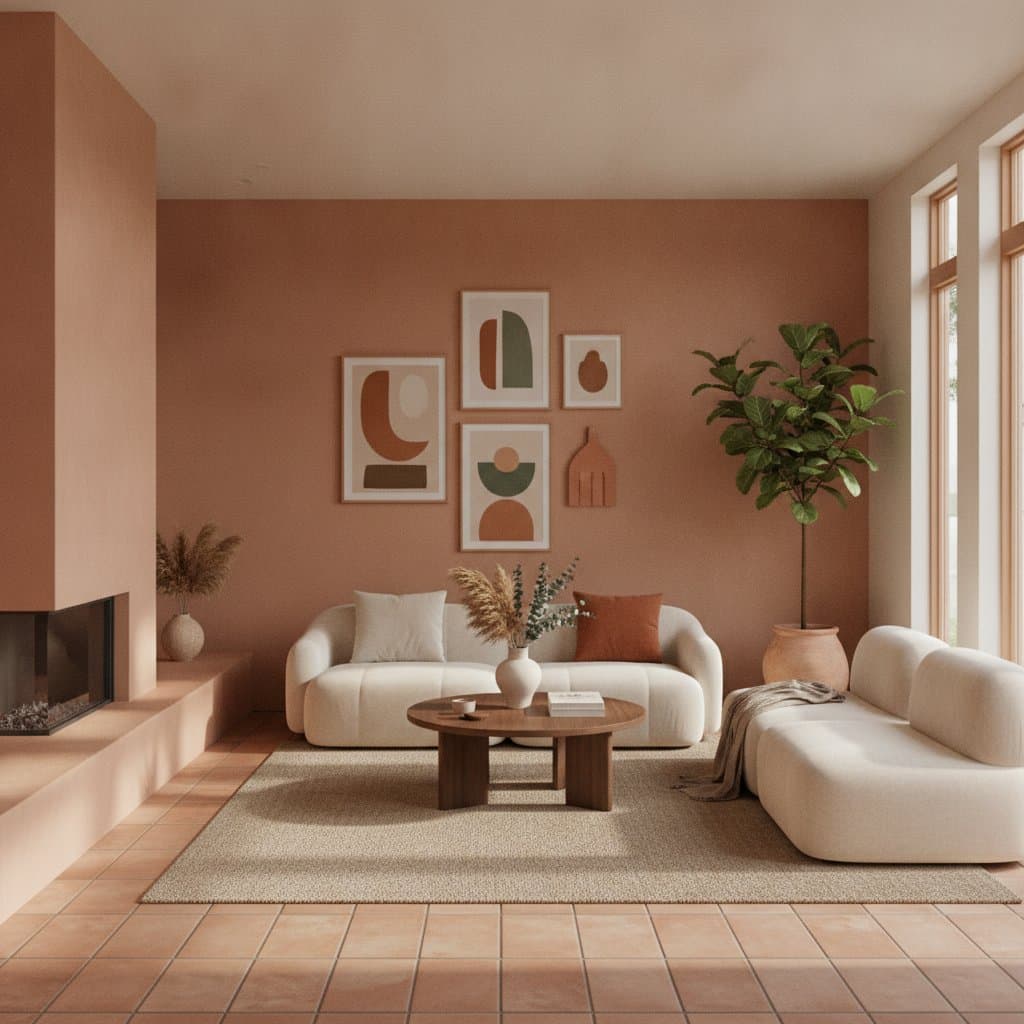
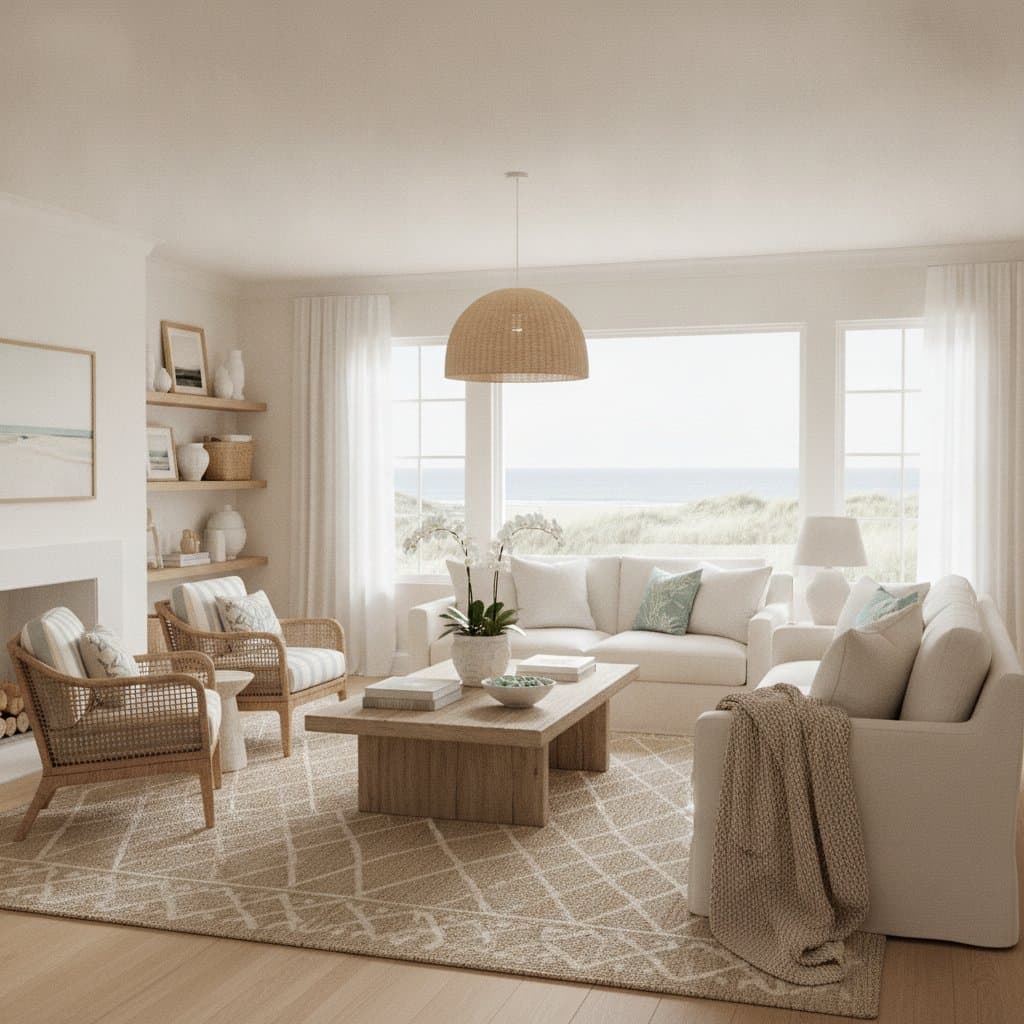
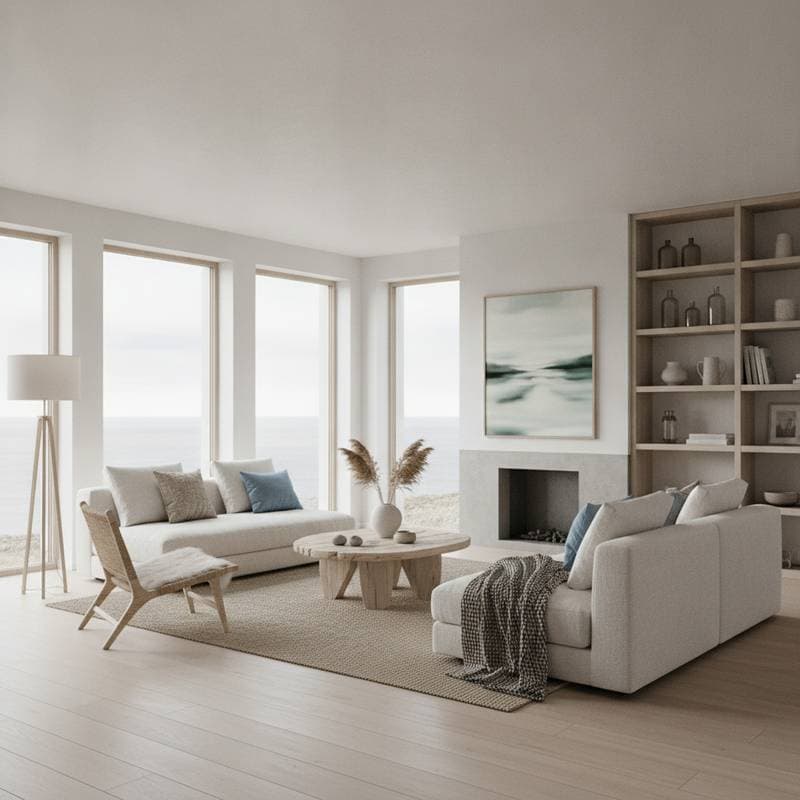
Select soft whites, muted blues, and beige tones. Layer linen, cotton, jute, ceramic, wicker, and unfinished wood. Combine table lamps, sconces, and diffused overhead fixtures for even illumination. Choose rounded furniture forms and plush cushions. Display curated personal items such as books, shells, and framed photographs.
Market Trends and Value
Retailers note rising orders for slipcovered seating, wicker details, and light oak pieces. The style suits both primary residences and vacation rentals because neutral finishes photograph well and attract buyers. Low maintenance materials and durability reduce future update costs despite higher initial investment.
Safety Considerations
Test older homes for lead paint before sanding. Disconnect power before fixture changes. Engage licensed electricians for new outlets. Anchor heavy mirrors and art securely. Verify local codes when adding built ins near vents or windows.
Planning Your Project
Define a budget that distinguishes between refresh and full renovation. Gather reference images focused on tone and texture. Order furniture and flooring first due to longer lead times. Engage specialists for electrical, flooring, and millwork tasks. Incorporate personal items to maintain authenticity. Material availability may fluctuate, so remain open to close alternatives. The resulting space delivers lasting comfort and steady appeal.