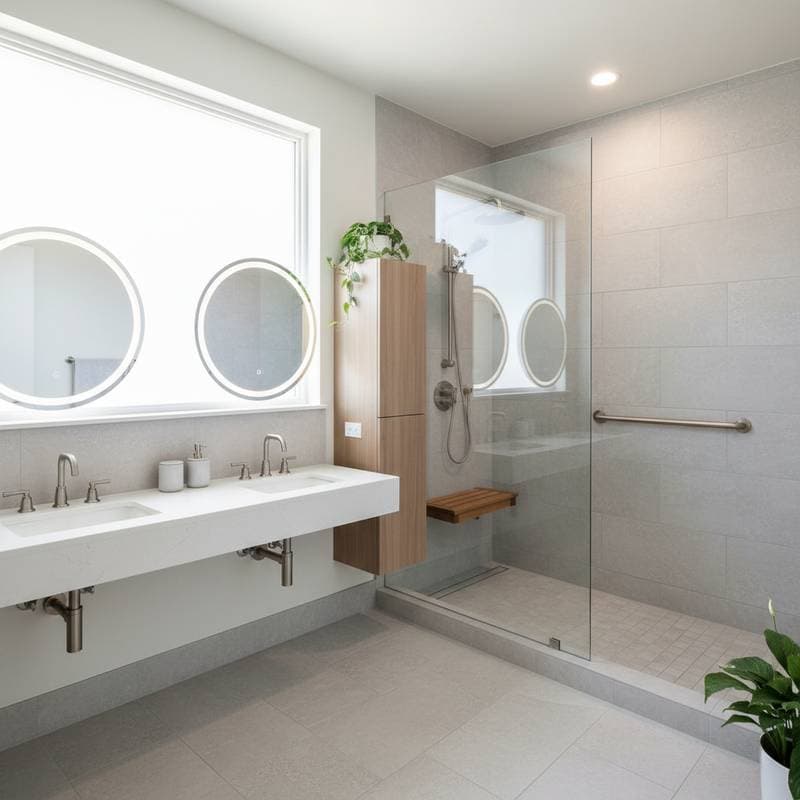
Boost Home Value by 11 Percent with Aging-in-Place Bathrooms
Aging-in-place bathrooms enhance both resale value and daily comfort. These designs prioritize safety for routine tasks without adopting an institutional appearance. Homeowners who intend to remain in their residence for an extended period or prepare for future sale benefit from such modifications. A thoughtfully executed accessible bathroom typically increases property value by approximately 11 percent, influenced by factors including layout efficiency, material quality, and regional market preferences.
Such renovations prove valuable for households supporting aging members, individuals with mobility limitations, or prospective buyers desiring adaptable spaces. They also suit multigenerational living arrangements where safety and usability serve all occupants.
Pros and Cons
Pros
- Enhances marketability of older properties
- Promotes safety and autonomy across age groups
- Minimizes risks of slips and falls
- Simplifies cleaning and upkeep routines
- May qualify for tax credits or medical expense deductions
Cons
- Involves higher initial investment compared to conventional bathroom updates
- Certain elements might limit storage or countertop areas
- Custom fixtures often entail extended delivery periods
- Structural or plumbing alterations may necessitate permits
DIY Versus Professional Installation
DIY Difficulty: High
Typical Duration: One to three weeks
Essential Tools: Tile cutter, spirit level, power drill, waterproofing membrane kit, basic plumbing equipment
Primary Risks: Potential for water leaks, irregular flooring, inadequate drainage slopes, electrical dangers
Basic modifications, such as adding grab bars or lever-style handles, suit experienced do-it-yourself enthusiasts. Comprehensive transformations involving curbless showers, walk-in tubs, or rerouted plumbing demand certified professionals. Errors in drainage slope or sealing can lead to water intrusion and mold growth. Outlets positioned near moisture sources must incorporate ground-fault circuit interrupter protection and adhere to electrical codes.
Engage a licensed contractor for tasks including:
- Relocating drainpipes or water supply lines
- Modifying load-bearing walls or subfloor supports
- Incorporating new lighting or electrical receptacles
- Fitting oversized glass enclosures
Experts manage permitting processes, conduct necessary inspections, and ensure measurements align with accessibility standards like those from the Americans with Disabilities Act.
Maintenance and Durability
Properly maintained accessible bathrooms endure as long as traditional designs.
Routine Maintenance
- Wipe down non-slip surfaces weekly to avoid residue accumulation
- Examine grab bar anchors biannually for security
- Survey sealant joints and tile grout for damage
- Rinse seals on walk-in tubs following every usage
Projected Lifespans
- Curbless shower bases: 25 years
- Non-slip floor coverings: 15 to 20 years
- Walk-in tubs: 20 years
- Stainless steel or aluminum grab bars and handrails: Indefinite with care
Numerous producers provide warranties for installed components and adaptive devices. Retain installation receipts to support warranty claims and bolster property documentation during sales.
Alternatives to Full Aging-in-Place Remodels
Conventional Bathroom Refresh
Offers reduced initial expense yet lacks built-in accessibility. This option may attract fewer buyers focused on aging needs.
Powder Room Expansion
Provides added convenience with partial accessibility. It supports resale in homes with multiple levels.
Ground-Floor Laundry Room Adaptation
Enhances overall habitability, though it yields a lower return compared to a dedicated accessible bathroom.
Stairlift or Residential Elevator Installation
Facilitates vertical movement in multi-story dwellings but carries substantial costs. Homeowners often implement these following primary bathroom enhancements.
Regional Influences on Design and Cost
Local workforce availability, environmental conditions, and regulatory standards shape project expenses and feature selections.
Environmental Adaptations
- Select vapor-permeable backing boards and antifungal grout in high-humidity areas.
- Incorporate underfloor heating in cooler climates to counteract moisture-related slips.
Regulatory Requirements
- Numerous municipalities mandate wall reinforcements for grab bar support in fresh builds.
- Ground-fault circuit interrupters remain essential adjacent to water fixtures.
- Permits apply to modifications involving plumbing or wiring shifts in select jurisdictions.
Labor Cost Variations
- Urban and coastal regions typically impose 20 to 40 percent higher hourly rates.
- Remote areas might feature limited options for specialized accessibility experts.
Consult municipal building authorities prior to commencing any project.
Return on Investment and Market Impact
An expertly crafted aging-in-place bathroom elevates home value by as much as 11 percent. Prospective purchasers favor properties equipped for universal design principles. This advantage intensifies in regions with substantial senior demographics or scarce inventory of adaptable homes.
Key ROI Determinants
- Excellence in materials and manufacturer prestige
- Aesthetic compatibility for diverse buyer profiles
- Seamless incorporation into existing home architecture
- Adherence to inclusive design guidelines
Properties featuring accessible main bathrooms frequently close sales more rapidly. They draw individuals seeking adaptability without the burden of post-purchase alterations.
Essential Safety Enhancements
Bathrooms rank as the leading location for in-home accidents involving falls. Targeted improvements substantially lower these hazards.
Core Safety Strategies
- Employ surfaces with tactile texture suitable for damp environments
- Secure grab bars directly to wall framing
- Provide ample, shadow-minimizing illumination
- Opt for lever faucets over twist knobs for superior grasp
- Allocate a minimum 60-inch diameter for maneuverability
Critical Precautions
- Prohibit ungrounded outlets in zones prone to water spray
- Eliminate loose floor coverings lacking secure undersides
- Discard suction-cup grab bars unsuitable for load-bearing
- Verify thermostatic controls to avert hot water burns
For projects involving fuel lines or wiring, retain qualified specialists and arrange pre-enclosure evaluations.
Frequently Asked Questions
What Defines an Aging-in-Place Bathroom?
This refers to a space engineered for secure and convenient use throughout life stages. Elements include support rails, threshold-free entries, and intuitive controls. The intent supports prolonged resident autonomy.
What Minimum Dimensions Support Accessibility?
Aim for a 60-inch turning radius. Entry doors require at least 32 inches of clearance. These specifications accommodate mobility aids like wheelchairs or walkers.
Can These Features Maintain a Contemporary Aesthetic?
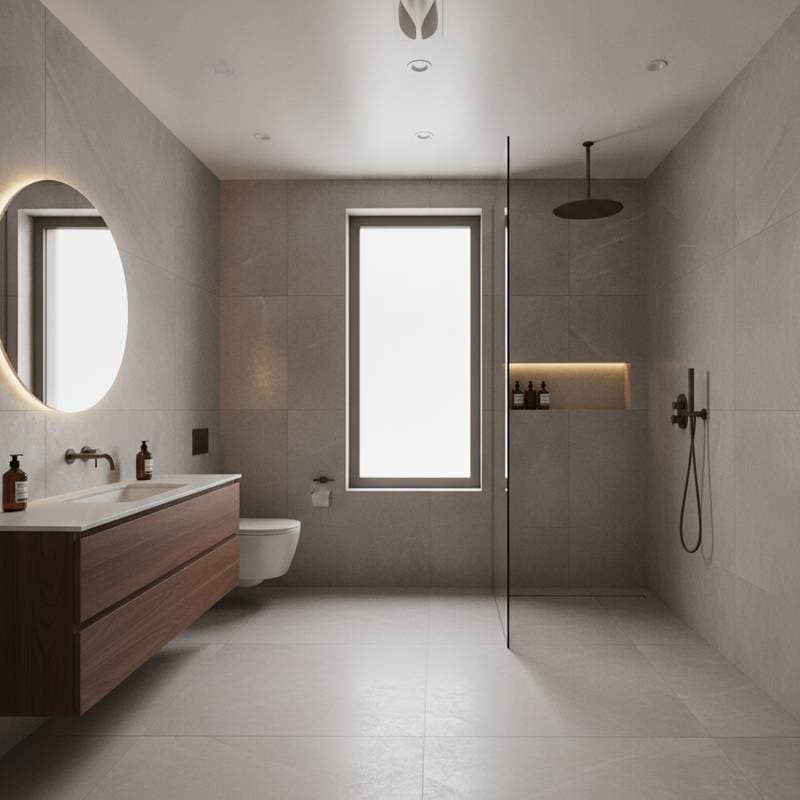
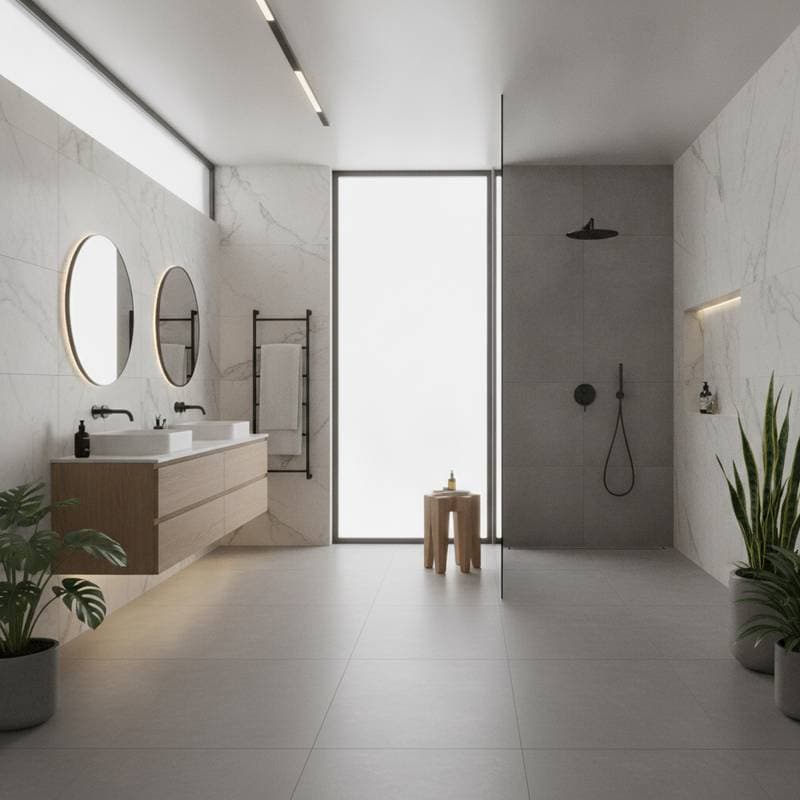
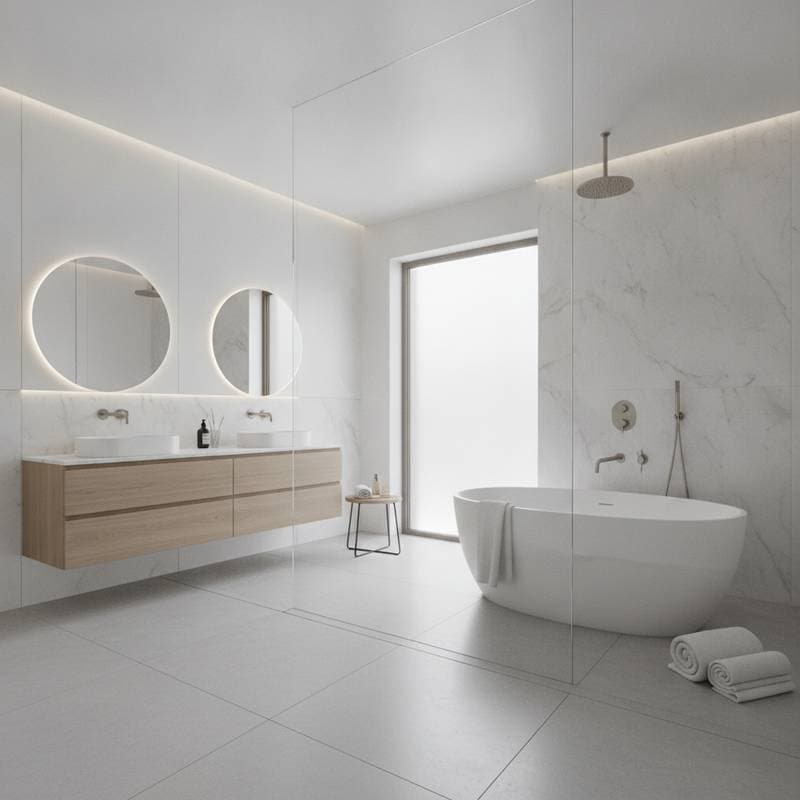
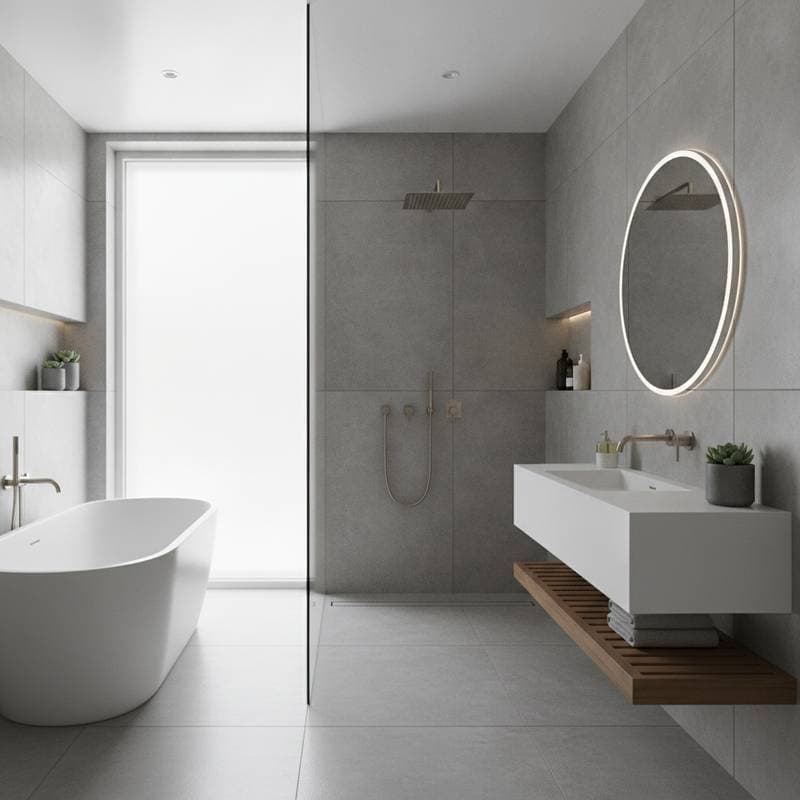
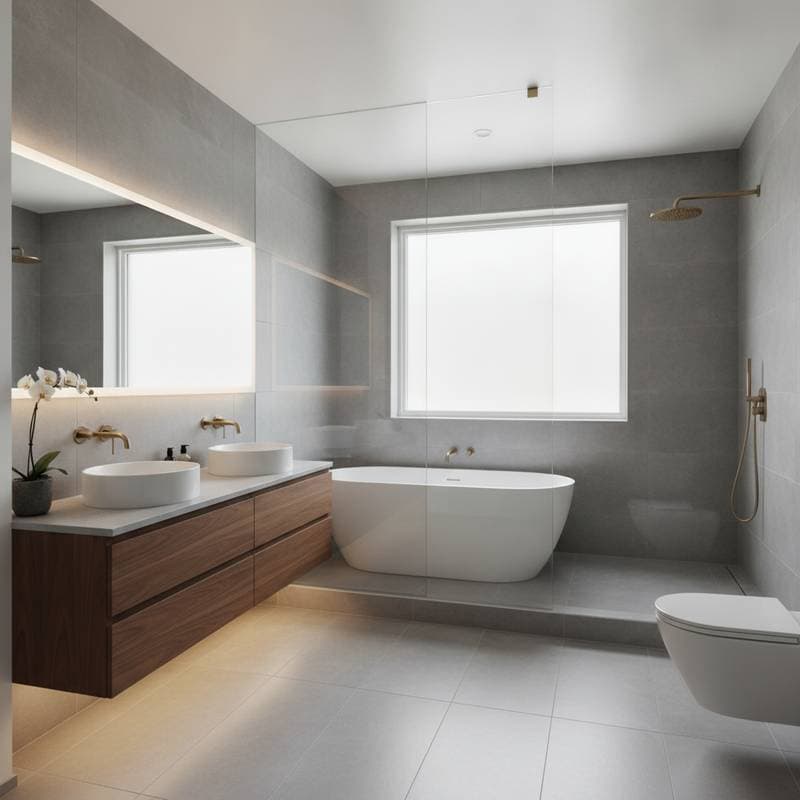
Affirmative. Current offerings integrate sleek profiles with functional safeguards. Options like seamless shower thresholds, floating vanities, and low-profile rails deliver modern subtlety.
Do Health Plans Cover Associated Expenses?
Qualifying modifications based on medical requirements might receive reimbursements or deductions. Confirm eligibility through insurers and document installations by certified providers.
Which Modifications Yield the Greatest Benefits?
Prioritize zero-barrier showers, elevated toilets, and traction-enhanced floors for optimal safety and value. Prepping walls for potential rail additions during routine updates represents prudent foresight.
Steps to Implement Your Project
Establish precise objectives, whether prioritizing security, financial return, or ease. Measure existing spaces and note obstacles like tight doorways or elevated sills.
Solicit bids from at least three contractors versed in inclusive principles. Verify credentials, review past projects, and ensure familiarity with regional standards. Inquire about approaches to moisture barriers, gradient calculations, and hardware positioning.
Balance utility with visual harmony. Incorporate color contrasts for visual cues and non-reflective surfaces to ease eye strain. Select hardware that accommodates varied physical capabilities.
Post-completion, archive details on products, guarantees, and approvals. These records enhance asset worth and streamline subsequent modifications.
An accessible bathroom transcends mere precaution. It represents a commitment to sustained well-being, usability, and competitive edge in the housing market. Strategic planning and expert execution ensure your property adapts to evolving needs while appreciating in worth.