Increase Home Value by 15 Percent Through Aging-in-Place Bathrooms
A thoughtfully designed aging-in-place bathroom elevates home value by up to 15 percent. Prospective buyers recognize such spaces as forward-thinking, secure, and visually appealing. Homeowners enjoy enhanced comfort in the present while securing greater resale potential in the future.
This approach ensures the bathroom functions effectively, complies with building codes, and maintains an attractive appearance. The following sections outline practical steps to achieve these outcomes.
Essential Steps for Designing an Accessible Bathroom
1. Prioritize an Open Layout
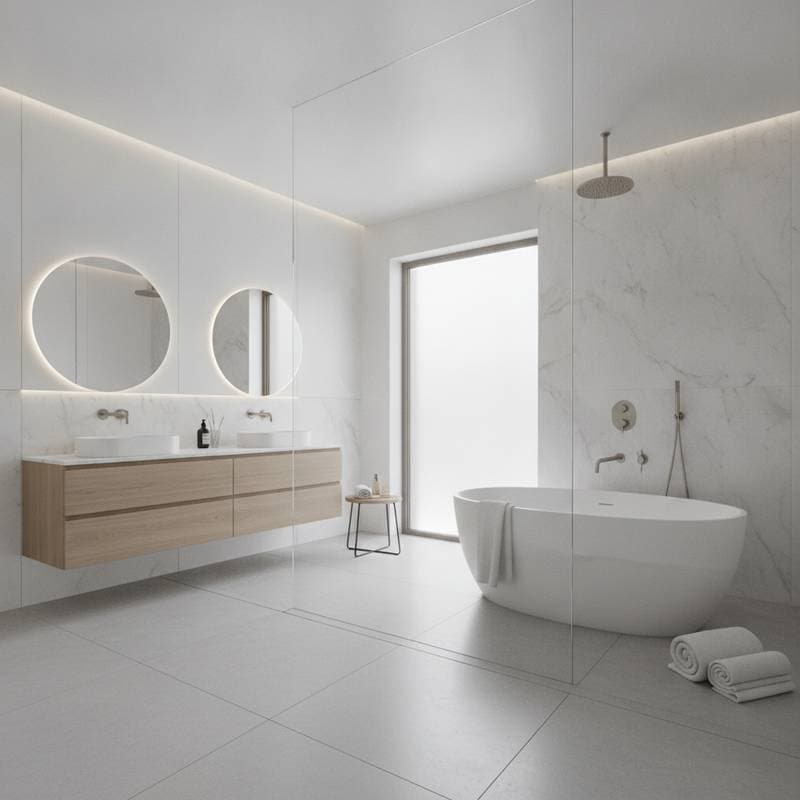
Generous open space facilitates movement and reduces accident risks. Aim for a minimum turning radius of five feet in the primary area. Ensure entry doors measure at least 32 inches wide to accommodate wheelchairs or walkers. Consider pocket doors or barn-style doors to maximize floor space without compromising accessibility.
2. Install a Curbless Shower
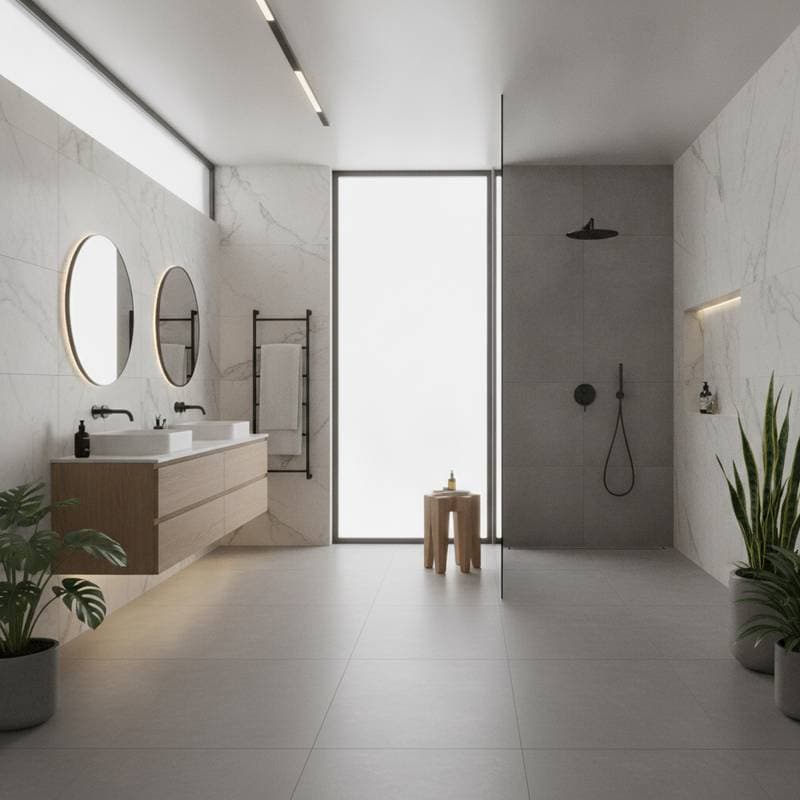
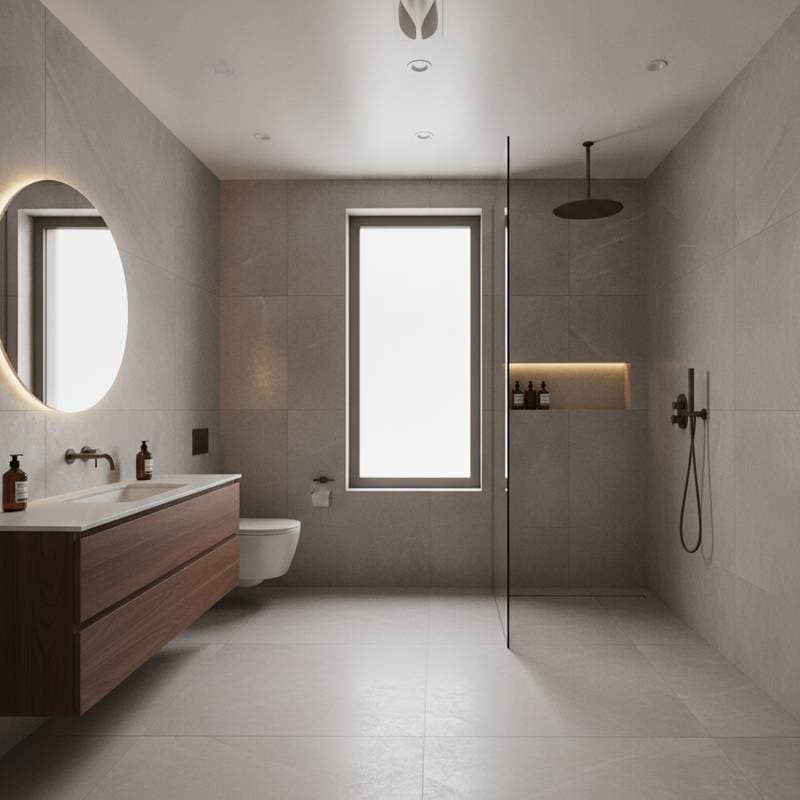
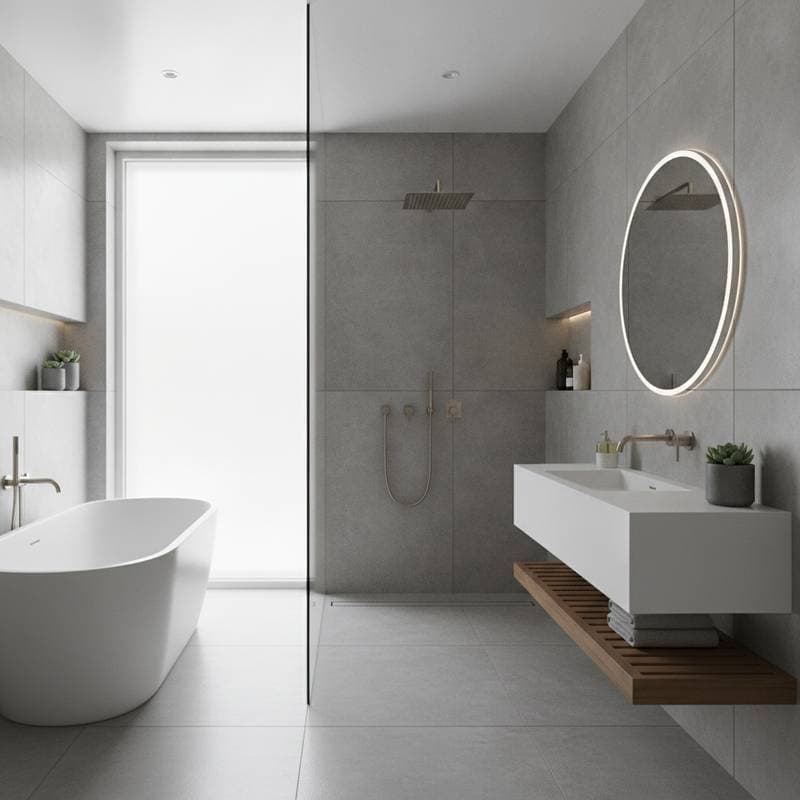
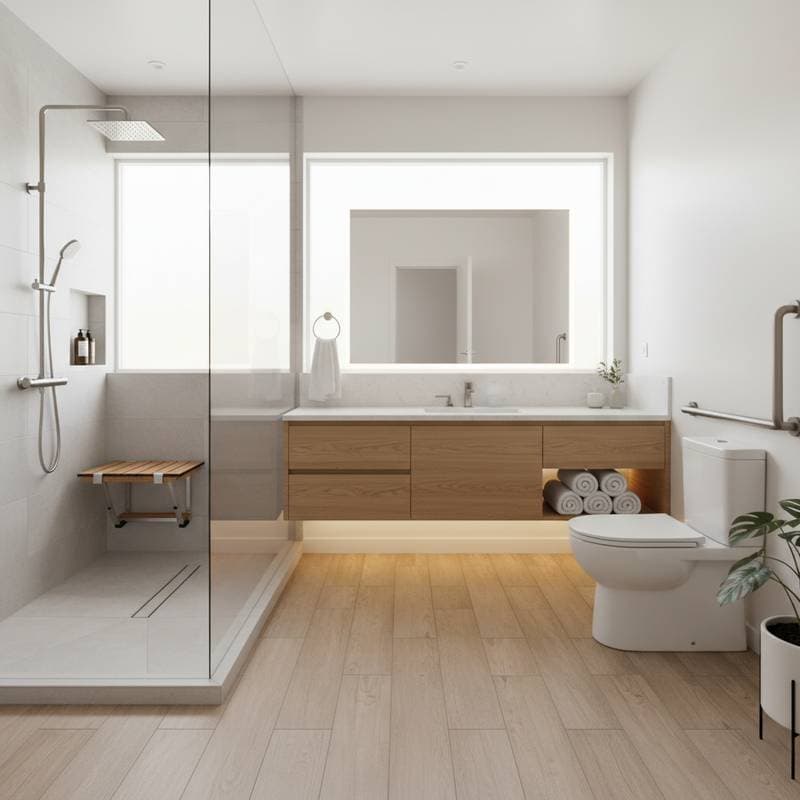
Curbless showers eliminate thresholds that cause trips and falls, while presenting a luxurious, seamless look. Incorporate a linear or trench drain positioned along one wall to manage water flow efficiently. Maintain a subtle floor slope of approximately one-quarter inch per foot to direct drainage without creating barriers.
3. Prepare Walls for Grab Bar Installation
Reinforce wall structures in advance to support future grab bar additions, even if immediate installation proves unnecessary. Position 2x8 lumber blocks between studs at key locations, such as near the toilet and shower. This preparation incurs minimal upfront cost and avoids the need for invasive drywall modifications later.
4. Select Intelligent Fixtures
Opt for lever-style faucets and single-handle controls that require minimal dexterity to operate. Integrate thermostatic mixing valves to regulate water temperature and prevent scalding incidents. Choose handheld showerheads mounted on adjustable slide bars, allowing users to direct water flow precisely where needed.
5. Ensure Uniform Lighting
Illuminate the space with high-lumen LED fixtures that provide soft, diffused light to minimize shadows. Incorporate motion-activated sensors for convenient nighttime illumination. Select surface materials with balanced contrast levels to support clear visibility and reduce glare.
6. Enhance Floor Traction
Choose flooring materials with proven slip resistance, such as textured tiles or vinyl sheets rated for wet environments. Verify that surfaces achieve a wet dynamic coefficient of friction of at least 0.42, as measured by standardized testing. These options maintain durability and ease of cleaning in high-moisture areas.
7. Optimize Heights for Accessibility
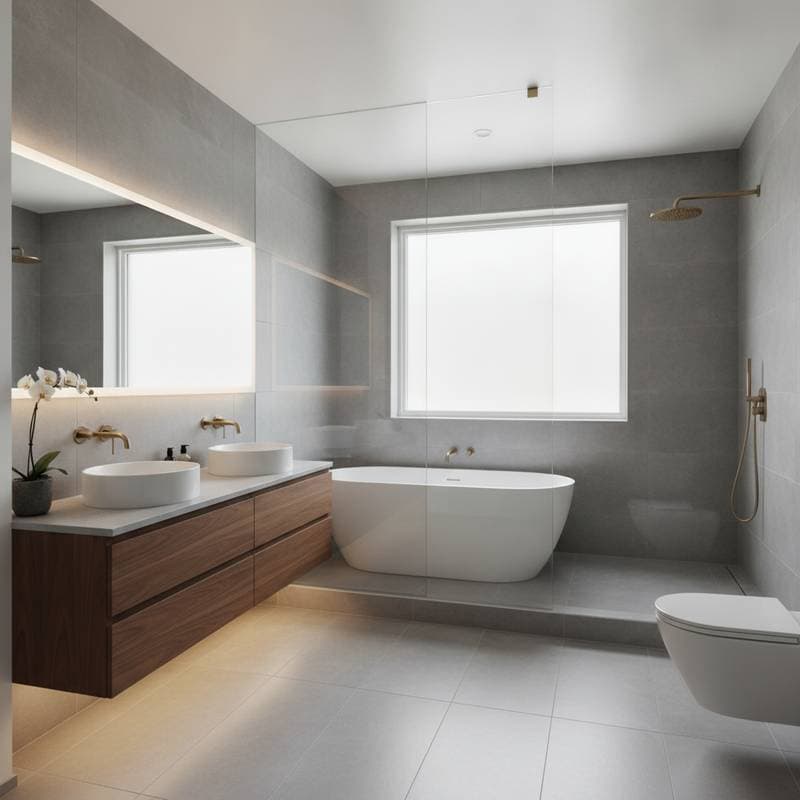
Position vanities, mirrors, and towel bars at heights between 30 and 34 inches from the floor to accommodate both standing and seated users. Select floating vanities that provide ample knee clearance underneath. This adjustment promotes independence without sacrificing design elegance.
Project Timelines
Timelines vary based on the scope of modifications.
- Minor upgrades, including grab bar installations, lighting enhancements, and toilet replacements, typically require one to three days.
- Mid-level remodels, such as curbless shower conversions and flooring updates, span one to two weeks.
- Comprehensive accessible remodels demand three to five weeks, accounting for custom work and installations.
Anticipate potential delays from material procurement, particularly tiles, or local permitting processes. Secure all supplies in advance and verify delivery schedules prior to initiating any demolition.
Required Tools and Materials
Preparation with the right equipment streamlines the process and prevents interruptions.
Essential Tools:
- Level, tape measure, and stud finder for precise measurements and alignments.
- Drill with driver bits and masonry anchors for secure installations.
- Caulk gun equipped with waterproof sealant to ensure moisture barriers.
- Tile cutter or wet saw for accurate flooring modifications.
Key Materials:
- Stainless steel or powder-coated grab bars for durability and style.
- Slip-resistant tiles or sheet vinyl flooring suited for wet zones.
- Shower fixtures featuring anti-scald valves for safety.
- Lumber reinforcements for wall blocking to support future additions.
- LED lighting systems with integrated motion sensors.
- Comfort-height toilets paired with lever-handle faucets.
Stock all items on-site before commencement. Supply shortages represent the primary cause of project delays.
Factors Driving Increased Home Value
Safety features, practical usability, and reduced maintenance demands attract diverse buyers. Aging-in-place bathrooms serve families with young children, individuals recovering from injuries, and multigenerational households equally well. These elements extend appeal beyond older adults.
Contemporary accessible designs demonstrate superior craftsmanship. Features like curbless showers, optimized lighting, and advanced plumbing highlight meticulous attention to quality. Real estate professionals frequently highlight such upgrades as desirable attributes that accelerate sales and command premium prices.
Safety Considerations and Warranty Guidance
Prioritize slip-rated flooring exclusively in moisture-prone zones to mitigate fall risks. Eliminate loose rugs unless equipped with secure, non-slip backing. Confirm that grab bars adhere to ASTM standards for load-bearing capacity, typically 250 pounds.
Install GFCI-protected outlets adjacent to all water fixtures to prevent electrical hazards. Adhere strictly to manufacturer guidelines during installation to preserve warranty validity; certain brands require certified professionals for coverage. These measures safeguard users and preserve the investment's long-term value.
Expert Recommendations for Optimal Results
Integrate aesthetic appeal with practical functionality by selecting finishes that resist water stains while delivering required traction. Employ subtle color contrasts, such as light walls paired with moderately darker floors, to aid visual depth perception.
Layer lighting sources to include overhead, task-oriented vanity illumination, and low-level night options for comprehensive coverage. Incorporate storage solutions like recessed wall shelves that preserve clear pathways, avoiding obstructive cabinetry.
Document all framing, wiring, and plumbing configurations with photographs prior to enclosing walls. This record proves invaluable for subsequent maintenance, repairs, or building inspections, ensuring sustained functionality.
Frequently Asked Questions
What defines universal design in bathrooms?
Universal design creates spaces that accommodate individuals of all ages and abilities. It emphasizes safety, ease of use, and comfort for broad user groups.
Is a permit required for installing a curbless shower?
Permits generally apply due to alterations in plumbing and waterproofing systems. Consult the local building authority to confirm requirements.
Can grab bars be added without a full remodel?
Surface-mounted grab bars can attach directly to existing studs, offering a straightforward safety enhancement with minimal disruption.
Does insurance cover costs for accessibility modifications?
Certain insurance policies or healthcare programs provide reimbursement for medically justified renovations. Verify eligibility with your provider prior to proceeding.
Execute Your Aging-in-Place Bathroom Transformation
Implementing these strategies positions your home for enduring appeal and security. Focus on durable, versatile elements that enhance daily living while appealing to future owners. Consult professionals for personalized assessments to realize the full 15 percent value uplift.