Wet Rooms Add 11% Value to Your Home in 2026
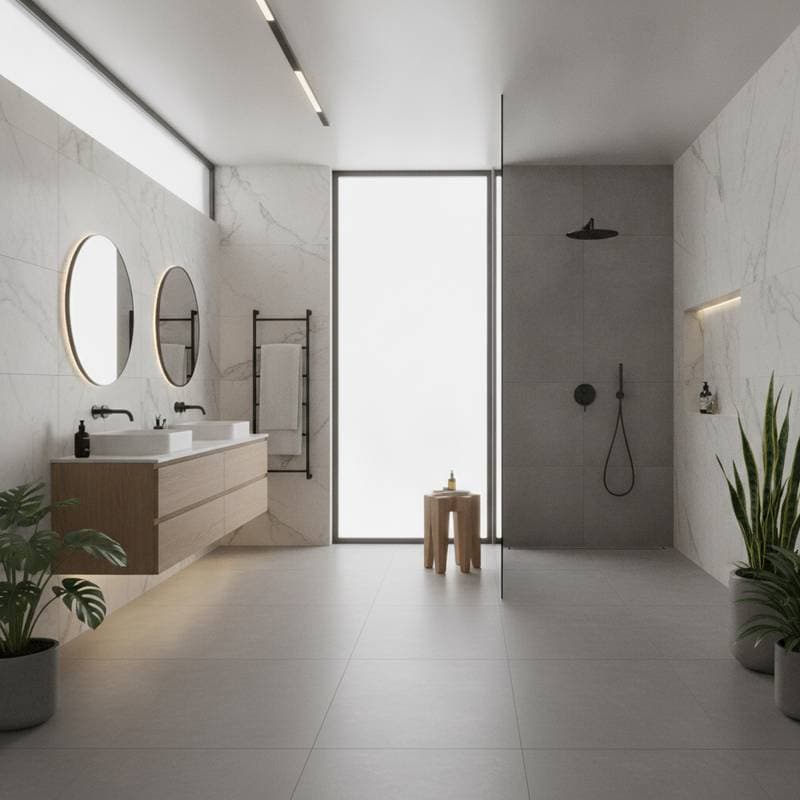
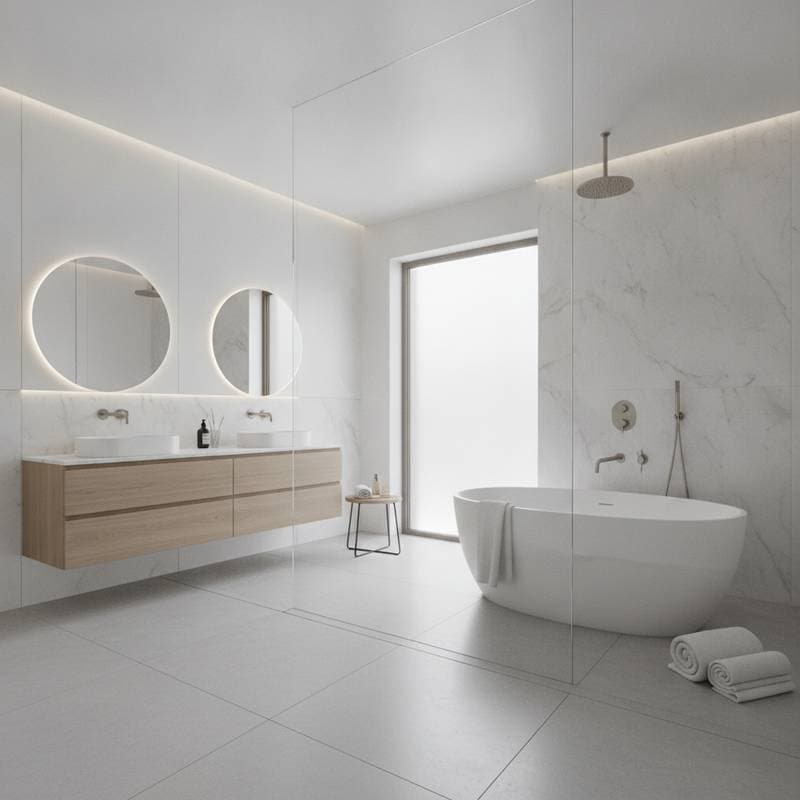
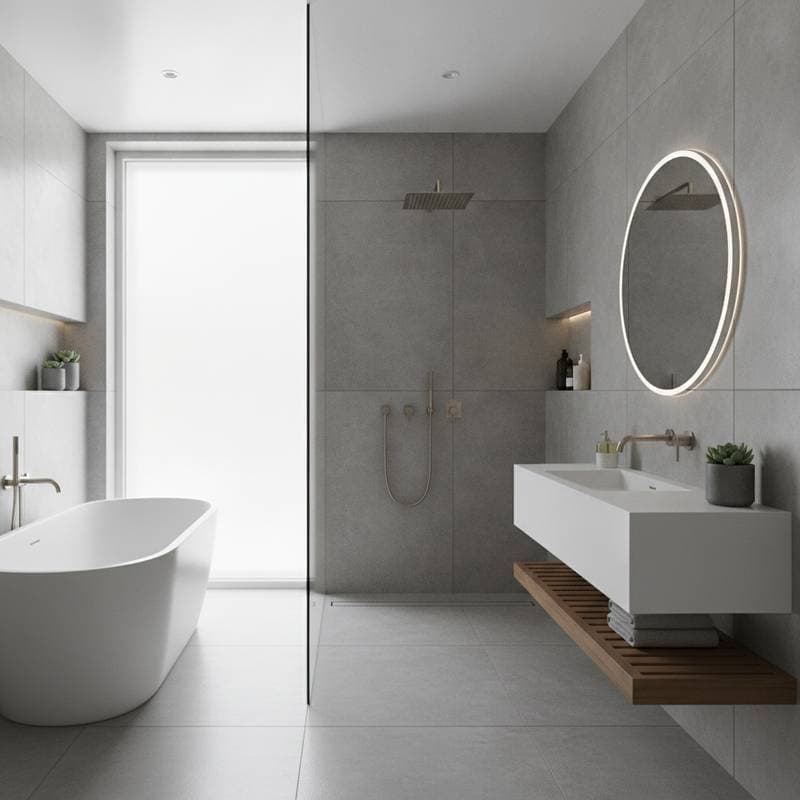
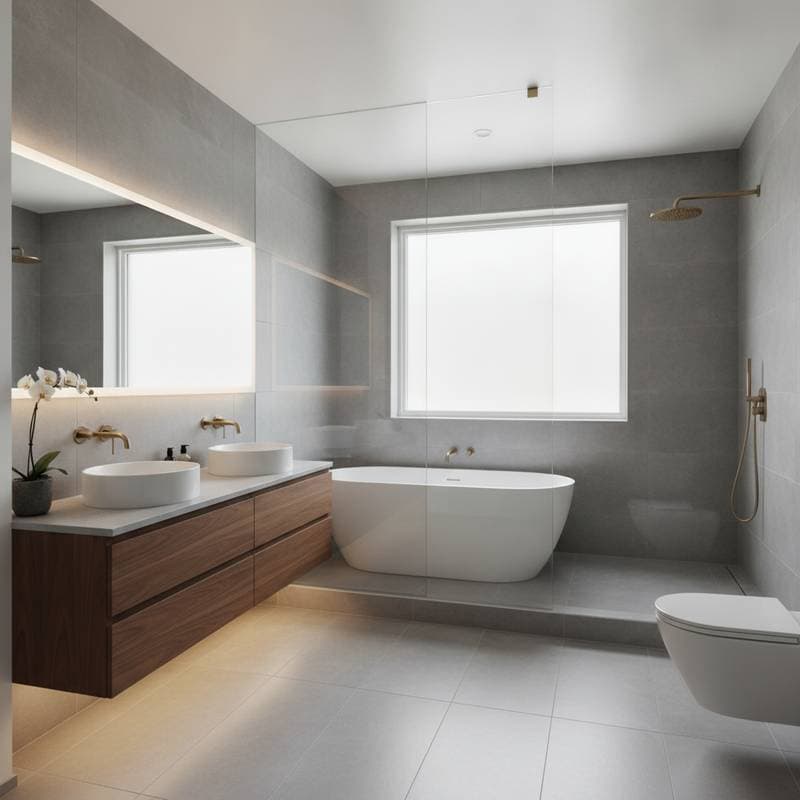
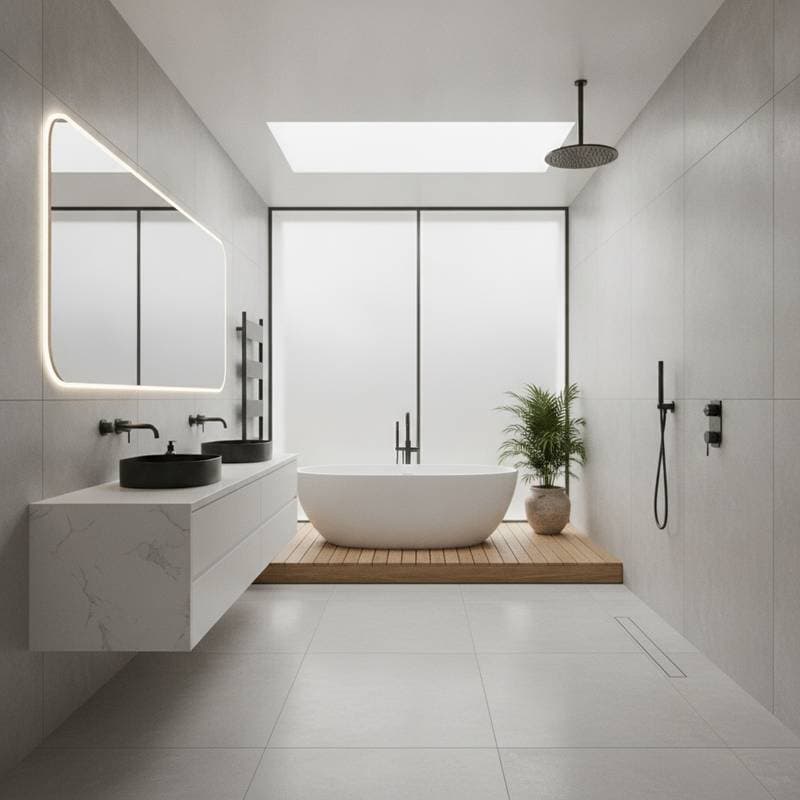
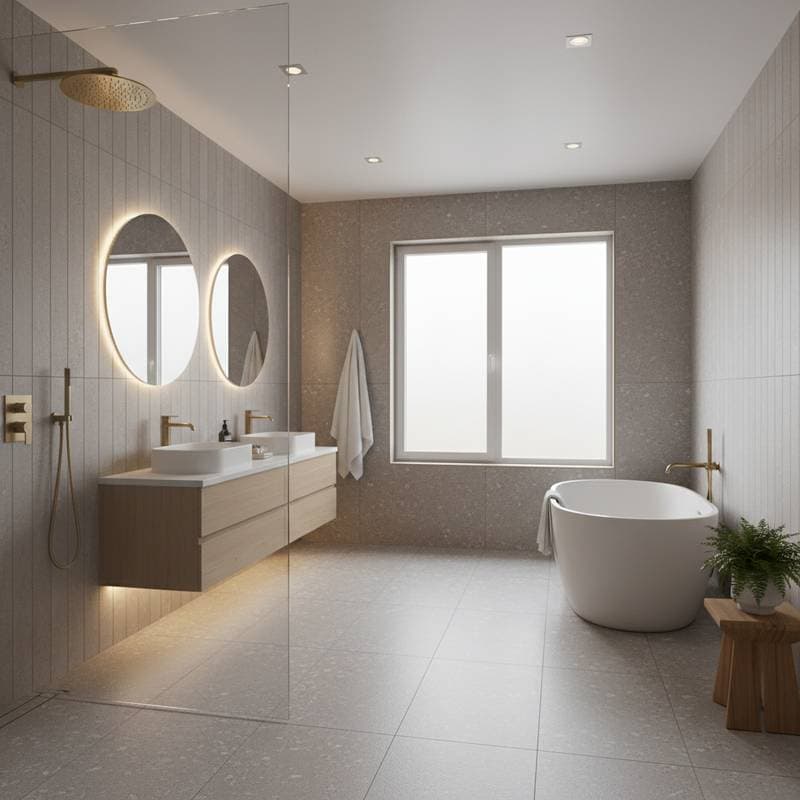
A wet room combines an open shower area with the rest of the bathroom. This layout removes the traditional curb and delivers a sleek appearance that appeals to buyers seeking accessibility and modern style. Properties featuring a professionally installed wet room show an average 11 percent increase in resale value by 2026.
Cost Breakdown
Material and labor expenses vary by home age and layout complexity. Typical ranges include the following items.
- Glass screens or half walls: 1000 to 3000 dollars. These elements contain water while preserving an open appearance.
- Labor: 6000 to 12000 dollars. Second floor locations or plumbing relocation increase the total.
- Permits: 200 to 500 dollars. Local codes require approval for plumbing and structural work.
- Contingency: Add 10 to 15 percent to cover unexpected subfloor repairs.
Older homes frequently require new joists, drain relocation, or mold remediation before waterproofing begins. Properties with bathrooms above living spaces need additional budget for reinforcement.
DIY Tasks and Professional Work
Homeowners can complete several steps without specialized skills.
- Removing old fixtures and wall tile
- Painting moisture resistant walls
- Installing accessories such as grab bars or mirrors
Certain phases require licensed professionals to avoid future problems.
- Waterproofing and slope creation demand precise execution to prevent leaks and mold growth.
- Drain installation must meet code requirements and achieve exact leveling.
- Tile setting benefits from professional tools that produce tight grout lines on large formats.
A licensed plumber and tile installer should handle the waterproof layer and drainage system. Owners who manage demolition and finishing work can reduce total costs by 10 to 20 percent when their schedule permits.
Project Timeline and Cost Controls
Most wet room projects require two to four weeks. Delays often stem from tile delivery, custom glass fabrication, subfloor repairs, or permit processing.
Scheduling work during spring or fall avoids peak summer demand and frequently yields better material pricing. Additional savings come from these choices.
- Select large format tiles to reduce grout lines and labor hours.
- Retain the existing plumbing layout.
- Use a half wall or partial screen instead of a full glass enclosure.
- Request discounted end of run tile lots from suppliers.
Some areas provide rebates for low flow fixtures or water efficient drains. Check local utility programs before final purchases.
Implementation Steps
- Obtain three written quotes from licensed remodelers experienced with wet rooms. Request details on their waterproofing method and warranty coverage.
- Examine the subfloor before design finalization. Early identification of rot or leveling issues prevents later delays.
- Finalize the layout prior to tile selection because drain placement determines all subsequent measurements.
- Base the budget on the midrange specification for optimal resale return and include a 15 percent reserve for unforeseen conditions.
- Schedule construction during moderate weather seasons to minimize material lead times.
Long Term Benefits
A properly constructed wet room provides daily comfort through barrier free access and simplified cleaning. Buyers recognize the modern aesthetic and safety features, while owners enjoy reduced maintenance and stronger resale performance over many years.