Dark Academia Trend Drawing 2026 Home Buyers Now
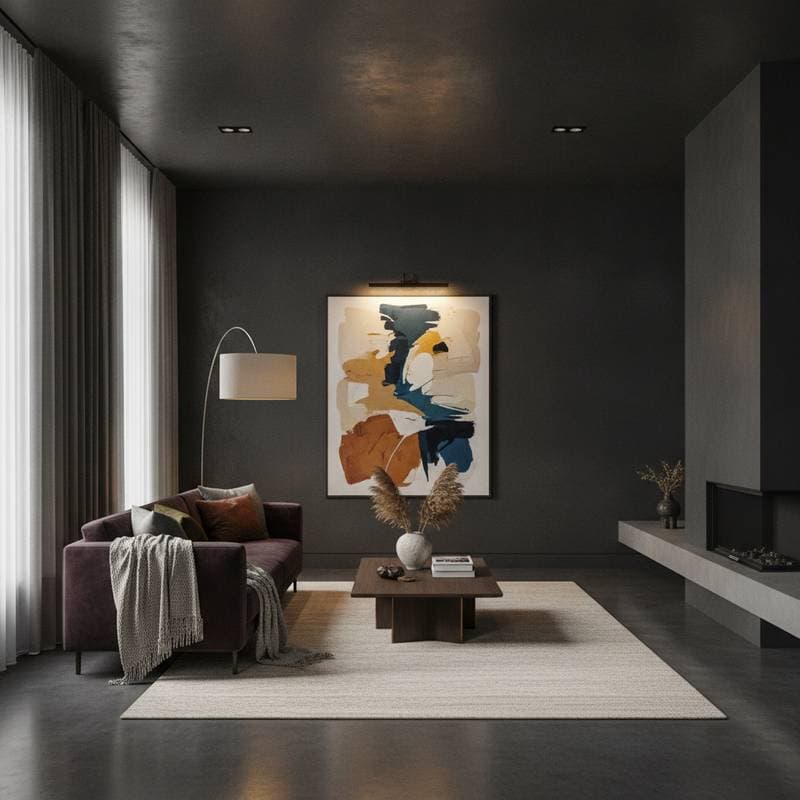
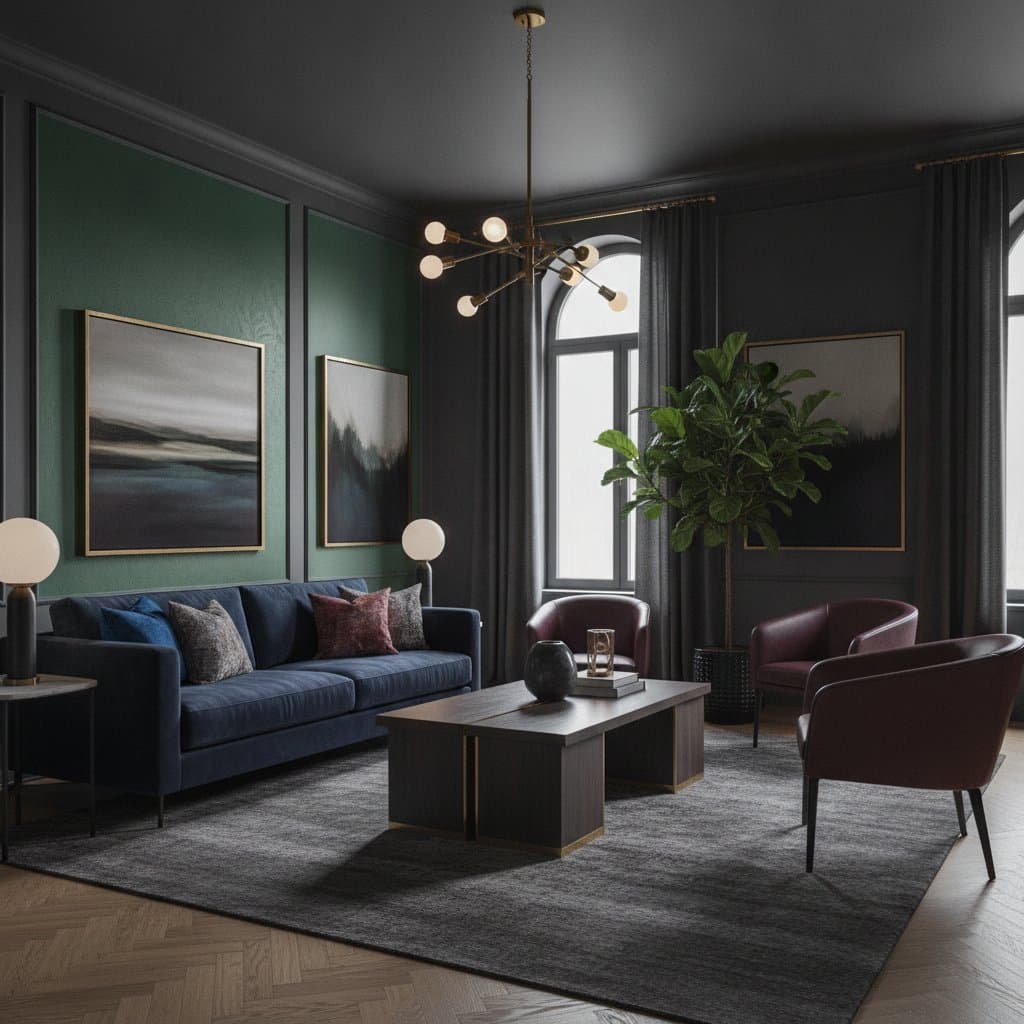
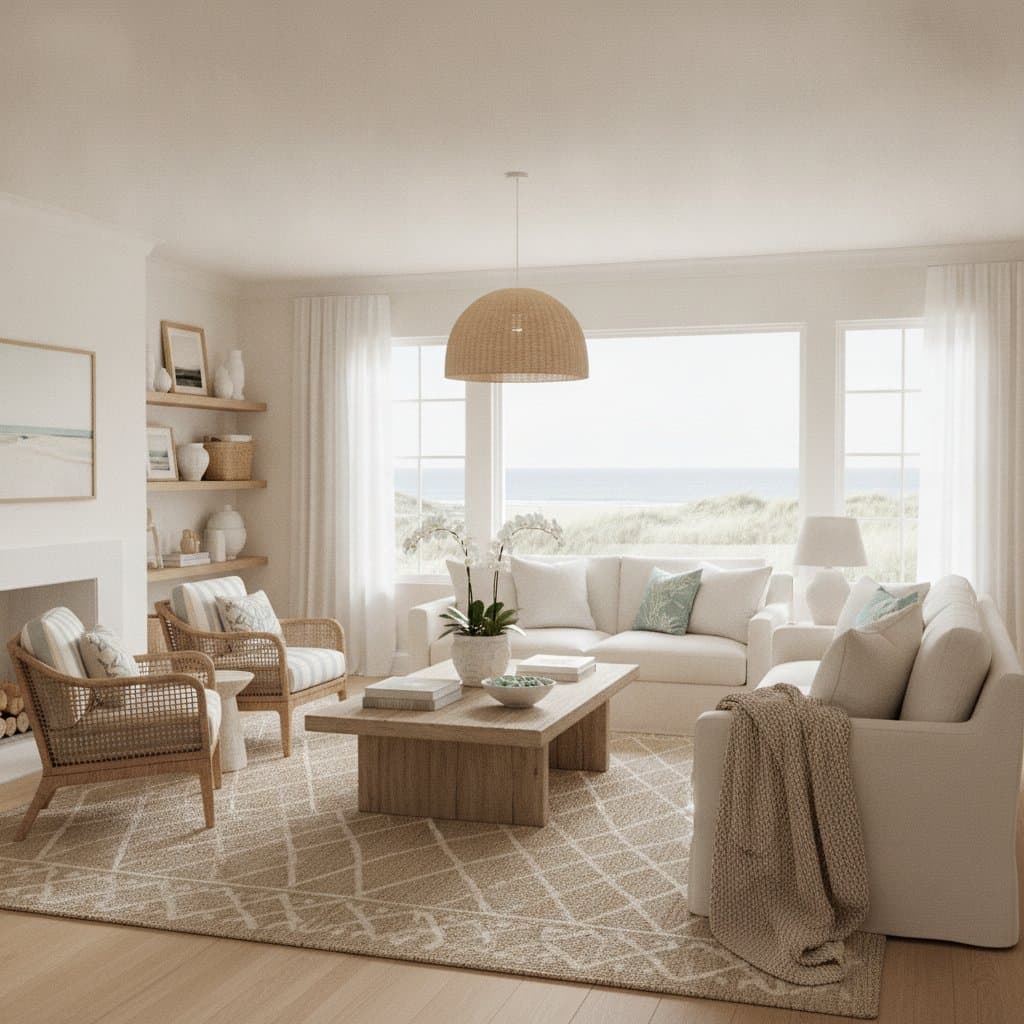
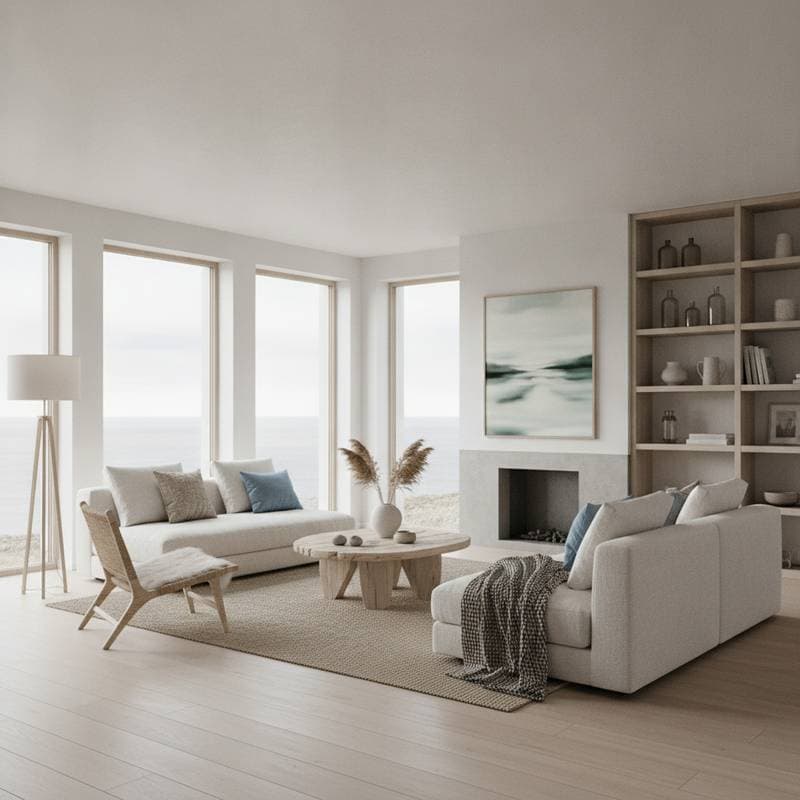
Dark Academia design is back in demand. Home buyers seek depth, texture, and a timeless mood. Wood, leather, stone, and shadow define the approach. After years of light and airy interiors, the pendulum has swung toward rich, intellectual spaces that feel grounded and personal.
What Dark Academia Design Means for Homes
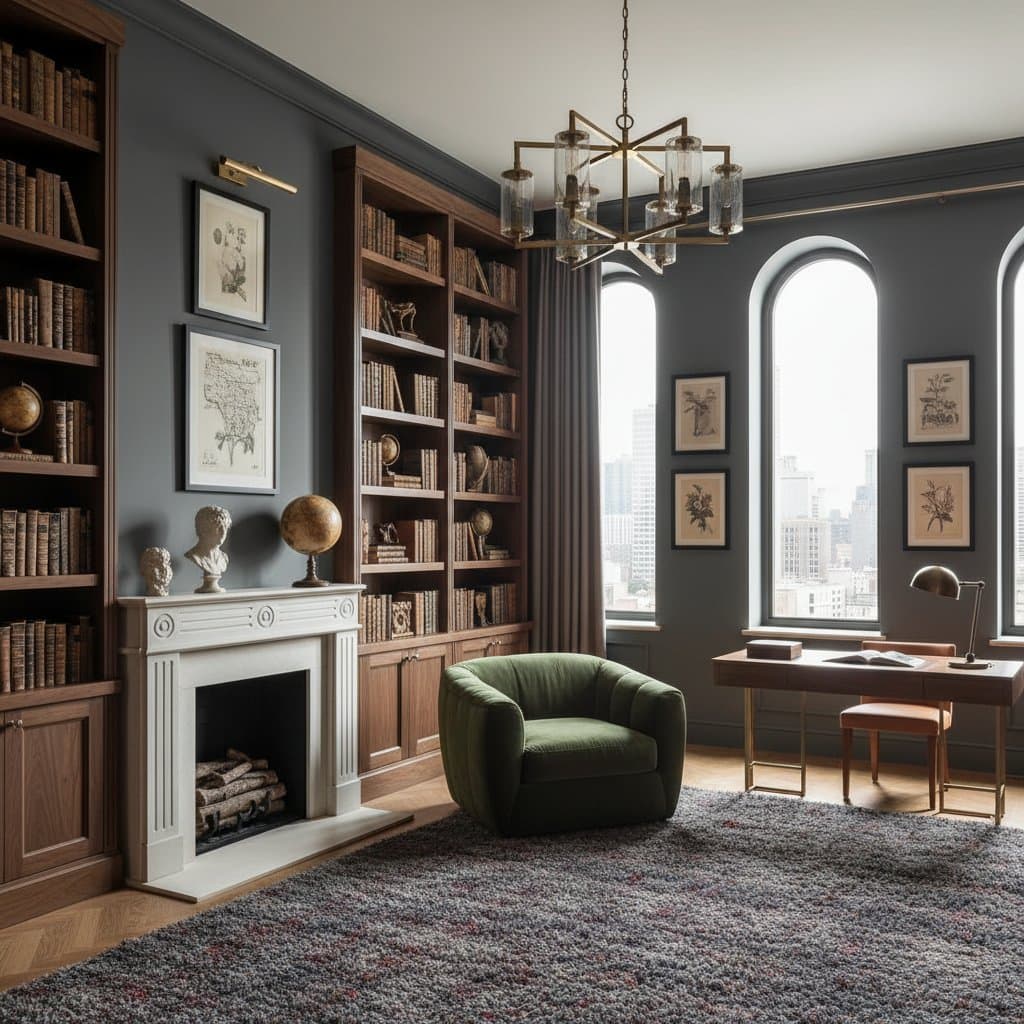
Dark Academia represents more than a color palette. It is a lifestyle aesthetic inspired by classic literature, libraries, and old universities. The style mixes vintage charm with academic order. In home design, that means dark wood, layered lighting, and a mix of old and new furniture that feels collected over time.
Buyers drawn to this style want rooms that tell a story. They value craftsmanship and detail. They prefer walnut over white oak, oil-rubbed bronze over chrome, and deep forest green over pastel hues. The look signals comfort, intelligence, and permanence.
Why Buyers Want It Now
After years of minimal and neutral interiors, many homeowners crave warmth and authenticity. Dark Academia satisfies that need. It feels private, textured, and thoughtful. It also photographs beautifully, giving listings a sense of luxury and mystery that lighter homes sometimes lack.
Buyers working from home also want rooms that feel enclosed and focused. A moody study or library corner helps separate work from leisure. The aesthetic supports that mental shift, which adds real value to daily life.
How to Bring Dark Academia Home
You can add this look without rebuilding your house. Start with materials and colors, then move to lighting and decor.
- Choose a grounded palette. Use deep browns, charcoal, navy, olive, and burgundy. Paint or wallpaper one accent wall if a full dark room feels risky.
- Layer textures. Mix wood, leather, wool, and aged metal. Add velvet or linen drapes for softness and sound control.
- Focus on lighting. Use warm bulbs, shaded lamps, and candles. Avoid bright overhead fixtures. Light should feel indirect and intentional.
- Add books and art. Open shelving, vintage books, and framed prints create the scholarly tone. Even a small reading nook can define the space.
- Mix eras. Combine antique desks with modern chairs. The contrast keeps the space from feeling staged.
Cost to Create the Look
| Task | Typical cost | What affects price |
|---|---|---|
| Painting or wallpapering | $200 to $1,200 per room | Room size, finish type |
| Lighting upgrades | $150 to $800 per fixture | Material, electrician labor |
| Furniture updates | $1,000 to $5,000 total | Vintage versus new, quality level |
| Decor and art | $300 to $2,000 | Framing, authenticity, scale |
Prices vary by region and material availability. Using secondhand or reclaimed furniture can cut costs sharply while enhancing authenticity.
Time Frame
Expect one to three weekends for a single room refresh. Full-scale renovations with new millwork or built-in shelves can take several weeks. Custom staining or cabinetry adds more time. Most homeowners can phase the update gradually, starting with walls and lighting, then layering decor.
DIY versus Pro
DIY if you are repainting or installing shelves, if you are comfortable wiring a lamp or hanging art, and if you enjoy sourcing vintage pieces.
Hire a pro if you need custom cabinetry or paneling, if you want to rewire lighting or install sconces, and if you are refinishing antique furniture.
A designer can help balance dark tones so rooms stay warm, not gloomy. Electricians and carpenters ensure safety and code compliance, especially with built-in lighting or heavy shelving.
Tools and Materials Checklist
- Paint or wallpaper in rich tones
- Sandpaper, brushes, rollers, drop cloths
- Warm-toned LED bulbs
- Screwdrivers, drill, level
- Books, framed art, and textiles
- Wood conditioner and stain for refinishing projects
Regional and Climate Notes
In humid climates, choose moisture-resistant paints and sealants. In bright, sunny regions, use UV-protective window films to prevent fading. Homes in colder zones often welcome darker interiors because they feel cozier in low light. If you live in a small apartment or coastal area, balance dark walls with lighter rugs or mirrors to keep the space open.
Check with local building departments before adding built-ins or rewiring fixtures. Some municipalities require permits for electrical work or structural changes.
Safety and Maintenance
Use proper ventilation when painting or staining. Keep ladders stable on even floors. Dispose of rags used with oil-based products safely, since they can self-heat. For daily upkeep, dust wood surfaces often and condition leather furniture twice a year to preserve the patina that defines this style.
Why Sellers Are Adopting It Too
Homes staged with Dark Academia design often stand out in listings. The look photographs with depth and contrast, which draws eyes in crowded online feeds. Buyers interpret it as refined and move-in ready. Even subtle touches, like a dark-painted office or library wall, can shift perception from basic remodel to high-end custom.
Pro Tips for Success
- Use matte finishes, not gloss, for a soft, scholarly mood.
- Add a vintage rug to define a reading zone.
- Display personal collections, like maps or ceramics, to make the style your own.
- Keep at least one lighter accent, such as cream upholstery, to prevent heaviness.
FAQ
What is Dark Academia interior design?
It is a moody, literary-inspired look using dark tones, rich materials, and vintage elements.
Is Dark Academia only for large homes?
No. It works in small apartments too. Focus on paint, lighting, and textures instead of heavy furniture.
Next Steps for Implementation
Start with one room and build from there. The result delivers a personal, story-rich environment that supports focus and comfort.