The Rise of Wet Rooms in Modern Homes
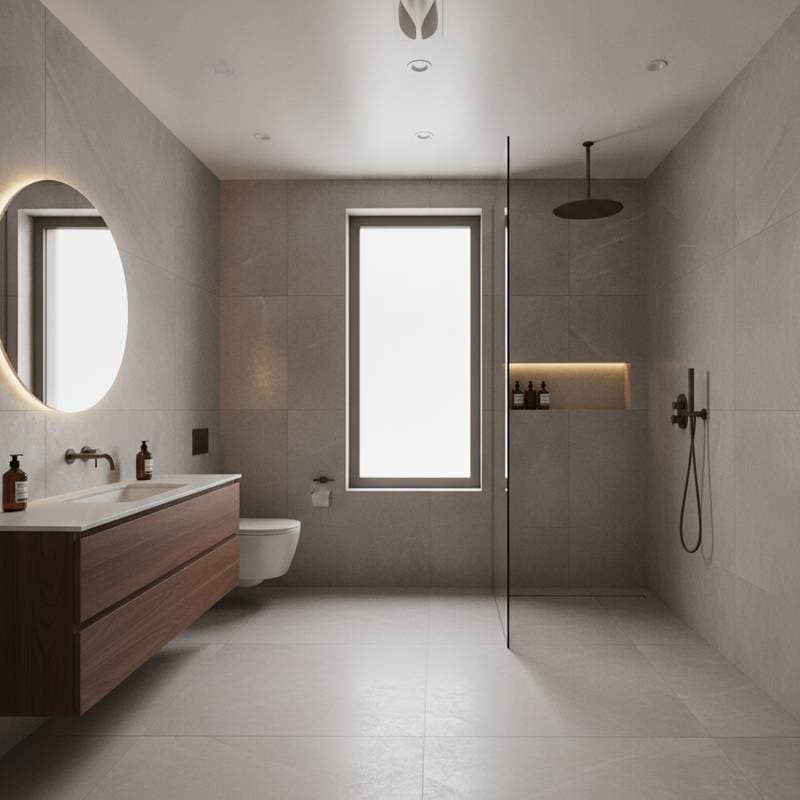
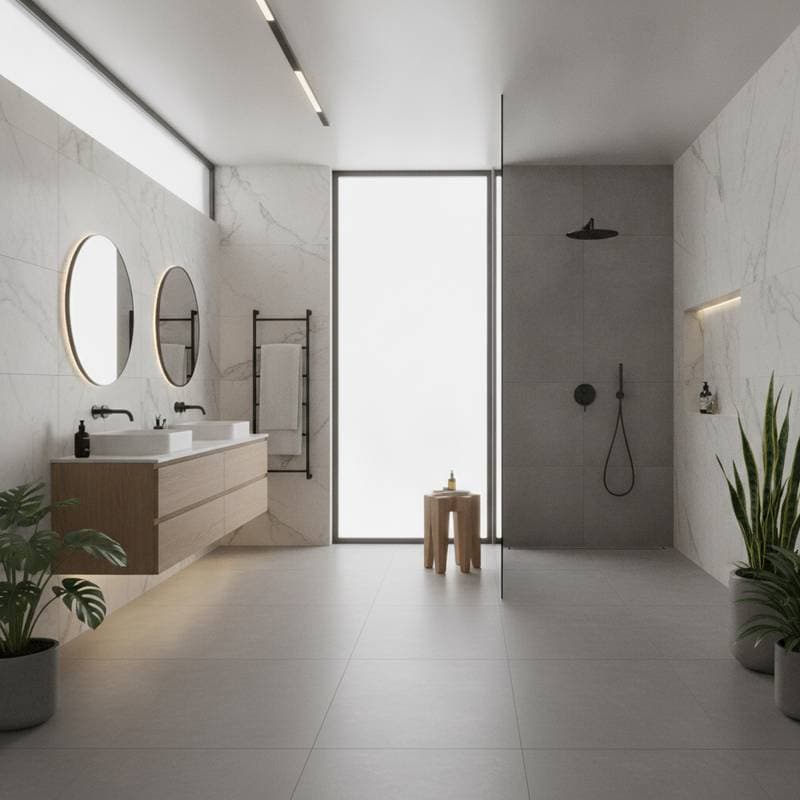
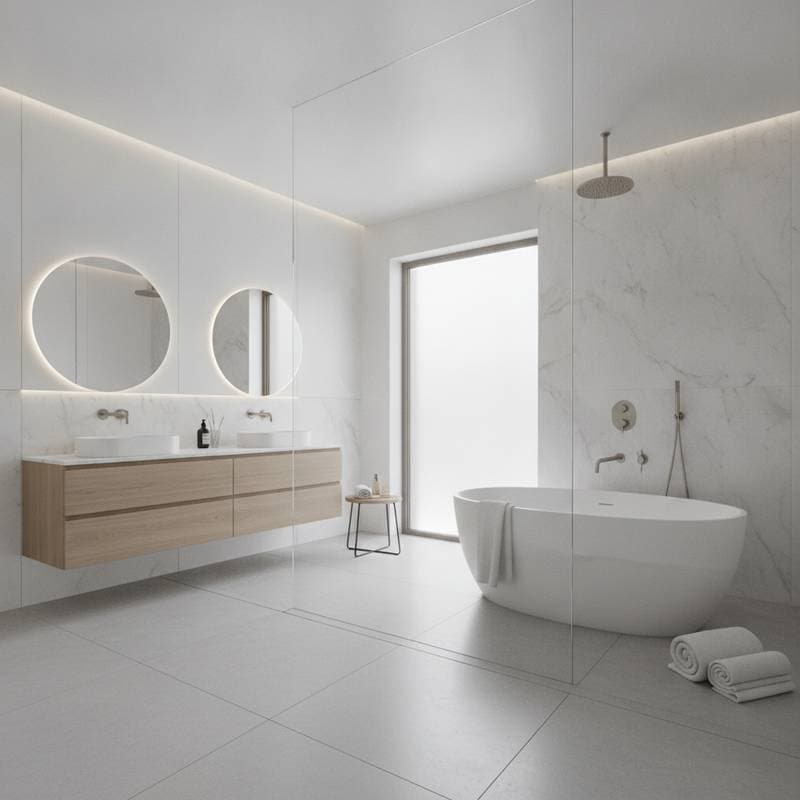
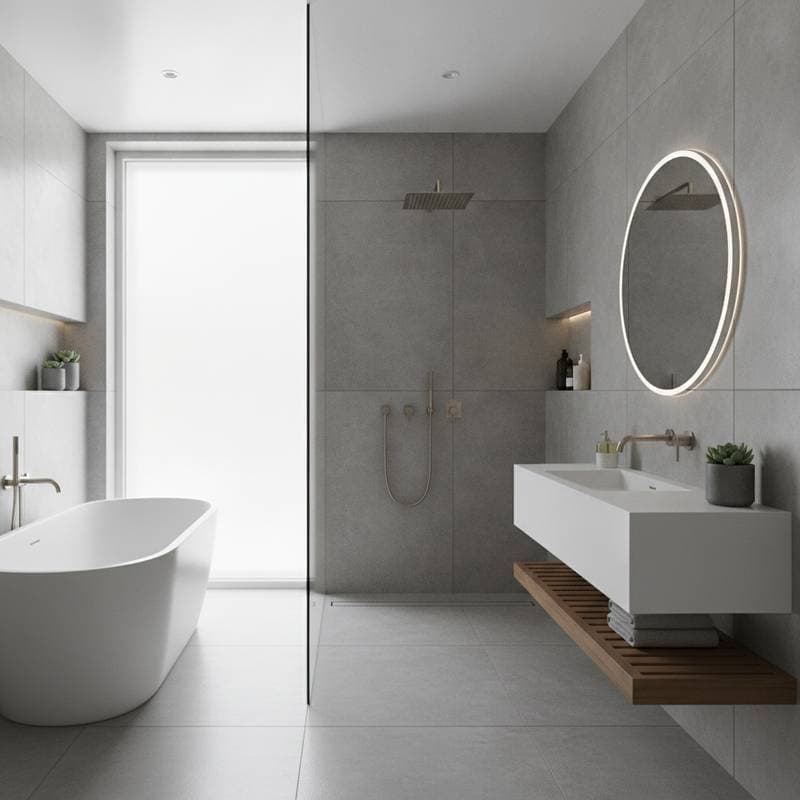
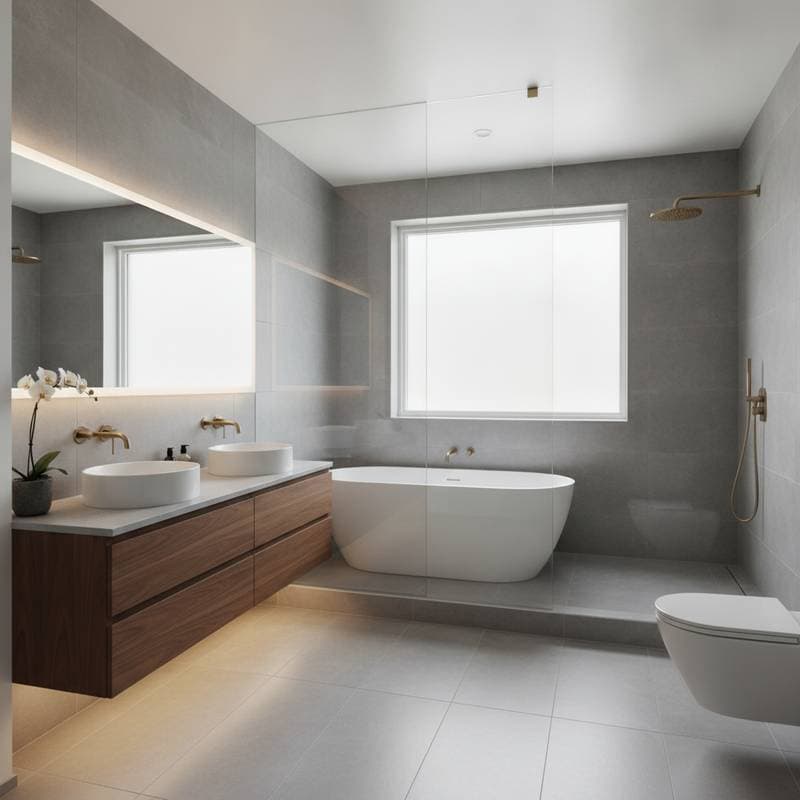
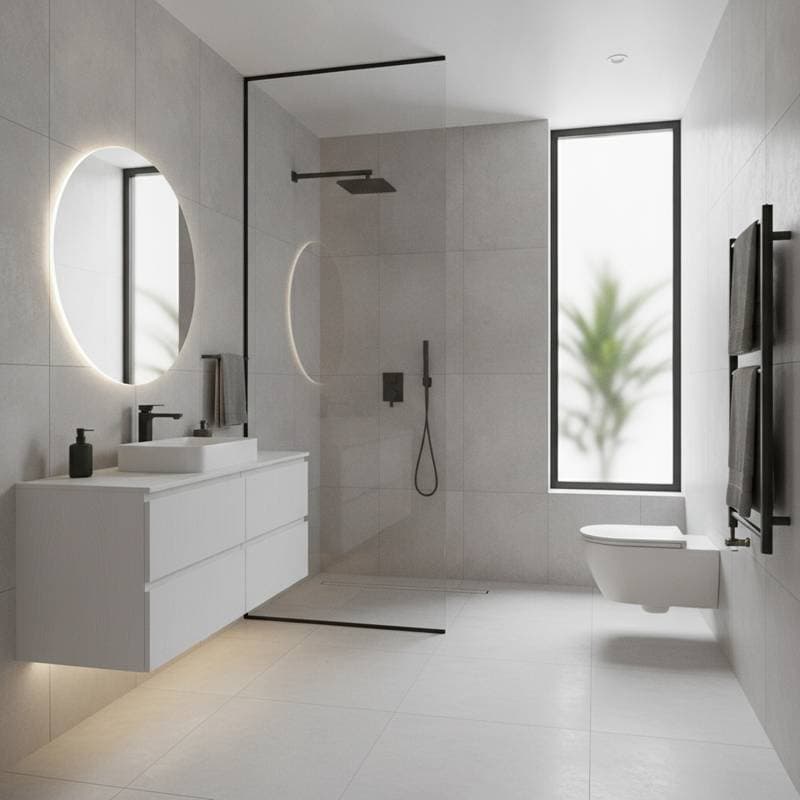
Wet rooms represent a shift in bathroom design that combines functionality with contemporary style. These spaces feature waterproof flooring and walls that allow the shower area to blend seamlessly with the rest of the room. Homeowners appreciate the open layout that eliminates traditional barriers and supports easier movement.
Market trends indicate that properties with well executed wet rooms command higher interest from buyers. This upgrade aligns with demands for accessible and low maintenance living spaces. The result is a measurable impact on resale outcomes.
Advantages That Appeal to Buyers
Accessibility stands out as a primary benefit. Level entry showers reduce fall risks and accommodate users of all ages and mobility levels. This feature proves especially relevant in aging in place scenarios.
Sleek aesthetics further enhance appeal. Minimal grout lines and integrated drainage create a streamlined appearance that photographs well in listings. Buyers often view these rooms as move in ready improvements that require little additional work.
Durability adds another layer of value. Proper waterproofing systems protect against moisture damage over time. This construction approach leads to fewer repairs compared with conventional bathroom setups.
Budgeting for the Project
Installation costs typically range from 9000 dollars to 25000 dollars depending on size and materials. Basic models use standard tiles and fixtures while premium versions incorporate custom glass and heated floors. Obtaining multiple contractor quotes helps establish realistic expectations.
Factors such as existing plumbing location and electrical needs influence final pricing. Homes with straightforward access to drainage lines often incur lower expenses. Planning for these variables prevents budget overruns during construction.
Practical Design Recommendations
Select slip resistant flooring rated for wet environments. Large format porcelain tiles or specialized vinyl options provide both safety and visual continuity. Ensure the chosen material complements surrounding cabinetry and fixtures.
Position the drain strategically to maintain an even floor slope. Linear drains along one wall offer efficient water removal without disrupting the open feel. Consult with a designer to verify proper gradients before tiling begins.
Incorporate storage solutions that withstand humidity. Wall mounted units and recessed niches keep essentials organized while preserving floor space. These details contribute to a functional yet uncluttered result.
Installation Process Overview
Begin with a thorough assessment of the current bathroom layout. Identify load bearing walls and plumbing routes that may require adjustment. This evaluation guides decisions on shower placement and fixture relocation.
Apply waterproof membranes to all surfaces that will contact water. Multiple layers of protection around the drain and wall junctions prevent leaks. Professional installers test these barriers before proceeding to finishes.
Complete the project with final touches such as ventilation upgrades. Powerful exhaust fans reduce moisture buildup and support long term material integrity. Schedule a walkthrough with the contractor to confirm all systems operate correctly.
Sustained Returns on the Investment
Properties featuring updated wet rooms demonstrate stronger performance during resale. The combination of safety, style, and reduced upkeep resonates with a broad range of purchasers. Owners who prioritize quality materials and precise installation position their homes competitively in the market.