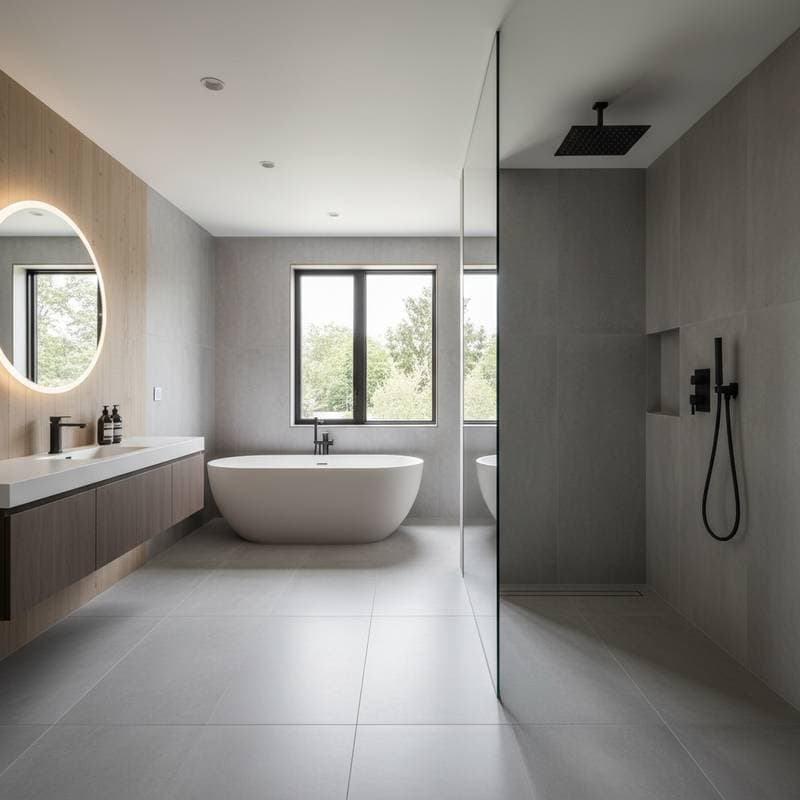
Wet Rooms vs Tubs: Navigating 2026 Resale Value Trends
Wet rooms and tubs represent two prominent choices in contemporary bathroom design. Each option delivers a unique user experience and impacts property resale value differently. For homeowners contemplating a renovation, understanding buyer preferences becomes essential. This analysis examines actual expenses, advantages, installation processes, and return on investment projections to guide selections that align with spatial constraints and financial plans.
Cost Breakdown
Converting a medium-sized bathroom into a wet room typically ranges from $8,000 to $20,000. Projects often settle between $12,000 and $15,000, influenced by selections in waterproofing systems and tiling materials. Premium configurations incorporating bespoke glass partitions or natural stone elements may surpass $25,000.
Installing a new tub setup falls between $3,000 and $10,000. An alcove tub with a tiled surround generally costs $4,000 to $7,000. Options such as freestanding or jetted models can exceed $12,000.
Key cost factors include:
- Waterproofing membranes and precise floor sloping for wet rooms
- Tile varieties, dimensions, and intricate labor requirements
- Adjustments to plumbing lines or drain positions
- Quality of glass enclosures and hardware fittings
- Incorporation of accessibility aids or integrated benches
Advantages and Drawbacks
Wet Room Advantages
- Creates an illusion of expanded space while enhancing ease of entry
- Simplifies cleaning due to minimal seams and obstructions
- Aligns with contemporary spa-inspired aesthetics that attract prospective buyers
- Maximizes utility in compact bathrooms by optimizing available area
Wet Room Drawbacks
- Involves elevated upfront expenses and extended preparation phases
- Demands professional-grade waterproofing to manage humidity effectively
- May convey a chilly sensation without adequate ventilation or underfloor heating
- Substandard execution risks water intrusion, potentially diminishing property appeal
Tub Advantages
- Provides relaxation suited to households with young children
- Complements established decorative styles
- Enhances marketability in residences featuring multiple bathrooms
- Offers straightforward installation and maintenance procedures
Tub Drawbacks
- Occupies greater floor area relative to standalone showers
- Poses entry challenges for individuals with reduced mobility
- Consumes higher volumes of water during operation
- Risks appearing outdated alongside prevalent open-concept shower designs
Design Variations
Wet Room Configurations
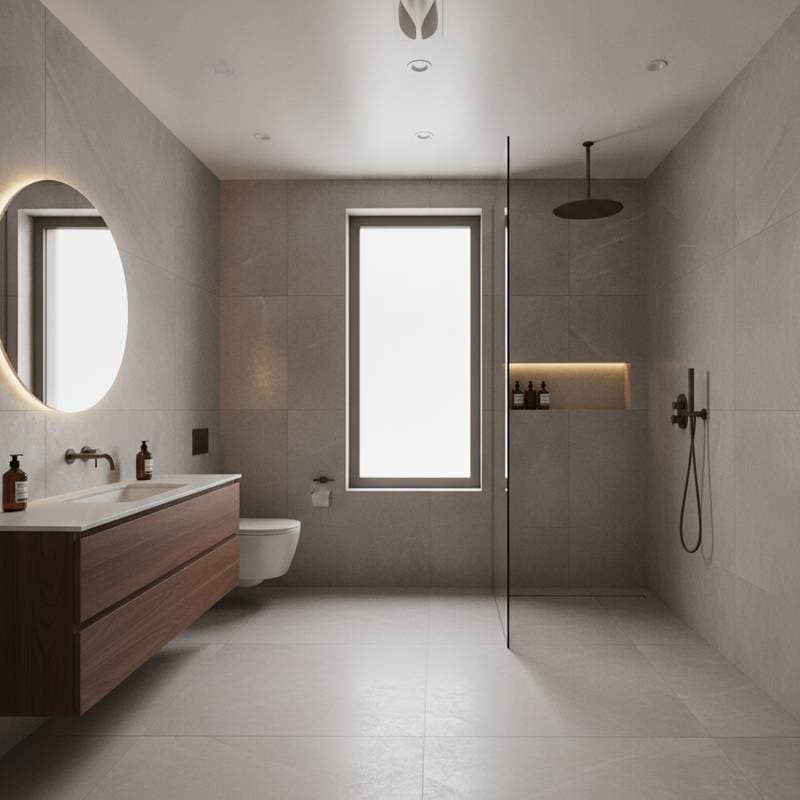
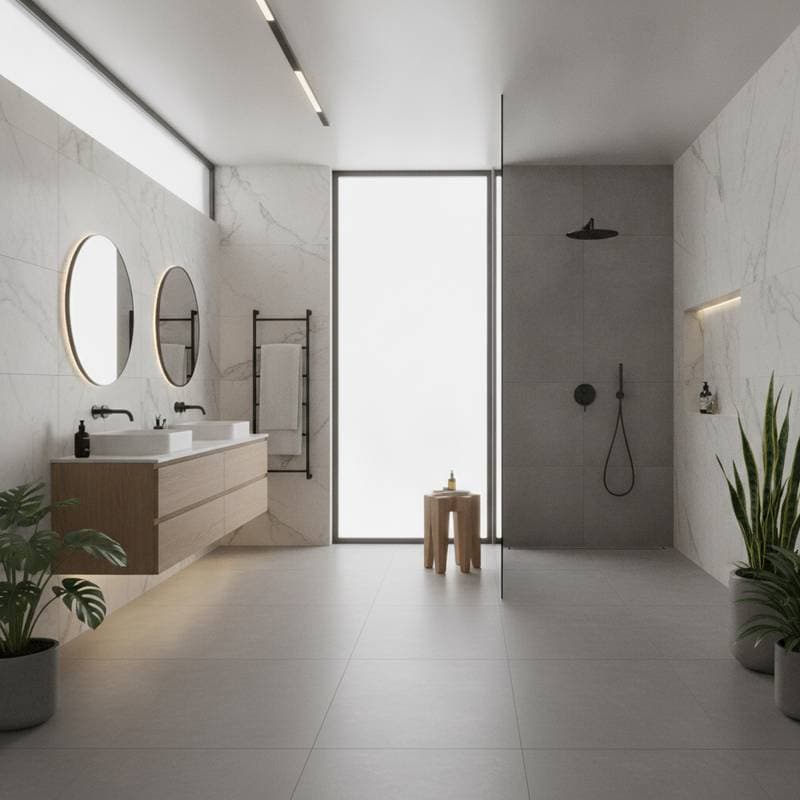
- Curbless shower arrangement: Features comprehensive floor sealing and barrier-free access, prioritizing universal design principles.
- Partial wet zone: Limits waterproofing to designated areas, reducing expenses and facilitating retrofits in existing layouts.
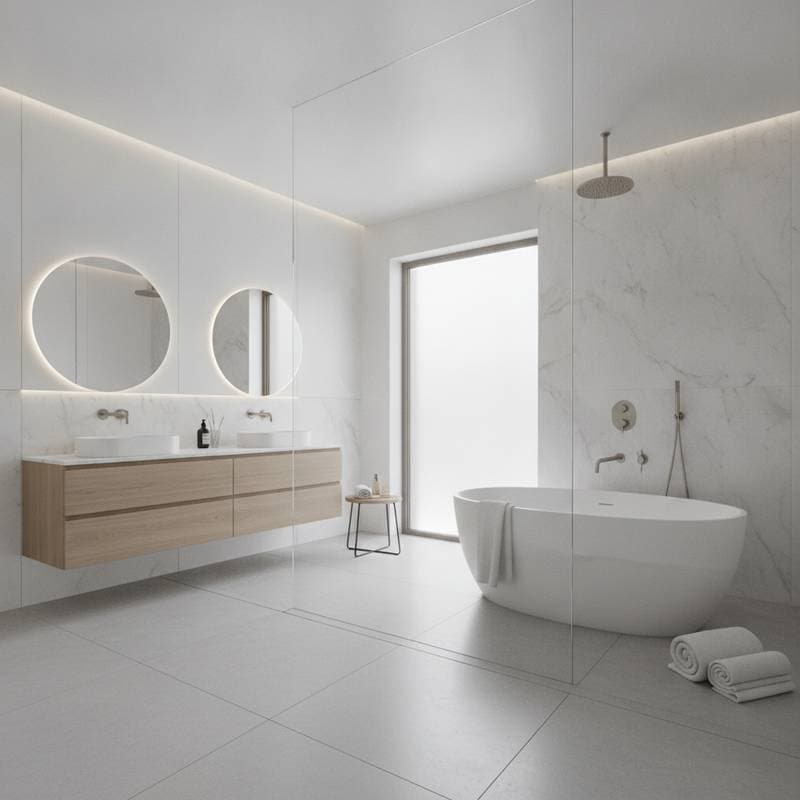
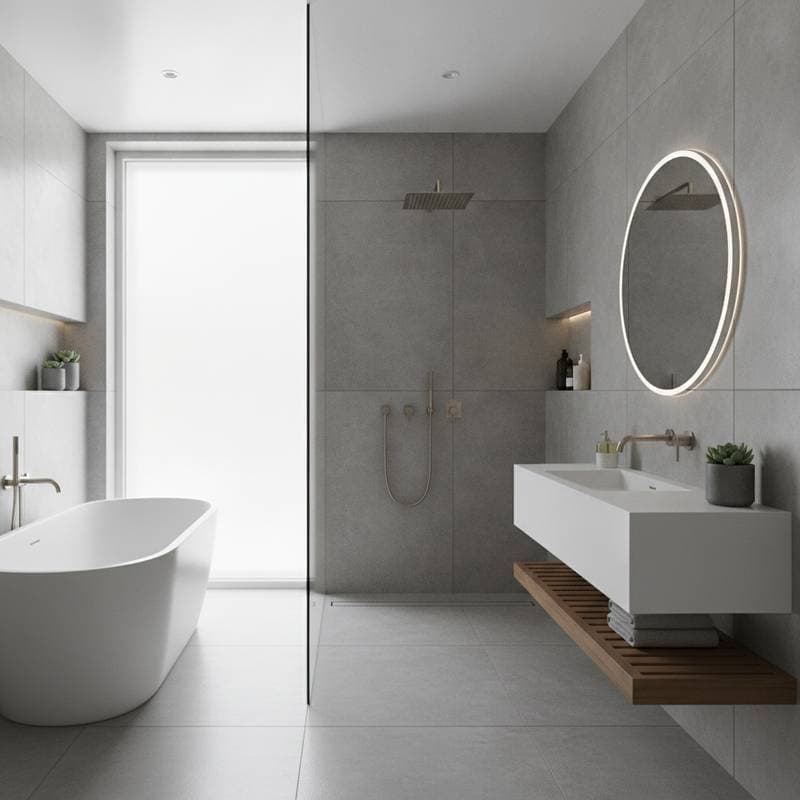
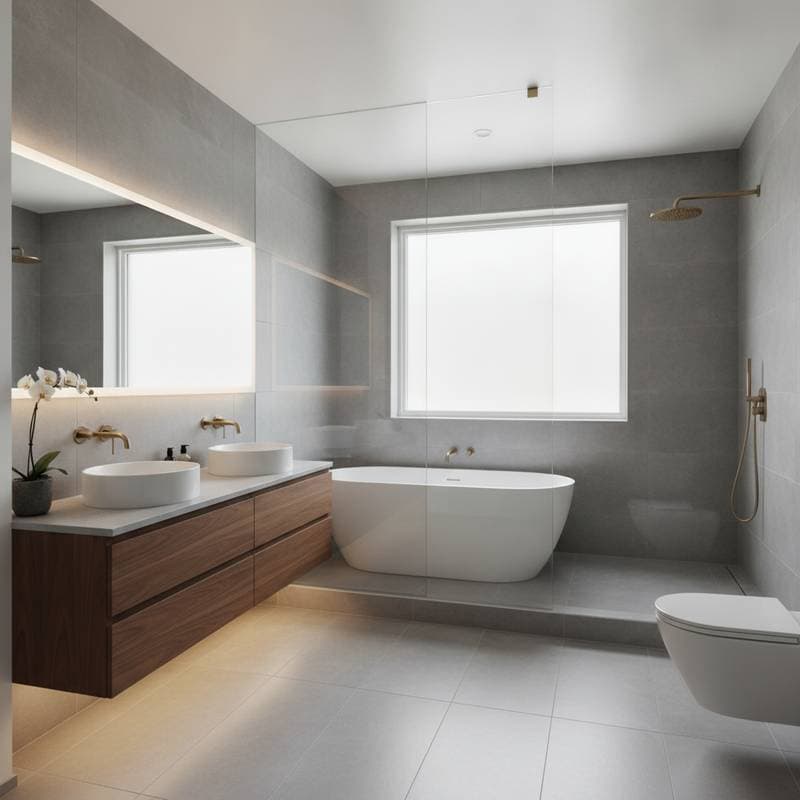
- Glass-panel enclosure: Directs water flow while maintaining unobstructed visual continuity.
Tub Styles
- Alcove tub: Enclosed on three sides, budget-friendly, and prevalent in conventional bathroom setups.
- Freestanding tub: Serves as a focal point, ideal for spacious environments.
- Drop-in tub: Recessed into a constructed base, accommodating personalized surround finishes.
- Jetted or deep-soaking tub: Introduces indulgent features, though it necessitates routine upkeep.
Installation Approaches: DIY or Professional
Wet room transformations demand professional expertise. Essential tasks encompass floor gradient establishment, complete membrane application, and accurate drain positioning. Errors frequently result in subfloor deterioration from water seepage. Professionals allocate 5 to 10 days, utilizing equipment such as laser levels and membrane rollers.
Replacing a basic tub qualifies as a feasible DIY endeavor when plumbing configurations remain unchanged. Completion requires 1 to 3 days using tools including pipe wrenches, spirit levels, and silicone applicators. Engage specialists for drain relocations, jet system integrations, or extensive wall resurfacing to guarantee sealing integrity and regulatory adherence.
Installation Process Overview
Wet Room Steps
- Demolish existing fixtures and flooring materials.
- Evaluate and remedy subfloor conditions.
- Establish drainage slope and apply impermeable membrane.
- Position drain assembly and conduct leak assessments.
- Lay tiles across floor and wall surfaces.
- Install glass partitions or containment barriers.
- Apply sealants to perimeters and grout lines.
- Fit plumbing fixtures and verify operational flow.
- Surface clean and administer protective coatings.
Tub Steps
- Shut off water supply and extract the existing tub.
- Examine plumbing components for wear or seepage.
- Position and level the replacement tub.
- Attach drain and overflow mechanisms.
- Anchor unit to structural framing.
- Apply tile or surround finishes to adjacent walls.
- Caulk seams with durable silicone.
- Perform comprehensive leak testing.
- Polish and prepare surfaces for use.
Upkeep and Durability
Properly constructed wet rooms endure 20 to 30 years. Annual grout inspections and periodic sealant refreshes preserve integrity. Regular drain maintenance prevents water accumulation. Integrating radiant floor heating mitigates condensation issues.
Tubs exhibit lifespans of 10 to 25 years based on construction materials. Acrylic or fiberglass variants degrade more quickly, whereas enameled cast iron offers superior longevity. Renew joint sealants biennially and monitor caulking for fissures. Steer clear of abrasive cleaners to maintain surface luster.
Complementary Choices
- Tub-shower combination unit: Retains versatility, appealing to family-oriented buyers.
- Walk-in tub: Enhances safety for those with mobility limitations, despite its premium pricing and spatial demands.
- Expansive shower stall: Mimics wet room openness without requiring total room waterproofing.
Regional Considerations
In regions with high humidity or proximity to water bodies, robust moisture management shapes project specifications. Supplementary exhaust systems or moisture-resistant coatings prove necessary. Colder locales gain from under-tile warming to counteract ceramic chill. Dense urban settings with constrained footprints prioritize wet rooms for efficient space utilization. Municipal regulations mandate approvals for plumbing modifications, particularly those involving drain shifts or electrical additions.
Investment Return and Market Impact
Emerging buyer sentiments favor seamless, barrier-free shower environments. Market analytics indicate properties equipped with contemporary curbless designs secure quicker sales and modest price premiums. Nonetheless, multi-generational households frequently anticipate tub availability. Optimal resale strategies incorporate diversity: designate one bathroom for tub retention and another for wet room or oversized shower implementation. Recovery rates for these renovations hover between 55 and 70 percent, modulated by material selections and local market dynamics.
Essential Safety Measures
Impermeable barriers remain paramount. Undetected tile-substrate leaks foster mold proliferation and compromise building integrity. Retain certified plumbers for drainage tasks and specialists versed in wet room liners for tiling. Jetted tubs necessitate electrical grounding verification. Incorporate textured flooring to minimize slip hazards across configurations. All powered components must conform to prevailing construction standards.
Implementing Your Upgrade
Assess user demographics and usage patterns prior to commitment. Prioritize wet rooms for emphasis on accessibility and sleek aesthetics. Opt for tub enhancements when relaxation and familial routines dominate. Achieve superior resale outcomes by distributing features thoughtfully among bathrooms. Review jurisdictional permitting protocols, solicit estimates from at least three credentialed contractors, and secure assurances on waterproofing and surface protections. Thoughtful bathroom enhancements safeguard equity while elevating daily functionality.