Wet Rooms: Achieving an 11 Percent Value Increase Through Waterproof Innovation
Expect a typical return of 11 percent on home value from a midrange waterproof wet room renovation.
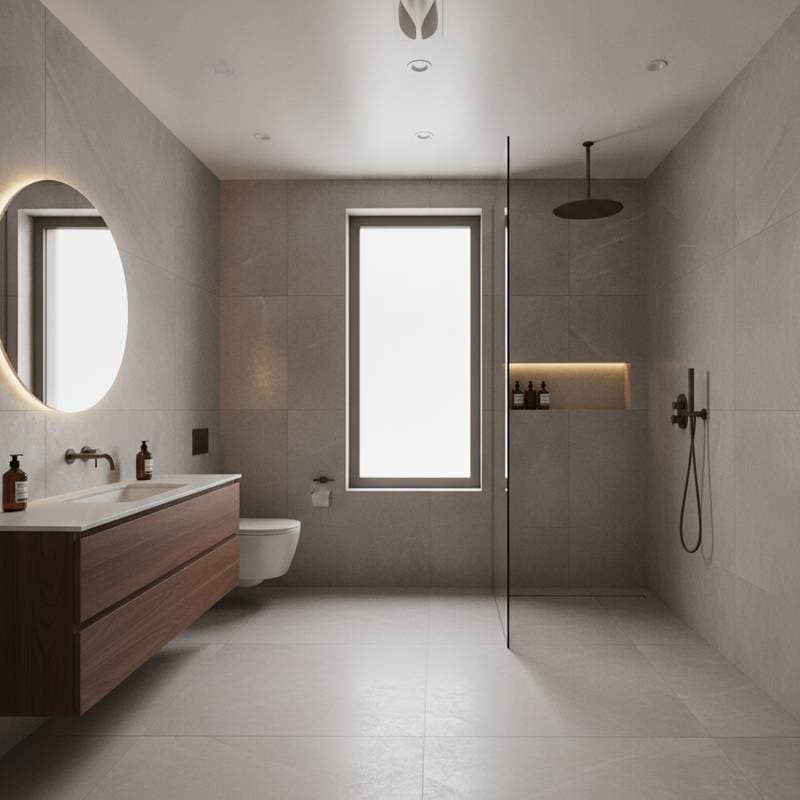
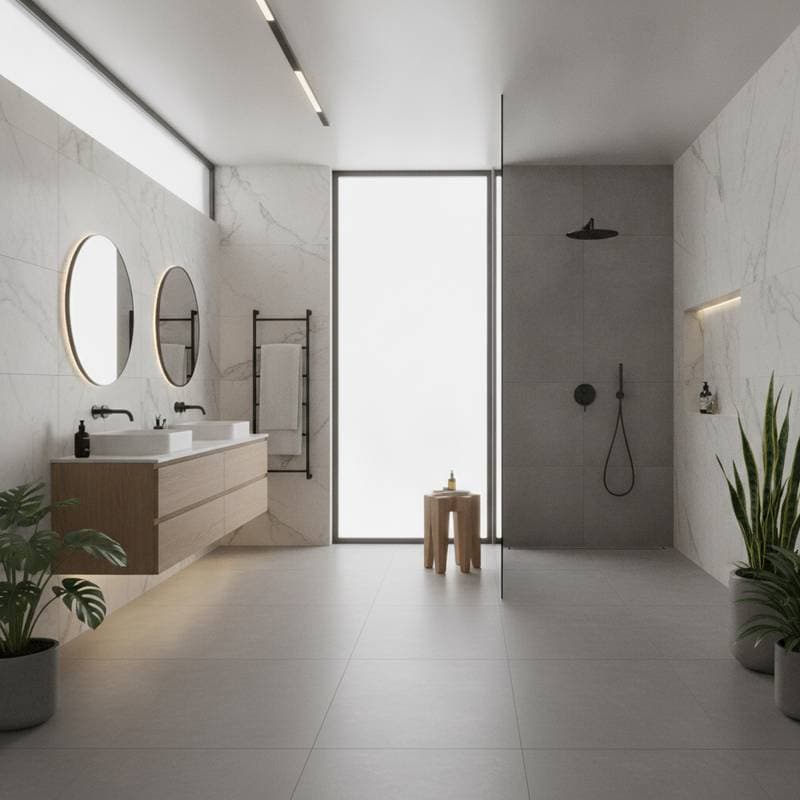
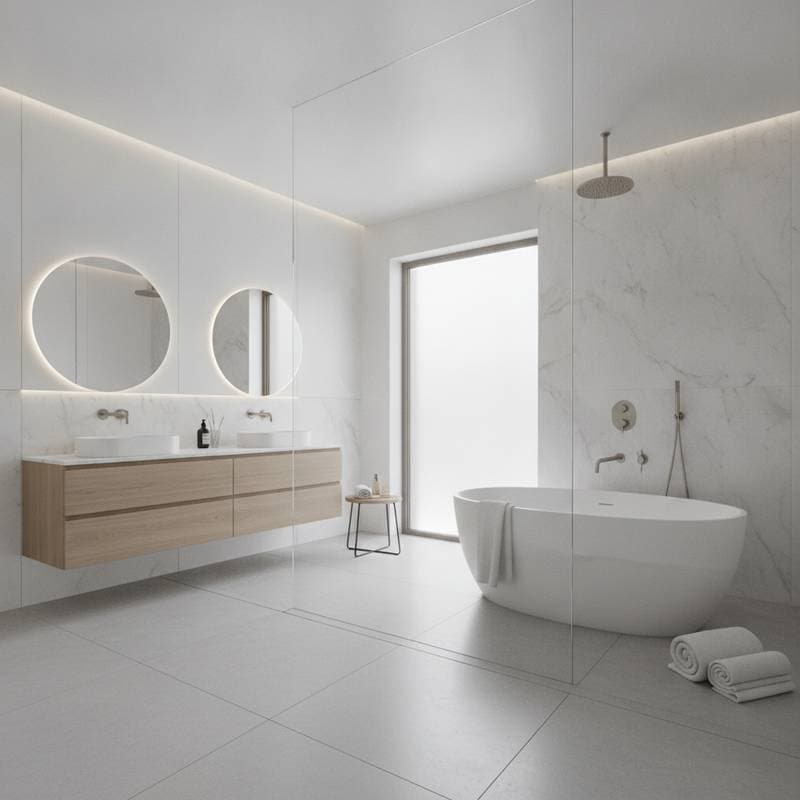
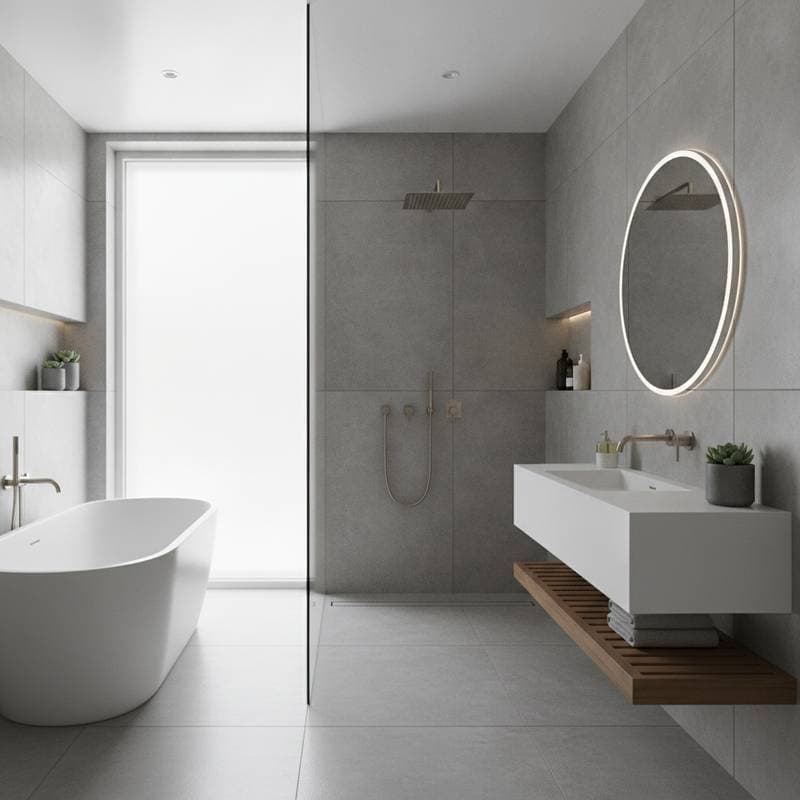
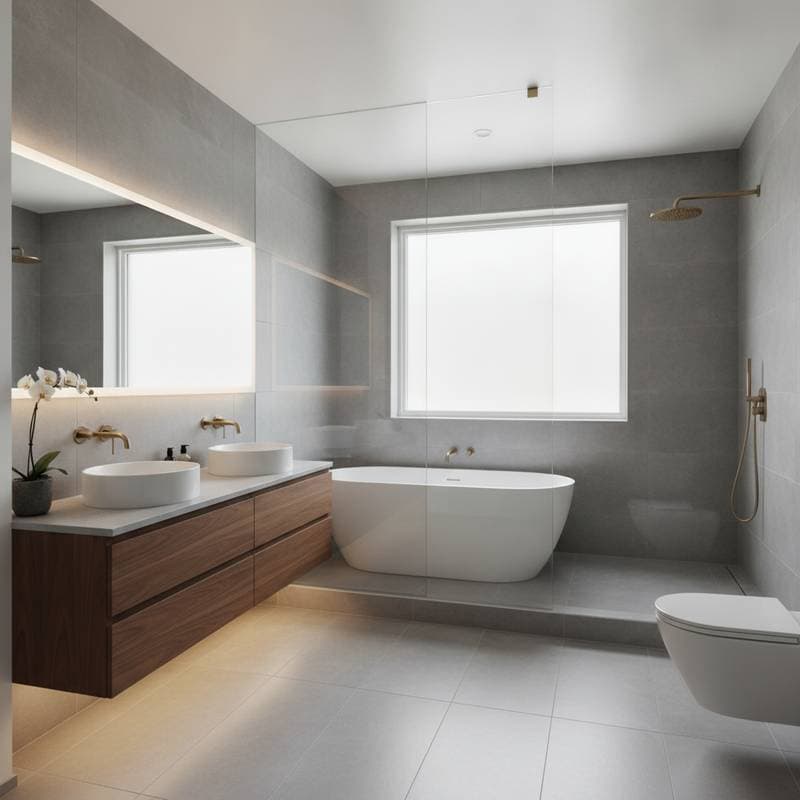
A fully watertight, barrier-free bathroom emerges as one of the most valuable remodeling projects for forward-thinking homeowners. This design excels in accessibility, contemporary aesthetics, and straightforward maintenance. When constructed properly, a wet room delivers enduring durability and versatile style suitable for both modern residences and space-constrained properties.
Key Cost Considerations
Materials
- Waterproof membranes: Prices range from $4 to $9 per square foot for sheet or liquid-applied systems, ensuring comprehensive moisture protection.
- Tile and stone options: Costs vary from $8 to $25 per square foot, influenced by tile dimensions, surface finish, and material quality.
- Glass panels and enclosures: Frameless configurations typically cost $1,200 to $3,000, providing a seamless and elegant enclosure.
- Drainage solutions: Linear drains, which facilitate unobstructed access, range from $250 to $900 per unit.
Labor Expenses
Anticipate $6,000 to $14,000 for professional installation by qualified experts. The majority of this expense arises from applying waterproofing layers, adjusting floor slopes for proper drainage, and scheduling necessary inspections.
Room Dimensions and Configuration
For a compact 5-by-8-foot area, expenses remain closer to the lower range. Incorporating elements such as a freestanding bathtub or radiant heated flooring can elevate the total project cost beyond $25,000.
Structural Modifications
In older structures, reinforcements to the subfloor or adjustments to plumbing lines may prove necessary. Allocate an additional 10 to 15 percent of the budget to address unforeseen issues concealed within walls or floors.
Regulatory Fees
Most jurisdictions mandate licensed approvals for plumbing and waterproofing work. Permit and inspection fees generally fall between $200 and $600.
DIY Options Versus Professional Services
Suitable DIY Elements
- Layout planning: Determine the optimal slope orientation, drain location, and positioning of glass elements to guide the overall design.
- Tiling applications: Experienced individuals may manage wall and floor tiling after the waterproofing phase concludes.
- Final installations: Tasks like mounting mirrors, installing shelves, and wiring lighting fixtures fall within feasible DIY territory.
Essential Professional Interventions
Engage specialists for:
- Precisely sloping the floor to direct water toward the drain.
- Applying waterproof membranes over concrete slabs or plywood substrates.
- Integrating linear drains with prevailing plumbing systems.
- Ensuring compliance with inspection standards for moisture barrier validation.
Associated Risks
Even a minor imperfection in the waterproofing can result in concealed mold growth and structural deterioration of the subfloor. Remediation of such issues post-installation often exceeds $10,000 in expenses. Therefore, professional certification proves indispensable for the waterproofing components.
Ensuring Safety and Regulatory Adherence
- Water isolation: Deactivate all water supply lines prior to commencing demolition activities.
- Personal protection: Equip with gloves, safety goggles, and a respirator to mitigate exposure to tile dust and debris.
- Electrical precautions: Mandate ground-fault circuit interrupter (GFCI) protection for every outlet in the vicinity.
- Traction standards: Select floor tiles with an R10 or superior slip-resistance rating to enhance safety.
- Airflow management: Incorporate a ventilation fan engineered for high-humidity environments.
- Official approvals: Secure inspections for all plumbing and electrical modifications to verify code conformity.
Neglecting these protocols invites potential leaks, electrical hazards, or inspection rejections. Verify the floor slope and conduct waterproofing integrity tests before proceeding to tile installation.
Choosing Between Repair and Full Replacement
Persistent indicators such as softened flooring or paint delamination adjacent to the shower area signal the wisdom of a complete wet room transformation over superficial fixes. Addressing recurrent leaks through repairs alone may incur $4,000 to $6,000 without resolving underlying vulnerabilities. A comprehensive overhaul introduces thorough waterproofing and contemporary design features that avert future complications.
Should the existing tiles and subfloor demonstrate structural integrity, consider a retrofit approach. This involves overlaying new waterproof membranes and drains at a cost of $9,000 to $12,000. Such a method retains current aesthetics while conferring the advantages of barrier-free access and enhanced leak resistance.
Insights from the Real Estate Landscape
Industry experts observe a rising popularity of wet rooms, particularly in properties emphasizing modernity and universal accessibility. Prospective buyers prioritize features like threshold-free entries, expansive visual perspectives, and effortless upkeep. The inherent waterproofing expands the perceived spaciousness of compact bathrooms, imparting a premium ambiance without necessitating additional floor area.
Properties featuring expertly crafted wet rooms command an approximate 11 percent premium at resale. This uplift hinges on the caliber of materials, finishes, and documentation of inspections.
Practical Steps to Proceed
- Establish a defined budget: Aim for $24,000 to $28,000 to achieve a balanced midrange wet room that optimizes both usability and market desirability.
- Schedule waterproofing experts promptly: Demand for these professionals often leads to wait times of several weeks.
- Investigate incentives and regulations: Programs supporting accessibility or energy efficiency might reduce overall expenditures; review local building codes accordingly.
- Allocate three weeks for completion: Factor in buffer time for procuring glass components and obtaining inspection clearances.
Investing in a waterproof wet room serves as both an aesthetic enhancement and a strategic asset for your property. Prioritizing certified waterproofing techniques, secure electrical configurations, and efficient drainage systems safeguards your home while delivering a timeless bathroom that sustains value over decades.