Wet Rooms Add 11% to Home Sale Price
Homes equipped with wet rooms command an 11% premium in the real estate market. These innovative bathroom designs eliminate traditional barriers, creating seamless, waterproof spaces that appeal to a broad range of buyers. This article explores the reasons behind this value increase, the key benefits, and practical steps for installation.
Understanding Wet Rooms
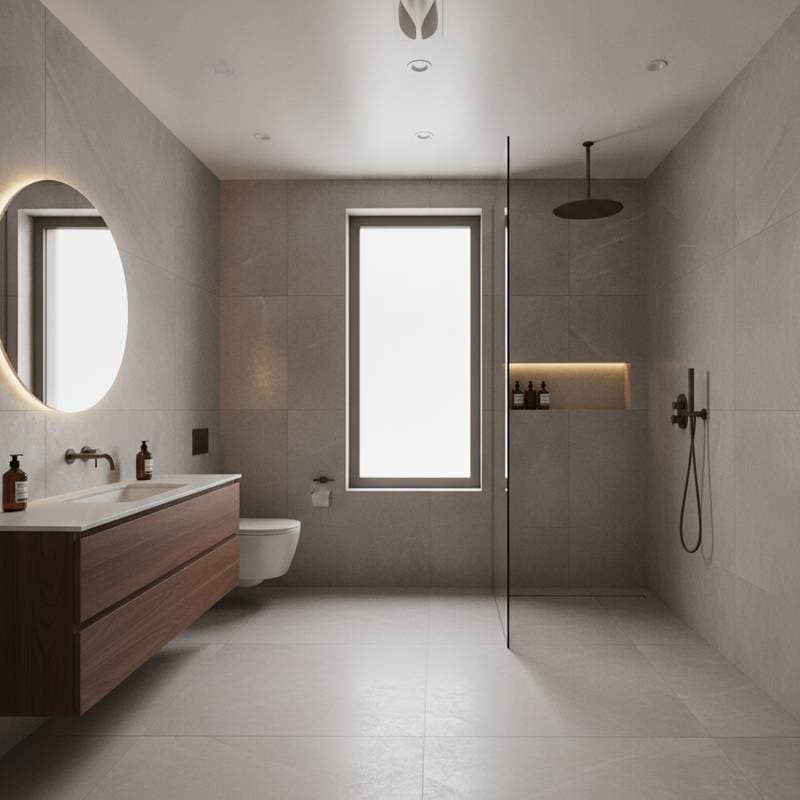
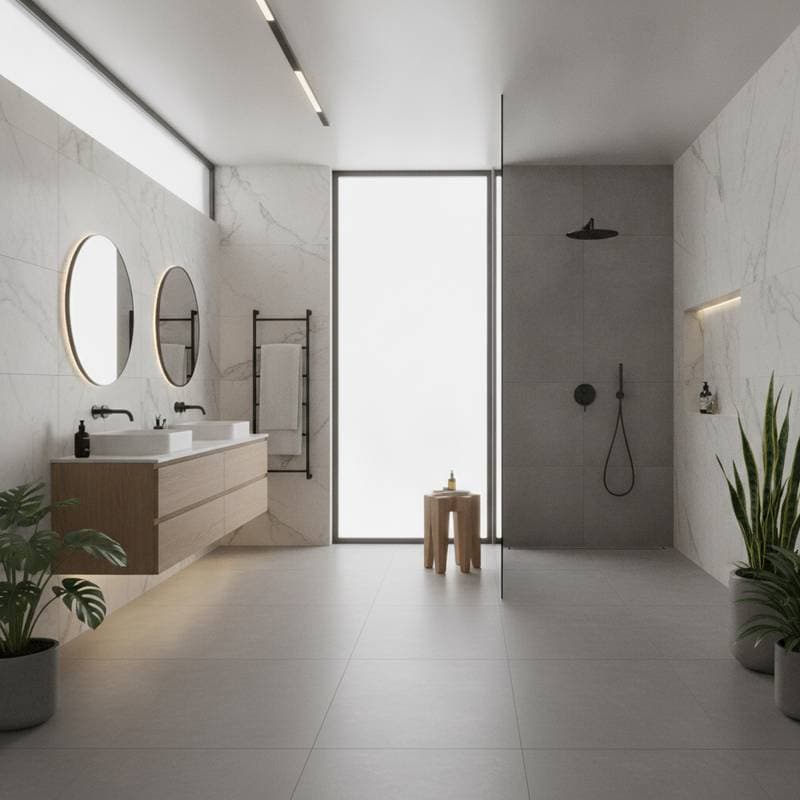
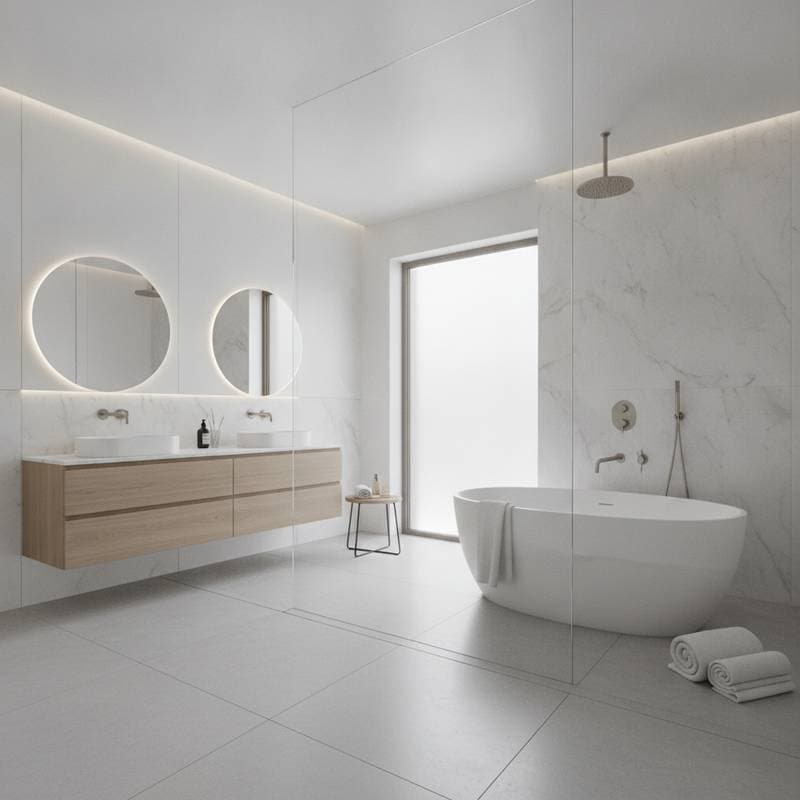
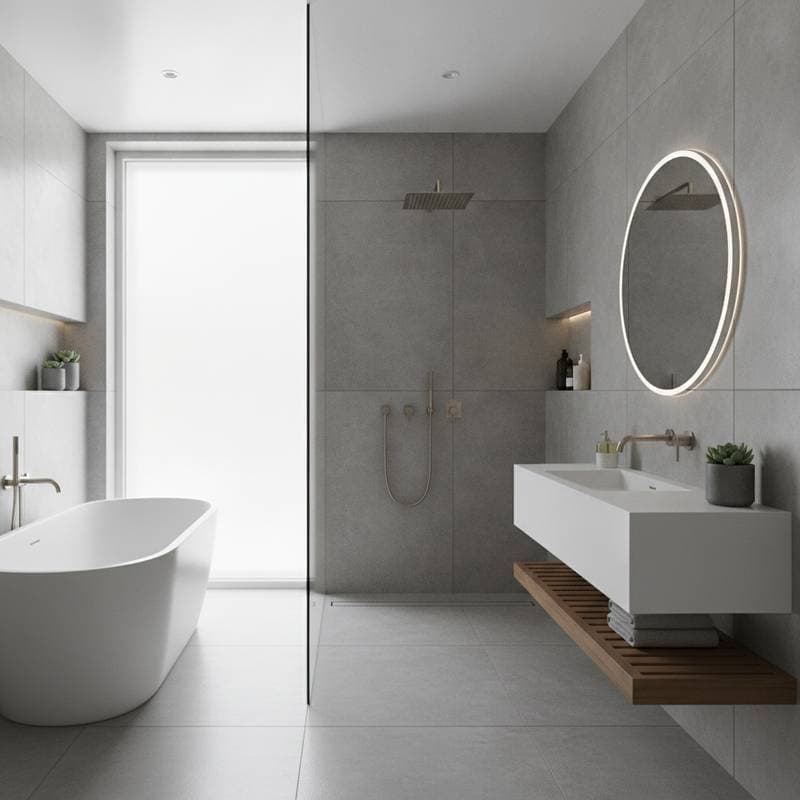
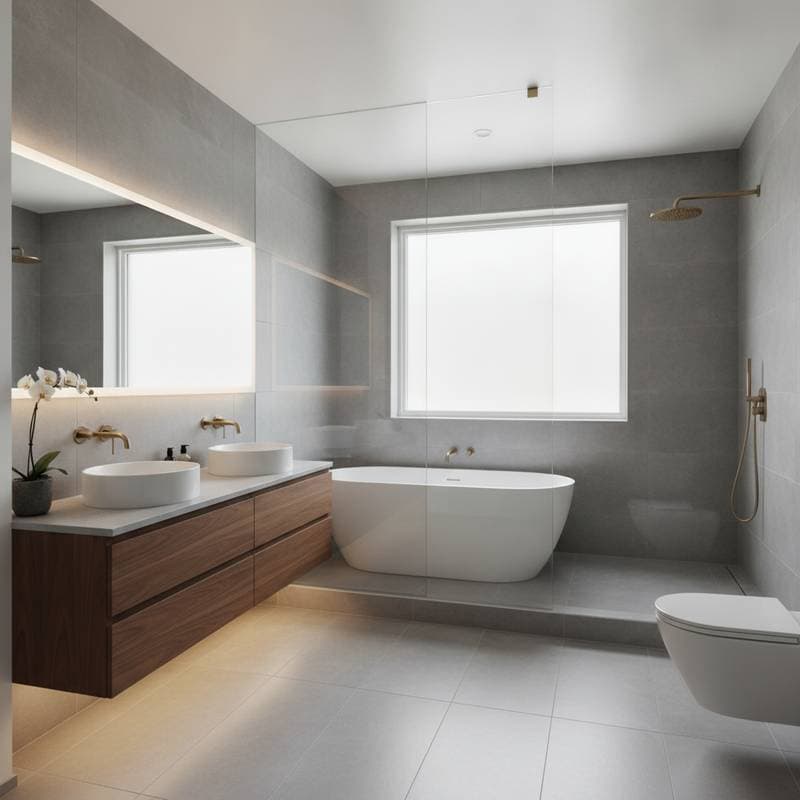
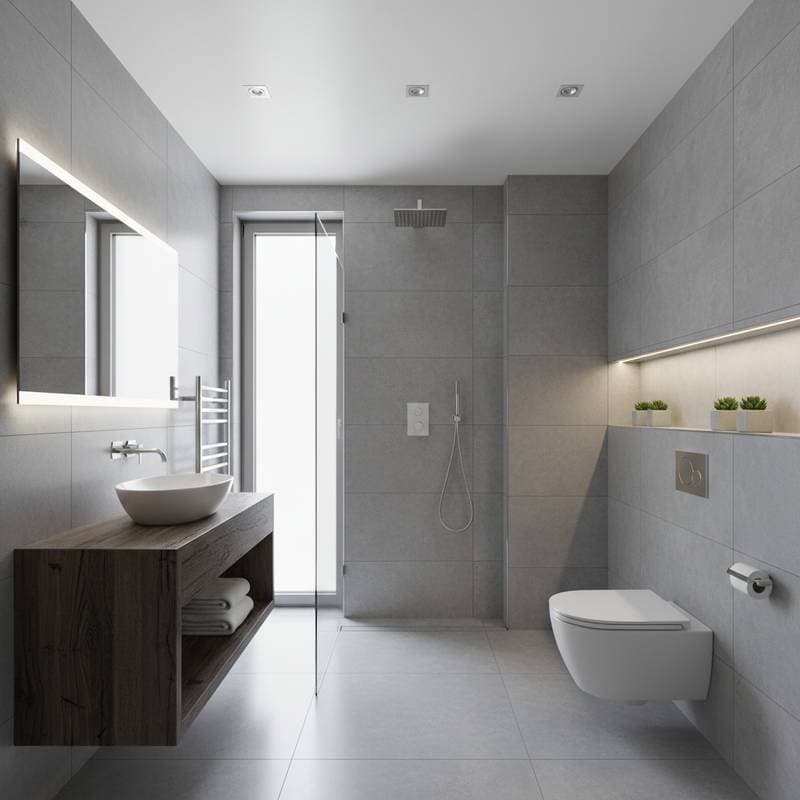
Wet rooms represent a shift in bathroom design toward open, barrier-free layouts. Unlike conventional bathrooms with shower curbs or bathtubs, wet rooms feature a fully tiled floor that slopes gently toward a central drain. This setup allows water to flow freely without enclosures, ensuring the entire space remains dry and safe.
The core elements include non-slip flooring, waterproof wall coverings, and integrated drainage systems. Architects and designers favor these rooms for their minimalist aesthetic, which aligns with contemporary home trends. Property owners appreciate how wet rooms adapt to various lifestyles, from young families to aging individuals seeking long-term usability.
Installation requires careful planning to manage water flow and prevent leaks. Professionals often use specialized sealants and membranes to create a watertight environment. As a result, wet rooms not only enhance functionality but also contribute to a home's overall modern appeal.
The Impact on Home Value
Real estate data indicates that properties with wet rooms sell for 11% more than comparable homes without them. This boost stems from the design's versatility and perceived luxury. Buyers view wet rooms as a forward-thinking upgrade that future-proofs the property against accessibility needs.
In competitive markets, such features differentiate listings and attract offers quickly. Appraisers factor in the added value during assessments, recognizing the investment's return potential. For sellers, this translates to higher net proceeds and reduced time on the market.
The 11% figure reflects broader trends in buyer preferences for low-maintenance, inclusive spaces. Homes with these bathrooms appeal to multigenerational households, where safety and ease of use matter. Consequently, the design choice proves a smart financial move for homeowners.
Key Benefits of Wet Room Design
Wet rooms offer multiple advantages that extend beyond aesthetics.
Enhanced Safety and Accessibility
The absence of steps or thresholds reduces fall risks, making these spaces ideal for all ages. Wheelchair users navigate freely, and caregivers find the layout practical for assistance. This inclusivity broadens the home's appeal to diverse buyers, including those planning for future mobility changes.
Stylish and Spacious Feel
Open designs create an illusion of more space, even in compact bathrooms. Sleek fixtures and uniform materials contribute to a spa-like atmosphere. Homeowners enjoy the modern look that complements various interior styles, from industrial to Scandinavian.
Simplified Maintenance
Waterproof surfaces wipe clean with minimal effort. Grout lines and tiles resist mold when properly sealed, lowering long-term cleaning demands. This practicality appeals to busy professionals and families alike.
Costs and Timeline for Installation
Budgeting for a wet room varies based on size, materials, and location. Expect to invest between $15,000 and $30,000 for a standard 100-square-foot space. High-end options with custom fixtures may exceed $50,000.
Key cost factors include:
- Waterproofing membranes and drainage systems: $2,000 to $5,000.
- Tiling and flooring: $3,000 to $8,000.
- Plumbing adjustments: $1,500 to $4,000.
- Labor from certified installers: $5,000 to $10,000.
The installation process typically spans 4 to 8 weeks. Initial planning and permitting take 1 to 2 weeks, followed by demolition and waterproofing in 1 week. Tiling and fixture installation require another 2 to 3 weeks, with final testing completing the project.
Homeowners should account for potential disruptions, such as temporary relocation of bathroom use. Selecting durable, low-maintenance materials helps control costs while ensuring longevity.
When to Hire a Professional
Professional involvement ensures compliance with building codes and optimal performance. Engage a contractor experienced in wet room conversions early in the process. They assess structural needs, such as floor reinforcement for added weight from water features.
Signs that a pro is necessary include complex plumbing rerouting or integration with existing home systems. DIY attempts risk costly errors, like improper drainage leading to water damage. Certified experts provide warranties and handle permits, safeguarding the investment.
Consult local specialists for site-specific advice. Their expertise minimizes surprises and maximizes the design's value-adding potential.
Steps to Create Your Wet Room
Transforming a bathroom into a wet room follows a structured approach.
-
Assess Your Space: Evaluate the bathroom's size, layout, and plumbing. Determine if structural changes, like floor leveling, are required.
-
Design the Layout: Sketch the open area, drain placement, and fixture positions. Consider lighting and ventilation for functionality and ambiance.
-
Select Materials: Choose slip-resistant tiles, waterproof backer boards, and reliable drains. Prioritize quality to avoid future repairs.
-
Prepare for Installation: Obtain necessary permits and clear the area. Coordinate with professionals for demolition and waterproofing.
-
Install and Test: Lay the base, install fixtures, and seal all surfaces. Conduct water tests to verify leak-proof integrity.
-
Finalize and Enjoy: Add personal touches like mirrors or storage. Monitor the space for the first few months to ensure satisfaction.
This process yields a durable, attractive upgrade that enhances daily life and property worth.
Maximize Your Home's Market Edge
Incorporating a wet room positions your property as a standout in today's market. The 11% value increase reflects its blend of innovation and practicality. Homeowners who prioritize such updates enjoy both immediate usability and long-term financial gains.
Consider this investment as a way to align your home with evolving buyer expectations. The result is a space that serves current needs while boosting resale potential. Start planning today to realize these benefits in your own home.