Understanding Wet Rooms and Their Rising Appeal
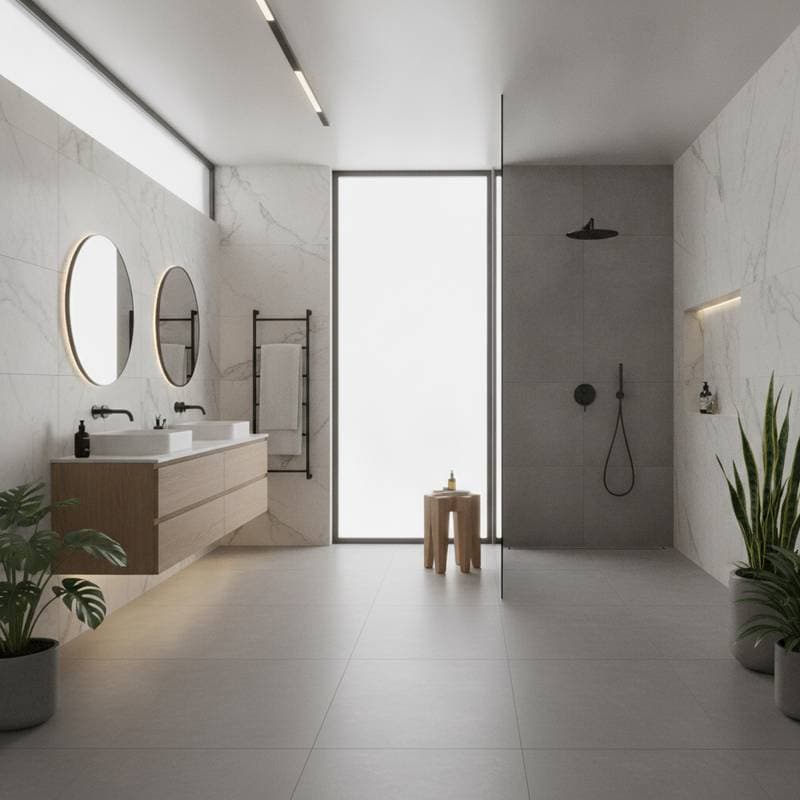
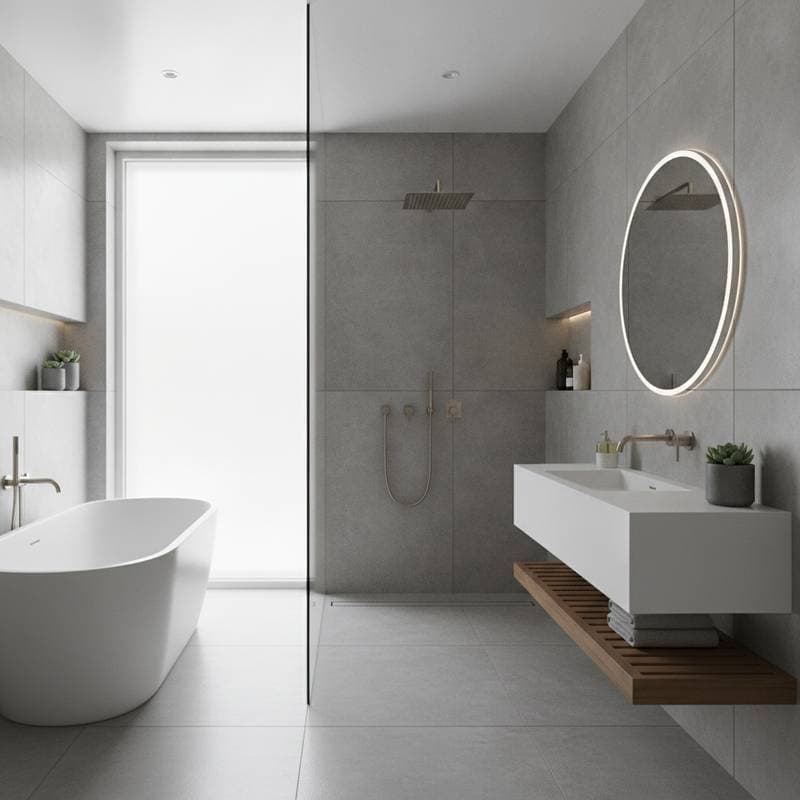
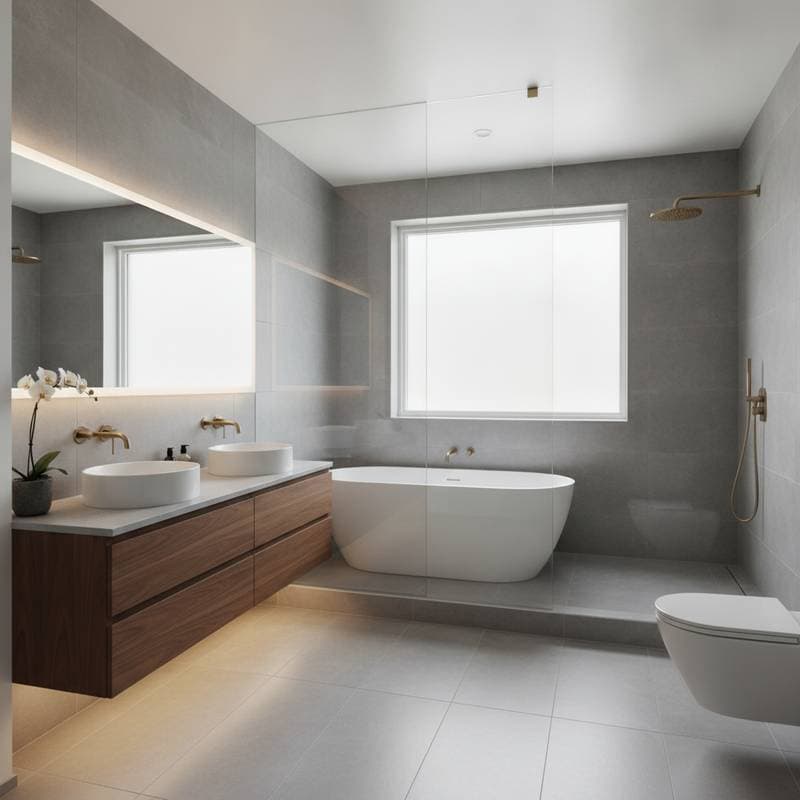
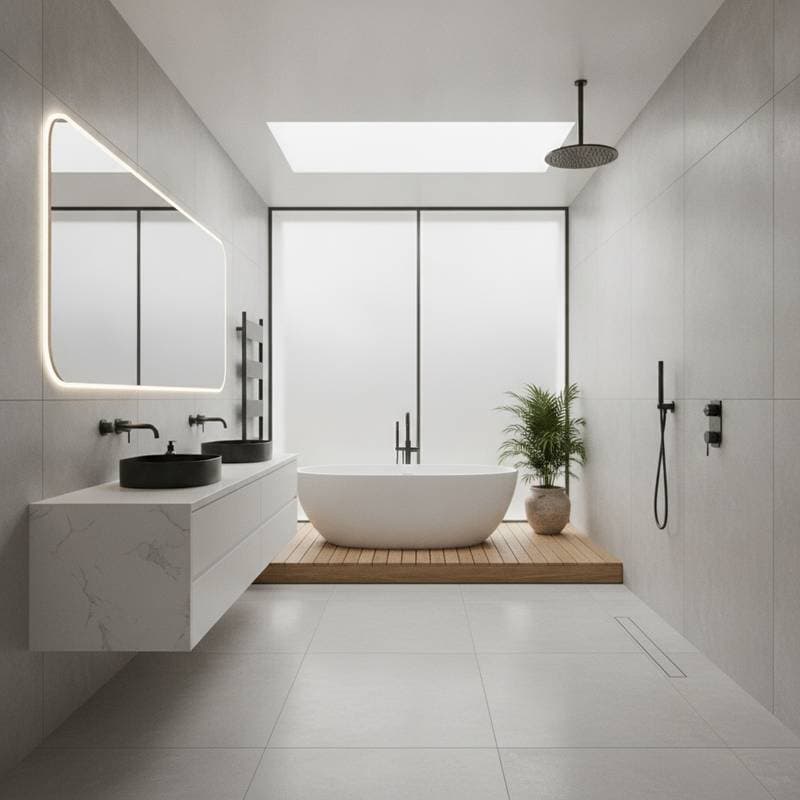
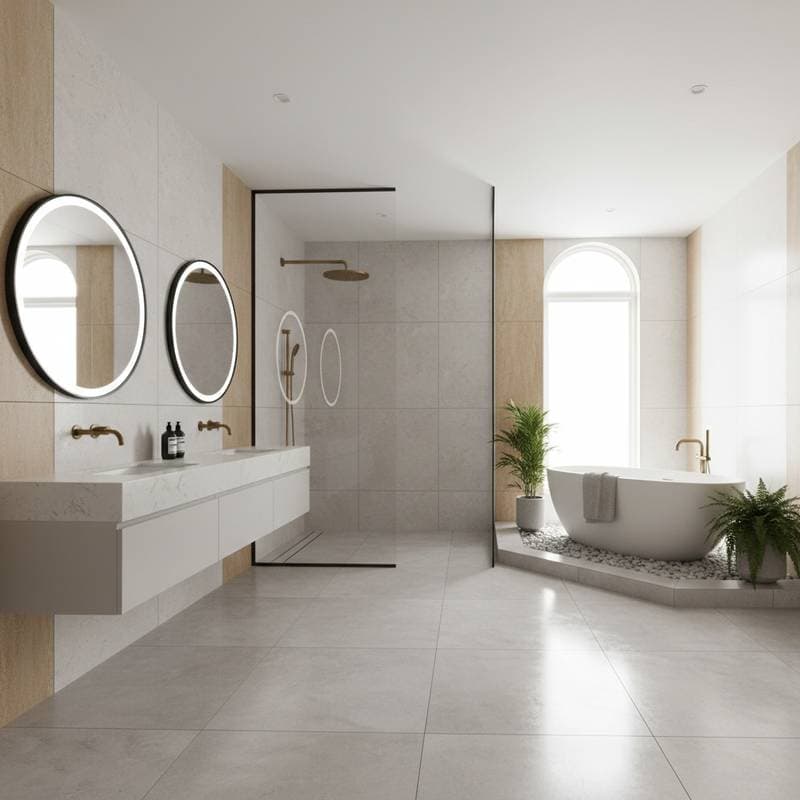
Wet rooms represent a modern evolution in bathroom design, transforming traditional spaces into seamless, waterproof environments. Unlike conventional bathrooms with enclosed showers, wet rooms feature open layouts where the entire floor serves as the shower area, drained efficiently without curbs or trays. This design choice aligns with contemporary preferences for minimalism and fluidity, making bathrooms feel larger and more integrated into the home.
Homeowners increasingly adopt wet rooms for their practical and aesthetic advantages. In 2025, market analyses predict these installations will contribute to an 11 percent uplift in property values, driven by demand for accessible, luxurious features. Real estate experts attribute this boost to the versatility of wet rooms, which appeal to a broad demographic, from aging-in-place families to luxury buyers seeking spa-like retreats.
The trend gains momentum as building materials advance, offering enhanced durability and ease of maintenance. Property appraisers note that well-executed wet rooms signal thoughtful upgrades, differentiating listings in competitive markets. This section explores the foundational elements that position wet rooms as a smart investment.
The Value Proposition for 2025 Homeowners
Projections for 2025 highlight wet rooms as a high-return renovation, with the 11 percent value increase stemming from multiple factors. Buyers prioritize homes that blend functionality with elegance, and wet rooms deliver both through their adaptable designs. Appraisals often reflect premiums for properties featuring these updates, as they reduce perceived maintenance needs and enhance overall livability.
Economic trends support this surge, with remote work and multigenerational living extending the importance of home amenities. Wet rooms facilitate universal design principles, accommodating various mobility levels without compromising style. Data from industry reports indicates that bathrooms account for 20 percent of renovation budgets, yet yield disproportionate returns when focused on innovative features like wet rooms.
Sustainability plays a role as well, with water-efficient fixtures and low-flow drains minimizing environmental impact. Homeowners who install energy-saving elements alongside wet rooms see additional value through utility savings and eco-conscious appeal. This combination positions the upgrade as forward-thinking, aligning with buyer expectations for resilient, future-proof homes.
Key Costs Associated with Wet Room Installations
Budgeting for a wet room requires careful consideration of materials, labor, and scope. Basic conversions start at $15,000 for a standard 50-square-foot space, covering essential waterproofing and tiling. Premium options, including heated floors and custom fixtures, can exceed $30,000, depending on size and location.
Labor constitutes 40 to 50 percent of total costs, influenced by regional rates and project complexity. Waterproofing membranes and sloped flooring demand skilled plumbers and tilers to prevent leaks, adding to expenses. Homeowners should allocate for permits, typically $500 to $1,000, and potential structural adjustments like reinforcing subfloors.
Ongoing maintenance remains low, with sealed surfaces resisting mold and wear. Investing in quality components, such as porcelain tiles and linear drains, offsets initial outlays through longevity. A detailed cost breakdown helps prioritize elements that maximize value, ensuring the 11 percent return materializes.
- Waterproofing Systems: $2,000 to $5,000, essential for floor and wall protection.
- Tiling and Finishes: $3,000 to $8,000, selecting durable, non-porous materials.
- Drainage and Plumbing: $1,500 to $4,000, for efficient water flow.
- Fixtures and Accessories: $2,000 to $6,000, focusing on rain showers and vanities.
- Labor and Contingencies: 40 percent of budget, covering installation and surprises.
Design Strategies for Maximum Impact
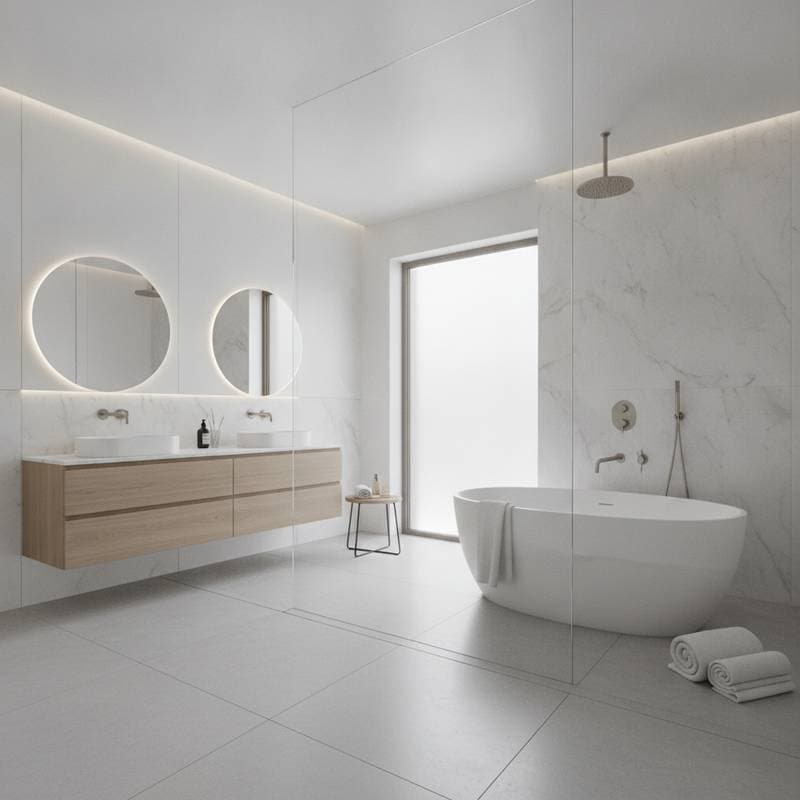
Effective wet room designs emphasize flow, lighting, and material harmony to elevate the space. Start with a layout that integrates the shower area seamlessly, using glass partitions for subtle separation if desired. Neutral palettes with metallic accents create a timeless look, while natural stone tiles add warmth and texture.
Lighting enhances ambiance and safety; recessed LEDs and vanity mirrors with integrated illumination prevent shadows. Storage solutions, such as recessed niches and floating shelves, maintain openness without clutter. Designers recommend coordinating colors across floors, walls, and ceilings for a cohesive, expansive feel.
Accessibility features, like grab bars disguised as towel rails, ensure inclusivity without altering aesthetics. Incorporate smart technology, such as thermostatic controls, for user convenience. These elements not only boost daily enjoyment but also underscore the luxury that drives resale premiums.
- Select slip-resistant flooring with a subtle slope for drainage.
- Integrate underfloor heating for comfort in cooler climates.
- Use frameless glass for visual continuity.
- Balance matte and glossy finishes to reduce glare.
Installation Essentials for Durability and Compliance
Professional installation guarantees the longevity and safety of wet rooms. Begin with a site assessment to evaluate plumbing access and floor load capacity. Waterproofing layers, applied in multiple stages, form the core defense against moisture intrusion, requiring certified products for warranty coverage.
Tilers must achieve precise slopes, typically one-quarter inch per foot, to direct water to drains. Plumbing rerouting may involve raising floor heights slightly, impacting adjacent areas minimally with proper planning. Electrical updates for outlets and lighting follow code standards, positioned away from wet zones.
Post-installation testing, including flood simulations, verifies performance. Homeowners benefit from hiring contractors experienced in wet room projects, as errors like inadequate sealing can lead to costly repairs. Adhering to local building codes ensures the upgrade enhances value without complications.
Accessibility and Luxury: Dual Benefits of Wet Rooms
Wet rooms excel in promoting accessibility while delivering luxury, broadening their appeal. Barrier-free entry eliminates tripping hazards, supporting aging residents or those with mobility challenges. Features like adjustable showerheads and fold-down seats integrate effortlessly, maintaining a high-end appearance.
Luxury arises from bespoke elements, such as rainfall showers and steam functions, transforming the bathroom into a personal sanctuary. These additions cater to wellness trends, where relaxation spaces command premium pricing. The dual focus on practicality and indulgence makes wet rooms a versatile choice for diverse households.
Market data shows that accessible designs increase buyer pools by 30 percent, amplifying the 11 percent value gain. Homeowners achieve this balance by consulting specialists who blend form and function seamlessly.
Upgrading to a Wet Room: Next Steps for Lasting Value
Transitioning to a wet room involves assessing current bathroom conditions and defining priorities. Consult local experts to tailor the project to your home's architecture and budget. Focus on sustainable materials to align with 2025's eco-trends, ensuring the investment yields both immediate enjoyment and future returns.
The process yields a space that enhances daily routines and property appeal. With careful planning, wet rooms deliver the projected 11 percent value increase, positioning your home advantageously in the market. Embrace this upgrade to experience modern bathroom excellence.