Smart Glass: Reduce Energy Bills by 15 Percent and Achieve Rapid Return on Investment
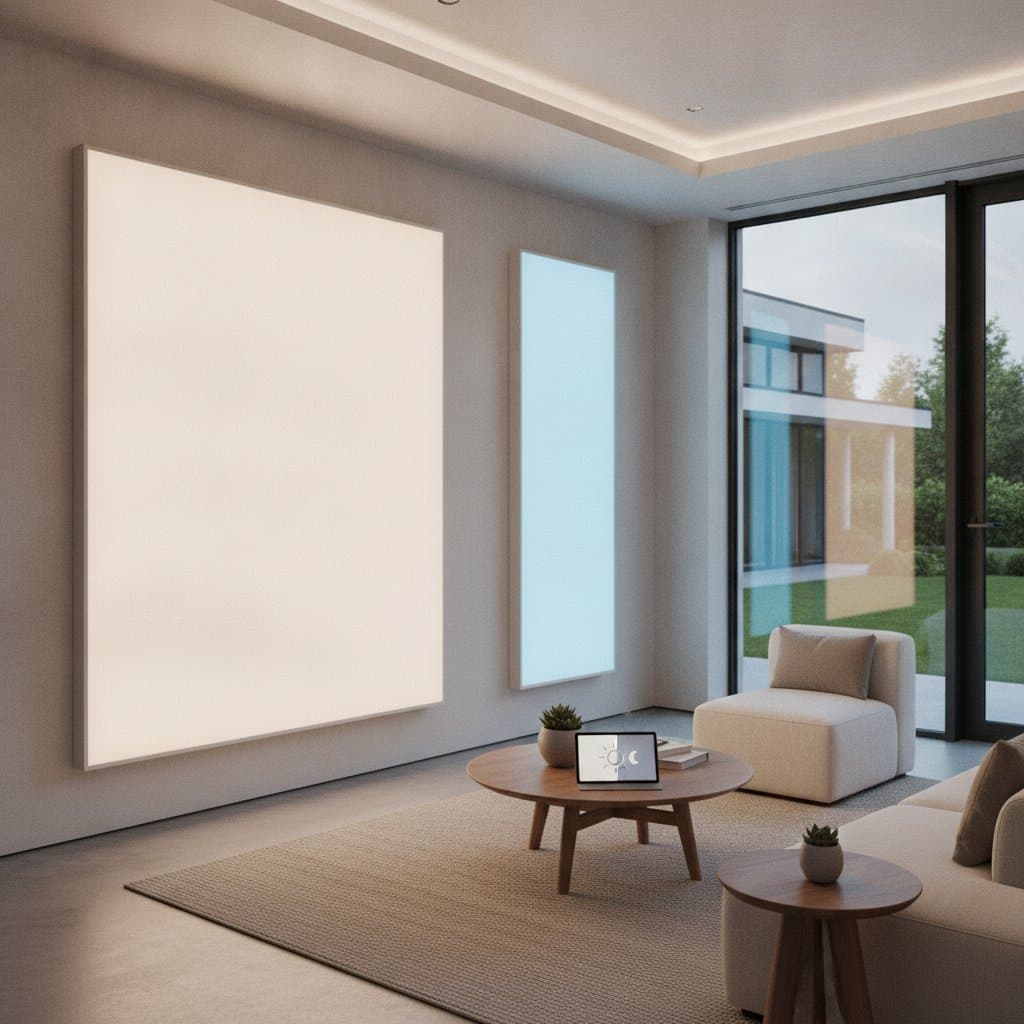
Smart glass represents an innovative solution for homeowners seeking to lower energy costs and enhance property value. This advanced material replaces traditional windows with panels that automatically adjust tint levels to manage heat and glare. Homeowners benefit from reduced utility expenses, improved indoor comfort, and an elevated aesthetic appeal that contributes to a modern living environment.
The technology operates through mechanisms such as electrochromic or thermochromic processes, which respond to electrical signals or temperature changes. By blocking excessive sunlight during peak hours, smart glass minimizes the need for air conditioning and artificial lighting. Studies indicate potential savings of up to 15 percent on energy bills, with payback periods often within three to five years depending on local climate and usage patterns.
Key Benefits of Smart Glass
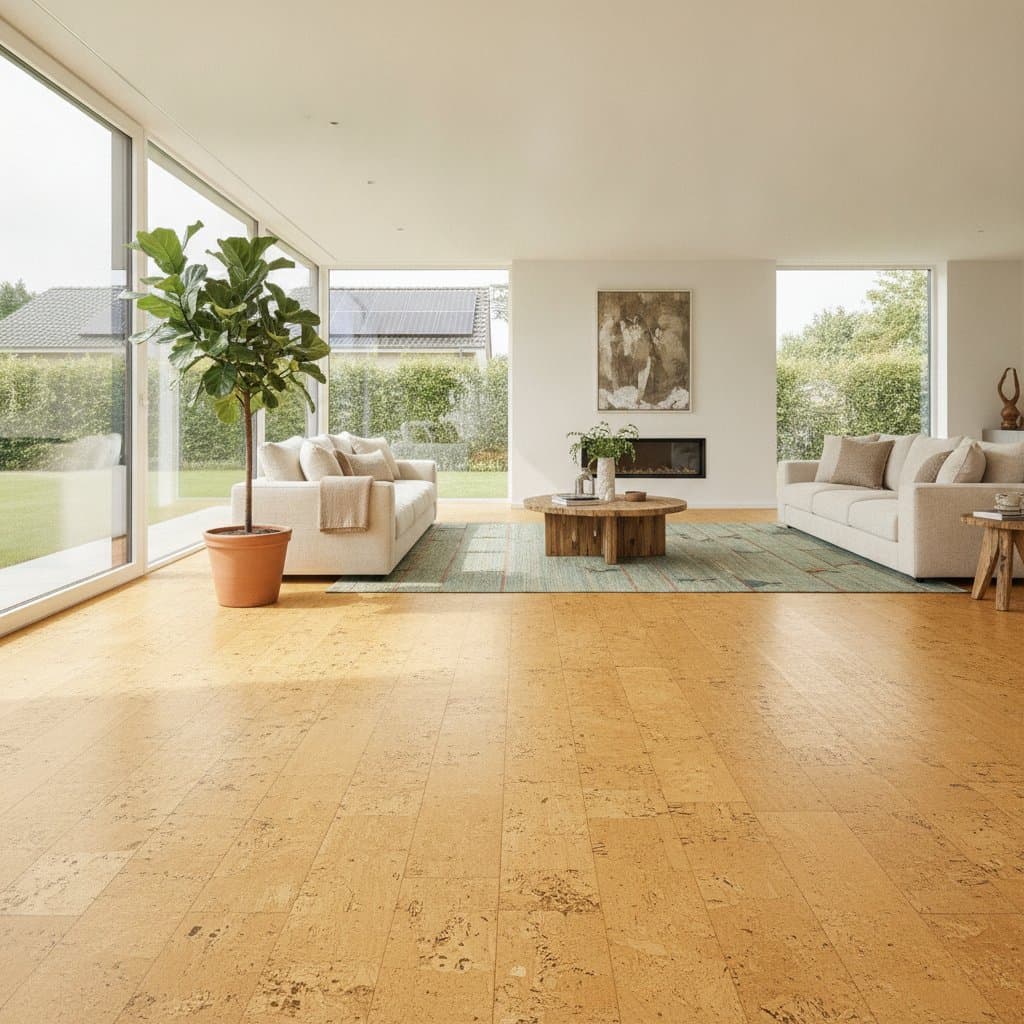
Implementing smart glass yields multiple advantages beyond immediate cost reductions. It enhances privacy by transitioning from transparent to opaque states without the need for blinds or curtains. Additionally, the material filters ultraviolet rays, preserving interior furnishings and flooring from fading.
From an environmental perspective, reduced energy consumption lowers the household carbon footprint. For resale purposes, properties equipped with smart glass appeal to buyers prioritizing energy efficiency and technological integration. Real estate experts note that such upgrades can increase market value by 5 to 10 percent in competitive housing markets.
Installation Process for Smart Glass Windows
Proper installation ensures optimal performance and longevity of smart glass systems. Begin by assessing the existing window frames for structural integrity. Repair any damage, such as rot or cracks, to provide a stable foundation for the new panels.
Next, take precise measurements of each window opening. Smart glass requires custom fabrication to fit seamlessly, avoiding gaps that could compromise insulation. Consult with manufacturers to select the appropriate type: electrochromic glass offers manual control via switches or apps, while thermochromic variants adjust automatically based on environmental conditions.
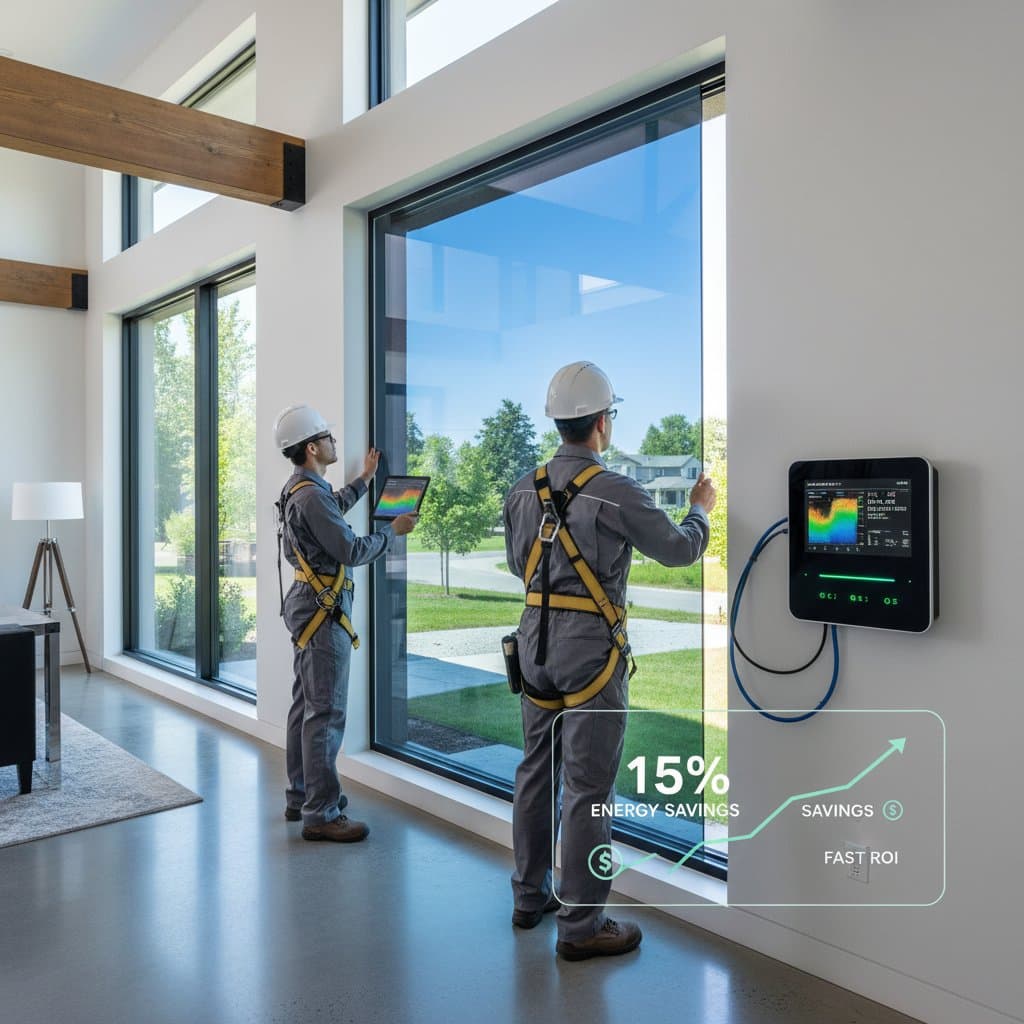
Obtain multiple quotes from certified installers, factoring in materials, labor, wiring, and any necessary controls. Professional installation typically involves removing old panes, integrating electrical components, and sealing the units to prevent moisture ingress. After completion, test the system thoroughly, verifying tint transitions, power functionality, and connectivity to smart home devices.
Finally, register all warranties for the glass, electrical systems, and controllers. This step protects against defects and ensures access to manufacturer support over the product's lifespan, which often exceeds 20 years with proper maintenance.
Factors Influencing Installation Costs
The expense of smart glass varies based on several elements. Electrochromic technology, which provides precise user control, commands a higher price than passive thermochromic options. Expect costs ranging from $50 to $150 per square foot, inclusive of materials and basic installation.
Larger or non-standard window shapes increase fabrication and labor demands. Homes requiring extensive electrical upgrades, such as new wiring runs, face additional charges for electrician services. Integration with automation features, including smartphone apps or voice assistants, adds to the total but enhances usability.
Budget-conscious homeowners may explore incentives like energy efficiency rebates from utility providers or tax credits under green building programs. These can offset initial outlays, accelerating the path to financial recovery.
Project Timeline and Preparation
A typical installation for a set of windows requires one to two days of on-site work. However, the full process, including design, custom manufacturing, and delivery, spans one to three weeks. Expedited timelines are possible for homes with accessible power sources and standard window dimensions.
Preparation involves clearing the work area and coordinating with installers to minimize disruption. Schedule during milder weather to avoid complications from extreme temperatures affecting adhesive seals or electrical testing.
Essential Tools and Materials
Gather the following items to support a smooth installation:
- Measuring tape for accurate dimensions
- Safety glasses and gloves to protect against glass shards and electrical hazards
- Screwdriver set for securing frames and components
- Silicone sealant and caulk gun for weatherproofing
- Electrical tester to verify connections
- Smart controller hub or compatible app for system management
- Ladder or scaffolding for accessing elevated windows
These tools ensure compliance with best practices and facilitate any minor adjustments during setup.
Safety Considerations and Building Codes
Safety remains paramount when installing smart glass, given its electrical components. Disconnect power sources before handling wiring to prevent shocks. Engage a licensed electrician for all permanent electrical integrations to meet safety standards.
Adhere to local building codes, particularly regarding window egress in bedrooms and basements. Certain areas mandate tempered or laminated glass for doors and stairwells to enhance impact resistance. Prioritize professional oversight to avoid voids in warranties or legal issues.
Smart glass functions as both a structural and electronic element, demanding meticulous attention to detail. Cutting corners risks system failure or compromised home security.
Comparing Smart Glass and Smart Film| Situation | Recommended Option | Rationale |
|-----------|--------------------|-----------|
| Homeownership with long-term plans | Full smart glass installation | Maximizes energy efficiency and aesthetic integration |
| Rental properties or temporary setups | Smart film application | Offers affordability and reversibility without permanent alterations |
| Primary need for privacy | Switchable smart film | Provides opacity at lower cost with adequate light control |
| Desire for advanced automation | Wired smart glass systems | Seamlessly connects to broader smart home ecosystems |Smart film presents a budget-friendly alternative at $25 to $50 per square foot installed. While it delivers comparable tinting and privacy, it provides inferior thermal insulation compared to full glass replacements.
Indicators for Professional Assistance
Monitor the system post-installation for optimal operation. Seek expert help if tinting fails to activate uniformly across the pane or if flickering occurs. Signs of internal issues include moisture accumulation between layers or unusual noises from control units, such as buzzing or overheating.
Professionals possess specialized tools to diagnose conductivity problems and replace defective components. Attempting self-repairs on sealed glass units can exacerbate damage and invalidate warranties.
Enduring Advantages of Smart Glass
Beyond initial savings, smart glass elevates daily living through superior comfort and design flexibility. It eliminates glare while maintaining natural light, reducing reliance on shades or blinds. Rooms stay cooler in summer and retain warmth in winter, easing the burden on heating, ventilation, and air conditioning systems.
The technology extends HVAC equipment lifespan by minimizing operational stress. Environmentally, it contributes to sustainability by curbing energy consumption and associated emissions. For prospective sellers, featuring smart glass in listings underscores a commitment to innovation, attracting discerning buyers.
Quantifiable returns include not only bill reductions but also enhanced property appeal in energy-conscious markets. Over a decade, cumulative savings often surpass installation costs several times over.
Expert Recommendations for Optimal Results
Evaluate sample panels in your home's lighting conditions prior to committing to a full order. Secure detailed warranty documentation to outline coverage for manufacturing defects and performance guarantees. Pair smart glass with complementary technologies, such as programmable thermostats, to amplify efficiency gains.
Position remote controls or app interfaces in high-traffic areas for convenient access. Organize window zones within the control software for intuitive management. Aesthetic integration involves concealing wiring behind trim or within wall channels, ensuring a seamless finish that complements existing decor.
Regular maintenance, including periodic cleaning with non-abrasive solutions, preserves clarity and functionality.
Frequently Asked Questions
Does smart glass function effectively at night?
The system primarily manages daylight-related issues like glare. For nighttime privacy, supplement with traditional curtains or opt for opaque-capable smart film variants.
Is integration with voice assistants like Alexa or Google Home possible?
Yes, most modern systems support connectivity via dedicated hubs or Wi-Fi modules, enabling hands-free operation.
To what extent does it block ultraviolet rays?
Advanced models block up to 99 percent of UV radiation, safeguarding interiors from sun damage.
Advancing Your Home with Smart Glass
Transitioning to smart glass involves a strategic investment in comfort and efficiency. Consult local specialists to tailor the solution to your property's needs. With careful planning, this upgrade delivers lasting value, transforming windows into intelligent assets that support sustainable, stylish living.