Smart Glass: Achieving 15 Percent Energy Savings and Increased Home Value in 2025
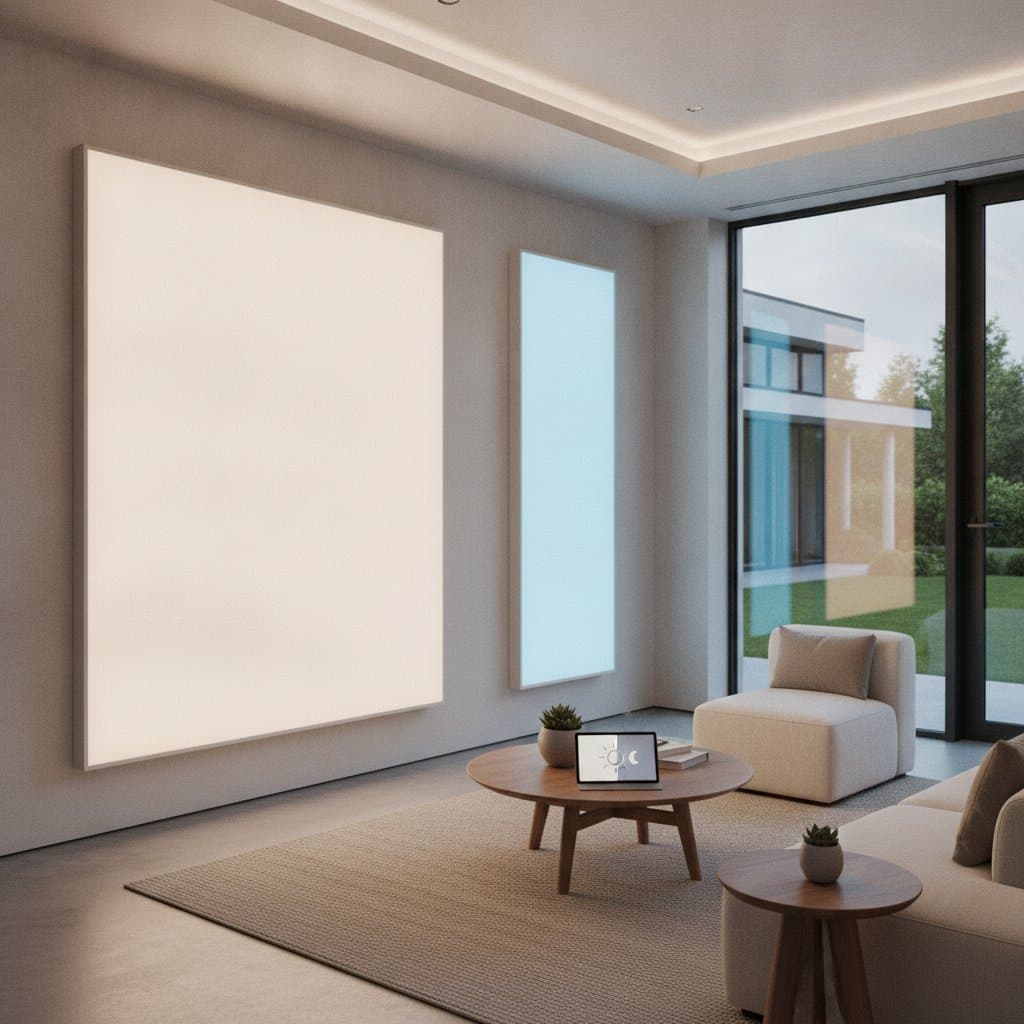
Smart glass technology enables reductions in energy bills by up to 15 percent while simultaneously increasing property value. This innovative material replaces traditional windows with panels that automatically adjust their tint levels. Such adjustments minimize heat loss during winter months, reduce glare in summer, and provide enhanced privacy and noise reduction throughout the year.
As one of the most rapidly expanding options for energy-efficient home improvements, smart glass offers a modern aesthetic and seamless automation. It integrates well into both new constructions and renovation projects. The following sections detail performance expectations, associated costs, and decision-making factors for potential installation in residential settings.
Mechanisms for Energy Bill Reduction
Heating and cooling account for approximately half of a typical household's energy consumption. Windows represent a primary vulnerability in this area. Smart glass addresses these issues through three key mechanisms.
- Minimizing solar heat gain. The glass darkens to block infrared radiation, thereby maintaining cooler indoor temperatures.
- Enhancing thermal insulation. Many units feature double or triple glazing, which limits heat transfer during colder seasons.
- Diminishing glare and ultraviolet exposure. This preserves the longevity of interior furnishings and stabilizes room temperatures.
Through these natural temperature regulation methods, heating, ventilation, and air conditioning systems operate less frequently. Homeowners typically observe energy cost decreases ranging from 10 to 15 percent after system optimization.
Detailed Cost Analysis
Investing in smart glass yields returns via energy conservation and elevated resale prices. Costs fluctuate based on geographic location and specific glass varieties.
| Component | Typical Cost Range | Influencing Factors |
|---|---|---|
| Smart glass material | $35 - $100 per square foot | Glass type, manufacturer, and tint control mechanism |
| Installation labor | $40 - $75 per square foot | Required frame modifications, electrical integration, and window dimensions |
| Smart controls or app integration | $300 - $1,000 per home | Compatibility with existing home automation systems |
| Maintenance and cleaning | Minimal annual expense | Routine glass maintenance and sensor inspections |
Overall project estimate: $1,000 to $10,000 for average residences. Expansive or high-end installations may surpass $25,000.
Expenses decrease when incorporating smart glass into new builds that already include double-pane replacements. Retrofitting existing structures incurs modestly higher fees due to necessary electrical modifications and sealing procedures.
Factors increasing costs: Oversized panels, non-standard shapes, or advanced automation features.
Factors decreasing costs: Volume purchases, standard rectangular designs, and compatible existing frames.
Evaluating DIY and Professional Installation Options
Consider DIY installation when:
- Replacing compact interior panels or a solitary window using adhesive smart film.
- Possessing relevant electrical knowledge and appropriate tools.
Opt for professional installation when:
- Addressing exterior windows or expansive surfaces.
- Local regulations mandate electrical permits.
- Seeking comprehensive warranty protection.
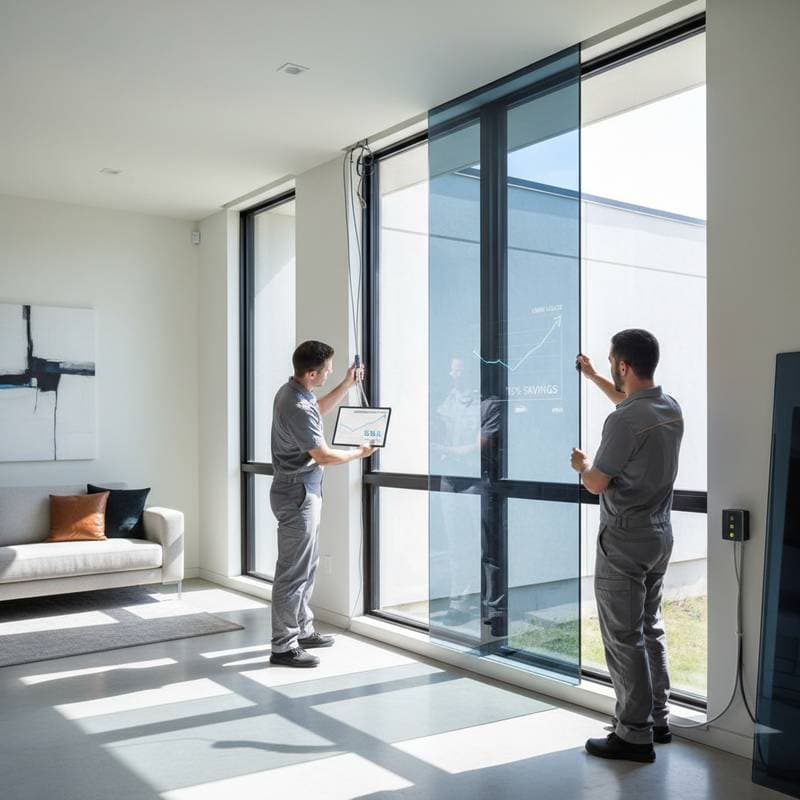
Professionals guarantee secure seals, precise wiring, and adherence to building codes. Manufacturer warranties frequently stipulate certified workmanship. Experts can also synchronize the system with current smart home ecosystems.
Adapting to Regional Climates and Conditions
Smart glass delivers optimal results in areas characterized by significant temperature variations or intense solar exposure.
In hot climates: Select variants with superior solar heat rejection capabilities.
In cold climates: Focus on high insulation ratings and low-emissivity coatings.
In coastal or humid environments: Employ frames resistant to corrosion.
In snowy regions: Verify that power sources and sensors withstand harsh weather.
Certain municipalities classify wired smart glass as electrical installations, potentially requiring permits. Consult local building authorities prior to commencing work.
Ensuring Safety and Regulatory Compliance
Although smart glass employs low-voltage wiring, connections to main household electricity demand caution. Disconnect power circuits before any intervention. Refrain from unauthorized wire splicing or extensions without proper enclosures.
Adhere strictly to manufacturer guidelines for spacing and sealing to avert moisture infiltration. In regions prone to hurricanes or wildfires, confirm that the glass satisfies applicable impact resistance or fire safety standards.
Post-installation, avoid penetrating frames with tools, as this risks invalidating warranties and compromising seals.
Contributions to Environmental Sustainability
Smart glass advances eco-friendly practices by diminishing energy consumption and associated greenhouse gas emissions. Each square foot installed can conserve several kilowatt-hours over its service life.
In contrast to fixed tints, this technology activates adjustments solely as required, optimizing natural daylight and reducing dependence on electric lighting. Certain configurations link directly to solar energy systems, enabling net-zero operations.
Existing glass panels often qualify for recycling. Qualified installers can transport them to approved facilities, thereby minimizing contributions to landfills.
Identifying When Professional Service Is Essential
Engage a specialist if observing:
- Moisture accumulation between glass layers.
- Uneven tint transitions across panels.
- Non-responsive wiring or sensor components.
- Intentions to interface with a centralized home automation network.
Trained technicians diagnose issues such as voltage irregularities, malfunctioning power units, or seal failures. Early detection typically resolves problems with minimal disruption.
Essential Strategies for Optimal Performance
- Incorporate wiring during initial planning. Install low-voltage conduits prior to enclosing interior walls.
- Maintain cleanliness with care. Apply mild soap solutions and soft fabrics; steer clear of ammonia-based products.
- Apply software updates regularly. Firmware enhancements refine response times and efficiency.
- Evaluate performance across seasons. Fine-tune configurations for peak summer and winter conditions.
- Safeguard control components. Position them away from moisture and direct sunlight.
Implementing these practices ensures long-term reliability and effectiveness.
Steps to Implement Your Upgrade
Transitioning to smart glass provides tangible reductions in expenses and enhancements in living quality. The technology recoups its value through sustained energy efficiency, superior thermal comfort, and contemporary design elements.
For properties featuring extensive glazing or substantial sunlight penetration, solicit estimates from accredited contractors. Evaluate various glass compositions and control interfaces. Inquire about warranty terms and certified energy efficiency metrics.
Following installation, daily benefits become evident: moderated room temperatures, equilibrated illumination, and reduced energy demands—all achieved effortlessly. This investment benefits both financial objectives and broader environmental stewardship.
Frequently Asked Questions
What defines smart glass?
Smart glass constitutes a window technology that dynamically alters its opacity to manage heat, light transmission, and privacy levels.
What are the costs associated with smart glass?
Anticipate $35 to $100 per square foot for materials, plus installation fees, varying by specifications and enhancements.
Is self-installation of smart glass feasible?
Small-scale film applications permit DIY efforts, whereas complete window overhauls necessitate expert involvement.
Does smart glass require electrical power?
Electrochromic and suspended particle devices rely on low-voltage electricity, whereas thermochromic and photochromic alternatives operate independently.
Does smart glass function effectively in cold weather?
Affirmative; units designed for such conditions retain insulation efficacy in subfreezing temperatures.