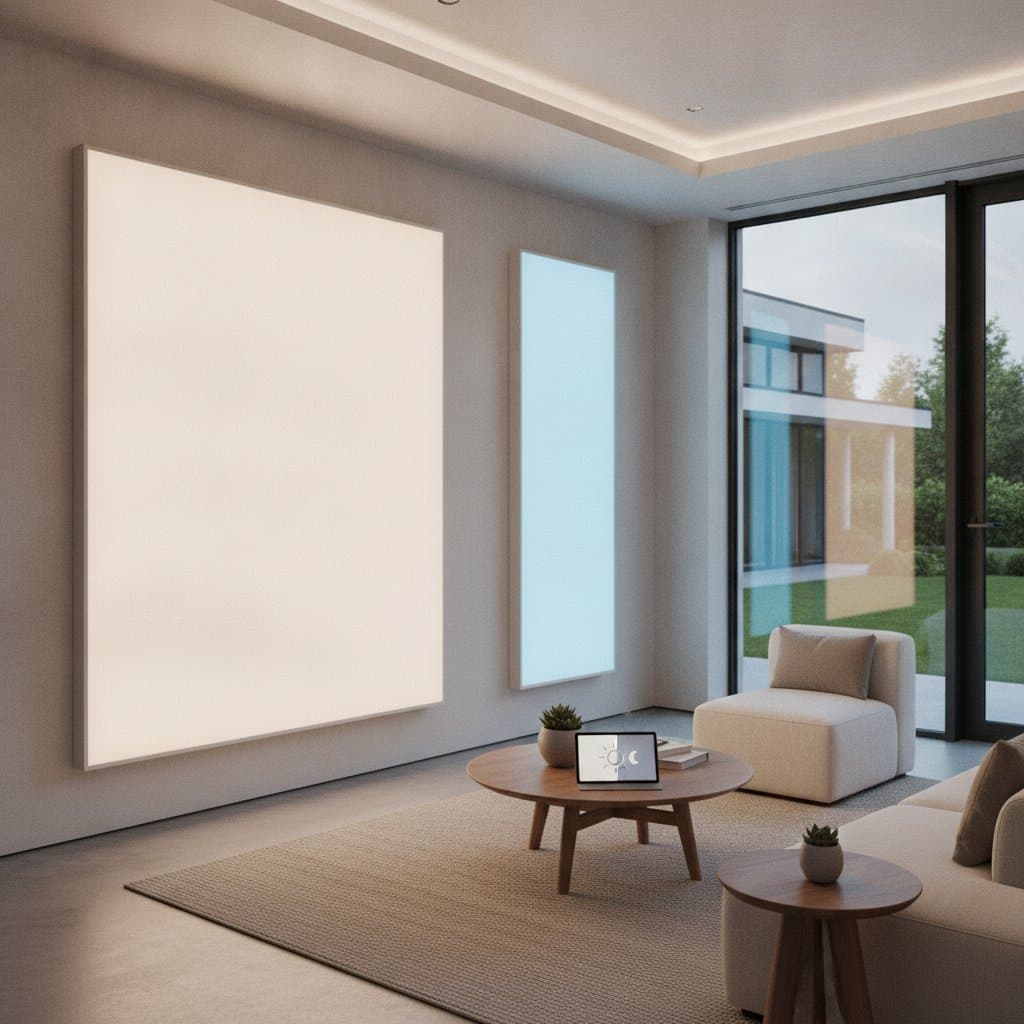
Understanding Smart Glass and Its Energy-Saving Potential
Smart glass, often referred to as switchable or dynamic glass, represents a cutting-edge solution for modern homes. This technology allows windows to automatically adjust their tint in response to changes in light or temperature, effectively managing heat gain and glare without the need for traditional blinds or shades. Homeowners seeking to minimize energy consumption while maintaining a sleek, unobtrusive appearance find smart glass particularly appealing. By integrating this innovation, individuals can achieve significant reductions in heating and cooling demands, leading to annual energy bill savings of up to 15%.
The mechanism behind smart glass involves embedded materials that alter opacity or transparency on demand. In sunny conditions, the glass darkens to block excess heat, reducing the workload on air conditioning systems. During cooler periods, it clears to permit natural light and warmth, easing the burden on heating units. This adaptive quality not only conserves energy but also enhances indoor comfort by minimizing harsh glare and ultraviolet exposure. As energy costs continue to rise, adopting smart glass positions homeowners at the forefront of sustainable living practices.
Breaking Down Installation Costs
The financial investment in smart glass varies based on several factors, with national averages ranging from $80 to $150 per square foot for complete installation. For a typical residential project, costs often settle between $90 and $120 per square foot, influenced by the dimensions of the windows and the complexity of integrated controls. Premium configurations, such as those featuring advanced automation or expansive glass surfaces, may escalate to $200 per square foot or more.
Key elements that determine the overall expense include the specific smart glass technology selected, the scale and quantity of panes required, and any necessary smart home integrations. Electrical wiring and control systems add to the budget, as does the prevailing local labor rates. For instance, a standard three-bedroom home with 20 windows might incur total costs between $18,000 and $30,000, depending on customization levels. Homeowners benefit from obtaining multiple quotes to compare options and identify potential savings through bulk installations or promotional rebates.
Weighing the Advantages and Drawbacks
Smart glass offers compelling benefits that extend beyond mere energy efficiency. It significantly reduces heat transfer through windows, which in turn decreases reliance on heating, ventilation, and air conditioning systems. This leads to lower utility expenses and prolonged equipment life. Additionally, the technology provides superior glare control, creating a more comfortable living environment throughout the day. The elimination of bulky window treatments contributes to a cleaner, more contemporary aesthetic while enhancing privacy options at the touch of a button.
Potential incentives further sweeten the deal, as many regions offer rebates for energy-efficient upgrades. However, the initial investment exceeds that of conventional glass, presenting a barrier for budget-conscious buyers. Electrical connectivity is essential, requiring professional setup to ensure safety and functionality. Repairs, should they arise, tend to be expensive due to specialized components. Availability of skilled installers may be limited in rural or less urbanized areas, and system failures could necessitate full panel replacements, underscoring the importance of robust warranties.
Exploring Types of Smart Glass Technologies
Selecting the right type of smart glass depends on specific home needs and existing infrastructure. Electrochromic glass stands out for its precision, altering tint levels via applied voltage for optimal control over light and heat. This variety excels in applications requiring consistent energy savings across various window sizes.
Thermochromic options operate passively, responding directly to temperature fluctuations without external power sources. Such systems suit environments where simplicity and low maintenance are priorities, though they offer less user customization. Photochromic glass, meanwhile, reacts to ultraviolet light from the sun, making it ideal for overhead elements like skylights or expansive glass facades that face direct exposure.
For projects demanding rapid adjustments, suspended particle devices provide swift transitions by aligning microscopic particles within the glass. This technology proves especially effective in large-scale installations or homes integrated with advanced automation systems, ensuring seamless operation with voice commands or app controls.
Deciding Between DIY and Professional Installation
While the allure of cost savings tempts some toward do-it-yourself approaches, smart glass installation demands expertise in electrical work, precise sealing, and system calibration. The process carries high difficulty, typically spanning four to eight hours per window, and requires tools such as electrical testers, sealants, and safety equipment. Risks include moisture infiltration leading to mold or electrical shorts that compromise home safety.
Professional involvement remains the recommended path for most, particularly given the need for compliance with building codes. Licensed installers experienced in glazing and smart systems ensure durable results and preserve manufacturer warranties. In rare cases, DIY suits minor projects involving pre-wired, small-scale panels, but even then, consulting an electrician is advisable to mitigate hazards.
Essential Steps for Smart Glass Installation
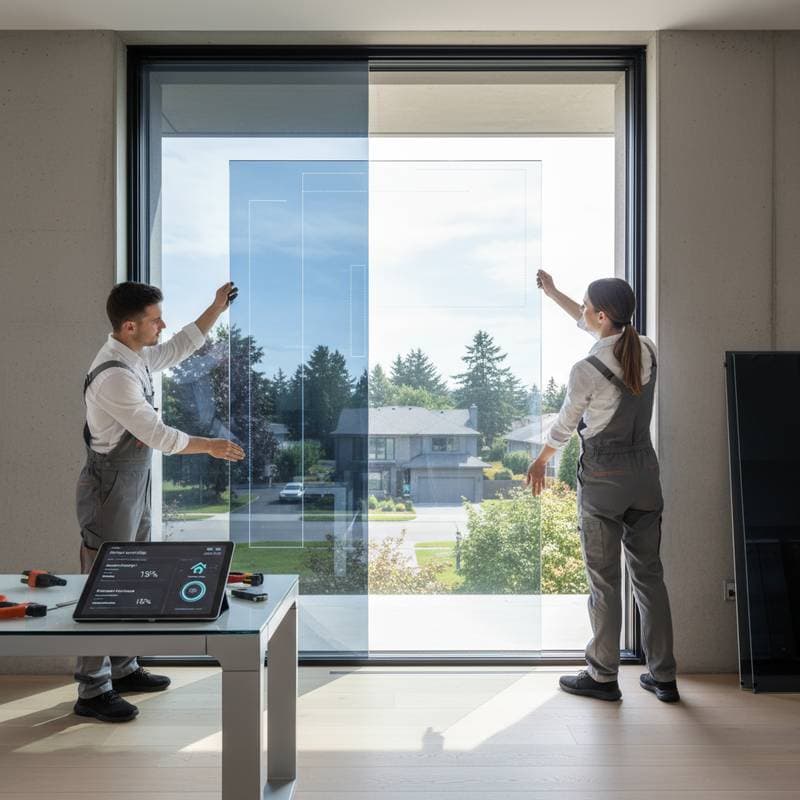
Proper installation begins with accurate measurements of window openings to guarantee a seamless fit. Existing glass or sashes must then be carefully removed to avoid damage to surrounding structures.
Next, prepare dedicated channels for wiring and secure a reliable power source nearby. The smart glass panel installs into the frame, with edges sealed meticulously to prevent leaks. Connections to control units or switches follow, enabling the tinting functionality.
Testing verifies responsive tint changes under simulated conditions. Finishing touches involve applying trim, cleaning surfaces, and programming automated settings for daily use. A final inspection checks for any gaps or potential moisture entry points, ensuring long-term performance.
Ensuring Longevity Through Maintenance
With diligent care, smart glass endures for 20 to 30 years, outlasting many traditional window solutions. Routine cleaning using mild soap and water preserves clarity without damaging sensitive coatings; harsh chemicals like ammonia should be avoided.
Annual inspections of seals help detect early signs of wear, preventing water damage. If tint response diminishes, control units may require replacement, a straightforward task under warranty. Manufacturers typically provide coverage for five to ten years on electronic components and the glass itself, offering peace of mind for investors.
Considering Alternative Energy-Efficient Options
For those hesitant about smart glass, low-emissivity (Low-E) glass provides a more affordable path to improved insulation, blocking heat without dynamic tinting capabilities. Window films offer a budget-friendly, temporary enhancement, though their durability is limited to a few years and application demands care to avoid bubbling.
Smart shades deliver comparable energy benefits through motorized adjustments, presenting a less invasive alternative to full window replacement. Fixed tinted glass imparts a permanent hue for glare reduction but lacks the adaptability of switchable technologies. Each option balances cost, convenience, and performance differently, allowing tailored choices based on household priorities.
Accounting for Regional Influences
The effectiveness of smart glass varies by locale, with hot climates reaping substantial cooling savings by mitigating solar heat buildup. In colder areas, the technology aids winter heating by maximizing passive solar gain during daylight hours.
Coastal regions necessitate corrosion-resistant materials to withstand salty air, while urban settings may involve additional permits for electrical modifications. Labor expenses fluctuate, often higher in metropolitan zones due to demand and expertise availability. Homeowners should research local incentives, such as tax credits, to offset costs and maximize returns.
Calculating Return on Investment and Home Value Impact
The payback period for smart glass typically spans five to ten years, driven by reduced utility bills and decreased HVAC maintenance needs. For a household spending $2,000 annually on energy, a 15% reduction translates to $300 in yearly savings, accelerating financial recovery.
Beyond economics, this upgrade elevates property appeal, with appraisers recognizing it as a desirable feature in eco-conscious markets. Enhanced efficiency and modern design can boost resale value by 5% or more, particularly in regions prioritizing sustainability.
Prioritizing Safety in Implementation
Safety protocols are paramount during installation and operation. Always disconnect power sources before handling wiring to prevent shocks. Opt for tempered or laminated variants in high-traffic areas to reduce injury risks from breakage.
Ensure all electrical modifications align with local codes, enlisting certified professionals for integrations with home automation. Regular checks on system integrity maintain safe, reliable performance over time.
Taking the Next Steps Toward Efficiency
Begin your journey by piloting smart glass in a single high-impact room, such as a sunroom or living area, to evaluate real-world benefits. Solicit detailed quotes from at least three reputable installers, scrutinizing warranties and post-installation support.
Verify compatibility with your home's electrical setup and explore financing options if needed. This strategic upgrade not only trims energy expenses by up to 15% but also fosters a more comfortable, resilient living environment for years to come.