Moody Paint Colors Accelerate Home Sales by 10%
Homes with dark, moody interiors sell approximately 10% faster than those with neutral finishes. The average cost to repaint key rooms ranges from $1,200 to $3,800.
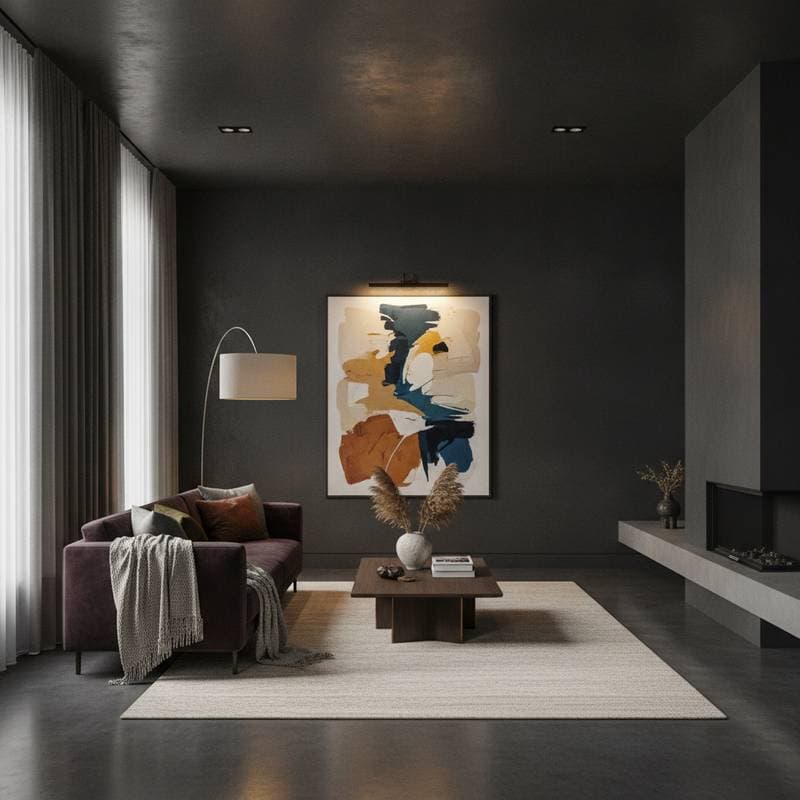
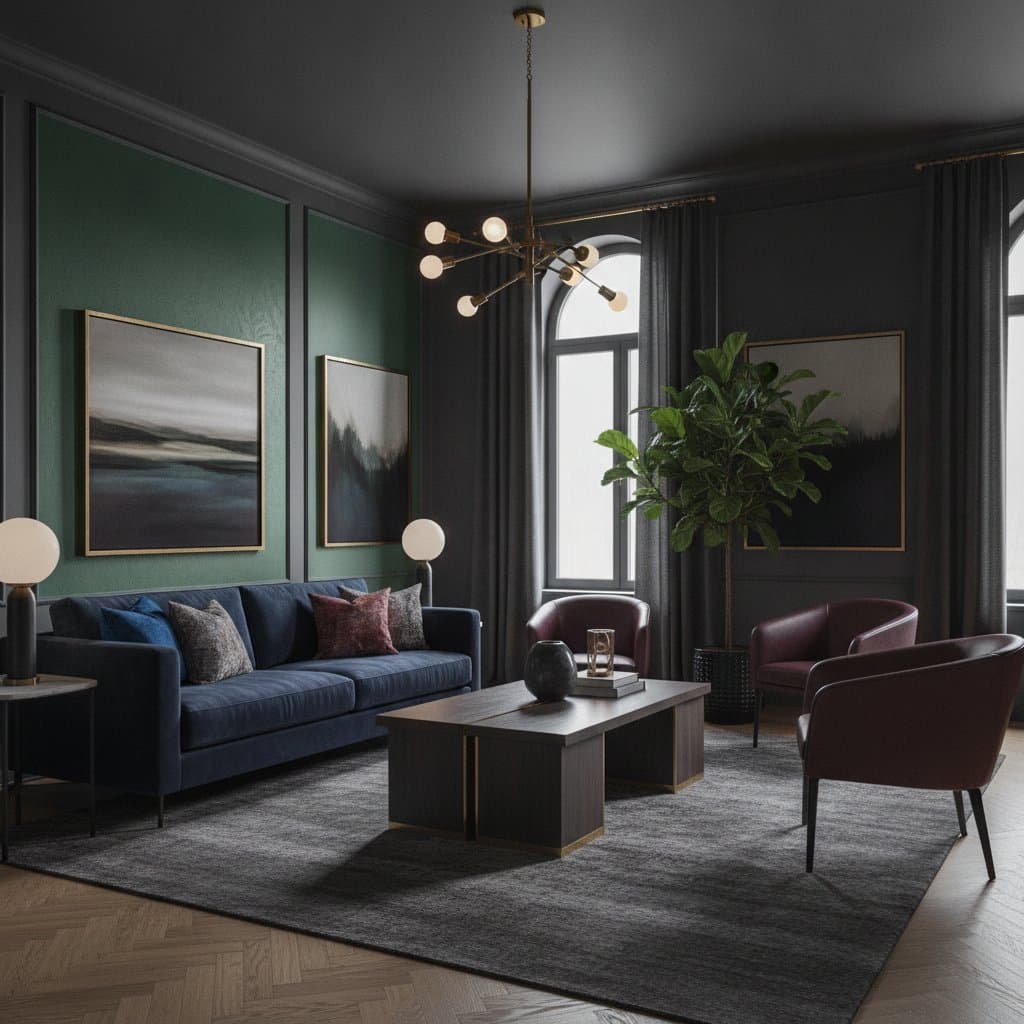
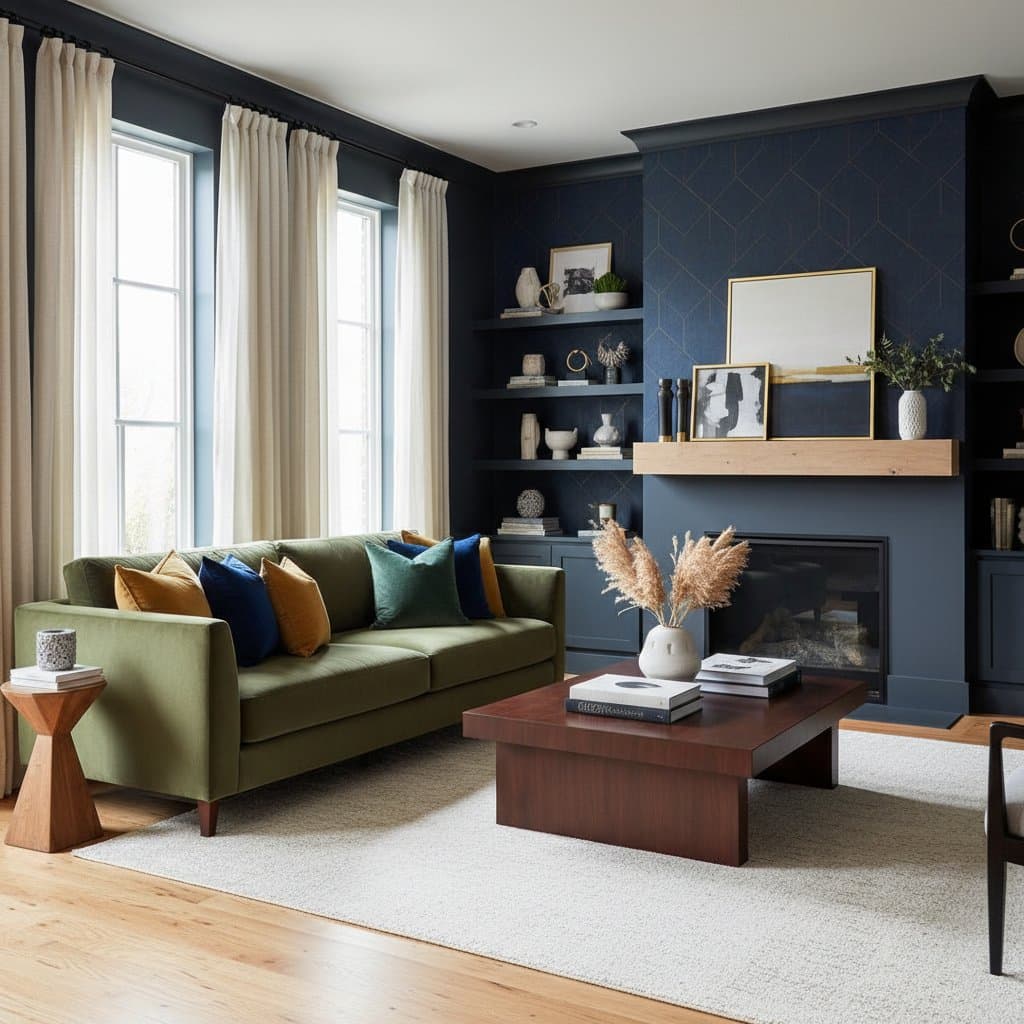
Buyers increasingly prefer spaces with depth and drama. Deep charcoal walls, inky navy accents, and muted forest greens supplant traditional plain whites. When applied thoughtfully, moody paint establishes contrast, accentuates architectural textures, and conveys a sense of intentional design rather than temporary staging.
Factors Influencing Repainting Costs
Paint Quality
Premium paints with rich pigments cost between $40 and $90 per gallon and resist streaking effectively. Darker shades demand high-quality bases to achieve even coverage without patchiness. Lower-quality options frequently necessitate additional coats, which increase both time and labor expenses.
Surface Preparation
Thorough preparation, including sanding, patching, and priming, proves essential for dark colors. Professionals charge $1 to $2 per square foot for this process. Glossy or damaged surfaces require a bonding primer to prevent peeling or visible imperfections; neglecting this step compromises the final result.
Labor Expenses
Professional painters bill $3 to $6 per square foot, influenced by wall height and access challenges. Accent walls or intricate trim work can elevate costs by 15 to 25 percent. Experienced crews ensure precision, particularly important for dark tones that reveal every imperfection.
Room Dimensions and Ceiling Heights
Larger rooms or open-plan areas extend project duration. A standard 12-by-12-foot room requires about two gallons of paint, though darker hues may demand double that quantity for complete saturation and depth.
Additional Supplies and Disposal
Account for drop cloths, painter's tape, brushes, and cleanup materials, which add $50 to $100 to the total. Hiring professionals often includes disposal fees for waste, ensuring compliance with local regulations.
DIY Versus Professional Painting
Ideal Scenarios for DIY
Opt for a do-it-yourself approach if basic tools are available and a steady hand ensures clean application. Smooth, accessible walls simplify the task. Proper ventilation and safe cleanup practices remain critical.
DIY expenses typically total $200 to $600 for paint and supplies. Allocate two to three days for completing two rooms, allowing ample drying time between coats.
When to Engage Professionals
Select hired experts for high ceilings, wall repairs, or projects demanding seamless edges and color transitions. Time constraints or inadequate safety equipment for ladders and sanding also favor professionals.
Professional teams provide superior speed and finish quality, minimizing visible brush marks in dark applications.
Essential Safety Gear:
- N95 mask to protect against sanding dust
- Gloves and goggles during priming and cleanup
- Sturdy ladder suitable for indoor painting
- Fans or open windows to maintain ventilation
Considerations for Permits:
Painting interiors seldom requires permits. However, relocating electrical outlets or installing lighting to accentuate dark walls may trigger local code requirements; consult authorities as needed.
Long-Term Maintenance and Warranties
Moody colors endure well with annual cleaning using mild soap and water. Harsh scrubbing risks dulling matte surfaces, so gentle methods preserve vibrancy.
Manufacturers offer warranties of five to ten years against fading or peeling when applied over primed surfaces. To maximize longevity:
- Maintain balanced humidity levels to avoid bubbling.
- Repair chips promptly to prevent expansion.
- Refresh trim coatings every three to four years for sharp contrast.
Dark paints conceal scuffs more effectively than light shades but accumulate dust visibly. Regular wiping of walls and baseboards keeps spaces pristine.
Steps to Implement Moody Paint Successfully
1. Sample and Evaluate Colors
Create sample boards measuring at least two by two feet. Observe them under morning and evening light conditions, as dark shades alter appearance with natural illumination.
2. Prioritize Thorough Preparation
Clean surfaces, fill imperfections, and sand lightly. Apply a tinted primer matching the intended color to reduce the number of topcoats and enhance depth.
3. Apply Paint Methodically
Begin at ceiling edges and proceed with rolling from top to bottom. Maintain a wet edge throughout to eliminate lap marks and ensure uniformity.
4. Optimize Lighting Post-Painting
Replace cool-toned bulbs with warm alternatives. Dark paints absorb light, so warmer illumination fosters an inviting atmosphere without overwhelming the space.
Practical Actions to Take Now
Determine the project scope, whether a single accent wall or a full-room overhaul. Establish a budget of $1,200 to $3,800, which accommodates most residential needs. Assemble necessary items, including primer, rollers, drop cloths, and safety equipment. Time the work to coincide with dry weather for optimal curing. Capture professional photographs under favorable lighting to elevate listing presentations.
Moody paint transcends fleeting trends. It offers a swift, cost-effective method to transform a home's ambiance and enhance its market position.