Introduction to Hidden Pantries
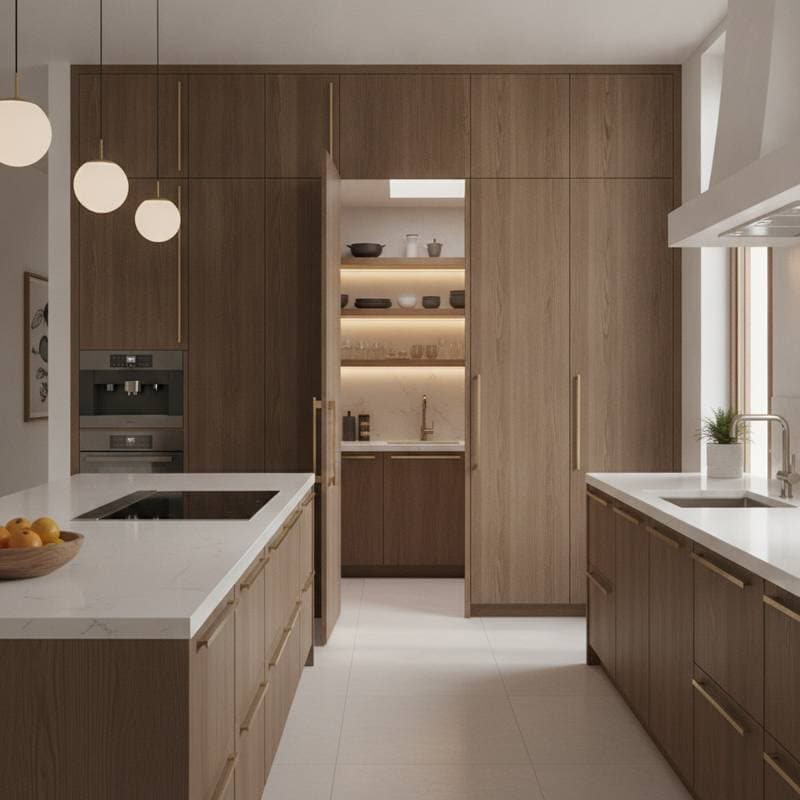
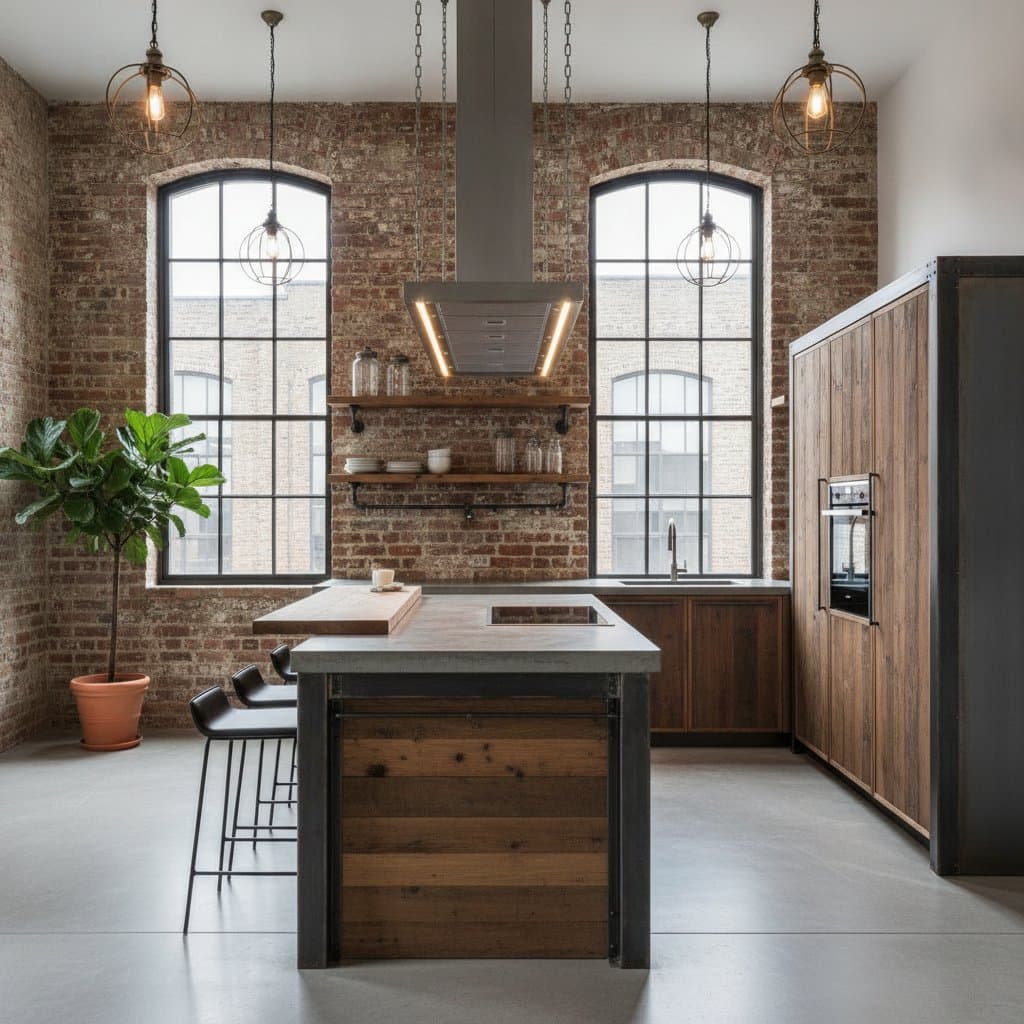
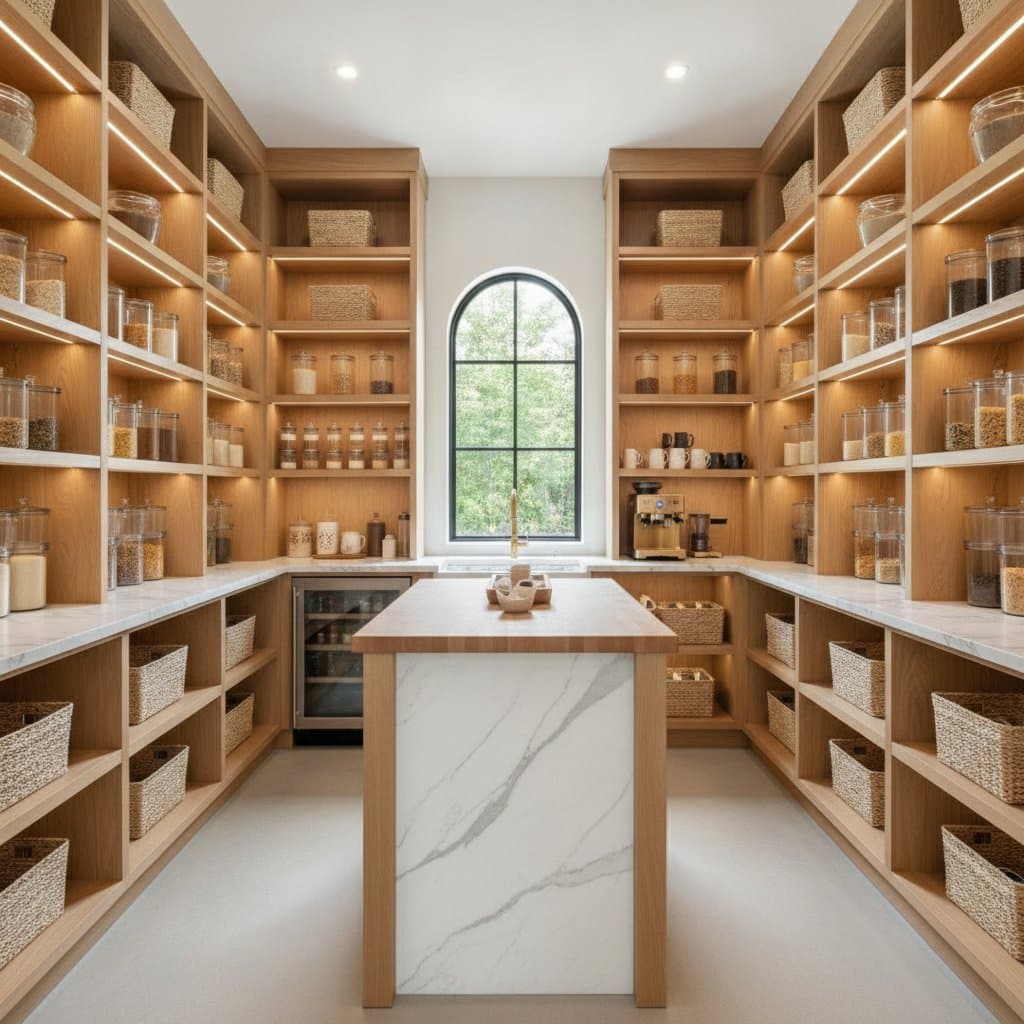
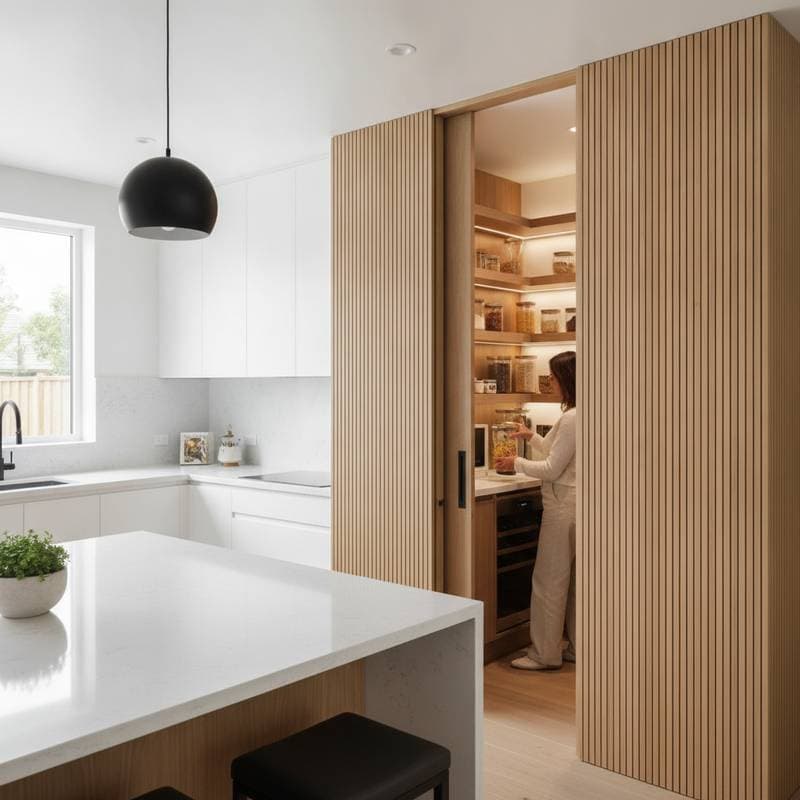
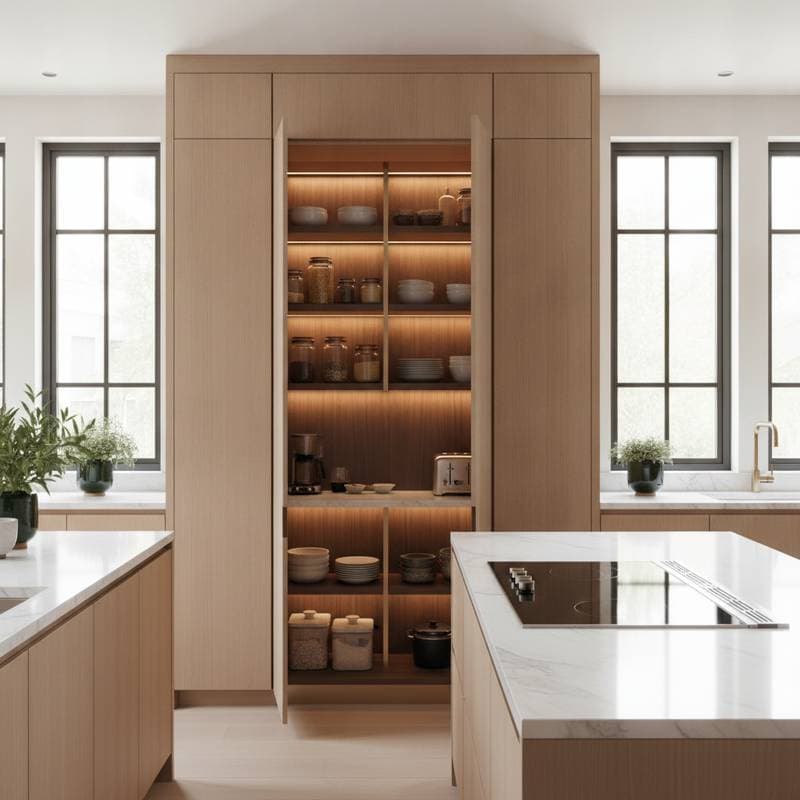
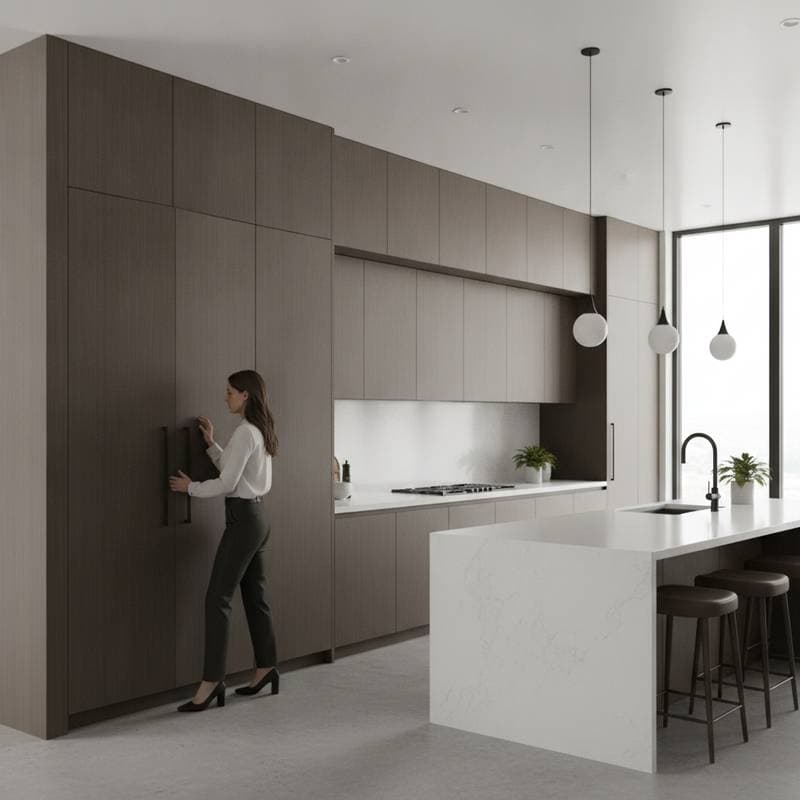
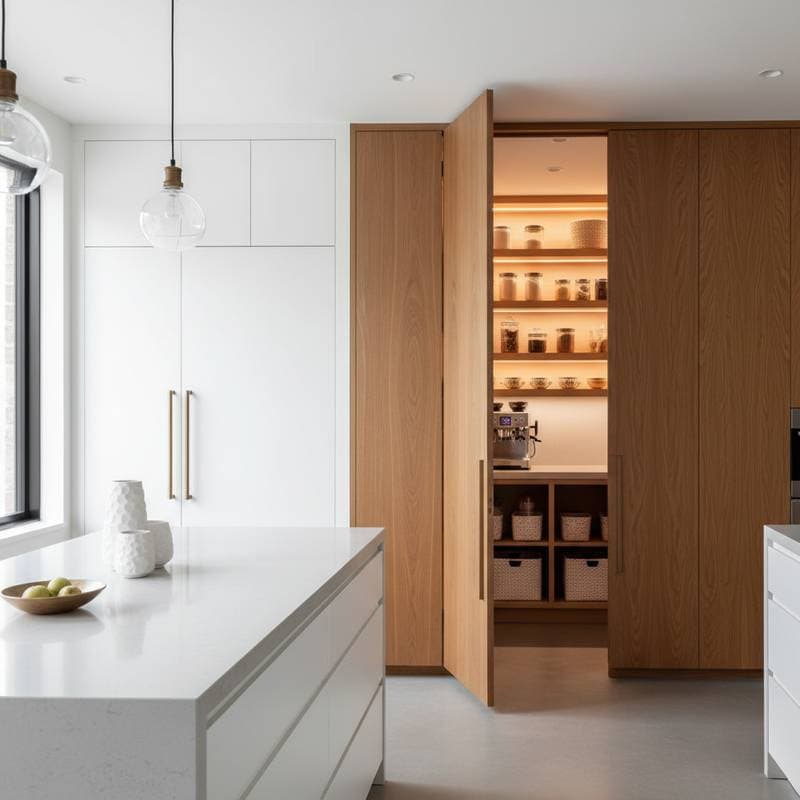
Hidden pantries represent a smart evolution in kitchen design, offering concealed storage that maintains a sleek, uncluttered appearance. These spaces typically feature a camouflaged door or sliding wall that blends seamlessly with surrounding cabinetry or walls. By tucking away bulk items, appliances, and pantry essentials, they create an illusion of expansive openness in even the smallest kitchens.
Homeowners appreciate the dual benefits of functionality and aesthetics. In 2025, real estate trends emphasize minimalist designs that prioritize calm and efficiency. A well-executed hidden pantry not only streamlines daily routines but also positions the property as a premium offering in competitive markets.
The investment proves worthwhile, with average construction costs around $8,000 yielding potential resale increases of $15,000 or higher. This return stems from buyer demand for innovative storage solutions that enhance perceived luxury without sacrificing usability.
Breaking Down the Costs
Understanding the financial aspects helps in planning a hidden pantry project effectively. Costs vary based on size, materials, and complexity, but a standard 4-by-6-foot installation provides a reliable benchmark.
1. Materials
Core components include framing lumber, drywall, and insulation, totaling $1,500 to $3,000. Shelving systems made from plywood or wire racks add $500 to $1,200, depending on adjustability and load capacity.
2. Doors and Hardware
The hidden element relies on specialized entry mechanisms. Pocket doors begin at $800, offering a space-saving slide into the wall. For a more seamless look, motorized flush doors that align perfectly with the wall surface exceed $2,500, including automation features for touchless operation.
3. Cabinetry and Finishes
Custom fronts to match existing kitchen elements cost $1,000 to $2,500. High-end options incorporate soft-close hinges and pull-out drawers for organized access to deeper storage.
4. Labor
Skilled finish carpenters and installers bill $75 to $150 per hour. Rates increase with requirements for plumbing or electrical modifications behind walls, often adding several hours to the timeline.
5. Permits and Design
Local regulations may necessitate permits costing $150 to $400, particularly if structural changes involve wall alterations or wiring adjustments. Professional design consultations for custom layouts range from $500 to $1,200, ensuring optimal space utilization.
Allocate an additional 10 to 15 percent of the budget for unforeseen issues in older homes, such as uneven subfloors or concealed utilities that demand rerouting.
DIY Options Versus Professional Installation
Deciding between self-installation and hiring experts depends on the project's scope and your skill level. Each approach carries distinct advantages in terms of cost control and quality outcomes.
Pursue DIY For:
- Installations that leverage existing wall spaces or simple shelving additions.
- Projects free from electrical, plumbing, or structural demands.
- Situations where basic tools like saws, levels, and stud finders suffice for execution.
DIY efforts can reduce expenses by 30 to 50 percent, ideal for straightforward conversions of underutilized areas.
Opt for Professionals When:
- Constructing new walls or modifying load-bearing elements.
- Incorporating electrical outlets, lighting, or HVAC integrations.
- Achieving precise alignment between the entry door and adjacent cabinetry.
Misaligned doors compromise the hidden effect, leading to visible gaps or operational issues. Engage a licensed carpenter for designs requiring exact tolerances or premium finishes to guarantee durability and aesthetics.
Project Timeline and Cost-Saving Strategies
Hidden pantry installations typically span 3 to 6 weeks, encompassing design approvals, material procurement, and final detailing. Custom cabinet faces and unique hardware often cause the longest waits, so early ordering proves essential.
To optimize efficiency and expenses:
- Schedule during winter months, when cabinet fabricators and remodelers face lighter workloads and faster turnaround.
- Avoid spring, as heightened remodeling activity drives up material prices and extends lead times.
Integrating the pantry with broader kitchen refreshes, such as cabinet refinishing or flooring replacement, consolidates labor and yields savings of 10 to 20 percent. While energy rebates seldom apply directly to pantries, installing LED strip lighting inside can lower energy use and occasionally qualify for local utility incentives.
The Value Proposition of Hidden Pantries
Prospective buyers perceive hidden pantries as indicators of intentional, high-quality design. These features elevate kitchen functionality while fostering a serene visual environment, key factors in today's discerning real estate landscape.
Real estate professionals note that properties with integrated concealed storage often command offers 3 to 5 percent above comparable listings, particularly in middle- to upper-tier segments. The allure resides in the understated elegance: a pristine kitchen facade free of visible disarray, coupled with discreet access to ample storage for bulk provisions and small appliances.
Beyond resale, owners enjoy immediate lifestyle improvements. Meal preparation becomes more efficient, and the overall home feels more organized and inviting.
Steps to Implement Your Hidden Pantry
Embark on this upgrade with a structured approach to ensure success.
- Assess available space by measuring at least 2 feet of depth adjacent to or behind kitchen walls suitable for shelving.
- Draft a preliminary layout, choosing between a faux cabinet entrance or a fully flush wall integration.
- Solicit detailed quotes from contractors, requesting breakdowns for labor, materials, and any permit fees.
- Procure specialty items like doors and hardware ahead of time to mitigate delivery delays.
- Select compatible finishes, such as paints or veneers, to harmonize with existing cabinetry prior to assembly.
Prioritizing a hidden pantry among annual home improvements delivers lasting enhancements to comfort and market appeal.