Unlock 14 Percent More Kitchen Value with Hidden Pantries
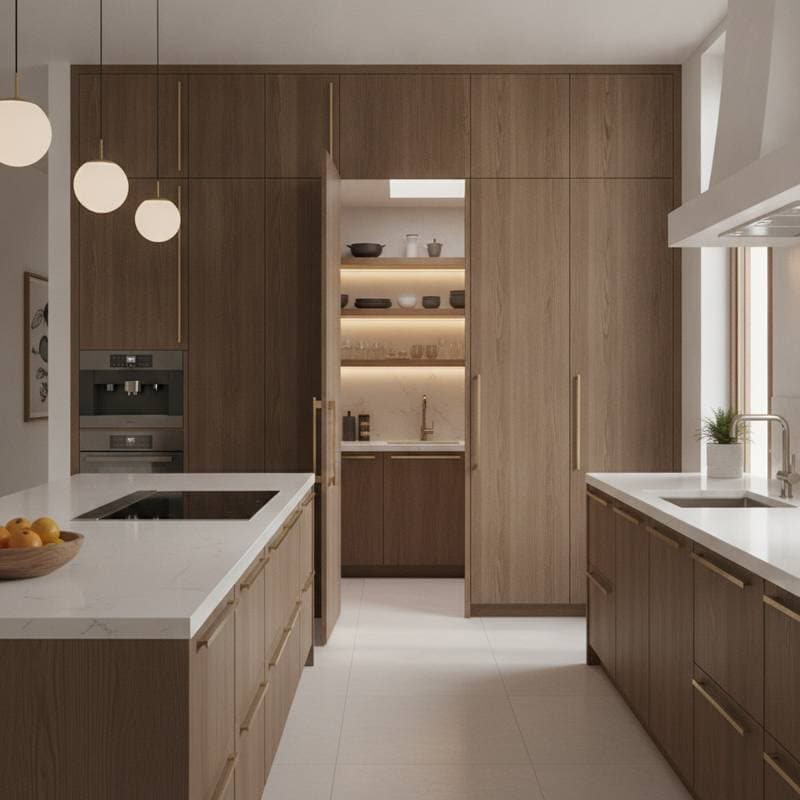
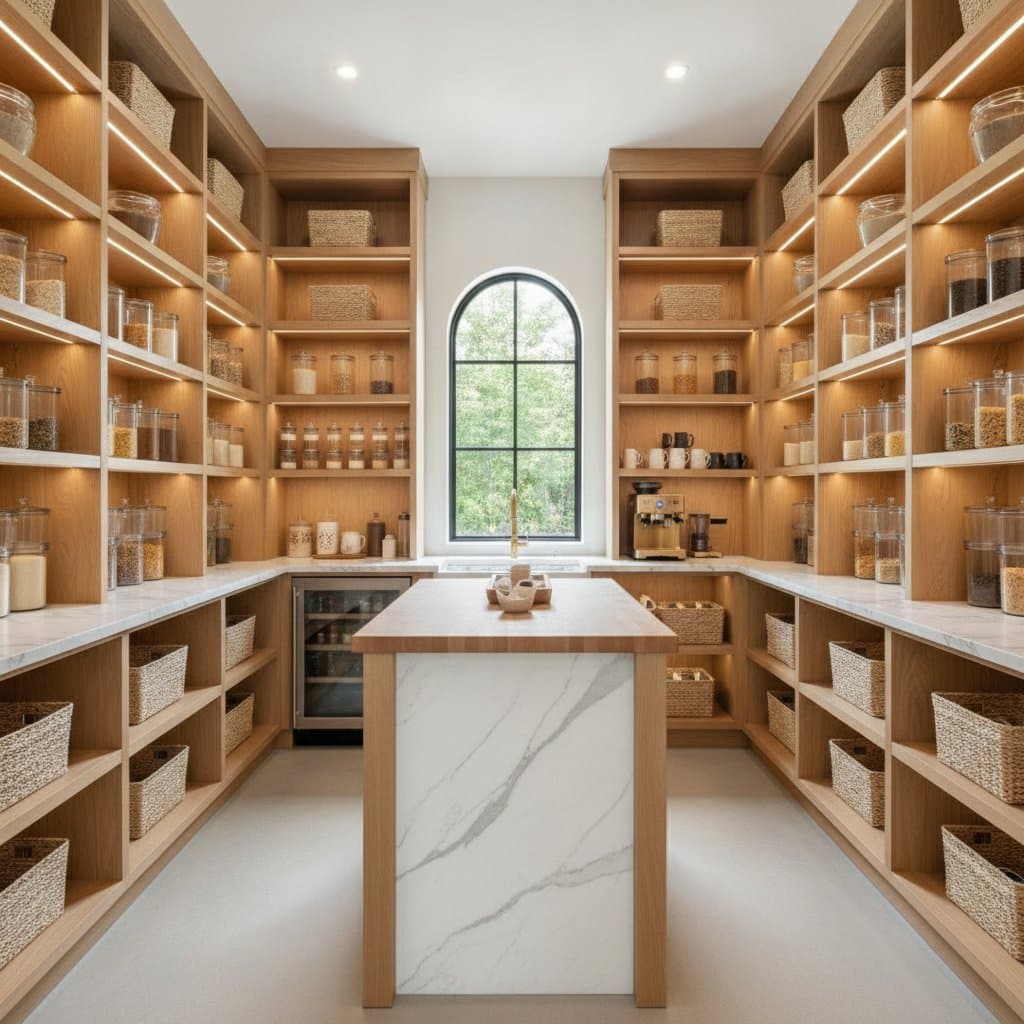
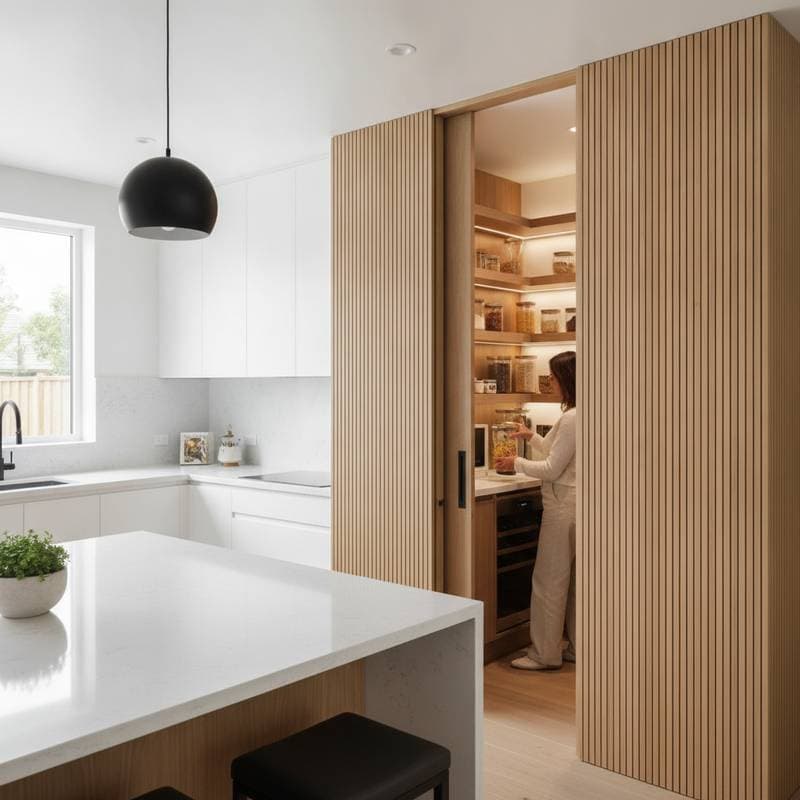
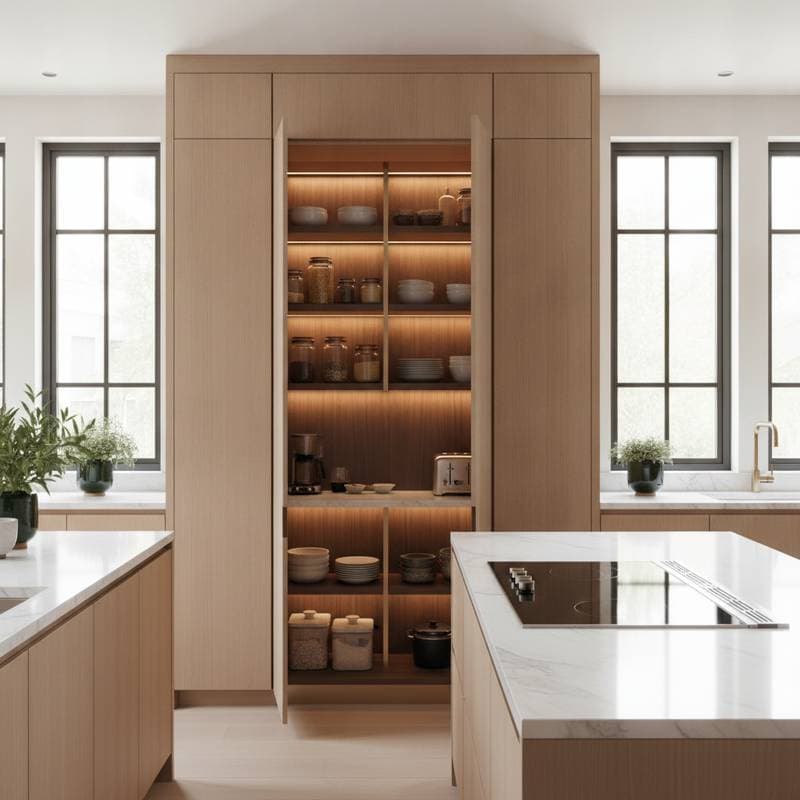
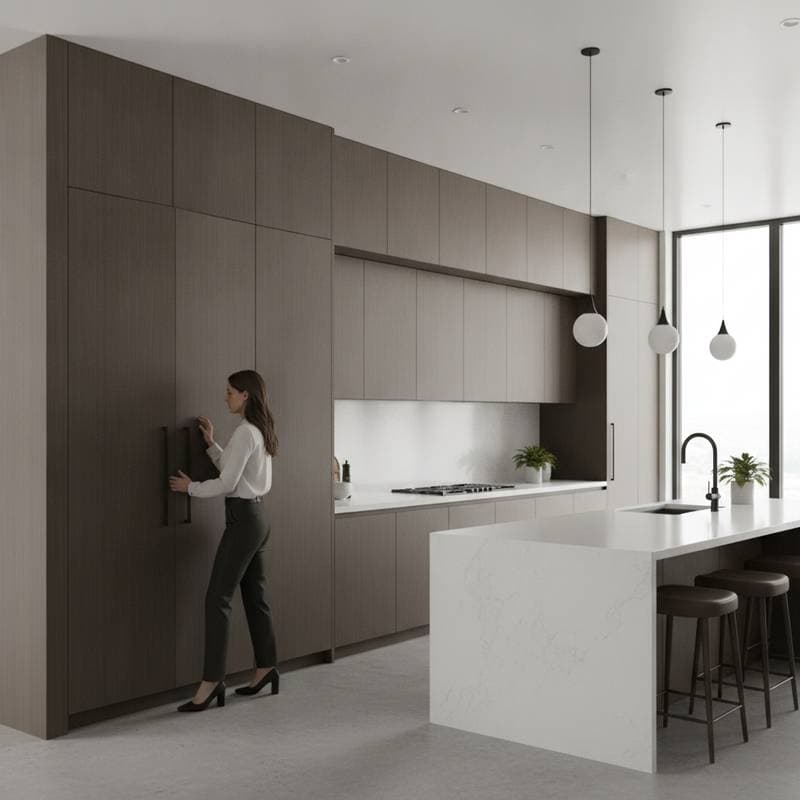
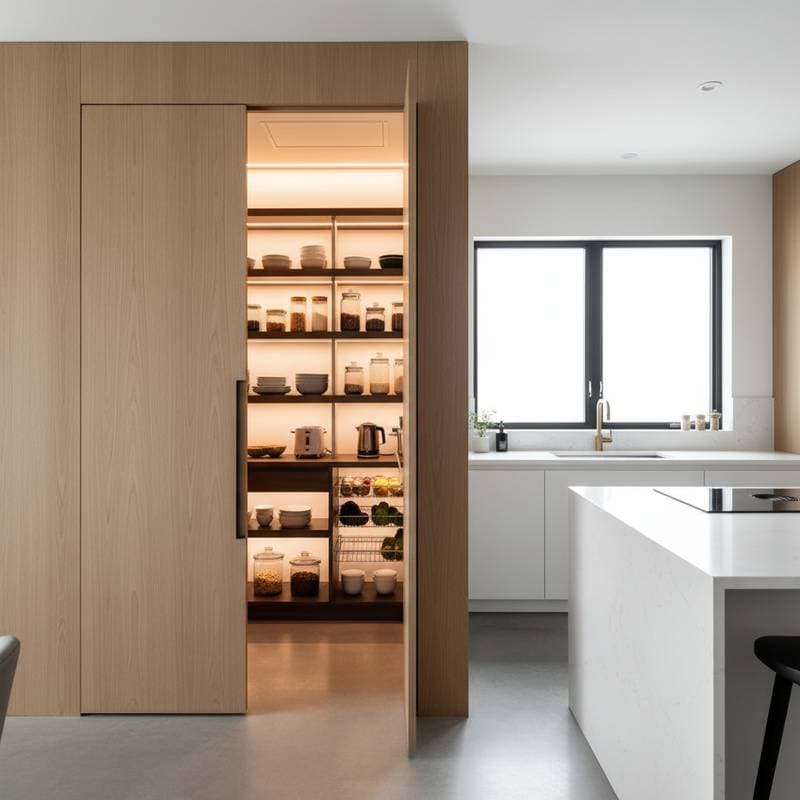
A hidden pantry represents a smart fusion of aesthetics and practicality in kitchen design. This feature integrates additional storage space seamlessly into existing cabinetry or walls, preserving the overall visual layout while expanding functionality. Homeowners who incorporate a hidden pantry frequently observe an approximate 14 percent increase in their kitchen's resale value, according to real estate trends that favor organized and minimalist spaces.
This upgrade proves particularly beneficial for active families who prepare meals regularly, individuals preparing their property for sale, and those seeking a more streamlined kitchen environment. By concealing bulkier items such as small appliances, dry goods, and serving ware, a hidden pantry eliminates visual clutter and frees up countertops for essential tasks. The result is a more spacious and inviting kitchen that aligns with contemporary buyer preferences for efficiency and elegance.
Advantages and Drawbacks
Hidden pantries offer compelling benefits that extend beyond mere storage. Consider the following advantages:
- Increases kitchen resale value by up to 14 percent, making it a worthwhile investment for future sellers.
- Conceals bulky items and appliances, contributing to a polished and professional appearance.
- Enhances overall kitchen flow and visual harmony by maintaining clean lines.
- Provides substantial storage without expanding the physical footprint of the room.
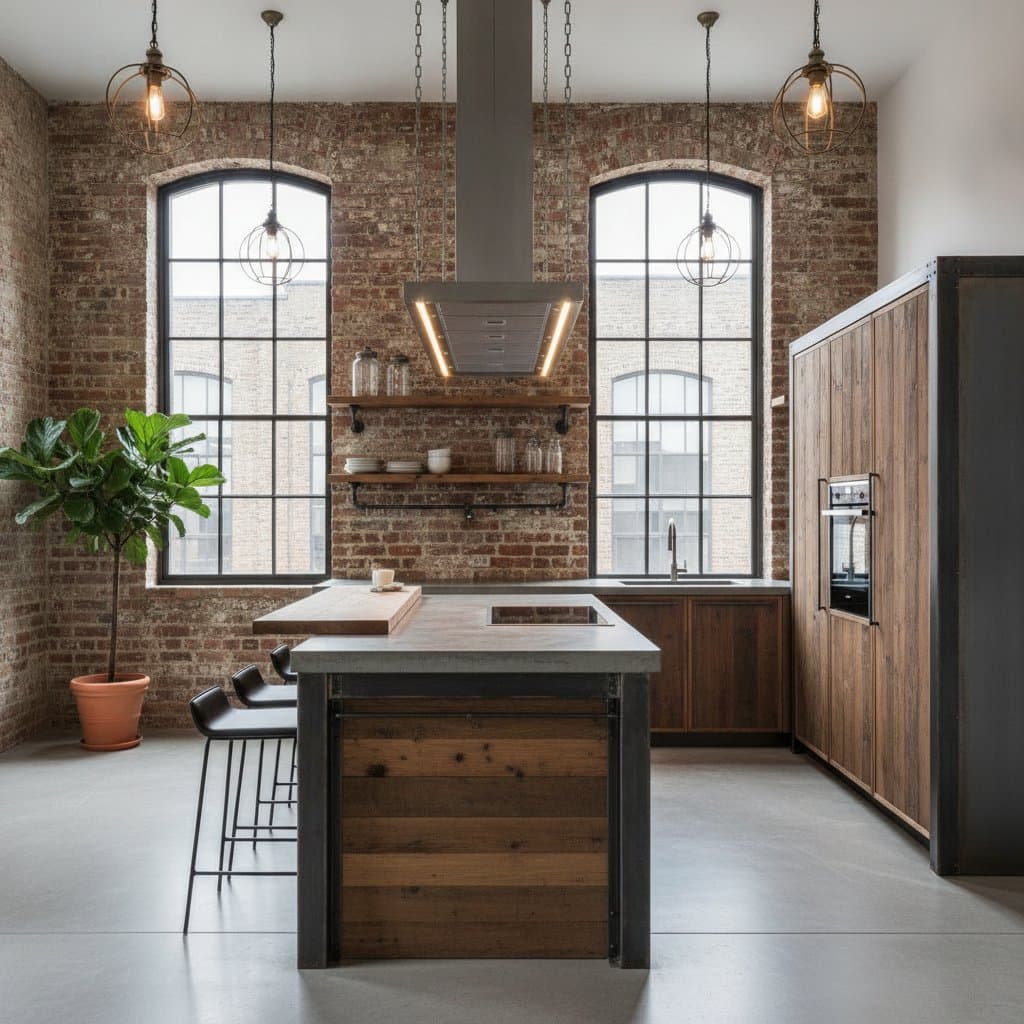
- Adapts easily to various kitchen styles, from modern minimalist to traditional warmth.
However, potential challenges warrant careful consideration before proceeding:
- Necessitates modifications to walls or cabinets, which can involve structural adjustments.
- Might encroach on nearby storage areas or reduce available counter space.
- Involves higher costs compared to simpler alternatives like open shelving or standard pantries.
- Poses greater difficulties for retrofitting in compact kitchen layouts.
Do-It-Yourself Installation Versus Professional Services
Constructing a hidden pantry qualifies as a project of moderate to advanced complexity, typically requiring two to five days of dedicated effort with experienced labor. Essential tools include carpentry essentials such as a stud finder, level, saw, and precise measuring instruments. Projects involving electrical wiring or load-bearing elements demand the involvement of licensed professionals to ensure compliance and safety.
Do-It-Yourself Approach
Individuals with strong carpentry skills and access to fundamental tools may find a do-it-yourself hidden pantry feasible, especially for straightforward designs like those using cabinet fronts as disguised doors. Begin by assessing your kitchen's layout to identify a suitable wall or cabinet section. Measure the space meticulously, then source materials such as plywood for shelving and hinges for the door mechanism. Assemble the frame within the chosen area, ensuring alignment with a level, and finish with paint or stain to blend seamlessly. This method suits weekend warriors comfortable with basic woodworking, but always prioritize safety by avoiding electrical or plumbing interference.
Professional Installation
For installations requiring structural alterations or complete wall integration, engaging a professional contractor is advisable. Experts guarantee precise door alignment, adherence to building codes, and smooth operational functionality. They also excel at customizing finishes to harmonize with your existing cabinetry, potentially incorporating advanced features like soft-close mechanisms or integrated lighting. While the upfront cost is higher, professionals mitigate risks associated with complex modifications, delivering a durable result that enhances your home's long-term value.
Upkeep and Durability
Hidden pantries demand minimal routine maintenance to sustain their performance over time. Schedule biannual inspections of hinges and door alignments to address any wear promptly. Clean shelves and interior walls on a monthly basis to avert moisture accumulation, which could lead to mold or material degradation. Integrated LED lighting systems typically endure 15,000 to 25,000 hours of use prior to needing replacement, offering energy-efficient illumination for extended periods.
Cabinet finishes, when applied with quality materials, withstand normal daily use for 10 to 15 years. The core structure, constructed from robust woods or composites, often matches the lifespan of the home itself, provided it receives occasional touch-ups. Proper care ensures the pantry remains a reliable asset, supporting both daily convenience and future resale appeal.
Regional Considerations
Installation costs fluctuate based on local labor rates and regulatory requirements. In high-demand urban areas like Los Angeles, anticipate pricing at the higher end due to elevated construction expenses. Properties in coastal regions benefit from specifying moisture-resistant materials to combat humidity effects. Certain building codes mandate fire-rated drywall for pantries adjacent to garages or utility spaces, enhancing overall safety.
Before initiating any work, consult your local building department to verify permits and standards. This step prevents costly revisions and ensures your project aligns with community guidelines, ultimately protecting your investment.
Return on Investment and Market Impact
Hidden pantries resonate strongly with contemporary buyers who prioritize organized spaces and sleek designs. Real estate professionals note that kitchens featuring concealed storage tend to attract offers more quickly and achieve prices nearer to the listing amount. The return on investment generally ranges from 50 to 80 percent, influenced by factors such as material selections and prevailing market conditions.
Beyond financial returns, this addition refines listing photographs, drawing greater online interest from potential purchasers. In competitive markets, such thoughtful enhancements differentiate your property, signaling quality craftsmanship and forward-thinking design choices that appeal to discerning homeowners.
Essential Safety Measures
Prioritize safety throughout the planning and execution phases. Scan for concealed electrical wires or plumbing lines using a reliable detector before any wall alterations. Engage a licensed electrician for installing new lighting fixtures or outlets to comply with electrical codes. Refrain from modifying load-bearing walls without professional structural assessment to avoid compromising home integrity.
If the pantry location adjoins a gas line or ventilation system, retain a qualified contractor to evaluate and mitigate risks. These precautions not only safeguard occupants but also preserve the structural soundness of your kitchen, ensuring the upgrade enhances rather than endangers your living space.
Steps to Implement Your Hidden Pantry
Hidden pantries merge aesthetic appeal with everyday utility, banishing clutter while optimizing storage in a way that expands perceived kitchen size. Whether preparing for a sale or refining your daily routine, this enhancement delivers enduring benefits. Initiate the process by evaluating your kitchen's dimensions and determining the degree of concealment desired, from subtle cabinet integrations to full-wall solutions.
Next, solicit estimates from at least three licensed contractors to evaluate pricing, timelines, and material options. Compare their proposals against your budget and vision, focusing on those who demonstrate expertise in custom cabinetry. With careful planning, your hidden pantry will transform the heart of your home into a more functional and valuable sanctuary.