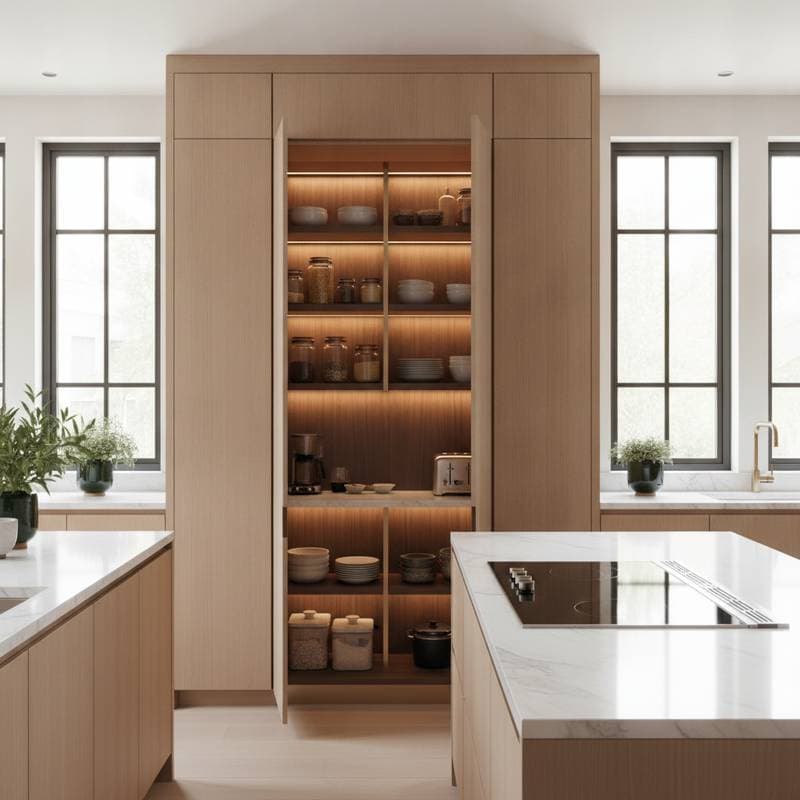

The Appeal of Hidden Pantries in Modern Homes
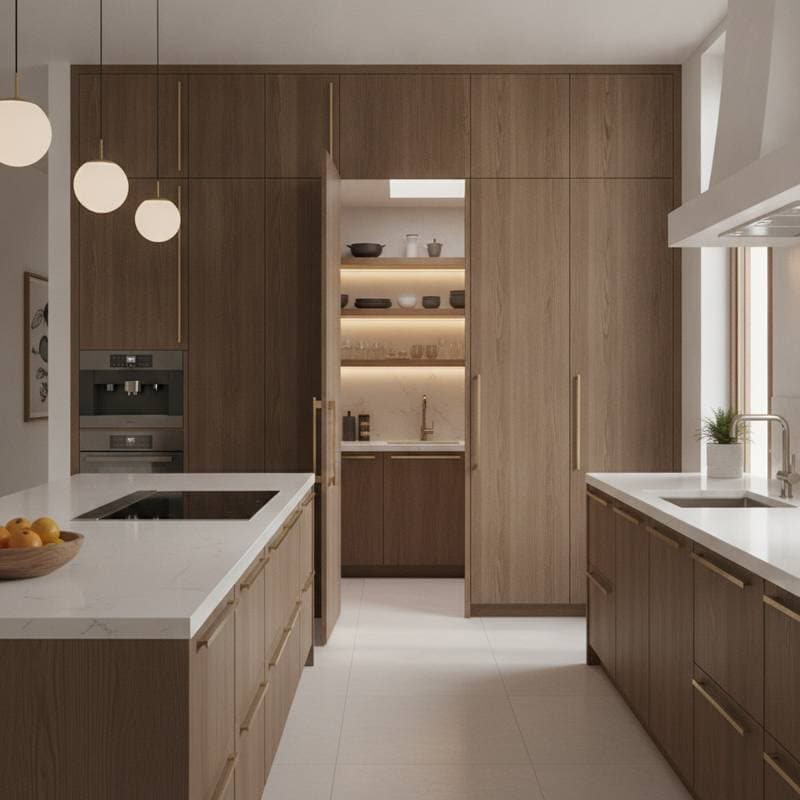
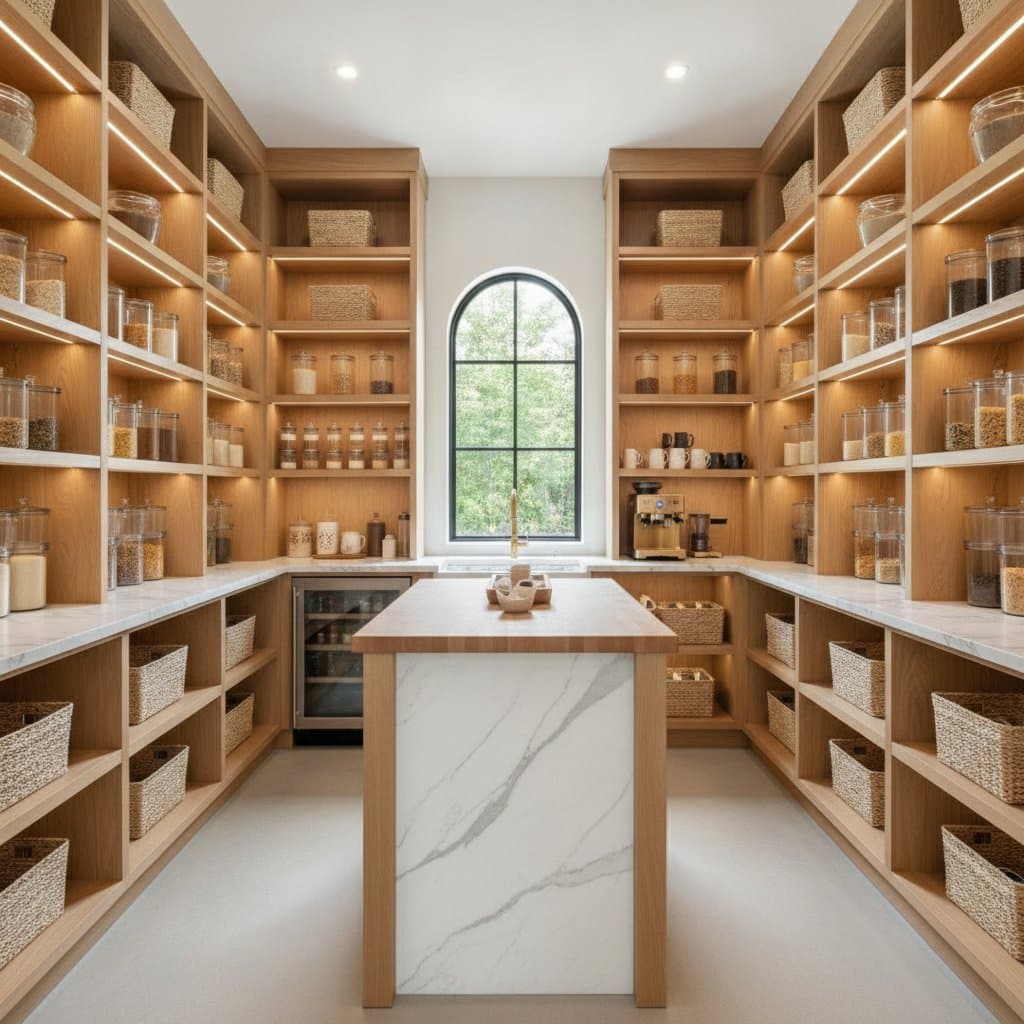
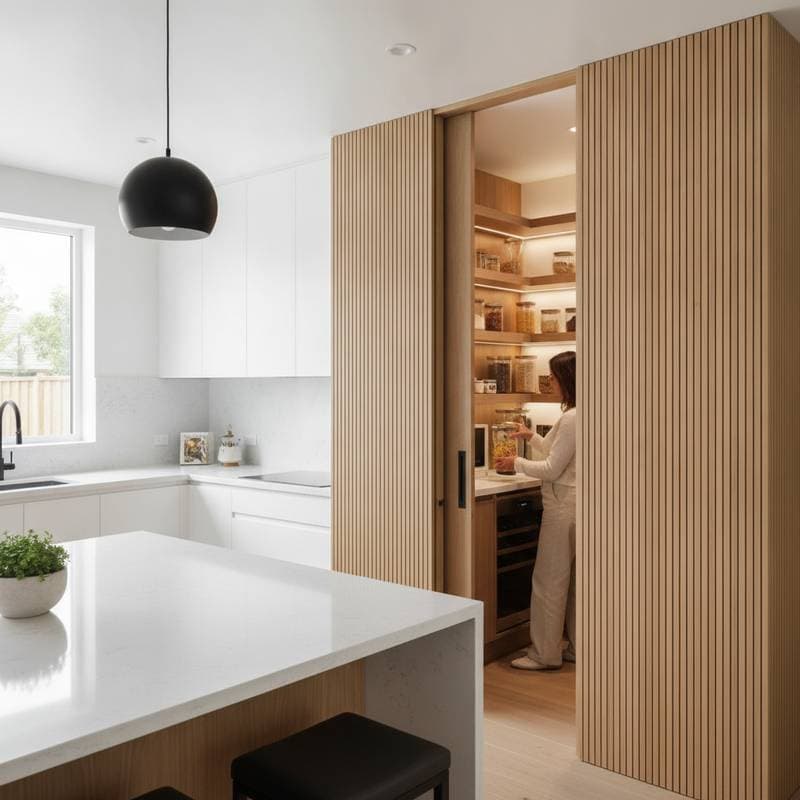
Hidden pantries represent a smart evolution in kitchen design, transforming unused spaces into efficient storage solutions that blend seamlessly with cabinetry. These concealed units provide ample room for dry goods, appliances, and utensils without disrupting the visual flow of the kitchen. Homeowners appreciate their ability to maintain a clutter-free aesthetic while maximizing utility.
Recent real estate analyses indicate that such features can boost property values by up to 11 percent, particularly in competitive markets where buyers seek innovative storage. The investment appeals to those who prioritize functionality alongside elegance, making kitchens more versatile for daily use and entertaining. As urban living spaces grow tighter, hidden pantries emerge as a practical response to storage challenges.
Understanding the Value Boost
The 11 percent increase stems from the perceived luxury and practicality that hidden pantries introduce. Buyers view them as a sign of thoughtful customization, which differentiates a home from standard listings. In appraisals, these additions contribute to higher overall square footage efficiency and improved kitchen scores.
Market data from regions with high demand for renovated homes supports this figure, showing faster sale times and elevated offers for properties with integrated storage solutions. The key lies in execution: a well-designed pantry enhances workflow and accessibility, turning a simple closet into a high-impact asset. For sellers, this upgrade signals attention to detail, which resonates with discerning purchasers.
Cost Breakdown for Installation
Budgeting accurately ensures the project delivers maximum return without unexpected expenses. Costs vary based on materials, size, and complexity, but most installations fall within predictable ranges.
1. Materials
- Cabinetry and shelving typically range from $1,000 to $4,000, depending on wood quality and customization level. Opt for durable plywood or maple to withstand daily wear.
- Lighting and ventilation components cost between $200 and $800. Recessed LEDs and small exhaust fans improve usability and prevent moisture issues.
2. Labor
Skilled finish work accounts for $1,500 to $4,000, covering precise installation of doors and shelving. Electrical and ventilation upgrades often require licensed tradespeople to comply with building codes and ensure safety.
3. Size and Access Considerations
Converting a small closet proves more economical than constructing a new framed pantry, with labor potentially increasing by 15 percent in confined areas. Measure access points carefully to avoid complications during installation.
4. Permits and Inspections
Permits become necessary for electrical or structural modifications, with fees ranging from $100 to $400 depending on local regulations. Schedule inspections promptly to prevent delays.
5. Finishes and Add-Ons
Enhancements such as soft-close hardware, pull-out shelves, or integrated lighting add $500 to $1,500 to the total. Ensure materials match existing kitchen finishes to preserve aesthetic consistency and support the value proposition.
Overall, a standard hidden pantry project costs between $3,000 and $10,000, with higher-end options incorporating smart features like automated lighting.
DIY Versus Professional Installation
Deciding between self-installation and hiring experts depends on the project's scope and your skill level. Each approach carries distinct advantages and risks.
When DIY Suits the Project
- Proceed if the task involves only adding shelving or painting an existing closet.
- Existing framing, drywall, and electrical setup simplify the process.
- Possession of basic tools like a drill, level, and paintbrush makes execution feasible.
DIY saves on labor costs but demands time and precision to achieve a professional finish.
When to Hire Professionals
- Concealing doors within cabinetry or trim requires specialized carpentry skills.
- Adding electrical outlets or lighting necessitates certified electricians.
- Alterations to load-bearing walls demand structural expertise to maintain home integrity.
Professionals bring industry-grade tools and experience, ensuring alignment and durability.
Associated Risks and Tools
Risk levels range from medium to high when dealing with structural or concealed elements, as misaligned doors can lead to operational issues like binding or visible gaps. Essential tools include a stud finder, level, circular saw, paint sprayer, and trim nailer. Experts often employ cabinet-grade equipment for superior results.
Project Timelines and Cost-Saving Strategies
Efficient planning keeps the timeline manageable and controls expenses. Custom elements influence duration, so early preparation proves essential.
Anticipate 2 to 5 weeks for completion, factoring in lead times for cabinetry fabrication. Schedule work early in the year to sidestep summer backlogs among contractors. Look for cabinetry sales offering 10 to 15 percent discounts at the onset of building season.
Allocate an additional 10 percent in the budget for unforeseen issues, such as custom hinges or trim adjustments in older homes. Incorporating LED task lighting enhances functionality and elevates appeal to future buyers, providing long-term value.
Maintenance for Longevity
Proper upkeep preserves the pantry's condition and protects your investment. Regular attention prevents common issues and extends usability.
Wipe shelving quarterly to avoid warping from moisture or spills. Replace LED lighting strips every 7 to 10 years to maintain brightness. Inspect hinges and magnetic catches annually for smooth operation.
Cabinet warranties typically span 5 to 10 years when installed by certified contractors. Retain receipts and permit documentation to demonstrate quality to potential buyers during showings.
Steps to Implement Your Hidden Pantry
Taking structured action streamlines the process and minimizes errors.
- Measure potential locations to ensure the pantry integrates without impeding kitchen traffic.
- Obtain quotes from at least two carpenters experienced in concealed door installations.
- Select robust materials, including plywood shelving and moisture-resistant finishes.
- Arrange inspections ahead if wiring relocations are involved.
- Capture before-and-after photographs to document improvements for appraisals.
Realizing the Benefits
A hidden pantry delivers understated luxury and efficient storage that captivates buyers. With meticulous planning and quality finishes, this upgrade positions your home for that targeted 11 percent value increase at sale time. The result is a kitchen that functions effortlessly while showcasing design savvy.