Heated Driveways Deliver Strong Returns
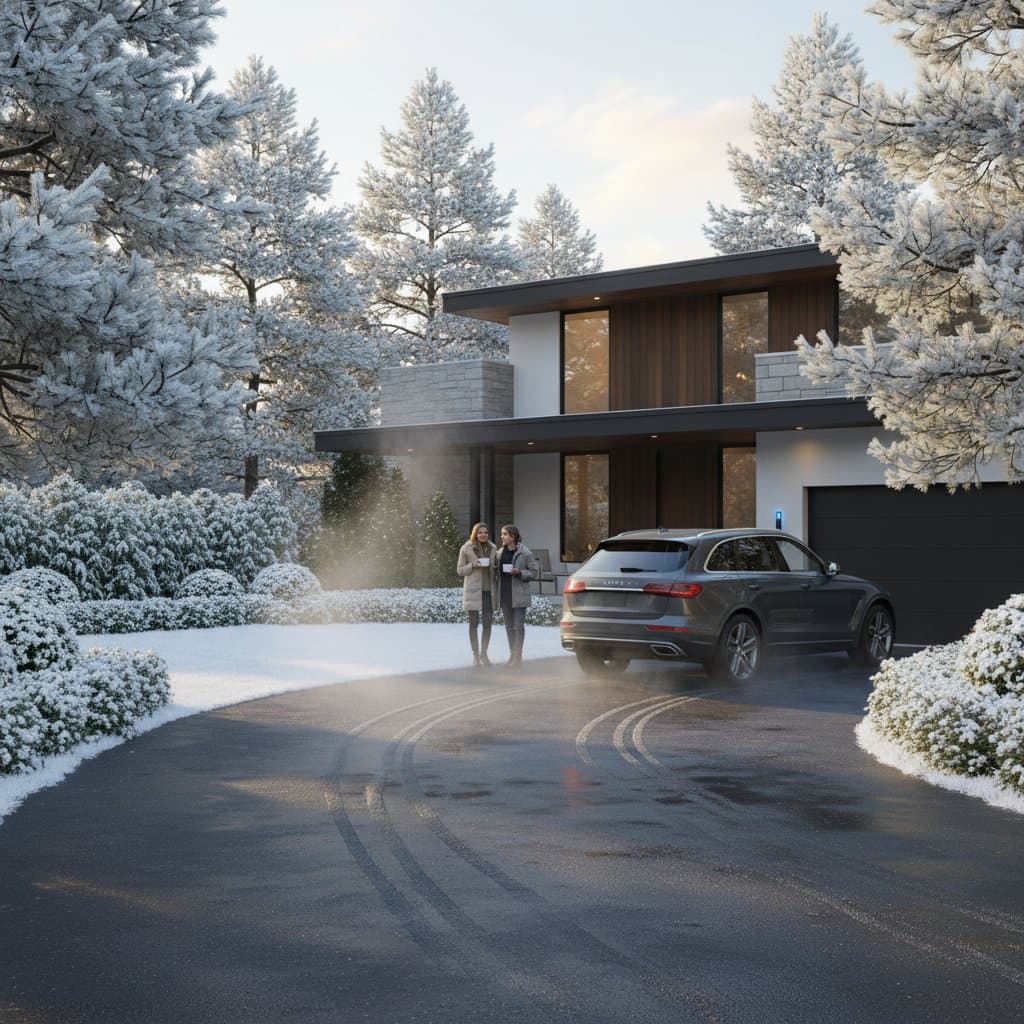
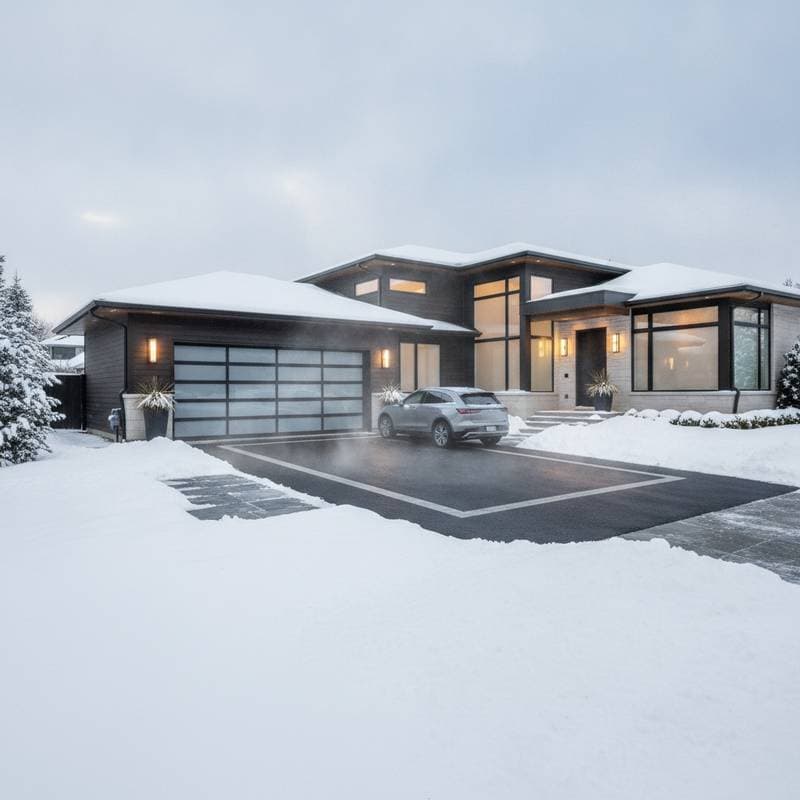
Homeowners in cold climates gain safety and convenience from heated driveways. These systems also return up to 73 percent of their cost at resale in competitive winter markets. Automatic snow melting reduces shoveling time and lowers injury risks while preserving the driveway surface from salt damage.
Key Installation Factors
Concrete retains heat more effectively than asphalt. Pavers require additional time for placement but offer design flexibility. Electrical panels often need upgrades to support system loads. Hydronic setups require a dedicated boiler or water heater connection.
New construction projects finish in three to seven days. Retrofit installations over existing surfaces take five to ten days. Concrete requires several days of curing before activation. Asphalt cures faster yet needs several days without traffic.
Essential Tools and Materials
- Measuring tape and chalk line for layout accuracy
- Rigid foam insulation boards to direct heat upward
- Heating cables or hydronic tubing spaced per manufacturer guidelines
- Moisture and temperature sensors for automated control
- GFCI breakers and control panels for safe operation
- Concrete, asphalt, or paver surface materials
Even spacing prevents cold spots and hot zones. Professional crews handle permits and inspections.
Electric Versus Hydronic Options
| Feature | Electric | Hydronic |
|---|---|---|
| Install cost | Lower initial expense | Higher upfront investment |
| Operating cost | Higher in frequent use | Lower with efficient boilers |
| Maintenance | Minimal checks | Occasional boiler service |
| Best application | Small areas or retrofits | Large new driveways |
| Energy source | Electricity | Gas, propane, or solar water |
Electric systems activate quickly. Hydronic systems manage heavy snowfall more efficiently. Homes with existing radiant boilers favor hydronic designs.
Safety Requirements and Warranties
Install ground-fault circuit interrupter breakers on all electric lines. Never splice cables within the concrete layer. Pressure test hydronic tubing before covering. Use oxygen-barrier PEX tubing to avoid corrosion.
Manufacturer warranties require professional installation. Retain permits, receipts, and pre-pour photographs. Avoid salt and harsh chemicals on any heated surface.
Professional Service Indicators
Contact a licensed installer for repeated breaker trips, uneven melting, hissing lines, or control panel errors. Technicians use infrared scanners and pressure tools to diagnose issues without surface removal.
Environmental and Efficiency Gains
Heated driveways reduce salt use that harms plants and groundwater. They also lower fuel consumption from snow removal equipment. Energy-efficient models paired with renewable sources approach carbon neutrality. Concrete and asphalt surfaces last longer without repeated freeze-thaw cycles.
Common Issue Resolution
| Situation | Recommended Action | Purpose |
|---|---|---|
| Uneven heating | Verify sensor placement and output | Balance temperatures |
| System fails to start | Check breakers and settings | Rule out simple oversights |
| Pressure loss in hydronic lines | Inspect for leaks or air | Maintain flow consistency |
| Edge icing | Extend insulation or heating zone | Reduce heat loss to soil |
| Elevated energy use | Adjust sensor thresholds | Limit unnecessary operation |
Financing and Incentives
Local utilities sometimes provide rebates for systems that cut salt runoff. Tax credits may apply for energy-saving upgrades. Home equity loans or renovation lines of credit spread costs across multiple seasons.
Next Steps for Homeowners
A heated driveway converts winter maintenance into an automatic process. It improves daily safety and adds visible value that buyers notice in snowy regions. Consult a licensed installer with driveway measurements and site photos. Compare electric and hydronic quotes for total cost, energy use, and warranty terms.
Frequently Asked Questions
How much does operation cost each winter?
Expect 120 to 250 dollars for a two-car driveway depending on climate and usage.
Can heating cover only part of the driveway?
Yes. Many owners heat tire tracks or slopes to control expenses.
Do systems work under pavers?
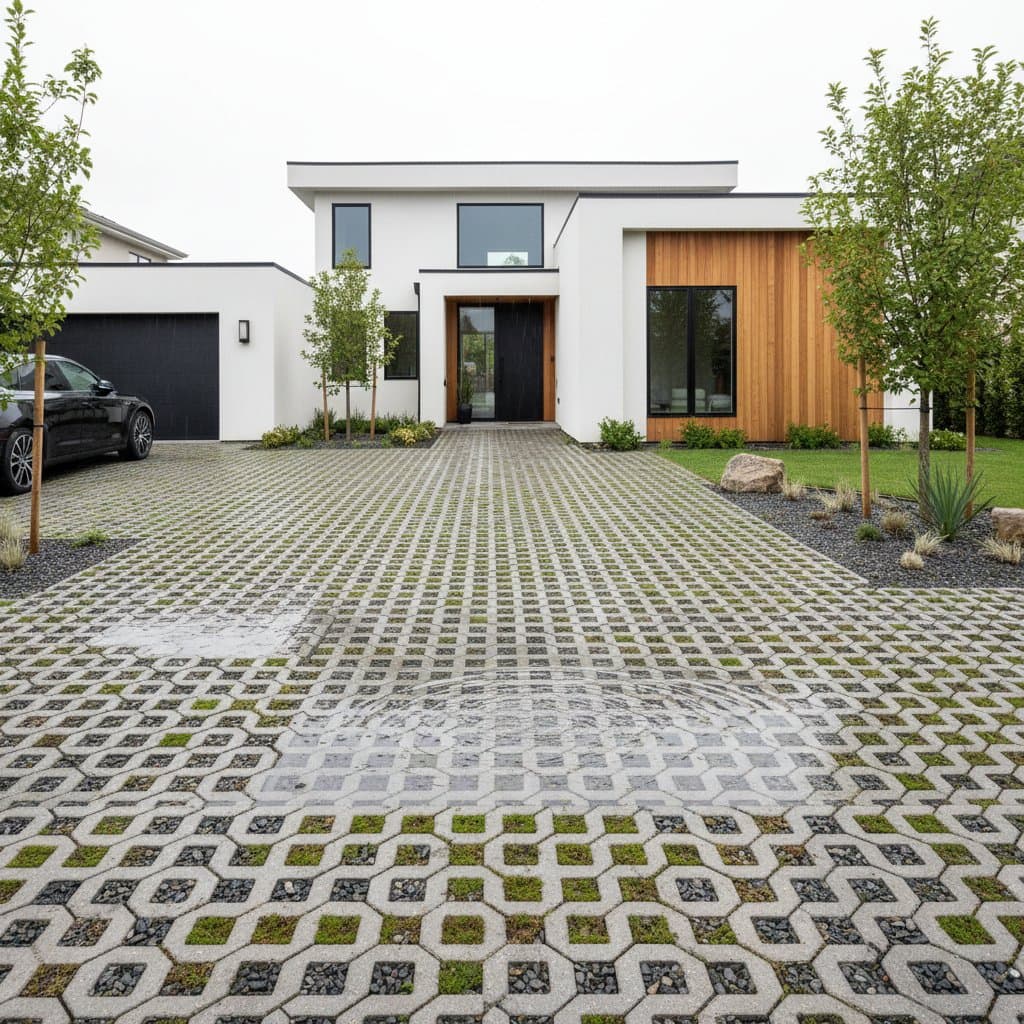
Yes. Cables or tubing install beneath a sand or mortar base with correct spacing.
Can systems be added to existing driveways?
Retrofits use overlays though they raise surface height slightly and increase cost.
How often is maintenance required?
Annual inspections suffice. Hydronic systems may need periodic flushing.
Does heating damage the surface?
Proper installation avoids heat stress and often extends surface life.