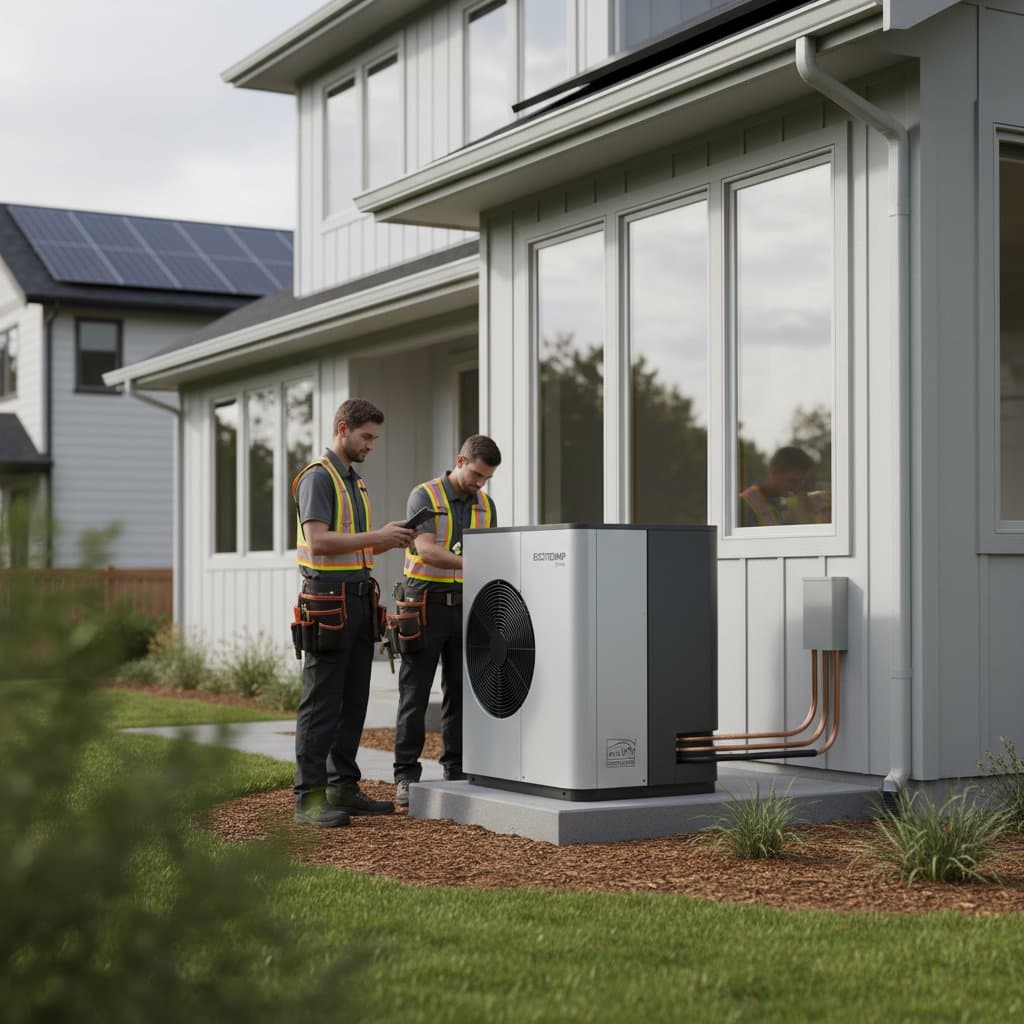
Increase Home Value by 15 Percent with Heat Pump Upgrades
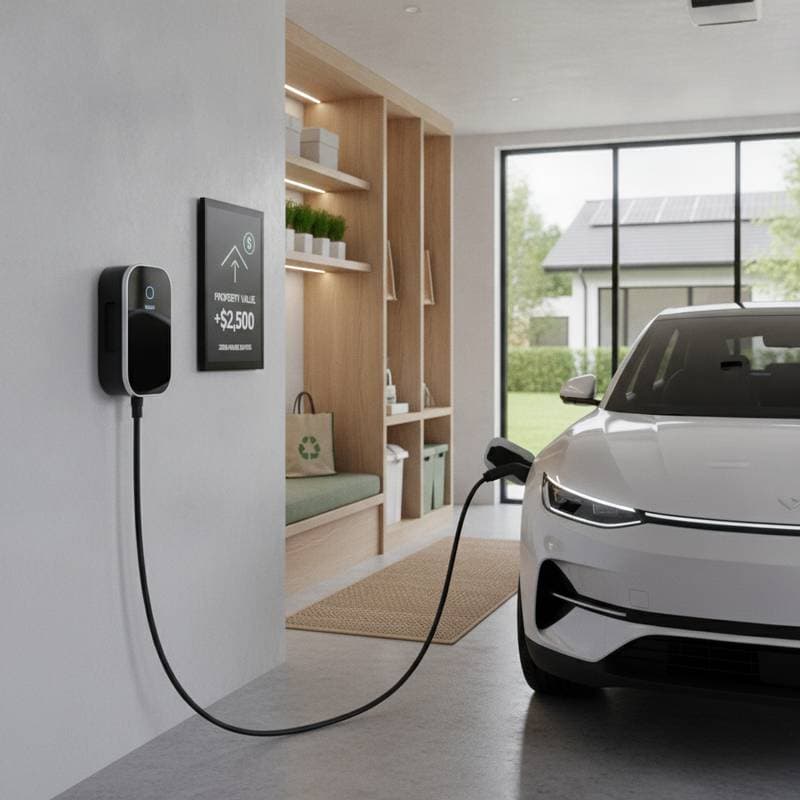
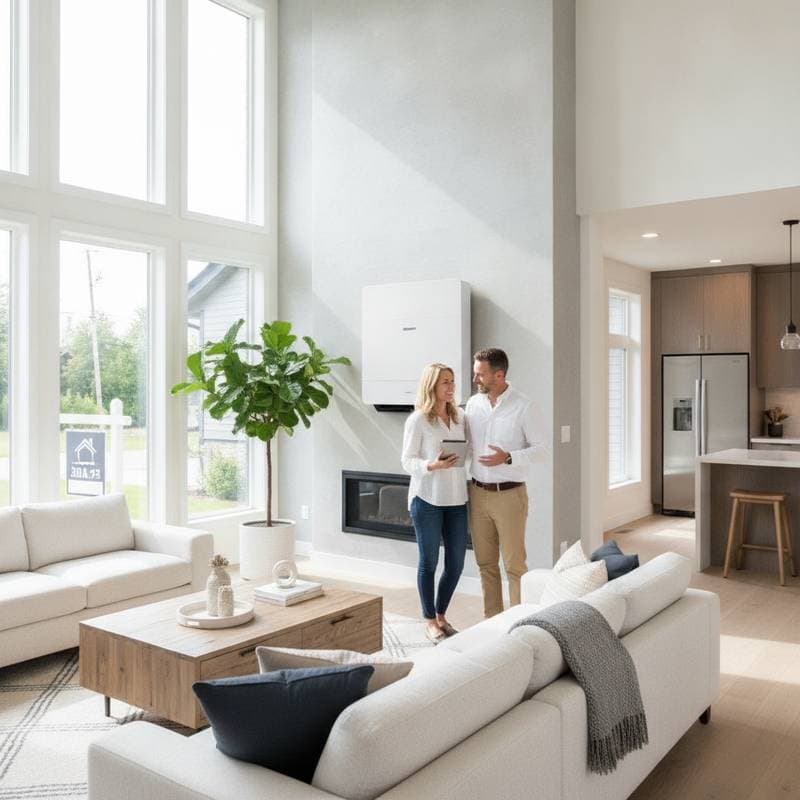
Modern heat pumps offer a significant opportunity to enhance your home's resale value by up to 15 percent. These systems reduce energy consumption, eliminate reliance on gas heating, and provide buyers with a sustainable, efficient solution that aligns with future energy standards.
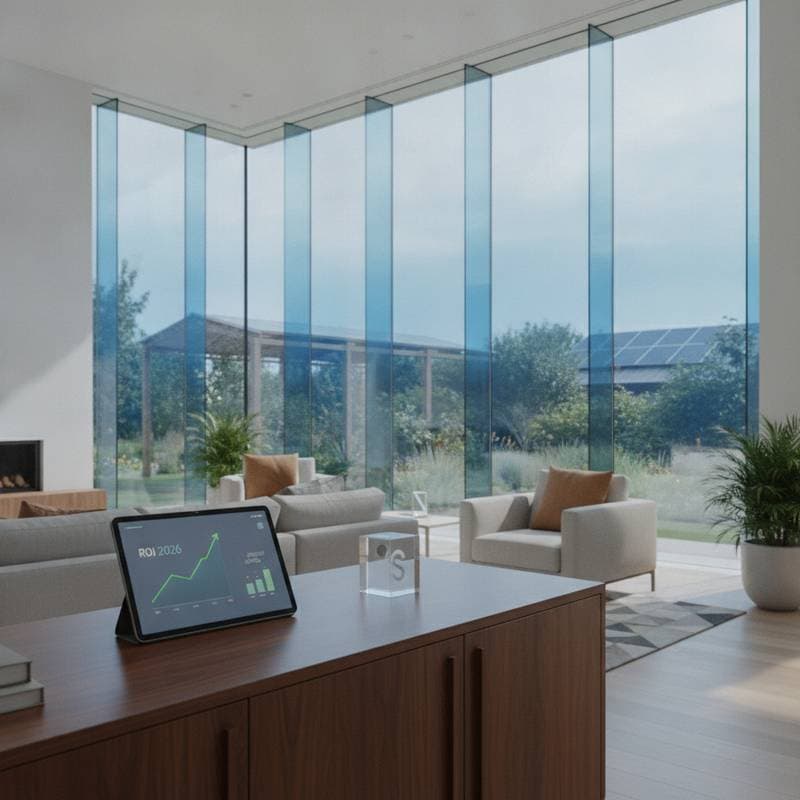
Homeowners who invest in this technology often see quick returns through lower utility bills and increased market appeal. The following sections detail the mechanics, costs, and professional considerations to guide your decision-making process.
Steps to Upgrade to a Heat Pump
Upgrading to a heat pump involves a systematic approach to ensure compatibility and efficiency. Professionals recommend following these steps for a seamless transition.
-
Assess your current system. Evaluate the age, condition, and type of your existing furnace or air conditioner. Systems over 10 to 15 years old typically qualify for replacement, as heat pumps provide superior performance in both heating and cooling.
-
Conduct a load calculation. Engage a qualified technician to measure your home's specific heating and cooling requirements. This analysis determines the appropriate unit size, typically measured in tons or BTUs, and selects the optimal efficiency rating, such as SEER2 for cooling or HSPF2 for heating.
-
Select the appropriate system type. Consider ducted systems for whole-home coverage, ductless mini-splits for targeted zones, or hybrid setups that combine heat pumps with existing furnaces for extreme climates. Each option suits different home layouts and budgets.
-
Verify and upgrade electrical capacity. Heat pumps require stable power sources, often necessitating a dedicated 240-volt circuit or an electrical panel expansion. An electrician assesses your home's amperage to prevent overloads and ensure safe operation.
-
Proceed with installation and testing. A licensed HVAC contractor manages the placement of indoor and outdoor units, connects refrigerant lines, and secures electrical wiring. After setup, the system undergoes rigorous testing for airflow, temperature output, and leak detection.
-
Register for warranties and rebates. Submit documentation immediately to activate manufacturer warranties, which often span 10 years, and claim federal or local incentives like the Inflation Reduction Act credits, potentially covering up to 30 percent of costs.
Timeline for Installation
The core installation process spans one to three days for most homes, focusing on unit placement and connections. Additional work, such as electrical modifications or ductwork adjustments, may extend the project to five to seven days.
Permitting requirements vary by location, adding one to two weeks for approvals. Rebate applications can overlap with installation but require prompt filing to avoid delays in financial benefits. Once complete, your new system delivers immediate improvements in comfort and efficiency.
Essential Tools and Materials
While professionals handle the majority of the work, understanding basic requirements aids in preparation. Key items include:
- Screwdrivers and adjustable wrenches for securing mounting brackets and panels.
- A power drill with appropriate bits for creating openings in walls or ceilings.
- A bubble level and tape measure to ensure precise alignment and spacing.
- Weatherproof sealant and foam insulation to protect refrigerant lines and seal penetration points against air leaks.
Homeowners might assist with minor tasks like clearing space or painting around new installations. However, handling refrigerants or high-voltage wiring demands certified expertise to comply with safety regulations and avoid voiding warranties.
Benefits in Energy Savings and Comfort
Heat pumps operate by transferring heat rather than generating it, making them versatile for year-round use. They deliver consistent indoor temperatures, eliminating the uneven heating cycles common in traditional gas furnaces and reducing humidity fluctuations.
Energy savings range from 20 to 50 percent compared to outdated electric resistance or gas systems, depending on your climate and usage patterns. For a typical household, this translates to annual reductions of several hundred dollars on bills. Over a decade, these savings recoup a substantial portion of the upfront investment while boosting your property's attractiveness to eco-aware buyers who value low-carbon footprints.
In colder regions, advanced models with inverter technology maintain efficiency down to minus 15 degrees Fahrenheit, ensuring reliable performance without supplemental heating. Cleaner air filtration further enhances indoor quality, benefiting families with allergies or respiratory concerns.
Plan Your Upgrade Strategically
If your current heating or cooling system shows signs of wear, such as frequent repairs or rising energy use, initiate the upgrade process soon. Schedule assessments from at least two reputable contractors to compare quotes, system recommendations, and rebate eligibility.
Post-installation maintenance proves straightforward: replace air filters monthly during peak seasons and arrange annual professional inspections to optimize efficiency. This routine sustains the system's longevity, minimizes breakdowns, and preserves your home's enhanced value for future sales.
Frequently Asked Questions
Do heat pumps perform effectively in cold climates?
Yes, contemporary heat pumps, particularly those designed for cold weather with variable-speed compressors, operate efficiently in temperatures as low as minus 15 degrees Fahrenheit. They extract ambient heat from outdoor air, outperforming older models in harsh winters.
Is new ductwork necessary for a heat pump installation?
Not in every case. Existing ducts can be reused if they are properly insulated, sealed, and appropriately sized for the heat pump's airflow. A professional evaluation confirms compatibility, potentially saving on retrofit costs.