Heat Pump Retrofits: What Homeowners Need to Know
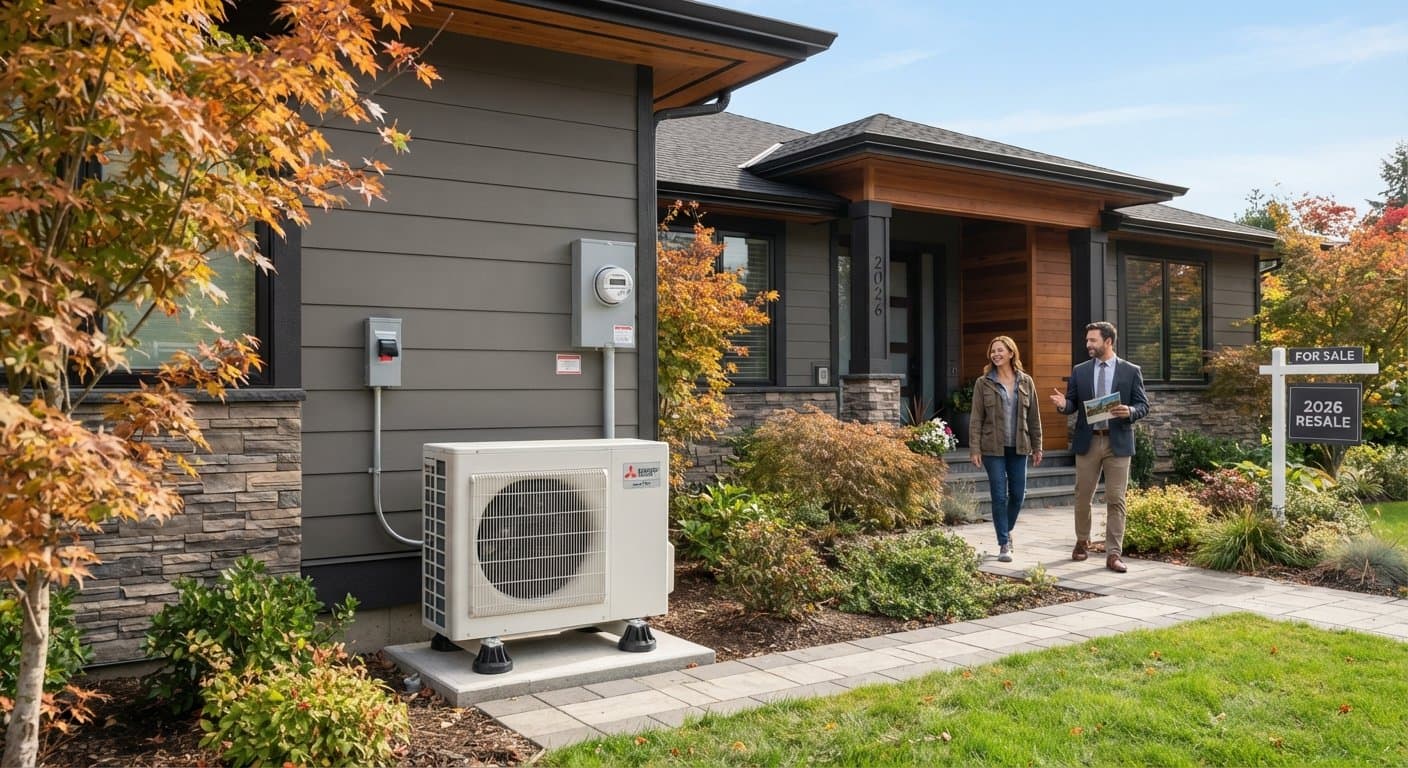
A heat pump retrofit typically costs between twelve thousand and twenty five thousand dollars installed for an entire home. Most projects land near eighteen thousand dollars before incentives. The resale benefit depends on correct sizing, documented energy savings, quiet operation, and compatibility with existing ductwork or electrical service.
Project Snapshot
| Item | Typical range |
|---|---|
| Installed cost | Twelve thousand to twenty five thousand dollars, with major electrical or duct repairs extra |
| Project timeline | One to three days of on-site work, plus two to eight weeks for quotes, equipment, permits, and scheduling |
| Expected service life | About fifteen to twenty years with routine maintenance |
| Best season | Mild weather, when installers may have more scheduling flexibility |
| DIY friendly | No for refrigerant work, wiring, or equipment installation. Hire a licensed HVAC contractor |
Safety first. Do not open refrigerant lines, modify high voltage wiring, or work on gas equipment. Before any approved work near electrical components, use the proper shutoff and confirm power is off. A qualified contractor should handle refrigerant, electrical connections, gas disconnection, and permit requirements.
The resale benefit is not guaranteed dollar for dollar. A heat pump can make a home more appealing when buyers value lower energy use, year round heating and cooling, and a modern mechanical system. Poor sizing, high utility bills, noisy equipment, or missing permits can weaken that appeal.
How a Heat Pump Retrofit Can Support Home Value
A heat pump moves heat instead of generating it by burning fuel or using electric resistance. In cooling mode, it works like an air conditioner. In heating mode, it draws heat from outdoor air and moves it indoors. That gives buyers one system for both jobs and can reduce energy use compared with older electric resistance heating or some aging heating and cooling combinations.
The value comes from practical proof, not from the equipment label alone. Buyers and inspectors may look for a system sized for the home, with a commissioning report or load calculation. They also check for consistent temperatures in rooms throughout the house, recent service records and clear warranty documents, permits and final inspection records where required, and lower energy use supported by utility bills, while accounting for weather and occupancy.
In Los Angeles and other mild coastal areas, heat pumps often operate in favorable conditions. Homes in colder foothill or mountain areas need equipment selected for their local winter temperatures. A system designed only for mild weather can struggle during cold snaps and rely heavily on backup heat.
Cost Factors
The price depends on the equipment and the condition of the home. Ask for an itemized proposal so you can compare the same scope of work.
| Cost factor | What it changes |
|---|---|
| Equipment capacity and type | Larger homes, higher heating loads, and premium variable speed systems cost more |
| Ductwork | Leaks, undersized ducts, poor returns, or damaged insulation can add roughly one thousand to five thousand dollars |
| Electrical service | Panel upgrades or a new dedicated circuit may add one thousand to four thousand dollars or more |
| Access and placement | Rooftop, tight side yards, long refrigerant runs, and crane access can raise labor costs |
| Permits and inspections | Fees depend on the local jurisdiction and project scope |
| Removal and disposal | Old equipment, refrigerant recovery, and safe disposal may be separate line items |
| Add-ons | Thermostats, air filtration, zoning, and backup heat can increase the total |
Plan an extra ten to fifteen percent for surprises in older homes, especially if the contractor has not inspected the panel, ducts, condensate route, and equipment location. Rebates and tax incentives may reduce your net cost, but eligibility, funding, and rules change. Confirm current terms with the program administrator before including savings in your budget.
Good, Better, and Best Retrofit Options
Good: Standard ducted heat pump
This uses existing ducts if they are in good condition and properly sized. It often costs less than a full duct replacement. Ask the installer to test airflow and seal accessible leaks. Keeping poor ductwork can leave rooms uncomfortable and waste energy.
Better: Variable speed ducted system
The compressor adjusts its output rather than repeatedly switching between full power and off. This can improve temperature control and reduce cycling noise. It usually costs more and needs correct setup to deliver its advantages.
Best fit for homes without usable ducts: Ductless mini-splits
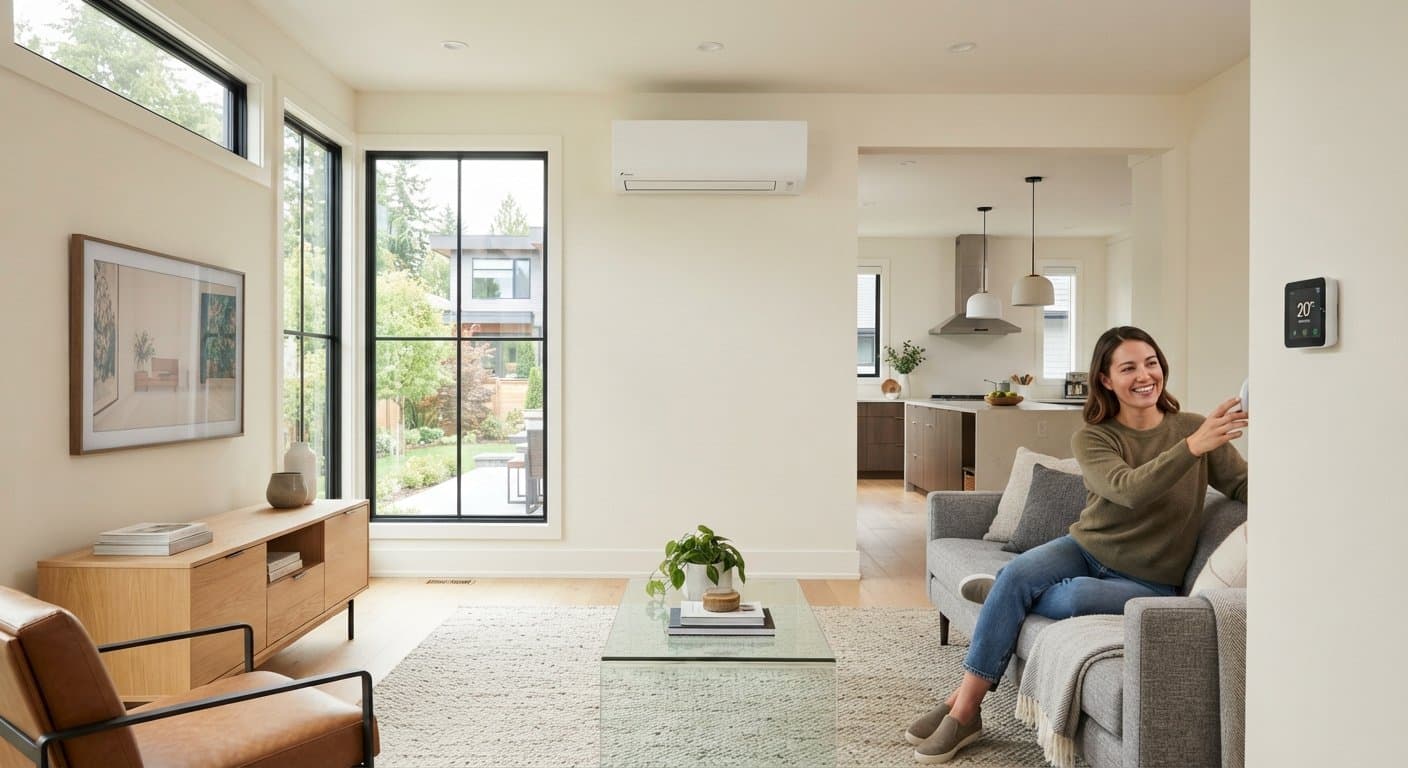
One or more indoor heads connect to an outdoor unit. They can serve additions, converted garages, or homes without central ducts. Multiple indoor units raise the price, and some buyers may dislike visible wall mounted equipment. Choose placement with comfort and appearance in mind.
Cold weather or high load homes: Heat pump with backup heat
Backup may come from electric resistance strips or an existing furnace, depending on the design and local rules. Ask for the expected backup operating range and how often it may run. If the furnace stays, confirm how the controls switch between systems and whether the setup is permitted.
Compare Repair and Replacement
Replace an older system when it has repeated failures, uses costly electric resistance heat, or needs a major repair and has little service life left. A heat pump retrofit may improve comfort and reduce operating costs, but the savings depend on local electricity and gas rates, insulation, equipment efficiency, and how you use the system.
Repair may make more sense when the current equipment is relatively new, the problem is limited, and the ducts and controls work well. Get the repair price and a replacement quote. Compare the total cost over the period you expect to stay, not just the monthly energy estimate. Treat savings projections as estimates, not guarantees.
DIY Versus Hiring a Pro
This is a hire a pro project. Homeowners can compare bids, clear the work area, and track records, but installation requires specialized tools, technical training, and permits.
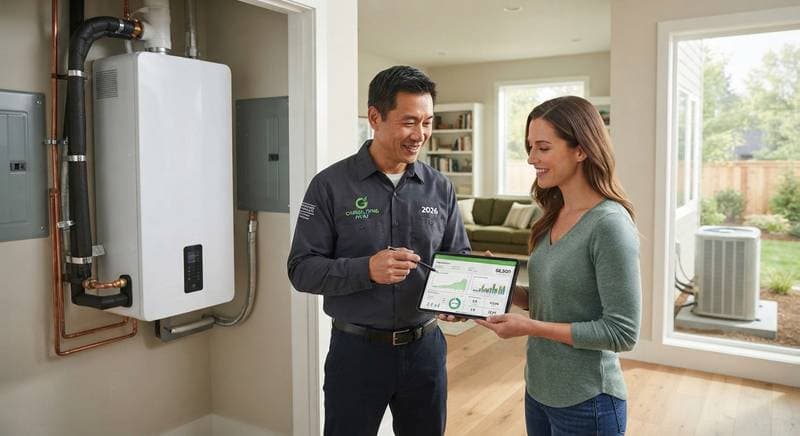
A qualified contractor should perform a room by room heating and cooling load calculation. They should check duct size, airflow, insulation, electrical capacity, and drainage. They should recover refrigerant safely and follow applicable handling rules. They should pull permits and arrange required inspections. They should test refrigerant charge, airflow, controls, and temperature performance after installation. They should explain filter changes, thermostat operation, backup heat, and warranty conditions.
Hire a pro when you see any of these signs: a proposed system size based only on the old unit, a quote that skips duct inspection, a contractor who will not identify permit responsibilities, or a promise of guaranteed resale gains. Confirm license and insurance details through the relevant state and local agencies. A licensed electrician may be needed for panel or circuit work.
Planning the Project and Managing Delays
Allow two to eight weeks from initial quotes to installation. The installation itself often takes one to three days, but equipment availability, permit review, electrical upgrades, and duct repairs can extend the schedule. Ask the contractor to separate confirmed dates from estimates.
Get at least two or three written bids with matching details. Each should state equipment model and capacity, including heating and cooling performance. Each should state whether duct sealing, electrical work, permits, removal, and disposal are included. Each should state the expected installation date and what could delay it. Each should state warranty coverage for equipment and labor. Each should state what testing and documentation you receive at handoff.
If your existing system still works, schedule work during mild weather. Contractors may have more flexibility outside peak heating and cooling demand. If the system is failing, do not delay solely to wait for a seasonal discount. A rushed emergency replacement can limit equipment choices, so request a repair assessment while you compare options.
Look for rebates before signing a contract. Some programs require approved equipment, a registered contractor, or an application before installation. Keep the itemized invoice, permit records, equipment specifications, and proof of payment.
Maintenance and Warranties
Most systems need routine filter changes, outdoor coil checks, and professional service. Follow the equipment instructions for filter frequency, which can range from monthly checks to less frequent replacement depending on the filter and household conditions. Keep leaves and stored items away from the outdoor unit, but do not bend coil fins or spray components with high pressure.
Ask what the warranty covers and what actions can void it. Equipment coverage may differ from labor coverage. Register the system if required, and save receipts for service. A neglected drain line, dirty filter, or blocked outdoor unit can reduce performance and lead to avoidable repair calls.
When preparing to sell, provide buyers with installation and permit records. Provide maintenance invoices and warranty information. Provide a simple guide to thermostat settings and filter size. Provide utility bills that show typical use, with household and weather changes noted.
These records help buyers understand what was installed and how to care for it. They do not guarantee a higher offer, but they reduce uncertainty during inspection and negotiation.
Your Next Steps
Start with an energy and equipment check, not a model number. Gather recent utility bills, note cold or hot rooms, and photograph the electrical panel, existing equipment, and thermostat. Ask two or three licensed contractors for proposals that include a load calculation, duct assessment, permit plan, and full installed price.
Choose the bid that explains the system clearly and includes commissioning and documentation. If you do one upgrade beyond the heat pump, improve leaky or poorly insulated ducts first. That can help the new equipment deliver more even comfort and avoid paying for capacity the home does not need.