Garage Conversions Increase in Popularity by 340 Percent: Maximize Your Home's Potential
Typical costs for a full garage conversion range from $48,000 to $110,000, varying by finish quality and permit requirements. Homeowners increasingly convert unused garages into functional living spaces. These projects enhance property value and provide greater flexibility without the need for major expansions.
Key Cost Components
Materials
Framing and insulation costs range from $4 to $9 per square foot, influenced by wall thickness and insulation R-value. Floor leveling and vapor barrier installation typically cost $1,200 to $3,500. Windows and doors add $2,000 to $6,800, depending on their size and energy efficiency ratings.
Labor
Skilled labor accounts for the largest portion of expenses. Electrical and HVAC installations cost $4,000 to $9,000, based on electrical load and ductwork accessibility. Plumbing for a bathroom or kitchenette ranges from $5,000 to $12,000, particularly if foundation modifications are necessary.
Size and Layout Considerations
A single-car garage measures approximately 200 square feet, while a two-car garage averages 400 square feet. Larger areas increase overall costs but also improve resale potential. Budget $120 to $250 per square foot, adjusted for the level of finishes selected.
Access and Permit Requirements
Local fees for structural, electrical, and occupancy permits total $1,000 to $3,000. Certain regions mandate additional approvals for accessory dwelling units. Verify these regulations early to avoid delays.
Disposal and Optional Features
Removing the overhead door and concrete apron adds $800 to $1,500. Features such as skylights, soundproofing, or built-in storage increase costs by $3,000 to $8,000. Evaluate these based on your intended use for the space.
DIY Options Versus Professional Services
Suitable DIY Tasks
Homeowners can handle interior finishes like painting, flooring installation, trim work, and light fixture placement. Basic insulation installation is feasible if you follow guidelines for vapor barrier placement and use appropriate safety equipment. Non-structural framing for elements like closets or storage areas also works well for DIY efforts.
Essential Professional Involvement
Structural modifications, such as removing or altering load-bearing walls, demand engineering expertise. Electrical and plumbing systems require code compliance and professional inspections. HVAC design and moisture control prevent issues like condensation and mold growth. Licensed professionals manage permit applications, drawings, and inspections efficiently.
Failing to obtain proper permits risks invalidating insurance coverage and reducing future resale value. Always review zoning laws prior to beginning any work.
Project Timeline and Cost-Saving Strategies
Timeline Breakdown
A complete garage conversion requires 6 to 12 weeks. Delays often arise from inspection scheduling or utility interruptions. Allocate 2 to 4 weeks for design and permitting, 4 to 8 weeks for construction, and 1 week for final inspections and adjustments.
Seasonal and Market Influences
Contractor availability decreases during peak summer months, driving up demand. Material costs for items like drywall and insulation may increase by 10 to 15 percent in busy seasons. Schedule projects during cooler months to secure better rates and faster service.
Available Incentives
Explore local programs offering rebates for energy-efficient upgrades in HVAC or insulation. Utilities frequently provide $500 to $1,500 for installations that achieve specified efficiency standards. These incentives can significantly offset initial expenses.
Evaluating Repairs Against Full Replacements
Assess the garage's condition before proceeding. If the structure shows deterioration or foundation cracks exceeding one-quarter inch, consider rebuilding for long-term savings. Surface repairs alone often fail to address underlying water intrusion problems.
When utilities are readily accessible and the framing remains sound, conversion proves more economical than demolition and rebuild. This approach saves $15,000 to $25,000 by utilizing the existing shell.
Calculating Return on Investment
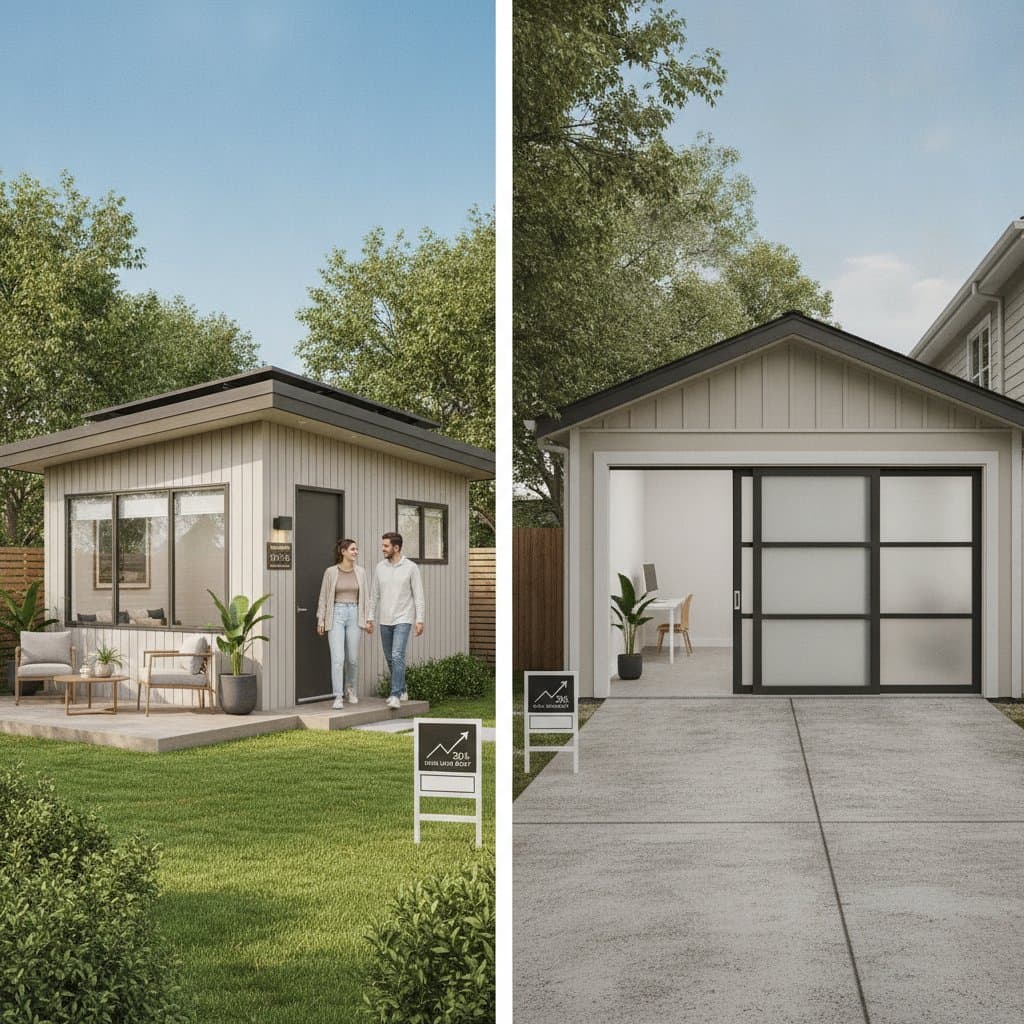
Garage conversions typically recoup 70 to 90 percent of costs through increased resale value, contingent on workmanship and local market conditions. Properties with permitted accessory units sell more quickly and appeal to buyers desiring adaptable spaces.
For rental purposes, expect monthly income of $1,200 to $2,500, varying by location and features. Such revenue can recover the investment in a few years while building substantial equity over time.
Steps to Launch Your Project
- Measure your garage and take detailed photographs, documenting ceiling height and access points.
- Research local zoning regulations regarding accessory dwelling units or secondary living spaces.
- Obtain bids from at least three licensed contractors experienced in similar conversions.
- Verify access to utilities for water, sewer, and electrical enhancements during the design phase.
- Allocate an additional 10 to 15 percent in your budget to cover unforeseen issues in older structures, such as uneven foundations or obsolete wiring.
- Establish inspection checkpoints with your contractor to prevent costly rework.
- Design furniture layouts and storage solutions in advance to ensure the space remains practical and organized.
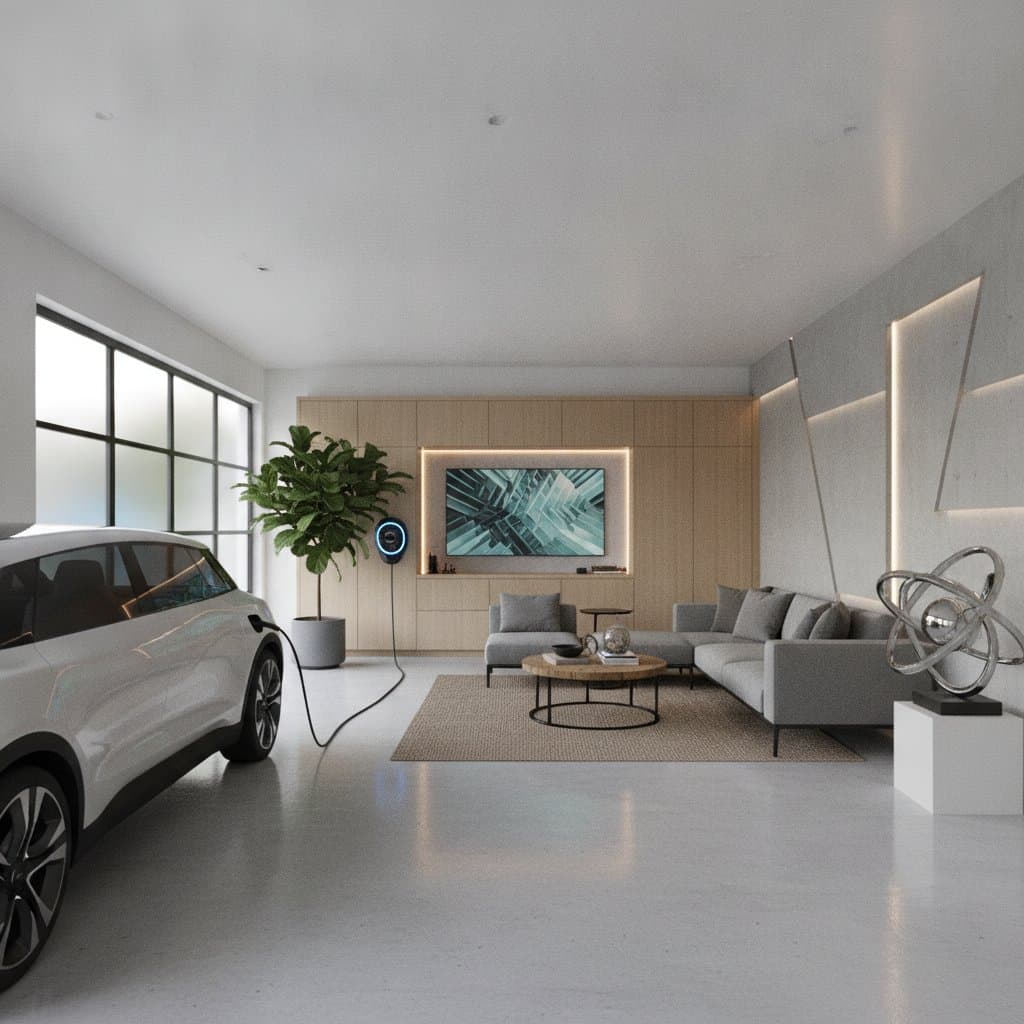
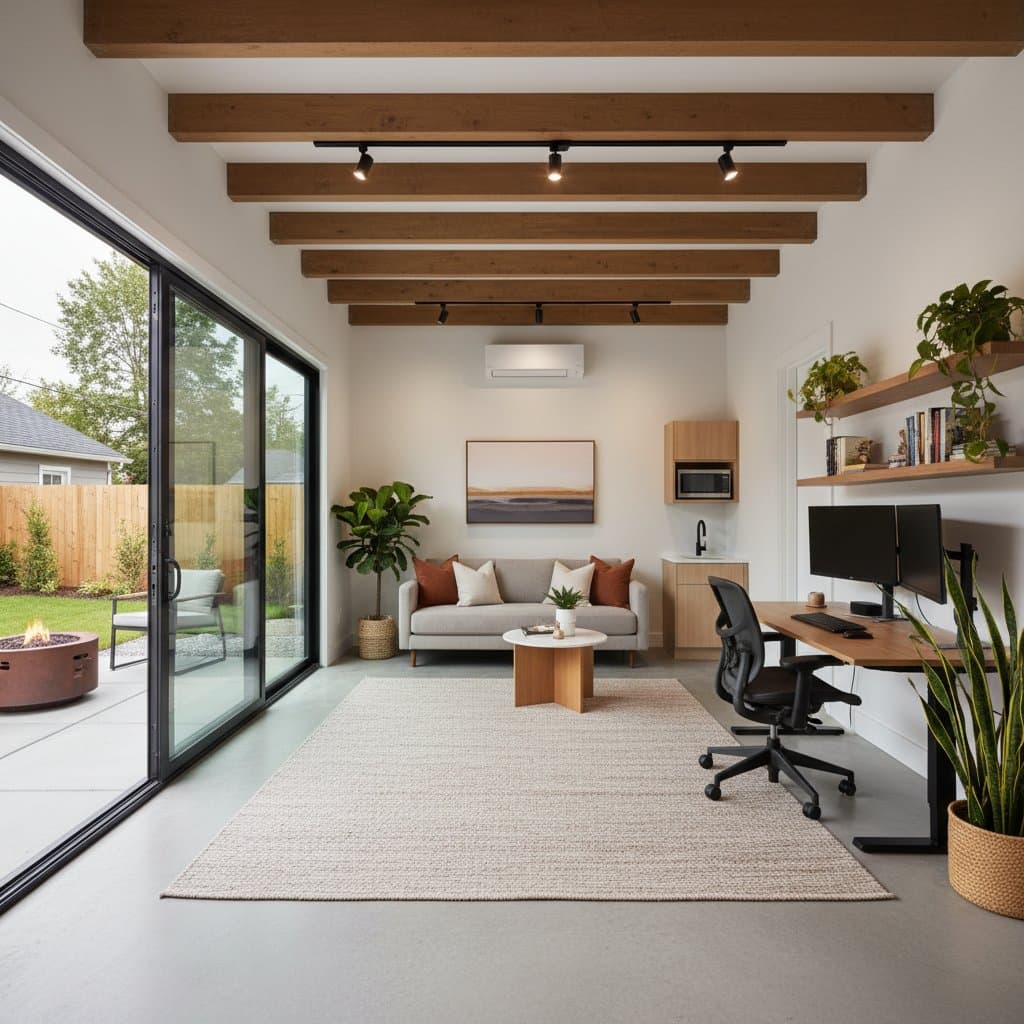
Garage conversions deliver practical square footage gains without altering your property's exterior. They reveal untapped potential, support diverse living arrangements, and prepare your home for evolving requirements.