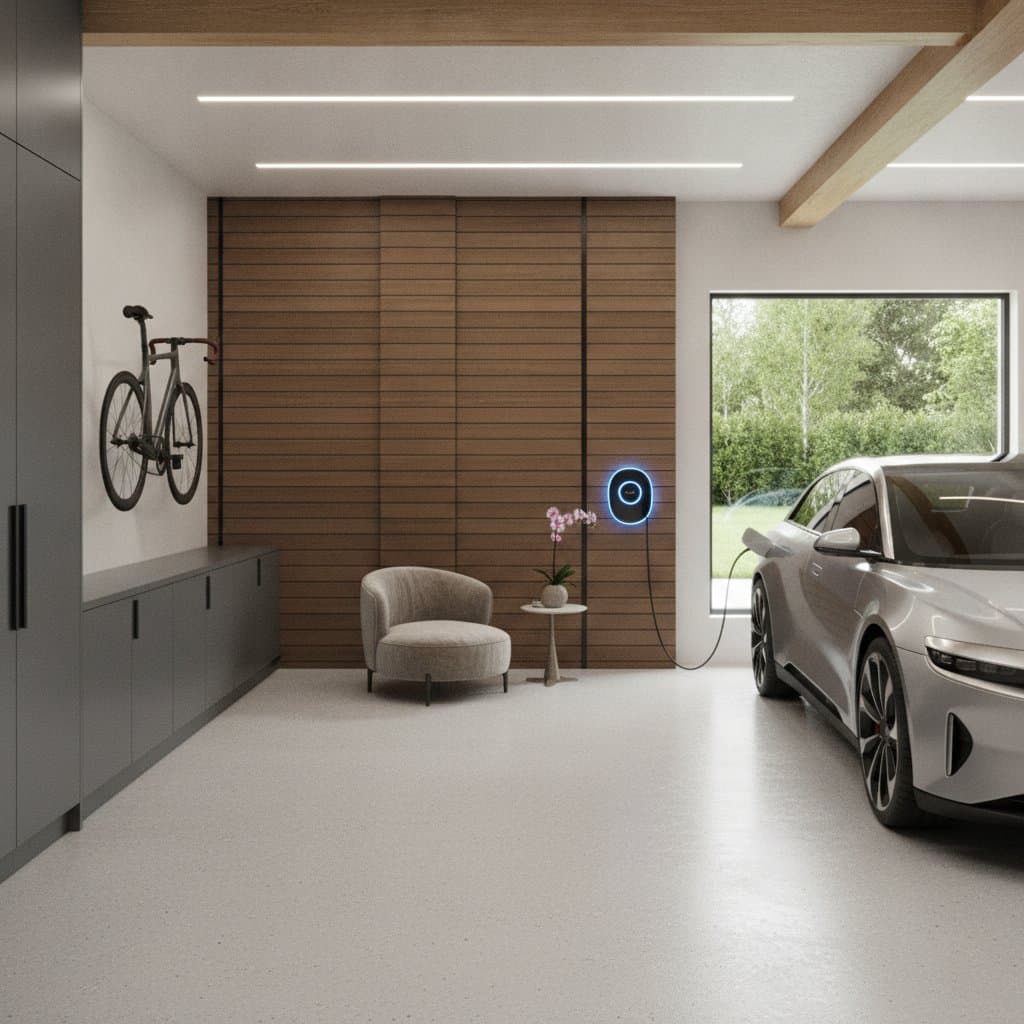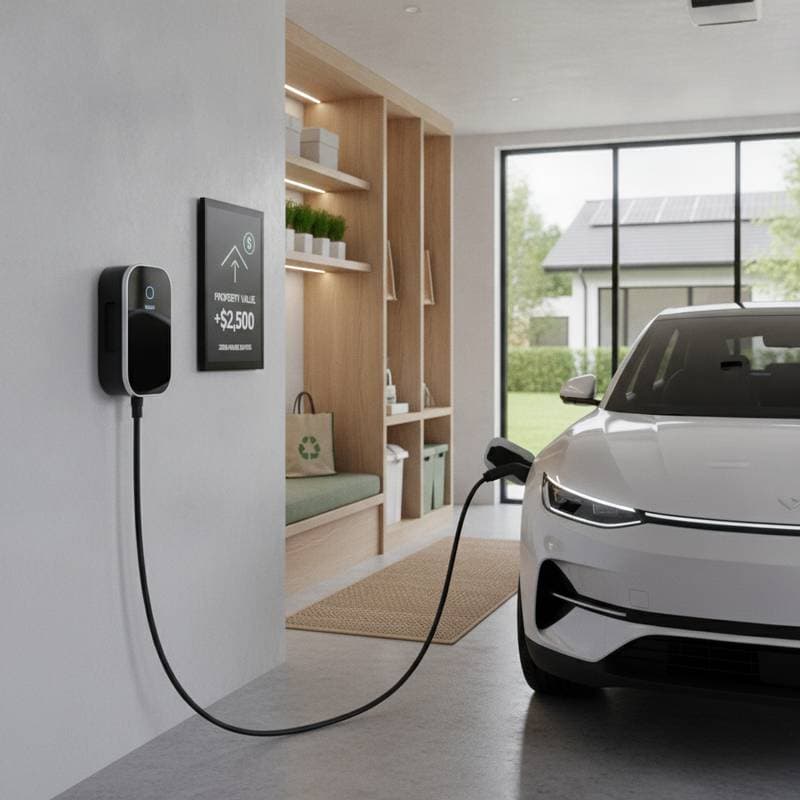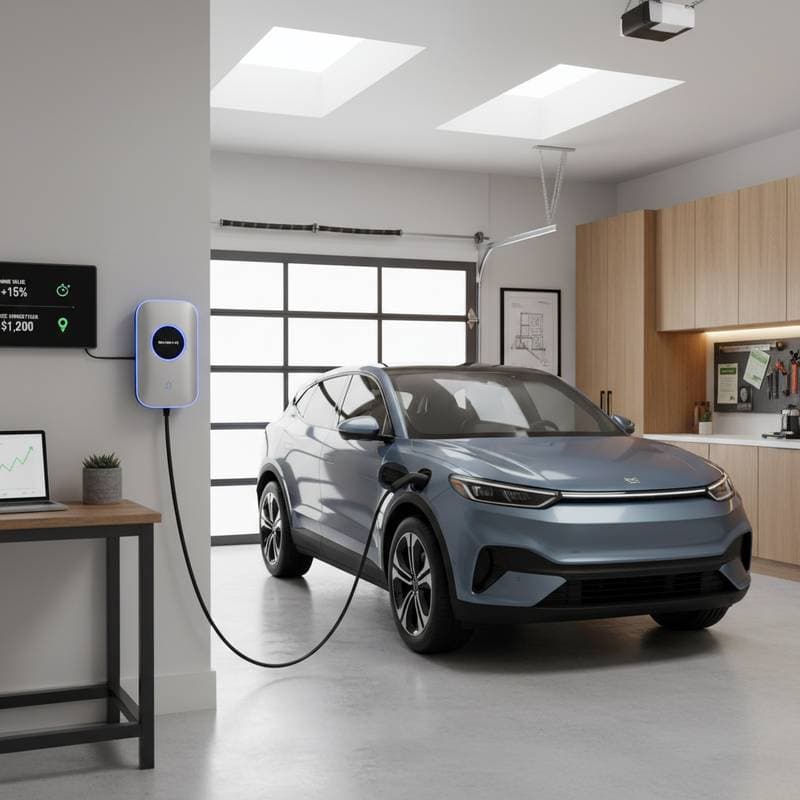
EV Chargers: A 15 Percent Boost to Home Value by 2026
Typical return on investment: 15 percent increase in home value following EV charger installation. Typical installation cost: $1,000 to $2,800.
Homeowners who install an EV charger gain a valuable asset that enhances property appeal. This upgrade meets the growing demand from electric vehicle owners who prioritize convenient charging options. Properties equipped with chargers often sell more quickly and command premium prices, with experts projecting a 15 percent value increase by 2026.
The investment recovers rapidly through reduced energy costs and elevated resale potential. For many families, the payback period spans just a few years. This addition combines practicality with environmental benefits, positioning it as a smart choice for forward-thinking homeowners.
Factors Influencing Installation Costs
The total expense for an EV charger installation varies based on equipment, labor, and the home's electrical infrastructure. Several key elements determine the final figure, allowing owners to budget effectively.
- Charger type:
- Level 1 chargers connect to standard outlets and incur minimal cost if an outlet exists nearby.
- Level 2 chargers range from $400 to $1,200 for the unit itself, plus $500 to $1,600 for necessary electrical modifications.
- Electrical panel capacity: Residences with panels below 200 amps typically require a subpanel or full upgrade, costing $800 to $2,000.
- Wiring and conduit length: Materials and labor add $8 to $12 per foot, depending on the distance from the panel to the installation site.
- Permitting fees: These range from $50 to $250, influenced by local regulations.
- Outdoor setups: Protective enclosures and mounting hardware contribute an additional $100 to $300.
- Miscellaneous adjustments: Tasks such as equipment removal or wall repairs add $100 to $200.
Owners of older homes should allocate an extra 10 to 15 percent of the budget to account for unforeseen issues. Consulting a professional early helps identify potential complications.
DIY Installation Versus Professional Service
Suitable Scenarios for DIY
A Level 1 plug-in charger suits basic needs if a grounded outlet is readily available and no wiring alterations are required. The process takes approximately one hour and demands only essential tools. Homeowners with basic skills can complete this without permits.
Required skills: Basic mechanical aptitude.
Associated risks: Low, provided the outlet functions properly.
Essential tools: Drill, voltage tester, and mounting hardware.
Reasons to Engage a Professional
Professional installation is essential for Level 2 or hardwired systems, which demand a dedicated 240-volt circuit. These setups handle higher power loads, and errors may lead to electrical hazards or insurance complications.
Required skills: Advanced electrical knowledge.
Associated risks: Significant, including shock, fire, or regulatory non-compliance.
Essential tools: Conduit bender, wire strippers, torque wrench, and voltage tester.
Consider hiring an expert if the electrical panel's capacity remains unclear, if outdated wiring such as aluminum or cloth-insulated types is present, or if the charger will serve an outdoor location distant from the panel. Professionals also prove invaluable when preparing a property for sale or rental.
Ongoing Maintenance and Warranty Essentials
Regular Inspection Protocols
Homeowners should examine cables monthly for signs of damage or deterioration. Vents and connectors require cleaning to prevent dust accumulation. Mounting hardware needs tightening every six months, while ground fault circuit interrupter testing occurs annually.
These steps ensure reliable operation and extend the charger's lifespan. Simple vigilance prevents minor issues from escalating.
Cleaning Procedures
Always disconnect power before any cleaning. A soft, damp cloth suffices for surface maintenance; avoid chemical cleaners or sprays. Store cords in loose coils to minimize stress on connection points.
Common Failure Points
Connectors degrade first, particularly in exposed outdoor environments. Prompt replacement of corroded or loose components is crucial. Power supply modules typically endure 10 to 15 years, though moisture exposure can accelerate failure.
Understanding Warranty Coverage
Standard warranties span three to five years, with smart features potentially covered for shorter periods. Retain all purchase records and registration forms to facilitate claims. Extended coverage often applies to core components under normal use.
Selecting the Right Charger Tier
| Tier | Key Features | Approximate Installed Cost | Ideal Applications |
|---|---|---|---|
| Good | Plug-in Level 1 with fundamental safety measures | $300 to $600 | Rental properties or hybrid vehicle users |
| Better | Hardwired Level 2 for consistent charging speeds | $1,000 to $2,800 | Everyday commuters |
| Best | Smart Level 2 with load balancing and mobile app integration | $1,800 to $3,500 | Homes with solar integration or multiple vehicles |
Prioritize smart load management in any selection. This capability accommodates future expansions, such as adding another vehicle, without necessitating additional electrical work.
Ensuring Safety and Regulatory Adherence
Pre-Installation Precautions
Deactivate power at the main breaker before beginning work. Confirm the absence of voltage using a reliable tester. Select only chargers and parts certified by Underwriters Laboratories. Outdoor installations must incorporate ground fault circuit interrupter protection.
These measures safeguard against accidents and ensure system integrity.
When Permits Are Necessary
Permits apply to new 240-volt circuit additions, panel upgrades, or installations in outdoor or detached structures. Compliance avoids delays during property transactions or insurance reviews.
The Role of Licensed Professionals
Electrical work demands certified expertise to meet building codes. Unqualified attempts risk safety and legal repercussions. Verify credentials through state licensing boards before proceeding.
Steps to Complete Your Installation
- Evaluate panel specifications. Confirm a capacity of at least 200 amps.
- Identify suitable locations. Select spaces near parking areas and measure distances to the electrical panel.
- Consult your utility provider. Inquire about available rebates and specialized EV charging rates.
- Obtain multiple estimates. Secure bids from at least two licensed electricians, comparing labor and permitting costs.
- Choose installation type. Base the decision on daily driving patterns and sustainability objectives.
- Time the project wisely. Opt for off-peak seasons to secure lower rates and quicker service.
- Finalize documentation. Register the warranty and establish a maintenance schedule.
For properties nearing sale or refinance, maintain records of permits and installations. This evidence substantiates the enhanced valuation from the charger.
Preserving Long-Term Value
An EV charger operates seamlessly with minimal intervention. Perform biannual connection checks and software updates for smart models. Integration with solar panels or battery systems can reduce charging expenses to near zero during optimal periods.
This synergy amplifies efficiency and sustains the investment's returns over time.
Actionable Recommendations
- Assess electrical infrastructure prior to purchasing equipment.
- Gather rebate information from utilities and local energy authorities.
- Schedule during favorable weather to expedite the process.
- Incorporate intelligent features for households anticipating multiple EVs.
- Archive all documentation to validate resale enhancements.
EV charger installations represent a dependable enhancement to residential properties. Through meticulous planning and professional execution, this upgrade lowers operational costs while elevating market worth by approximately 15 percent in the coming years.