The Hidden Value Boost from Electric Panel Upgrades
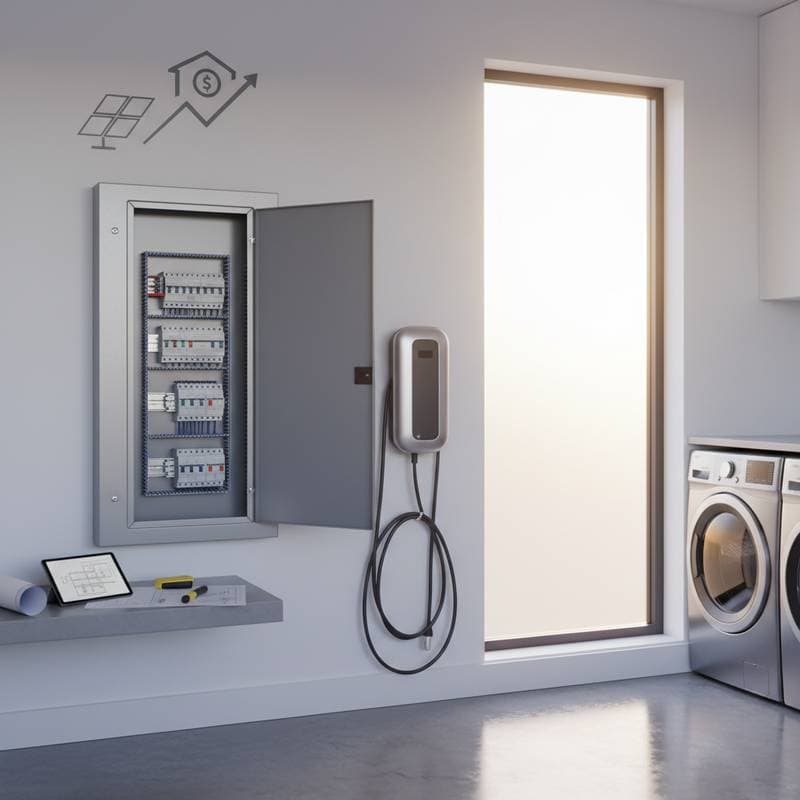
Upgrading the electric panel in your home can increase its market value by up to 15 percent. This improvement enhances safety, provides capacity for modern appliances, and prepares the property for electric vehicle charging and solar energy systems. While the upfront cost requires consideration, the long-term benefits include energy savings, easier resale, and readiness for future electrical demands.
Why Electric Panel Upgrades Are Essential
The electric panel serves as the central hub for your home's electrical system, regulating the flow of power to all circuits. An outdated or undersized panel restricts the safe operation of high-demand devices and limits potential home improvements. This can negatively impact buyer perceptions and appraisal values when compared to properties with updated systems.
A contemporary 200-amp panel accommodates advanced features such as efficient HVAC units, home offices, and electric vehicle chargers. Real estate professionals and appraisers recognize this capacity as a key asset, often leading to higher offers for homes equipped with modern electrical infrastructure over those using obsolete 100-amp panels or fuse boxes.
Key Benefits of an Upgrade
Electric panel upgrades deliver multiple advantages beyond immediate functionality. They ensure compliance with current safety standards, reduce the risk of electrical hazards, and support integration of energy-efficient technologies. Homeowners gain peace of mind knowing their property aligns with evolving building codes and buyer expectations.
In regions with high demand for sustainable living, these upgrades signal forward-thinking maintenance. Properties with enhanced electrical systems frequently command premium prices, reflecting their appeal to tech-savvy and environmentally conscious purchasers.
Steps for Upgrading Your Electric Panel
- Evaluate current capacity. Inspect the main breaker to determine amperage; older homes typically feature 60 or 100 amps, while modern requirements range from 150 to 200 amps.
- Inventory electrical loads. Catalog existing appliances like HVAC systems and kitchen equipment, plus anticipated additions such as EV chargers or expansions.
- Engage a licensed electrician. Professionals assess load requirements, wiring integrity, and grounding to recommend the optimal upgrade.
- Coordinate with the utility provider. Capacity increases may necessitate service line or meter upgrades, handled through the utility.
- Secure necessary permits. Local regulations mandate permits and inspections to verify compliance.
- Execute the installation. The electrician removes the old panel, installs the new one, and reconfigures circuits as needed.
- Conduct testing and certification. Post-installation inspections restore power and provide documentation of electrical compliance.
Cost Breakdown
| Task | Typical Cost | Factors Influencing Price |
|---|---|---|
| 100-amp to 200-amp upgrade | $2,000 to $4,000 | Panel specifications, wiring condition, and regional labor rates |
| New meter and service line | $500 to $1,500 | Utility involvement and potential trenching |
| Sub-panel installation | $400 to $900 | Distance from main panel and circuit count |
| Permit and inspection fees | $100 to $400 | Local government schedules |
| EV charger-ready circuit | $300 to $800 | Cable length and breaker requirements |
Costs fluctuate based on location, with urban settings often at the higher end due to elevated labor expenses.
Timeline for Completion
Upgrades generally require one to two full workdays for the physical installation. The overall process, including permits and utility approvals, may extend to one or two weeks. Delays commonly arise from utility scheduling.
Projects proceed faster with accessible panels, minimal wiring adjustments, and existing grounding. Complications such as drywall modifications or meter relocations can prolong the timeline.
Factors Driving the 15 Percent Value Increase
- Expanded capacity. Prospective buyers value the ability to support EV charging, heat pumps, and solar installations without further modifications.
- Enhanced safety and compliance. Updated panels incorporate advanced fault protection and grounding to meet contemporary codes.
- Insurance advantages. Certain providers offer reduced premiums for homes with modern electrical systems.
- Efficiency potential. Robust panels enable smart home devices and optimized load distribution.
- Market appeal. A well-maintained panel reassures sellers of reduced risks during inspections and negotiations.
These elements collectively elevate property desirability and streamline the selling process.
Indicators That Signal the Need for an Upgrade
Consider an electric panel upgrade if breakers trip often, lights dim under heavy load, or the panel exhibits heat or burning odors. Reliance on extension cords or power strips also indicates insufficient capacity. Plans for central air conditioning, EV charging, or circuit additions further justify the change.
Homes with fuses or aluminum wiring present immediate safety concerns and may hinder insurance coverage. Addressing these promptly prevents escalation and ensures habitability.
Professional Installation Versus DIY Approaches
Limited DIY tasks, such as replacing a single breaker under licensed supervision and with permits, remain feasible for experienced individuals. However, full panel upgrades demand professional expertise due to their complexity and legal requirements.
Licensed electricians excel in load calculations, wire sizing, grounding implementation, and code adherence. They manage inspections and utility interfaces, minimizing risks like fires, shocks, or insurance invalidation. Always confirm the electrician's licensing and insurance before proceeding.
Regional and Environmental Considerations
Adaptations vary by climate and location. In cold areas, panels in unheated spaces require enclosures resistant to condensation. Hot regions necessitate shaded or ventilated outdoor installations to avoid overheating.
Coastal properties benefit from corrosion-resistant, weatherproof panels. In hurricane or wildfire-prone zones, local codes may mandate reinforced mountings or quick-disconnect features. Consult the National Electrical Code and any municipal amendments, such as requirements for arc-fault breakers in living areas.
Preparing for Electric Vehicle Charging
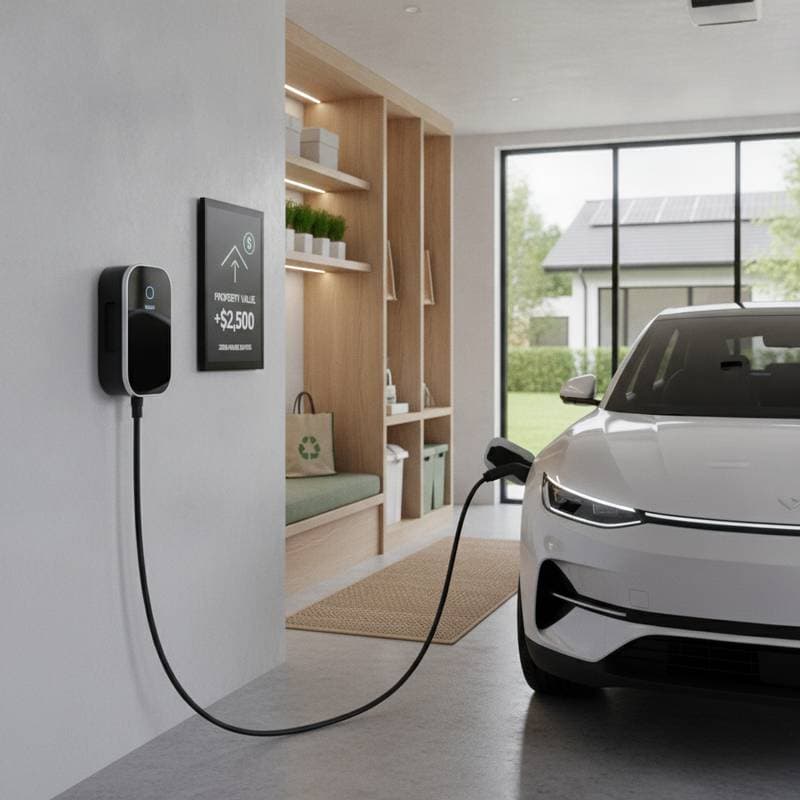
Level 2 EV chargers require 30 to 50 amps, often exceeding the limits of older panels. A 200-amp upgrade with a dedicated breaker slot future-proofs the home for this demand.
This feature attracts younger demographics and accelerates sales, according to real estate insights. Incorporating charger wiring during the upgrade proves more economical than later retrofits.
Integrating Solar and Battery Systems
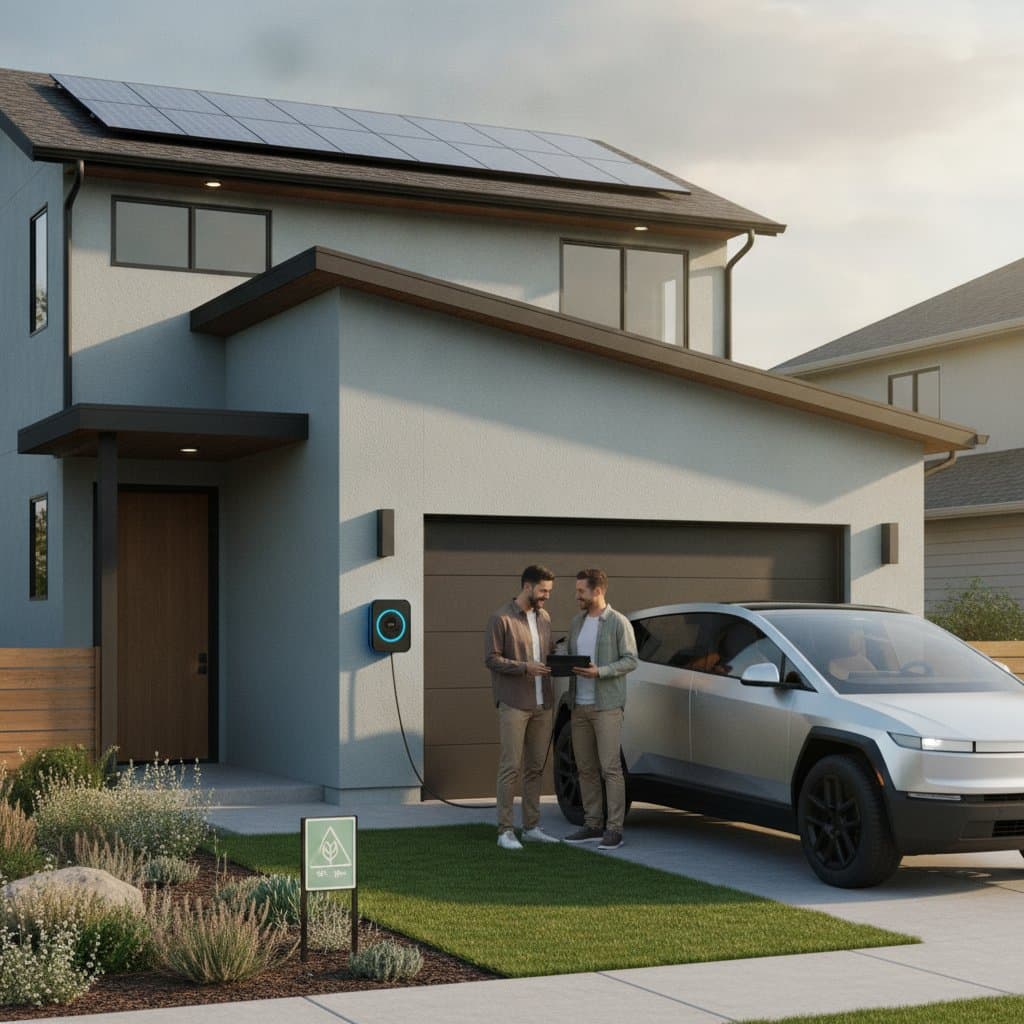
Solar installations and battery storage demand panels with available slots and sufficient bus capacity. Proactive upgrades avert costly rewiring and facilitate access to renewable incentives.
Many providers bundle panel enhancements with solar preparations, streamlining inspections and reducing overall expenses.
Comparing 100-Amp and 200-Amp Panels
| Feature | 100-Amp Panel | 200-Amp Panel |
|---|---|---|
| Suitable for | Small homes or condos | Standard family residences |
| EV Charger Compatibility | Level 1 only | Level 2 and potential dual setups |
| Upgrade Cost | $1,500 to $2,500 | $2,500 to $4,000 |
| Value Appreciation | 5 to 8 percent | Up to 15 percent |
| Solar Integration | Restricted | Comprehensive support |
The 200-amp configuration aligns with new construction standards and supports long-term home evolution.
Warranty and Insurance Considerations
Manufacturers typically warrant panels against defects for several years, while electricians provide one- to two-year labor guarantees. Bypassing permits or unqualified work risks nullifying these protections and home insurance policies.
Insurers may demand inspection proof for claims. Retain permit documents and certificates for sales or audits.
Common Upgrade Scenarios
| Scenario | Recommended Action | Rationale |
|---|---|---|
| Installing an EV charger | Upgrade to 200 amps | Accommodates increased load |
| Replacing a fuse box | Complete panel replacement | Achieves safety and code standards |
| Home expansion | Install sub-panel | Simplifies circuit organization |
| Solar or battery planning | Select solar-ready panel | Avoids subsequent disruptions |
These strategies match contemporary power consumption patterns and promote cost-effective planning.
Impact on Energy Consumption
While not directly reducing bills, upgraded panels facilitate efficient power distribution, minimizing losses from outdated components. They enable smart systems that optimize usage during off-peak hours, potentially lowering costs in time-of-use pricing areas.
Potential Additional Expenses
Anticipate costs for wall repairs if the panel is recessed, meter relocations per utility rules, or service mast reinforcements. Older grounding systems may require new rods or bonding.
Request detailed quotes covering these items to avoid surprises from utility demands or concealed wiring issues.
Securing Lasting Advantages
An electric panel upgrade establishes a reliable base for all subsequent electrical enhancements. It delivers secure power flow, simplified upkeep, and alignment with emerging technologies. Long-term residents avoid interruptions from future installations, while sellers highlight a modernized, low-risk property to command stronger offers.