Moody Dark Walls Accelerate Home Sales by 10 Percent in 2025
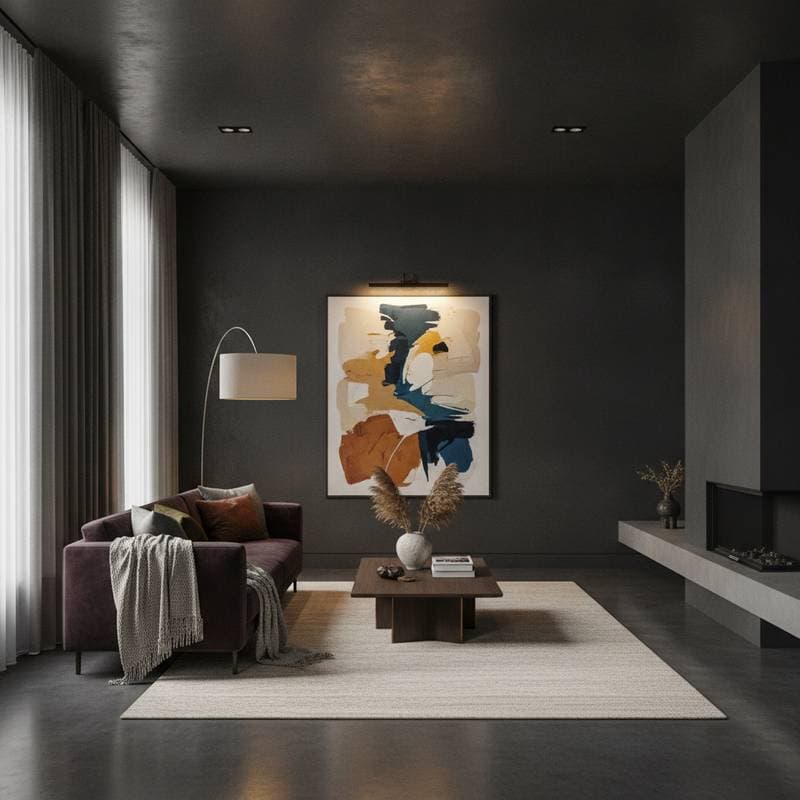
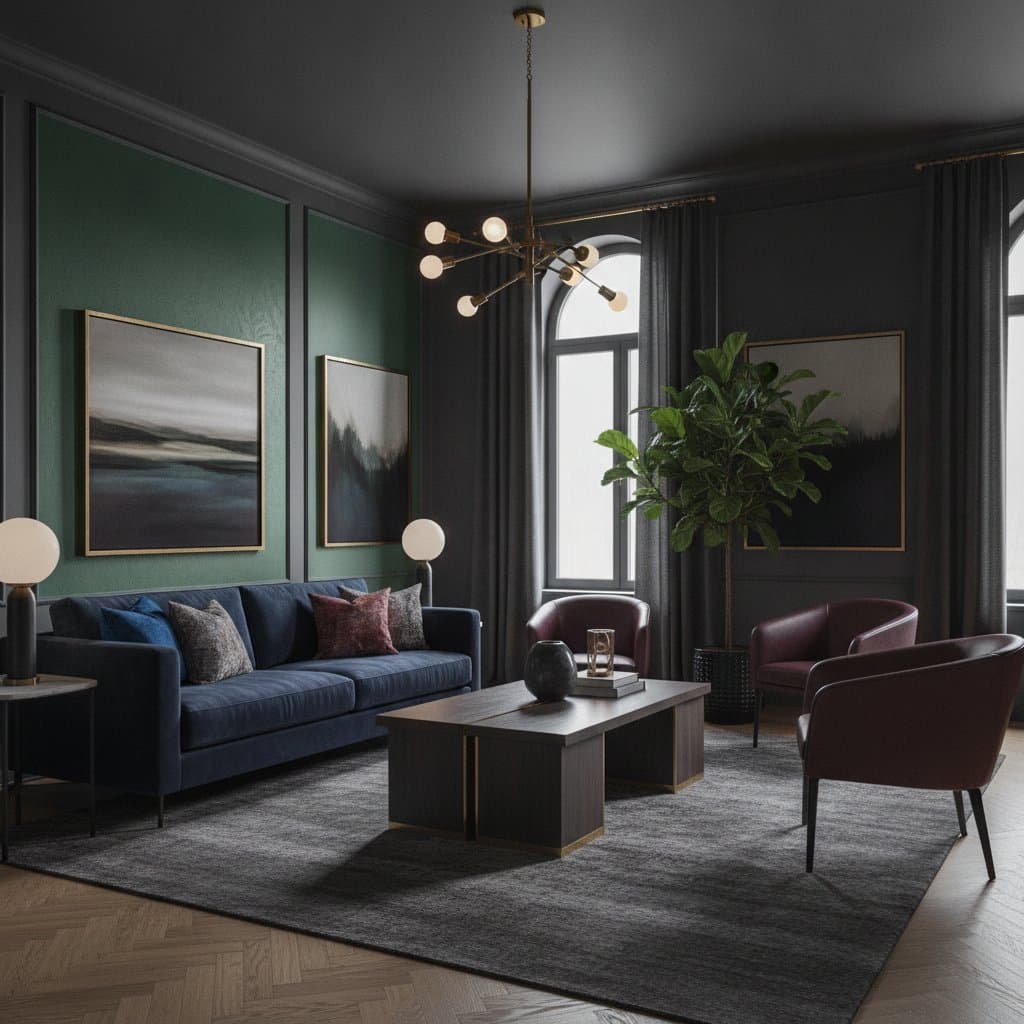
Dark walls represent a strategic choice rather than a risky experiment. Properties with saturated, moody paint colors close deals up to 10 percent faster compared to those using conventional light neutrals. Buyers seek depth, drama, and visual contrast. A well-selected dark shade grounds a space, imparts a modern edge, and demonstrates deliberate design.
Reasons Dark Walls Attract Buyers
Traditional real estate guidance favored white and beige palettes. The rationale centered on neutrality, allowing buyers to envision their personal touches. Current market dynamics shift this perspective. Buyers prefer homes that appear professionally styled and thoughtfully assembled. A moody dark wall conveys assurance in design choices. It infuses personality while maintaining an upscale vibe.
Dark paint enhances photography as well. Listing images gain vibrancy through heightened contrast, rendering rooms more three-dimensional on digital displays. This element proves crucial in a market dominated by online browsing, where visuals determine whether a property secures in-person viewings. A charcoal living room or navy bedroom seizes focus amid endless streams of subdued interiors.
Psychological Impact of Moody Colors
Dark hues achieve effects unattainable with lighter options. They foster a sense of intimacy by drawing walls inward optically, creating environments that feel secure and serene. In bedrooms, this translates to coziness and tranquility. In dining spaces or offices, it promotes concentration and purpose.
Psychological research supports these outcomes. Cool dark shades evoke stability and reliability. Warm dark variants inspire warmth and opulence. Both categories elicit emotional reassurance. As prospective buyers tour a property, this reassurance influences swift choices and competitive bids.
Recommended Shades for Market Success
Full-home dark painting remains unnecessary. Targeting one or two key areas suffices. Select contemporary shades that avoid a somber appearance.
Leading color options:
- Charcoal gray infused with brown undertones for subtle warmth
- Deep navy, ideally in matte execution
- Forest green featuring softened nuances
- Soft black devoid of stark blue hues
- Aubergine or smoky plum for understated elegance
These perform optimally in well-lit rooms paired with pristine white trim to offset their intensity.
Guidelines for Incorporating Moody Walls Effectively
- Select an initial surface. Begin with a single wall in a prominent area. Observe color shifts across daylight hours.
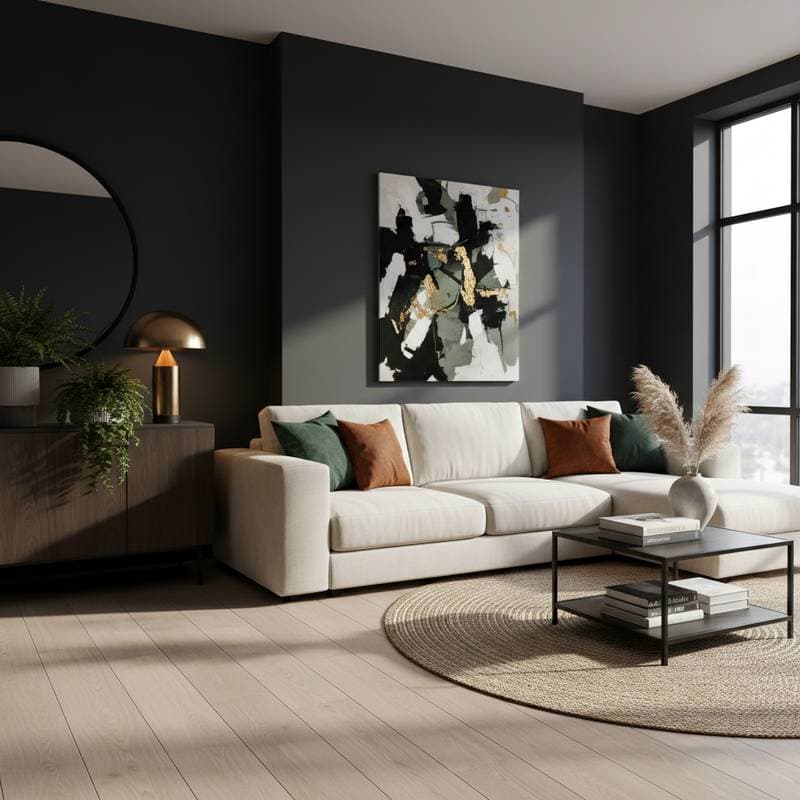
- Incorporate texture for balance. Introduce elements like linen drapery, light-toned wood, or brass accents.
- Opt for matte or eggshell sheen. Glossy surfaces accentuate flaws. Matte variants absorb illumination and project richness.
- Maintain a balanced scheme. Employ light ceilings and trim to delineate boundaries clearly.
- Implement multi-level illumination. Integrate table lamps, wall-mounted fixtures, and warm-toned bulbs to sustain an appealing ambiance.
A single dark accent can guide the overall aesthetic. Executed properly, it appears purposeful rather than overwhelming.
Associated Expenses
| Task | Typical Cost | Influencing Factors |
|---|---|---|
| Paint and supplies | $40 to $120 per gallon | Brand reputation, finish type, pigment density |
| Professional service | $2 to $5 per square foot | Surface preparation, elevation, geographic location |
| Self-directed project | $60 to $200 overall | Coat quantity, equipment acquisition |
Costs fluctuate by location. Darker pigments frequently require dual applications, increasing material and labor demands.
Timeline Considerations
Repainting one room demands approximately one full day, encompassing preparation and curing periods. A comprehensive interior update may span three to five days with professional assistance. Ambient humidity and ventilation rates influence drying speed, particularly in moist environments. Optimal conditions involve airy spaces at temperate levels.
Self-Directed Versus Professional Approach
Pursue self-directed efforts when:
- Steady application skills and essential tools are available.
- Surfaces feature straightforward designs without elevated reaches.
Engage professionals for:
- Intricate detailing or lofty structures.
- Seamless, uniform results.
- Time constraints or imminent sales deadlines.
Experts deliver precise borders, manage complex angles, and offer insights on finish and color subtlety. Subpar self-applications risk uneven dark coverage, diminishing market attractiveness.
Essential Equipment and Supplies
- Specialized paint and primer for deep shades
- Quality rollers and fine-angled brushes
- Adhesive tape and protective sheeting
- Abrasive paper or blocks for smoothing
- Stepladder or pole extender as required
- Gentle cleanser for pre-paint wall washing
Appropriate primer selection proves vital. Certain formulations offer pre-tinted bases that promote even dark coverage.
Preparation and Safety Measures
Don a respirator during surface abrasion of legacy coatings. Ensure ample airflow through open vents. Exclude animals and children from the area until complete drying occurs. For structures predating current regulations, assess for lead content prior to disturbance. Seal surplus paint securely, storing it distant from ignition risks.
Adaptations for Regional and Weather Variations
In high-humidity seaside zones, matte dark finishes may reveal water stains prominently. Select vapor-barrier options for wet zones like baths or kitchens. Arid, sun-exposed regions accelerate pigment degradation in dark applications. Prioritize UV-stable formulations. Colder areas benefit from deep tones that visually warm interiors, providing subtle solace in extended seasons.
Municipal regulations seldom restrict internal colors, though community associations may oversee external dark applications. Verify guidelines for any exposed outdoor elements.
Mechanisms by Which Dark Paint Expedites Sales
Buyers initiate searches visually. Properties with moody finishes appear complete both digitally and onsite. Deep colors delineate zones in expansive layouts. They also mask subtle imperfections amplified by pale paints.
Agents observe that listings with at least one accented dark room differentiate themselves. Such homes project readiness for occupancy, eschewing blank-canvas sterility. Dark backdrops simplify staging, as decor elements gain prominence, illustrating scale and harmony to viewers.
Pitfalls to Sidestep
- Neglecting base coats. Deep shades expose irregularities. Priming ensures color fidelity and even texture.
- Overlooking illumination layers. Unlit dark spaces appear dull. Incorporate ambient and task lighting.
- Applying dark universally. Excessive saturation induces confinement. Preserve light overheads and edges.
- Selecting reflective sheens. High-gloss distorts light distribution. Favor subdued finishes.
- Relying solely on digital previews. Apply samples physically. Displays alter hue perception.
Staging Strategies for Darkened Spaces
- Position mirrors to reflect and amplify light.
- Layer floor coverings in paler registers for visual relief.
- Choose oversized, minimalist artwork.
- Introduce live plants for organic vitality.
- Capture images during peak natural light for promotional use.
Dark walls harmonize with organic materials such as woven fibers, soft fabrics, and natural stone. This pairing yields a contemporary yet enduring aesthetic.
Strategic Timing for Professional Assistance Pre-Listing
For properties nearing market entry, professional painting yields substantial returns. Flawless application elevates apparent worth swiftly. Specialists recommend localized trends in hue pairings that resonate with regional buyers. Forward-thinking agents incorporate such updates into pre-listing protocols, given the favorable cost-benefit ratio.
Expert Recommendations for Optimal Results
- Sample three variants within a tonal group prior to final selection.
- Evaluate appearances under varied lighting conditions.
- Secure borders meticulously, peeling tape at semi-dry stages.
- Apply in consistent, vertical sweeps.
- Allow full hardening before reinstalling fixtures or decor.
Thorough groundwork investment results in a premium, deliberate finish.
Implementation Roadmap
To prepare a property for sale, designate one or two spaces for dark treatment. Prioritize communal areas or primary sleeping quarters. Select profound neutrals aligning with current floors and moldings. Offset with airy, tactile furnishings. This dynamic elevates promotional visuals significantly.
Frequently Asked Questions
What is the ideal room for a dark accent wall? Living areas or master bedrooms respond best, as they serve as focal points for buyers and benefit from the added drama without overwhelming smaller spaces.
How do dark walls impact energy efficiency? They absorb heat in sunny climates, potentially reducing cooling needs, but pair them with efficient lighting to maintain balance.
Can dark paint hide wall imperfections? Yes, deeper shades camouflage cracks and uneven textures better than lights, though proper priming remains essential for longevity.
Is matte finish suitable for all rooms? Matte works well in low-traffic areas but consider semi-gloss in kitchens or baths for easier cleaning and moisture resistance.
How soon after painting can a home be listed? Allow 24 to 48 hours for drying, plus a week for full curing to avoid odors during showings.