Embracing Dark Paint for Warm, Modern Interiors
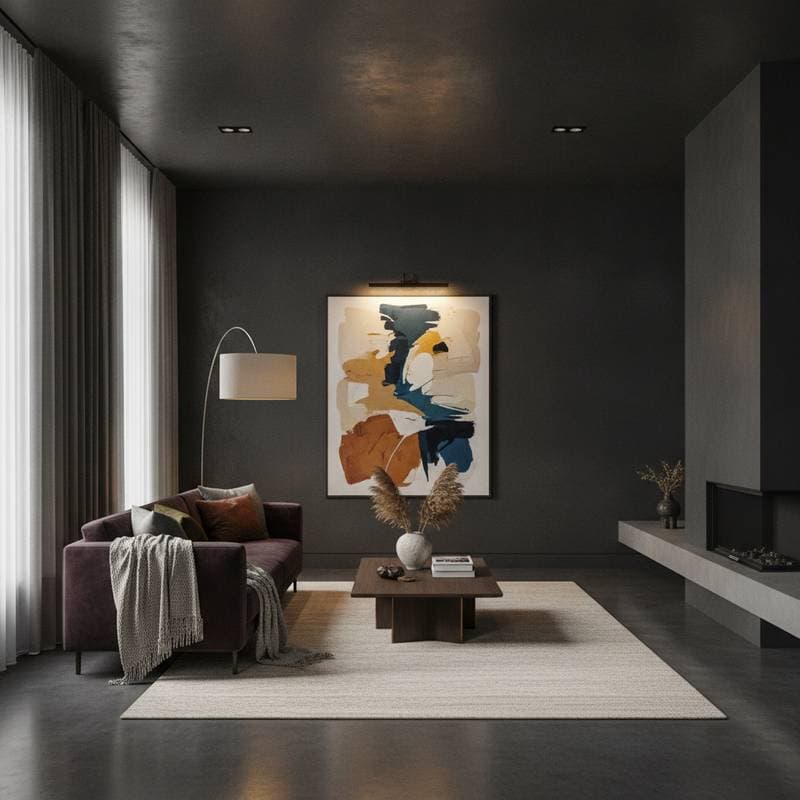
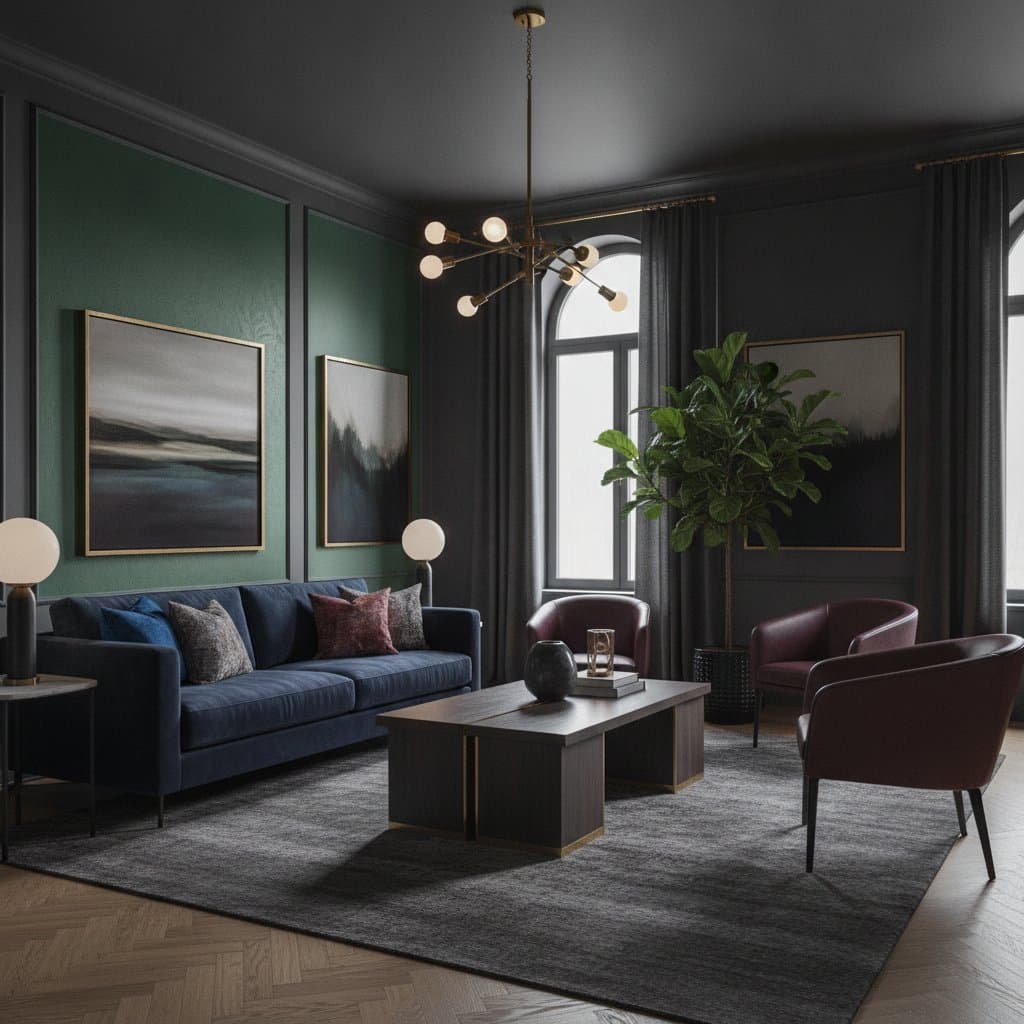
Dark walls are back. Deep charcoals, rich greens, and midnight blues are taking over bright white interiors. If you want a home that feels grounded, dramatic, and modern, this is your moment. The moody paint trend is about confidence and comfort, not gloom.
Why Moody Colors Work Now
Light tones had their run. People are ready for warmth and depth. Dark paint colors create cozy rooms, sharper contrasts, and a sense of luxury. When natural light hits a deep wall, it glows softly instead of bouncing harshly. That texture makes your space feel layered and personal.
This trend fits both new builds and older homes. It makes small rooms feel intimate and open spaces feel more balanced.
Best Moody Paint Colors for 2026
Expect to see dark neutrals with subtle undertones. Charcoal gray remains the anchor, but new shades add warmth and complexity.
- Charcoal Black: Clean, timeless, and modern. Works with wood trim or brass fixtures.
- Deep Olive: Adds organic calm. Great for kitchens or studies.
- Midnight Blue: Elegant and serene. Pairs well with light flooring.
- Ink Green: Strong and earthy. Ideal for bedrooms or bathrooms.
- Warm Espresso: A dark brown with red undertones that flatters natural light.
The key is to pick a dark tone with a visible undertone. Cool grays can feel sleek but cold. Warm charcoals or deep greens add life and flexibility.
Steps to Paint with Dark Colors
- Test First. Paint a large sample board and move it around the room. Check it in morning and evening light.
- Prep the Walls. Dark paints reveal every flaw. Fill holes, sand lightly, and prime with tinted primer.
- Use Quality Tools. Choose a high-quality roller, angled brush, and painter tape.
- Apply Two Coats. The first coat sets the base, the second brings depth.
- Finish Strong. Semi-matte sheens give the best texture and hide minor marks.
Dark paint needs care in application. Clean edges and even coverage make the difference between bold and messy.
Cost Breakdown
| Task | Typical cost | What affects price |
|---|---|---|
| Paint and primer | $40 to $90 per gallon | Brand, finish, coverage quality |
| Supplies (rollers, tape, brushes) | $25 to $75 | Size of project |
| Professional labor | $2 to $6 per sq. ft. | Wall height, prep work, region |
Prices vary by region. A single accent wall can cost under $200 if you DIY. A full-room job by a pro can range from $500 to $1,500 depending on size and prep needs.
Time to Complete
- DIY: 4 to 6 hours for prep and painting a small room.
- Pro: Usually completed in one day per room.
Drying time depends on humidity and ventilation. Darker paints often need an extra hour between coats.
DIY vs Pro
DIY if: You are comfortable with brushwork and have the time for careful prep.
Hire a pro if: You have textured walls, high ceilings, or multiple rooms. Professionals deliver smoother finishes and sharper edges.
Pros also know how to avoid uneven sheen, which can show up more with dark colors. Poor prep or skipped primer can lead to streaks that are hard to fix later.
Tools and Materials Checklist
- Tinted primer
- High-quality paint (satin or matte finish)
- Painter tape
- Roller frame with 3/8-inch nap
- Angled brush for corners
- Drop cloths and ladder
- Sandpaper and filler compound
Each item connects to a step in the process. Skipping one adds time or reduces quality.
Lighting and Finish Tips
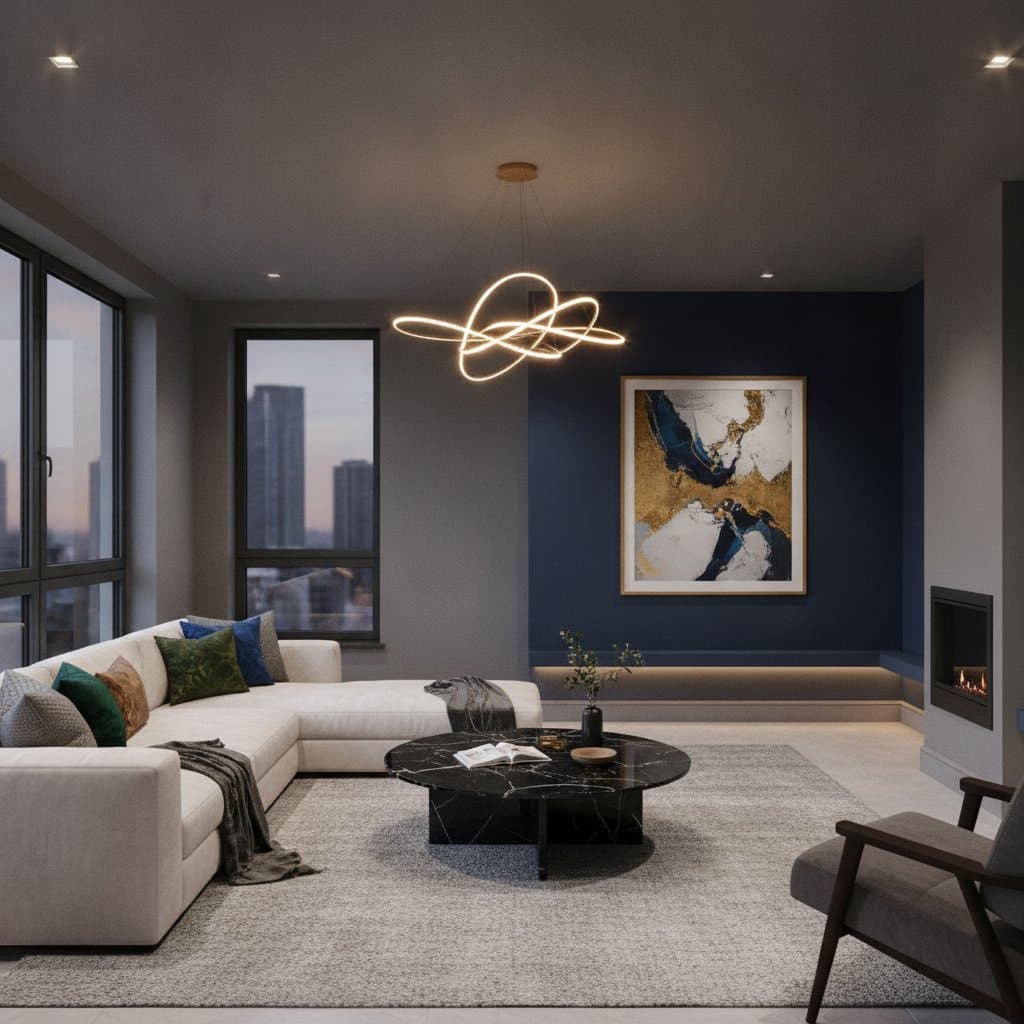
Dark paint works best with layered lighting. Combine overhead fixtures with wall sconces or table lamps. Warm bulbs soften the contrast and keep the mood inviting.
For trim, use a color two shades lighter or a crisp neutral. Pure white trim can look too sharp next to dark walls. A soft ivory or light gray keeps balance.
Regional and Climate Notes
In sunny climates, dark walls can absorb heat. Use them in shaded rooms or areas with good airflow. In cooler regions, they add warmth and comfort.
If your home sits in a humid zone, pick washable, mildew-resistant paint. Always check local codes if painting near gas lines or vented equipment, especially in basements or utility areas.
Pro Tips for Success
- Paint in natural daylight when possible to spot coverage gaps.
- Stir paint often to keep pigment even.
- Keep a small amount of paint for touch-ups after furniture moves.
- Use dark colors strategically. Accent walls, ceilings, and built-ins can create drama without overwhelming a space.
Dark colors also hide fingerprints better than pale ones, which makes them smart for high-traffic areas.
FAQs
What colors go with dark walls?
Light neutrals, brass, wood, and stone textures pair beautifully with dark paint.
Can dark paint make a small room smaller?
Not always. If you keep lighting balanced and furniture light, it can feel cozy, not cramped.
Do dark colors fade faster?
Slightly. Sunlight can lighten pigments over time. Use UV-filtering curtains if the room gets strong sun.
Is primer necessary for dark paint?
Yes. Tinted primer helps the paint cover evenly and prevents streaking.
Living with Moody Paint
Dark walls are more than a style choice. They create calm, focus, and personality. A deep color can make your art pop and your furniture feel grounded.