Why Dark Moody Interiors Boost Home Value in 2026
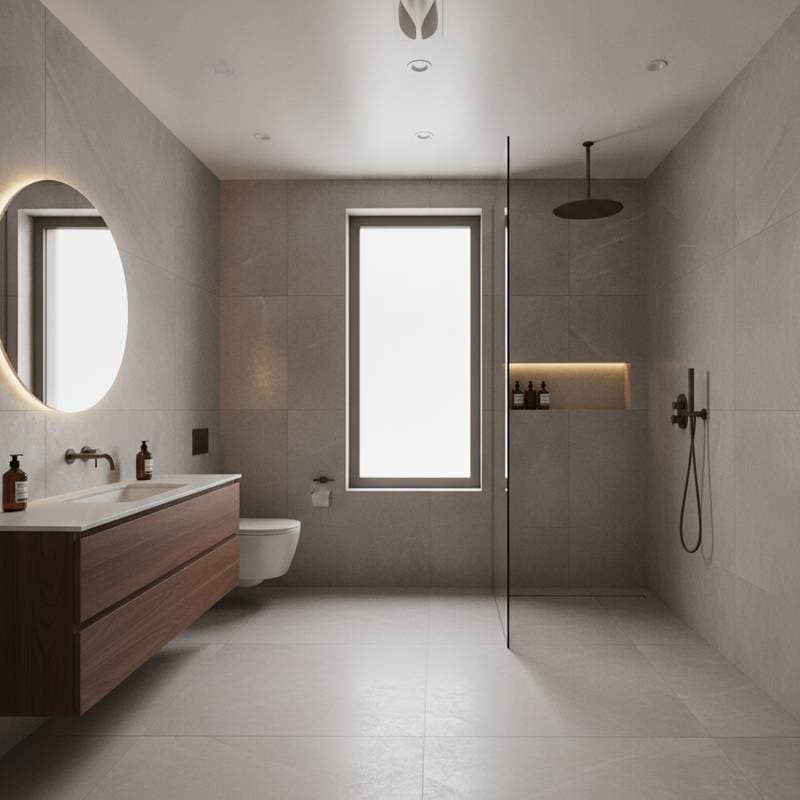
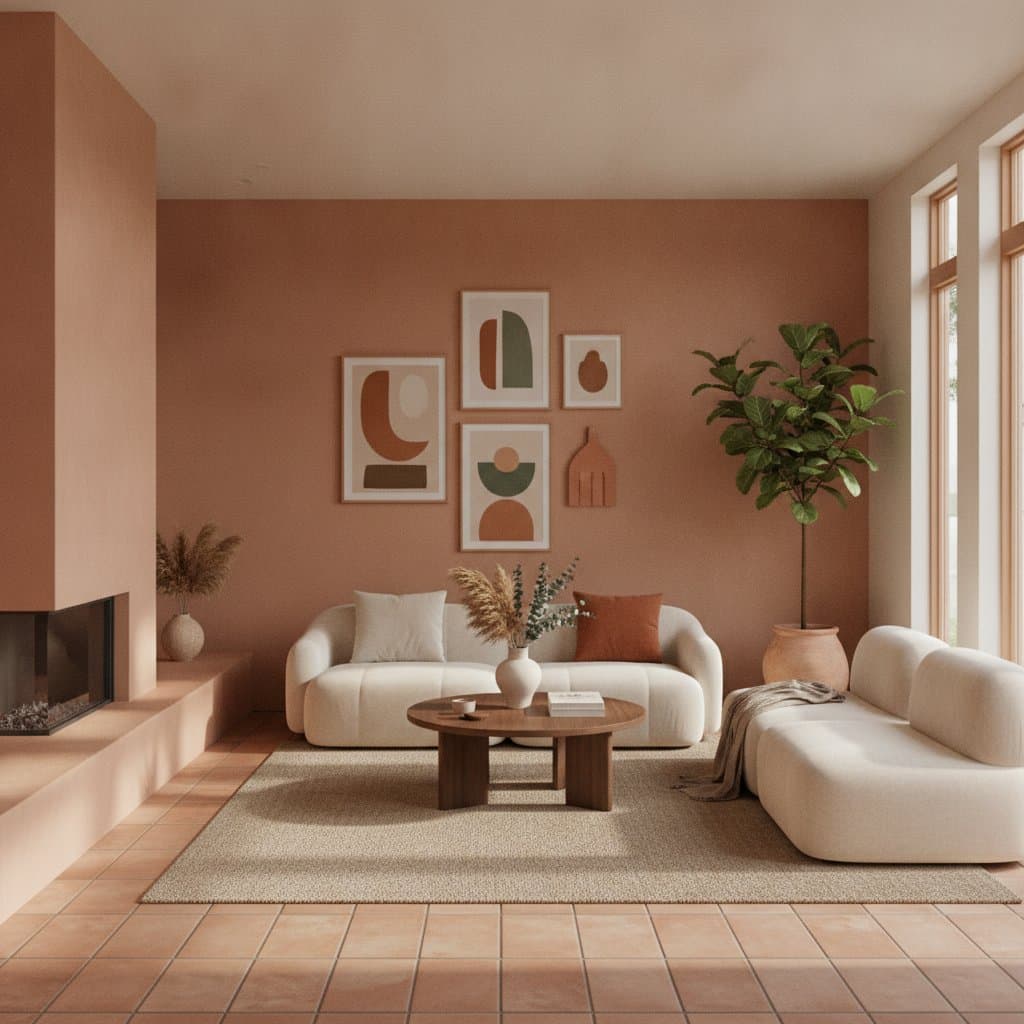
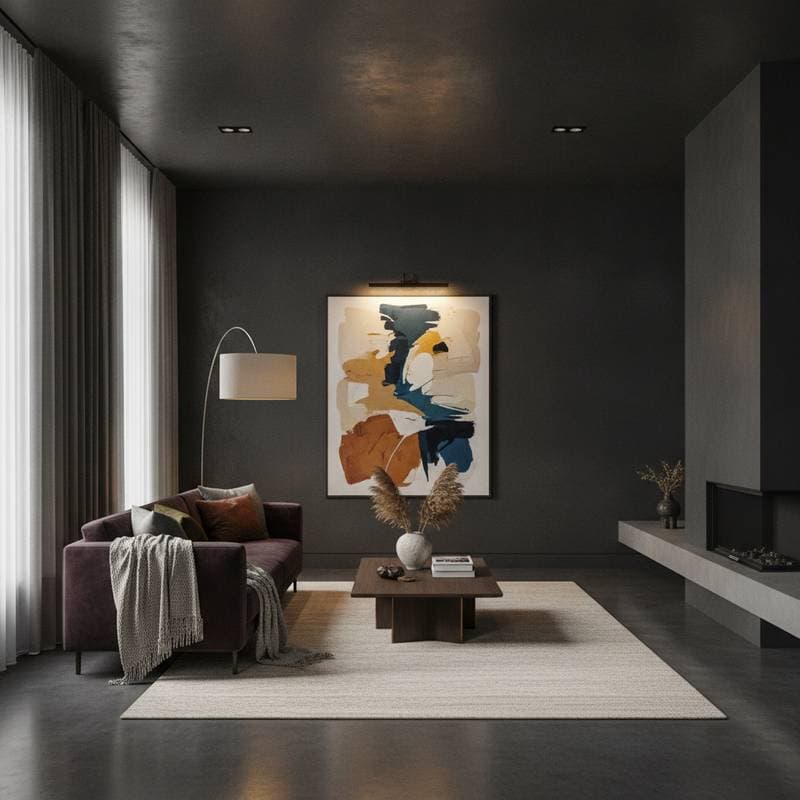
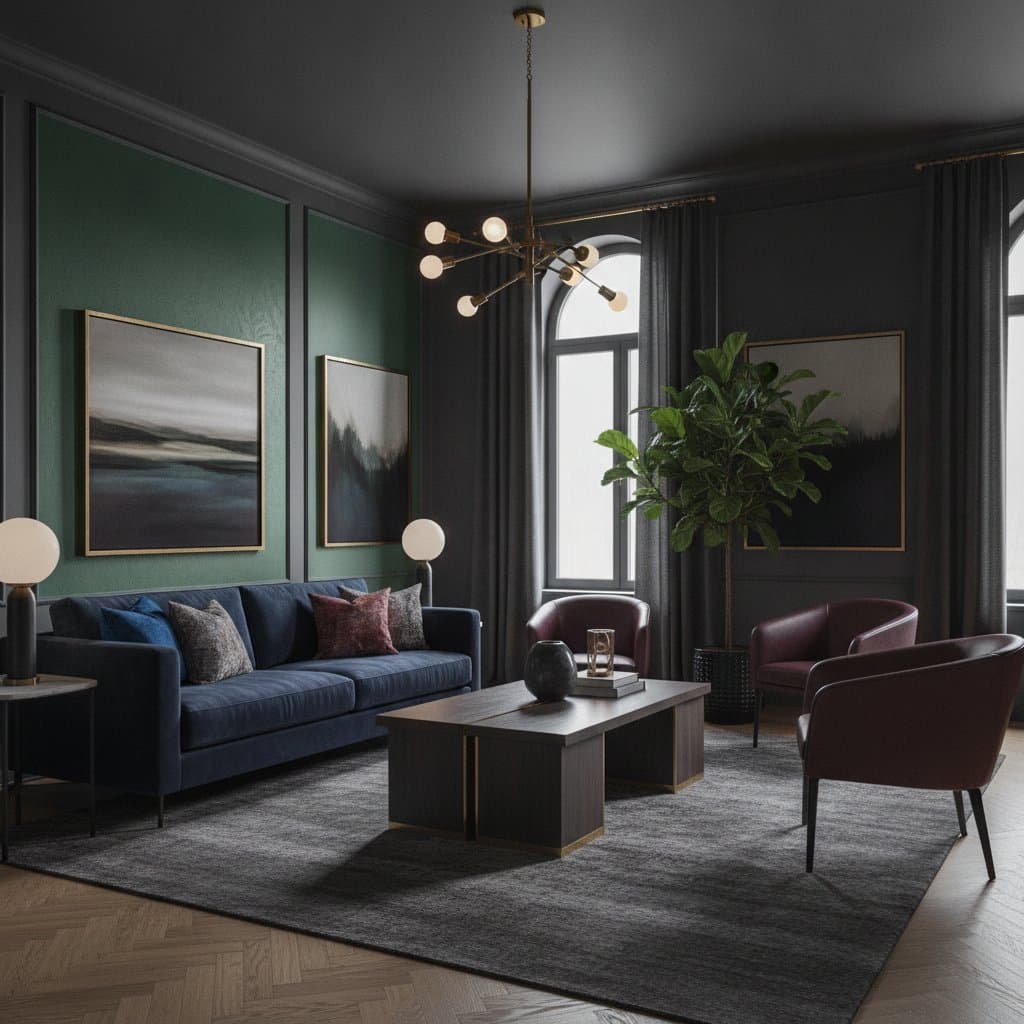
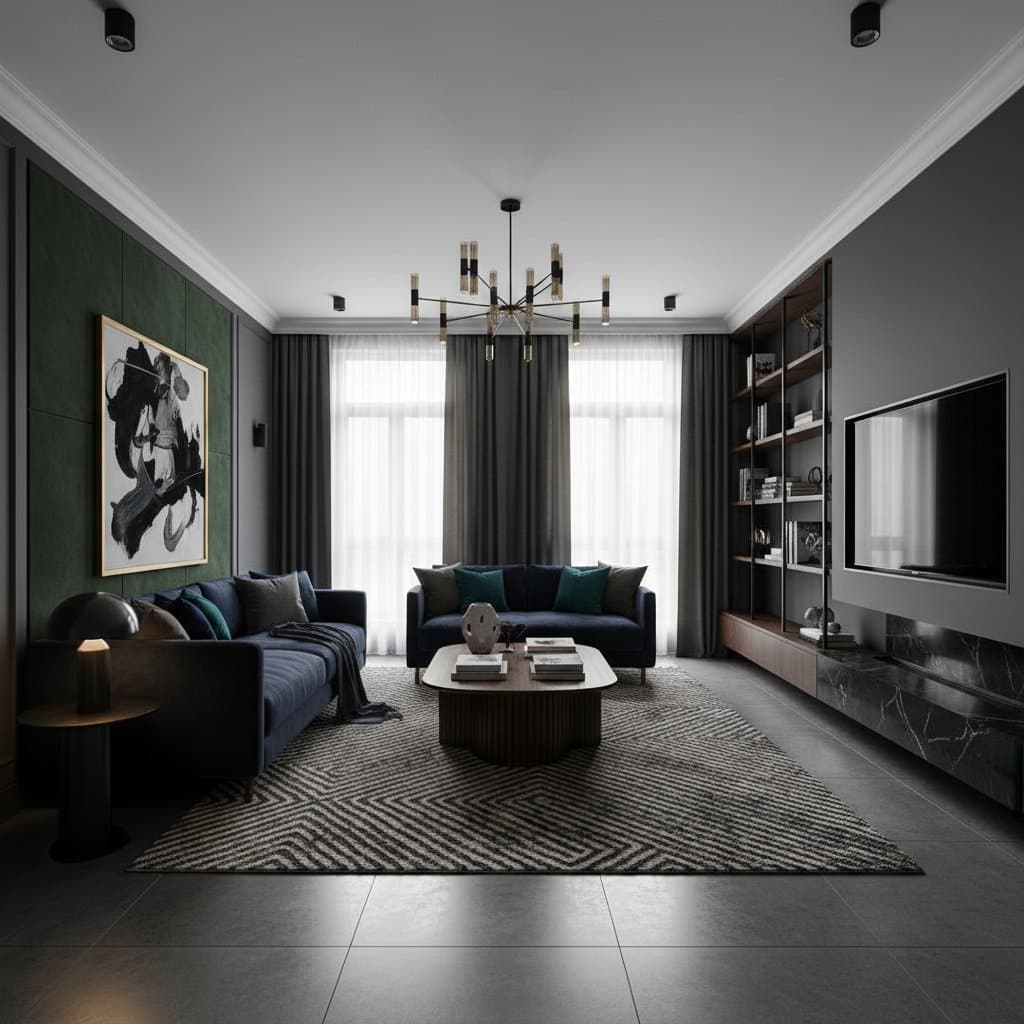
Dark moody interiors have evolved beyond experimental trends to embody luxury, assurance, and substantial worth. Properties featuring deep, saturated color schemes frequently sell more quickly and command premium prices, distinguishing themselves from the prevalence of neutral white interiors. Prospective buyers perceive these designs as deliberate, refined, and indicative of high-end investment.
What Makes Dark Interiors Valuable
Spaces enveloped in dark tones convey a sense of stability and seclusion. They impart a completed, authentic quality rather than an artificial staging. Hues like charcoal, navy, and forest green generate visual contrast that accentuates structural elements and surface textures. Executed effectively, such environments excel in photography, garnering greater online visibility and interest.
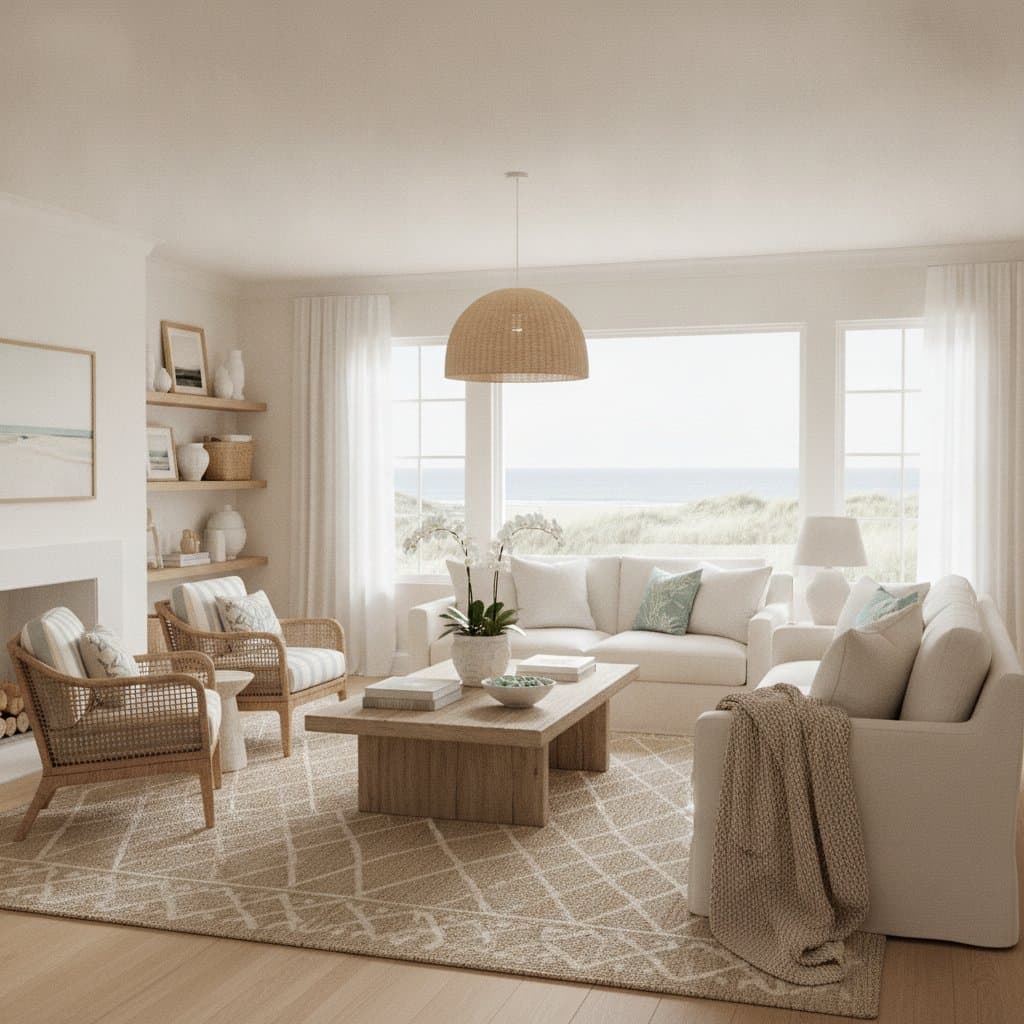
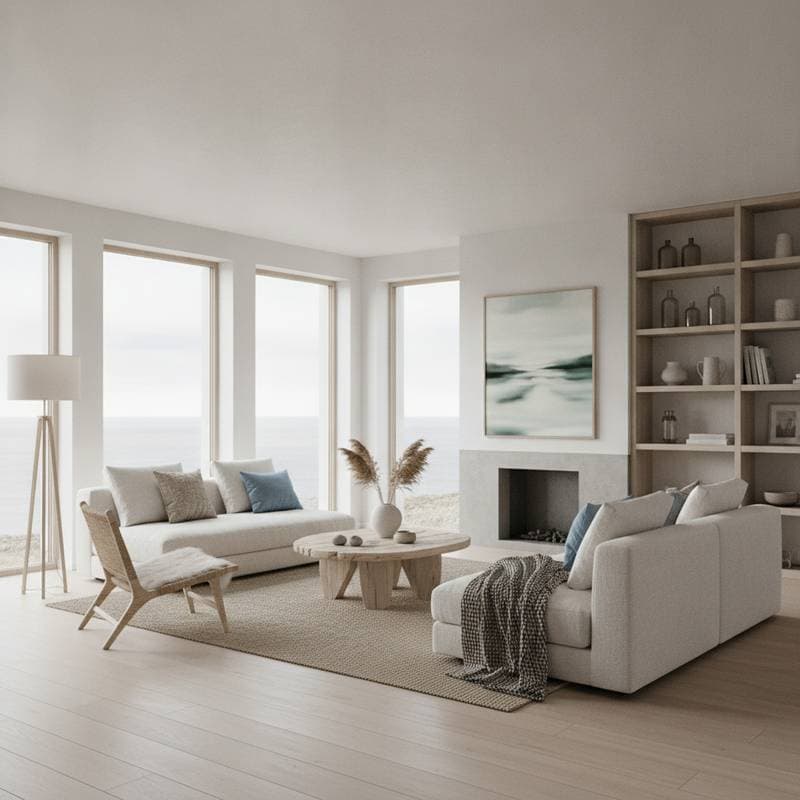
Previously, light palettes dominated for their perceived safety and expansiveness. Current preferences, however, favor the boldness of dark schemes, reflecting an owner's grasp of contemporary aesthetics and commitment to superior craftsmanship. This forward-thinking approach elevates the overall assessment of the property's value.
The Plan: How to Create a Dark Moody Interior
-
Select your palette. Identify a primary dark shade, a complementary mid-tone, and a single accent color. Ensure all selections share harmonious undertones to maintain cohesion.
-
Balance materials. Combine matte paints with elements of gloss or sheen. Incorporate natural wood, stone, or metal accents to introduce varied textures that enrich the space.
-
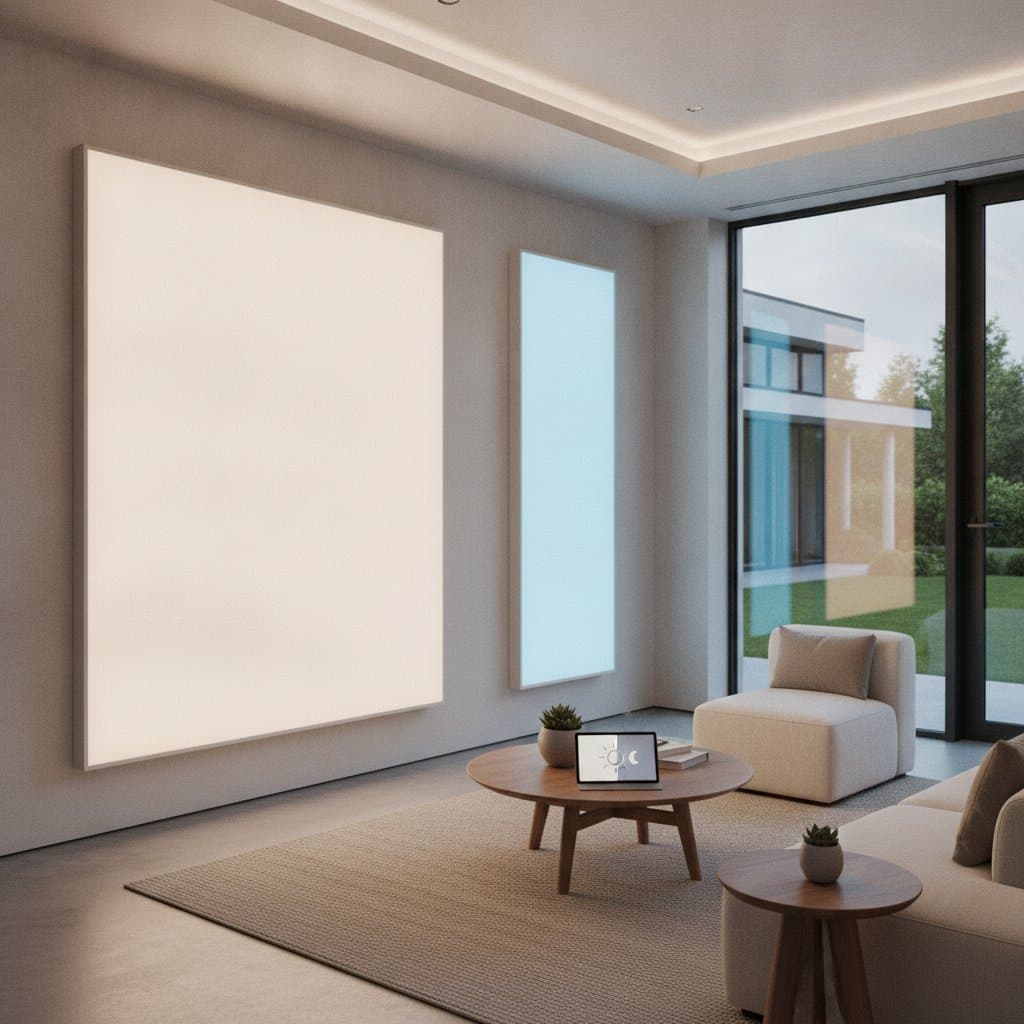
Layer lighting. Install warm-toned bulbs, incorporate dimmer switches, and deploy multiple sources such as recessed lights, lamps, and sconces to mitigate harsh shadows.
-
Incorporate contrast. Integrate lighter elements like trim, artwork, or upholstery to inject vitality and prevent monotony.
-
Test thoroughly. Apply generous samples across walls and evaluate their appearance under morning, afternoon, and evening illumination.
-
Style with restraint. Prioritize the prominence of color and texture by selecting sparse, meaningful furnishings and steering clear of intricate patterns.
-
Prioritize durability. Opt for premium, washable paints formulated to withstand everyday wear, including scuffs and fingerprints.
Costs
| Task | Typical Cost | Factors Influencing Price |
|---|---|---|
| Painting walls and ceilings | $2 to $6 per square foot | Quality of paint, extent of surface preparation |
| Upgrading lighting | $150 to $600 per fixture | Fixture style, installation requirements |
| Furniture or decor refresh | $800 to $5,000 | Dimensions of the area, choice of materials, involvement of specialists |
| Professional design consultation | $200 to $1,000 | Project scale, expertise of the consultant |
Costs fluctuate based on geographic location. Urban centers and coastal regions typically incur elevated labor expenses. Additional variables include paint type, ceiling elevation, and required applications.
Time
Transforming a single room typically requires two to five days. Painting demands one or two days, lighting installation occupies another full day, and final styling extends one to two additional days. Comprehensive whole-home updates may extend over several weeks, contingent on preparatory tasks and drying intervals between coats.
DIY vs Professional
Pursue DIY when:
- You possess precise manual skills and ample time.
- Surfaces remain smooth and free of defects.
- The scope involves compact areas.
Engage professionals when:
- Structures feature elevated or intricate ceilings.
- The work encompasses bespoke lighting or specialized paneling.
- You seek flawless, gallery-level execution.
Experienced painters ensure precise lines, even application, and resilient results. Interior designers excel at harmonizing ambiance with functionality. While DIY approaches conserve funds, they carry risks of inconsistent shading or tonal discord without meticulous testing.
Tools and Materials Checklist
- Paint roller with extension pole and angled brush for edges
- Painter's tape and protective drop cloths
- Sturdy ladder or adjustable step stool
- Fine-grit sandpaper and filler compound for repairs
- High-opacity primer suited for dark overlays
- Dimmable recessed or track lighting fixtures
- Warm-spectrum LED bulbs rated for longevity
- Soft microfiber cloths for dust-free cleaning
- Portable sample boards to preview color interactions
Safety and Preparation
Operate in well-ventilated areas to disperse fumes. Don a respirator during sanding or aerosol applications. Disconnect electrical power prior to fixture modifications. Select reputable paints that achieve coverage in fewer layers over existing light surfaces. Adhere strictly to product guidelines for drying and curing durations.
In jurisdictions with rigorous regulations, alterations to wiring or fixtures necessitate certified electricians. Employing compliant materials safeguards health, compliance, and policy protections.
Why Buyers Love Dark Interiors
Dark environments evoke tranquility and mastery. They conceal subtle flaws more effectively than stark whites. Furnishings and art gain prominence against subdued backdrops, fostering an aura of bespoke opulence. Buyers link these palettes to upscale retreats like boutique hotels, gourmet eateries, and editorial spreads in design publications.
Kitchens in velvety black, bedrooms in smoldering charcoal, and offices in profound green exemplify refined modernity. These compositions render compelling visuals for digital marketplaces, prompting visceral responses from viewers. Agents observe that thoughtfully executed dark designs often precipitate swift bidding and negotiations.
Color Choices That Work
Recommended dark bases:
- Charcoal gray for versatile neutrality
- Graphite black for dramatic intensity
- Deep navy for oceanic depth
- Olive green for earthy sophistication
- Espresso brown for warm grounding
Effective accents:
- Soft gold for subtle elegance
- Cream white for clean relief
- Burnt orange for vibrant energy
- Dusty rose for gentle warmth
- Warm brass hardware for metallic gleam
Restrict each room to two or three principal colors. Alternate matte and reflective surfaces to sustain dimension. Position mirrors or metallic details strategically to amplify light diffusion and spatial illusion.
Regional Considerations
In temperate or chilly locales, dark schemes infuse warmth and intimacy. Favor absorbent matte sheens that temper harsh reflections. For luminous or arid climates, lean toward cooler variants like slate gray or midnight blue to counteract excessive glare. Humid environments demand anti-mold formulations and enhanced airflow to avert condensation issues.
Residents in storm-vulnerable or wildfire districts should verify ordinances prior to hardwired installations or textured applications. Mandated certified components and fire-resistant options ensure adherence and resilience.
When to Call a Professional
Seek expert intervention upon detecting:
- Irregular wall conditions or damp residues.
- Fissured coatings or signs of prior leaks.
- Inadequate daylight requiring tailored illumination strategies.
- Expansive layouts demanding seamless tonal progressions.
Consultants and specialists preserve continuity across areas while sustaining the desired mood. They also select adaptable finishes that perform reliably across varying illuminations.
Common Mistakes to Avoid
- Enveloping all elements in darkness absent balancing highlights.
- Mixing disparate temperature tones that disrupt harmony.
- Neglecting primer over pale bases, leading to patchy results.
- Overlooking illumination recalibration for absorbent surfaces.
- Accumulating dense furnishings or somber textiles that overwhelm.
Equilibrium remains essential. A dark interior should exude abundance without oppression. Strategic contrasts, illumination, and tactile variety sustain its vibrancy.
Long-Term Maintenance
Although dark surfaces may reveal particulates and marks more readily, superior paints facilitate straightforward cleansing. Employ mild solutions and lint-free cloths for routine care. Address minor abrasions promptly to uphold seamlessness. Periodic full repaints every three to five years rejuvenate the palette's allure.
For market preparation, renew lighter borders and skirtings to sharpen the dark canvas anew. Consistent upkeep sustains the premium impression that captivates purchasers.
Pro Tips for Success
- Apply test swatches across several wall sections to capture diurnal variations.
- Deploy warm illumination in reposeful zones for inviting radiance.
- Confine reflective elements to focal points to minimize distractions.
- Introduce foliage for organic vitality and tonal counterpoint.
- Elevate ceilings with off-white shades to avert enclosure sensations.
Such refinements elevate dark realms from somber to sublime.
FAQ
Are dark interiors more challenging to maintain cleanliness?
No, particularly with matte textures that camouflage residue and durable, scrub-resistant coatings that simplify care.
Do dark hues diminish perceived room size?
Potentially, yet strategic lighting and contrasting features render them intimate and purposeful rather than confining.
Does dark paint diminish natural brightness?
Merely with subpar lighting; integrate tiered sources and luminous accents to restore equilibrium.
Implementing Your Vision
Dark moody interiors proclaim discernment and poise. They convert ordinary environs into memorable showcases that linger in buyers' minds. Initiate with a pilot space, validate selections, and fine-tune the interplay of shadow and highlight for optimal impact.